
Growing your own papaya tree can be a wonderful experience, not only do you get to enjoy the delicious fruit, but also reap numerous health benefits. Papayas are packed with vitamins and minerals that support heart health, digestion, and even help fight off infections. But did you know that growing these tropical trees requires specific care? From climate requirements to harvesting and storing the fruit, it’s essential to understand how to cultivate and care for your papaya tree.
In this article, we’ll take a closer look at what it takes to grow a thriving papaya tree. We’ll cover everything from selecting the right variety to tips on pruning and fertilizing your tree. You’ll learn how to identify when your papaya is ready to harvest and even discover creative ways to store and enjoy your fresh fruit. Whether you’re a seasoned gardener or just starting out, this guide will give you the confidence to grow your own papaya tree and enjoy its numerous benefits.
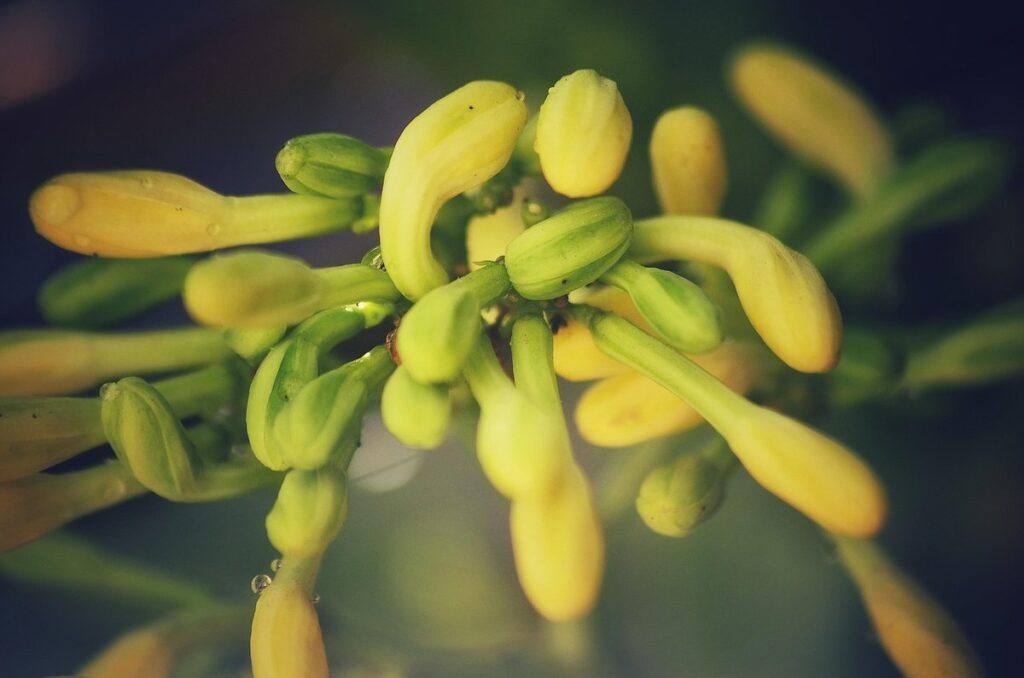
Understanding the Papaya Flower Tree
To truly appreciate and care for your papaya flower tree, it’s essential to understand its unique characteristics and growth patterns. Let’s dive into the fascinating details of this remarkable plant.
Overview of the Plant Species
The papaya flower tree (Carica papaya) is a tropical plant that’s been prized for its remarkable properties and versatility. Native to Central America, this species has since spread to various parts of the world, where it thrives in warm climates.
From a botanical standpoint, Carica papaya falls under the family Caricaceae and consists of only one genus, making it a relatively simple classification. Its growth habits are equally fascinating; the tree can grow up to 10 meters tall with a broad, rounded crown. However, in ideal conditions, it can remain smaller, often topping out at around 6-8 meters.
The papaya flower tree’s geographical distribution is just as extensive as its uses. You’ll find them growing wild in tropical regions like India, the Philippines, and parts of Central America. Cultivation is also widespread, with many countries having commercial plantations for their fruit, which is rich in vitamins A and C. Understanding these fundamental aspects of the papaya flower tree will set you up for success in cultivating this remarkable species.
Brief History of Papaya Cultivation
Papayas have been cultivated for thousands of years, with their origins dating back to Central America. It’s believed that the papaya tree was first domesticated by the ancient Mayans and Aztecs, who highly valued its fruit for its nutritional value and medicinal properties. In fact, the papaya was considered a sacred fruit in many Mesoamerican cultures.
As civilizations developed and trade routes expanded, papayas were introduced to other parts of the world, including Asia, Africa, and the Pacific Islands. In India, for example, papayas are known as “karpaha” and have been cultivated since ancient times. The fruit was also introduced to Hawaii by Polynesian settlers over 200 years ago, where it quickly became a staple crop.
Today, papayas are grown in many tropical regions around the world and are prized not only for their delicious flavor but also for their numerous health benefits. They’re rich in vitamins A and C, potassium, and an enzyme called papain that aids digestion. In fact, papaya is often used as a natural remedy to soothe stomach upset and relieve inflammation.
The cultural significance of the papaya tree extends far beyond its nutritional value. In many tropical communities, the fruit is a symbol of hospitality and generosity, with hosts proudly offering guests a slice or two as a sign of welcome.
Growing Conditions for Papaya Trees
To grow a thriving papaya tree, it’s essential to understand its specific requirements, including temperature, humidity, and soil conditions that will promote healthy growth. Let’s explore these factors in more detail.
Climate Requirements
To grow papaya trees successfully, it’s essential to understand the ideal climate conditions they require. Papayas are tropical plants that thrive in warm and humid environments. The optimal temperature range for growing papayas is between 64°F (18°C) and 90°F (32°C). They can tolerate temperatures up to 100°F (38°C), but prolonged exposure to high temperatures can lead to stress.
Humidity levels also play a crucial role in papaya growth. Papayas prefer a humid environment with a relative humidity of 50-80%. If the air is too dry, the plant may suffer from drought stress, leading to reduced fruit production.
Sunlight is another critical factor for papaya trees. They require full sun to partial shade, with at least six hours of direct sunlight per day. In areas with intense sunlight, it’s essential to provide some shading to prevent scorching of the leaves. If you’re planning to grow papayas in your local environment, check the average temperature and humidity levels in your area to ensure they align with the ideal climate conditions for papaya trees.
Soil Preparation and Selection
When it comes to growing papaya trees, selecting the right soil is crucial for their survival and optimal growth. Papaya trees thrive in well-draining soil with a pH level between 5.5 and 6.5. This slightly acidic to neutral range allows the tree’s roots to absorb essential nutrients effectively.
To prepare your soil, start by loosening it to a depth of about 12-18 inches. Add organic matter like compost or manure to improve its structure and fertility. You can also incorporate perlite or sand to enhance drainage. If your soil is heavy clay or prone to waterlogging, consider mixing in some well-decomposed leaf mold or peat moss.
When selecting a location for planting, choose an area with full sun exposure and adequate air circulation. Avoid planting papaya trees in low-lying areas where water may collect. Ensure the tree has enough space to grow, about 10-15 feet from any nearby structures. By following these guidelines, you’ll be able to create a favorable environment for your papaya tree to flourish.
Papaya Tree Care and Maintenance
To keep your papaya tree thriving, proper care and maintenance are essential. In this section, we’ll cover the best practices for pruning, watering, and fertilizing your papaya tree.
Watering and Irrigation
Watering and irrigation are crucial aspects of papaya tree care. Papaya trees prefer well-draining soil and adequate moisture levels to thrive. The frequency of watering depends on factors like climate, soil type, and the age of the tree.
In general, young papaya trees require more frequent watering than mature ones. Water your papaya tree when the top 2-3 inches of soil feel dry to the touch. Avoid overwatering, as this can lead to root rot and other problems.
For optimal growth, aim for about 1-2 inches of rainfall or irrigation water per week. During periods of high temperature or drought, increase watering frequency accordingly. Use a drip irrigation system or soaker hose to deliver water directly to the roots, reducing evaporation and runoff.
Monitor your tree’s response to watering by observing its leaves and fruit production. Adjust your schedule as needed to prevent overwatering or underwatering. By providing consistent moisture levels, you’ll promote healthy growth and maximize your papaya harvest.
Fertilization and Pruning
Fertilizing and pruning are essential aspects of papaya tree care that often get overlooked. However, they play a crucial role in promoting optimal growth, fruit production, and overall health of the plant.
When it comes to fertilization, papaya trees require a balanced diet rich in nitrogen, phosphorus, and potassium (NPK) at a ratio of 10-10-10. You can use either organic or chemical fertilizers depending on your preference. For optimal results, apply a slow-release fertilizer during the spring season when new growth begins. This will provide the necessary nutrients for fruiting and vegetative growth.
Pruning is equally important to maintain a healthy papaya tree. Prune the tree annually to promote a central leader and encourage a balanced canopy. Remove any dead or diseased branches, as well as any suckers that grow from the base of the plant. This will prevent disease spread and direct energy towards fruit production.
Propagation Methods for Papaya Trees
To successfully grow a papaya tree, you’ll want to learn about its various propagation methods, which can be achieved through seed, stem cuttings, and grafting. This section will walk you through each process.
Seeds vs. Grafting
When it comes to propagating papaya trees, you have two primary options: using seeds or grafting. Both methods have their advantages and disadvantages, which we’ll explore below.
Using papaya seeds is a cost-effective and widely available method of propagation. Seeds can be obtained from mature papaya fruits, and the process involves planting them in well-draining soil and providing adequate moisture. However, seed-grown papayas may take 6-12 months to mature, and their offspring often exhibit reduced vigor and lower yields compared to grafted trees.
On the other hand, grafting involves joining a piece of stem (called a scion) from one papaya tree onto the root system of another (the rootstock). This method allows you to combine the desirable traits of multiple parent plants, resulting in more vigorous and productive offspring. Grafting also enables you to control for diseases and pests that can be problematic in seed-grown papayas.
Ultimately, grafting offers greater precision and consistency in terms of tree quality, but it requires specialized equipment and expertise. If you’re a beginner or looking to propagate papaya trees on a large scale, using seeds may be the more accessible option. However, if you want to ensure high-quality yields with minimal disease susceptibility, grafting is likely the better choice.
Tissue Culture Method
Tissue culture is a highly effective method for propagating papaya trees, especially for large-scale commercial production. This technique involves taking small pieces of plant tissue, such as leaves or stems, and growing them into new plants in a controlled laboratory environment. The benefits of tissue culture include disease-free propagation, consistent quality, and faster growth rates.
One of the major advantages of tissue culture is that it eliminates the need for seeds, which can be unreliable and time-consuming. Papaya trees propagated through tissue culture also tend to have uniform characteristics, such as fruit size, shape, and flavor. This makes it easier for farmers to predict yields and plan their harvests. However, tissue culture does require specialized equipment and expertise, making it less accessible to small-scale growers.
In addition, the high initial investment in setting up a tissue culture laboratory can be a significant barrier for some farmers. Nevertheless, for large-scale commercial producers or research institutions, tissue culture is an attractive option due to its ability to produce disease-free and consistent papaya trees.
Pest Management for Papaya Trees
Effective pest management is crucial to protecting your papaya trees from common pests, such as aphids and whiteflies. Here, we’ll discuss prevention methods and control techniques to keep your plants healthy and thriving.
Common Pests Affecting Papayas
As a papaya tree grower, it’s essential to be aware of common pests that can damage your crop. Papaya trees are susceptible to various insects and pests that can cause significant losses if not managed properly.
Fruit flies are one of the most common pests affecting papayas. These tiny insects lay eggs in the fruit, causing it to rot from within. Mealybugs and scale insects are also prevalent on papaya trees, sucking sap and causing stunted growth. Scale insects can even secrete a sticky substance called honeydew, which attracts ants and promotes the growth of sooty mold.
To manage these pests effectively, monitor your tree regularly for signs of infestation. Inspect the leaves, stems, and fruit for any unusual growths or discoloration. Remove any infested areas to prevent the spread of pests. Use natural methods like neem oil or insecticidal soap to control mealybugs and scale insects. For fruit flies, cover your papaya trees with fine mesh netting to prevent them from laying eggs on the fruit.
Regular pruning and maintaining good tree hygiene can also help reduce pest infestations.
Organic and Chemical Controls
When it comes to managing pest infestations on your papaya tree, it’s essential to adopt integrated pest management (IPM) strategies that prioritize sustainable gardening practices. IPM involves using a combination of techniques to monitor, prevent, and control pests, minimizing the use of chemical controls.
Start by monitoring your tree regularly for signs of pests, such as whiteflies, mealybugs, or scale insects. Use sticky traps or pitfall traps to capture and identify pest populations. For organic controls, try introducing beneficial insects like lady beetles or lacewings that prey on common papaya pests. You can also use neem oil, garlic spray, or soap solution to repel pests.
If chemical controls are necessary, choose products with low toxicity and follow the recommended application rates carefully. However, always opt for the lowest effective dose to minimize harm to beneficial insects and the environment. Remember that prevention is key – maintain good hygiene practices, remove weeds, and water your tree correctly to prevent pest infestations from occurring in the first place.
Nutritional Benefits of Papaya Fruit and Leaves
Papaya fruit and leaves are not only a tasty addition to your diet, but they’re also packed with vitamins and minerals that can provide numerous health benefits when consumed. Let’s explore these nutritional advantages together!
The Nutrient Profile of Papaya
Papaya fruit is an excellent source of essential nutrients, vitamins, minerals, and antioxidants that contribute significantly to human health. One medium-sized papaya provides a whopping 144% of the daily recommended intake of vitamin C, making it an excellent immune-boosting agent. Papaya is also rich in potassium, an electrolyte that helps regulate blood pressure and supports healthy heart function.
In addition to its impressive vitamin and mineral profile, papaya contains a range of antioxidants, including carotenoids and flavonoids. These compounds have been shown to possess anti-inflammatory properties, which can help reduce the risk of chronic diseases such as cancer and cardiovascular disease. The most notable antioxidant in papaya is an enzyme called papain, which has anti-inflammatory and anti-cancer properties.
Papaya’s nutrient profile also includes folate, a B vitamin essential for cell growth and development during pregnancy. Eating one medium-sized papaya daily can provide up to 16% of the recommended daily intake of iron, making it an excellent food choice for individuals with iron deficiency anemia.
Medicinal Properties of Papaya Leaves
Papaya leaves have been used for centuries in traditional medicine to treat various ailments. The medicinal properties of papaya leaves are attributed to their rich content of vitamins A and C, potassium, and an enzyme called papain. This enzyme has anti-inflammatory properties that can help reduce swelling and pain.
One of the most significant benefits of papaya leaves is their ability to lower blood pressure. Studies have shown that consuming papaya leaf extract can significantly reduce systolic and diastolic blood pressure in individuals with hypertension. Papaya leaves are also used to treat digestive issues, such as diarrhea and ulcers, due to their anti-inflammatory properties.
However, it’s essential to note that excessive consumption of papaya leaves can cause adverse effects, including kidney damage and allergic reactions. Therefore, moderation is key when using papaya leaves for medicinal purposes. To incorporate papaya leaves into your diet safely, start by brewing a tea with fresh or dried leaves, then gradually increase the dosage as needed under medical supervision.
Some traditional medicine practices also use papaya leaf extracts to treat fever, cough, and skin conditions like eczema. These applications are still being researched, but initial findings suggest potential benefits in reducing inflammation and promoting healing.
Harvesting and Storing Papaya Fruit
Now that you’ve nurtured your papaya tree to fruit, it’s time to harvest and store its delicious papayas properly, ensuring they remain fresh for a longer period. Proper harvesting and storage techniques will help preserve their flavor and nutrients.
Determining Ripeness
Determining the optimal ripeness of papaya fruit is crucial for enjoying its full flavor and texture. A ripe papaya is a delicate balance between sweetness and firmness. To determine if a papaya is ready to harvest, gently press the skin with your fingers. A ripe papaya will yield to pressure but still feel slightly firm.
Another method is to check the color and stem end of the fruit. A ripe papaya typically turns from green to yellow or orange, depending on the variety. The stem end should be slightly soft and dry, indicating that the fruit has fully matured.
For optimal flavor, it’s best to harvest papayas when they are slightly under-ripe, as they will continue to ripen after picking. Store them in a cool, well-ventilated area, away from direct sunlight, to slow down the ripening process. This allows you to enjoy your papaya at its peak sweetness and texture.
If you’re purchasing papayas, look for ones with no visible signs of bruising or soft spots, as these can affect the fruit’s quality.
Storage Tips for Fresh Papayas
When it comes to storing fresh papaya fruit, proper care is crucial to maintain its quality and nutritional value. Papayas are highly perishable fruits that can spoil quickly if not stored correctly. To keep your papayas fresh for a longer period, you can store them at room temperature or in the refrigerator.
To store papayas at room temperature, choose a dry place away from direct sunlight and heat sources. Papayas will continue to ripen after they’re picked, so keep an eye on their ripening process and use them within 3-4 days. You can also store papayas in a paper bag or wrap them in newspaper to maintain humidity and prevent moisture loss.
Refrigerating papayas is another great way to extend their shelf life. Place the papaya in a breathable container, such as a mesh bag or a paper bag with holes punched into it. Store the papaya in the refrigerator at a consistent temperature below 40°F (4°C). Refrigeration will slow down the ripening process, allowing you to enjoy your papayas for up to 7-10 days.
When freezing papayas, slice them and spread them out on a baking sheet lined with parchment paper. Place the sheet in the freezer until the slices are frozen solid. Then, transfer the frozen papaya slices to an airtight container or freezer bag for longer storage. Frozen papayas can be stored for up to 8-12 months and used in smoothies or as a topping for oatmeal or yogurt.
Remember that even with proper storage techniques, papayas will eventually spoil if not consumed within a few days of ripening. Always inspect your papayas before consuming them and discard any that show signs of mold, sliminess, or over-ripening to maintain food safety.
Conclusion: Embracing the Benefits of Papaya Trees
In conclusion, cultivating papaya trees can be a rewarding experience for anyone looking to grow their own fruit. By following the tips and advice outlined in this guide, you’ll be well on your way to enjoying the benefits of these amazing trees. Not only do papayas provide a delicious and nutritious snack, but they also offer numerous health benefits due to their rich content of vitamins A and C, potassium, and antioxidants. To make the most of your papaya tree, be sure to provide it with plenty of sunlight, water, and fertilizer, and prune regularly to encourage healthy growth.
With proper care, a single papaya tree can produce up to 8-10 fruit per year, making it an excellent choice for home gardens or small-scale farming. By embracing the benefits of papaya trees, you’ll not only enjoy fresh and tasty fruit but also contribute to a healthier environment by reducing your carbon footprint through sustainable gardening practices.
Frequently Asked Questions
Can I grow papaya trees indoors, or do they require a greenhouse environment?
Yes, you can grow papaya trees indoors, but it’s essential to replicate the tropical climate conditions by providing bright indirect light and maintaining a temperature between 65°F to 80°F (18°C to 27°C). This will help ensure proper growth and fruiting. Keep in mind that indoor cultivation might limit the tree’s overall size.
How often should I fertilize my papaya tree, and what type of fertilizer is best?
Fertilize your papaya tree regularly, ideally every 2-3 weeks during the growing season (spring-fall). Use a balanced, water-soluble fertilizer (20-20-20) to promote healthy growth. You can also side-dress with magnesium and potassium-rich fertilizers for optimal fruit production.
Can I propagate papaya trees through leaf or stem cuttings?
Yes, you can propagate papaya trees using stem cuttings, but the success rate might be lower compared to seed propagation. For best results, use a rooting hormone and maintain high humidity (80-90%) until roots develop. This method is ideal for those who want to multiply their favorite papaya variety.
What are some common pests that affect papaya trees, and how can I control them?
Common pests affecting papayas include mealybugs, scale insects, and spider mites. To control these infestations, use neem oil or insecticidal soap for organic methods. For severe cases, integrate chemical controls like imidacloprid, but always follow the recommended application rates to avoid harming your tree.
How do I store harvested papayas to maintain their freshness and nutritional value?
To keep fresh papayas for an extended period, store them at room temperature or in a fruit basket. If you want to prolong storage, refrigerate them at 32°F (0°C) with the stem end facing up. Be sure to handle the fruits gently and avoid washing before storage to prevent moisture buildup, which can lead to spoilage.