
Ground cherry seeds have been gaining attention for their impressive nutritional profile and versatility in cooking. These tiny seeds are packed with antioxidants, fiber, and essential minerals that can boost your overall health. But what makes ground cherry seeds truly remarkable is their potential to support digestive health, reduce inflammation, and even promote weight management. If you’re new to ground cherry seeds or looking for ways to incorporate them into your daily routine, this article has got you covered. We’ll delve into the nutritional benefits, culinary uses, and potential health effects of ground cherry seeds. You’ll also learn how to grow and harvest these tiny gems at home, as well as some essential precautions to keep in mind when consuming them.
What are Ground Cherries?
Let’s start by exploring what ground cherries are, a sweet and tangy fruit that’s often overlooked but packed with nutritional benefits. You might be surprised at its unique characteristics.
Definition and History of Ground Cherries
Ground cherries have been a beloved ingredient in many cultures for centuries. Their rich history and cultural significance are deeply intertwined with their nutritional and culinary potential. To truly unlock the benefits of ground cherry seeds, it’s essential to understand where they come from and how they’ve been used throughout time.
Originating in South America, ground cherries were first cultivated by indigenous communities, who prized them for their sweet-tart flavor and high nutritional value. As European colonizers arrived, ground cherries spread across the globe, becoming a staple in many cuisines. In Central and South America, they’re still a vital part of traditional recipes, often paired with ingredients like cilantro, onion, and chili peppers.
In North America, ground cherries were adopted by early settlers, who valued them for their ability to thrive in poor soil conditions. Today, they’re a popular ingredient in many farmers’ markets and artisanal food products. Whether you’re exploring traditional recipes or experimenting with new flavors, understanding the rich history of ground cherries can help you unlock their full potential in your cooking and baking.
Botanical Classification and Characteristics
Ground cherries (Physalis pruinosa) belong to the Solanaceae family, which includes other popular plants like tomatoes, peppers, and eggplants. This classification explains why ground cherries share some similarities with these relatives in terms of their growth habits and nutritional profiles. The Physalis genus is comprised of about 30 species, but P. pruinosa is the most widely cultivated and consumed.
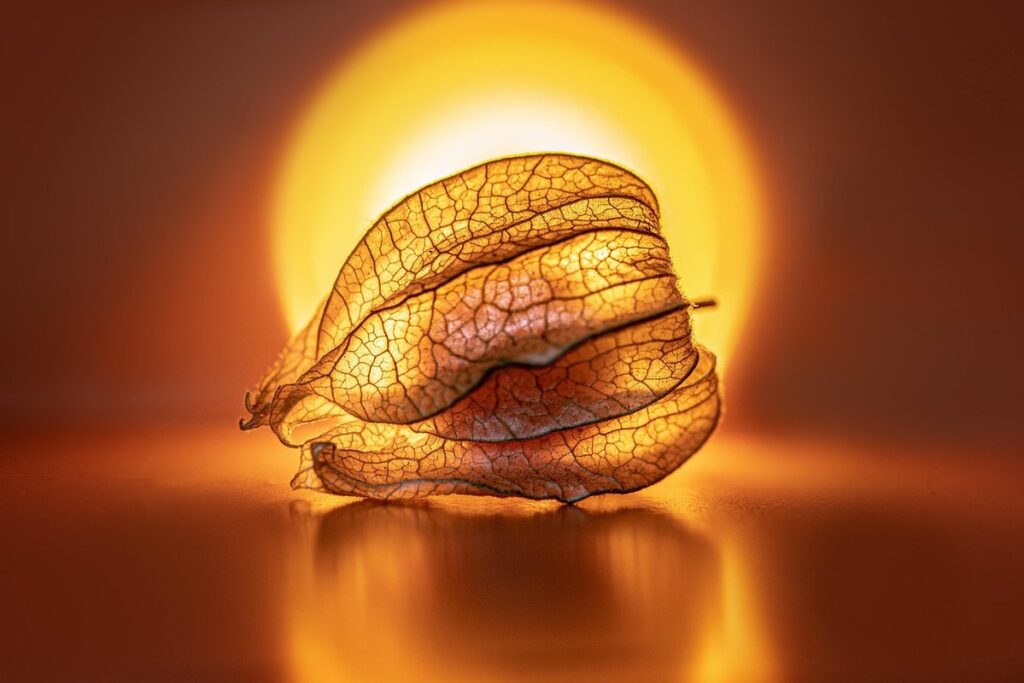
One of the distinct characteristics of ground cherry plants is their papery husks that encase their fruit, giving them a unique appearance. These papery covers protect the fruit from sun scorch and disease, allowing it to ripen more evenly on the plant. The leaves of ground cherry plants are small, oval-shaped, and have a soft, downy texture. They typically grow 1-2 feet tall, making them an excellent choice for compact gardens or containers.
Understanding the botanical classification and characteristics of ground cherries helps us appreciate their potential uses in cooking and preserving. By knowing how to identify and care for these plants, gardeners can harvest fresh fruit and seeds throughout the growing season, unlocking a wealth of flavors and nutritional benefits.
Nutritional Profile of Ground Cherry Seeds
Ground cherry seeds are a nutrient-dense food, rich in healthy fats, protein, and dietary fiber, making them an excellent addition to a balanced diet. Let’s take a closer look at their nutritional profile.
Macronutrient Breakdown
Ground cherry seeds are an excellent source of essential macronutrients that provide sustained energy and support overall health. The macronutrient breakdown of ground cherry seeds is as follows: carbohydrates make up approximately 15-20% of the seed’s composition, with a significant portion being complex fibers like pectin and cellulose. These fiber-rich carbs promote digestive health and satiety.
Protein content in ground cherry seeds ranges from 10-12%, making them an excellent plant-based source for those looking to boost their protein intake. The seeds are rich in essential amino acids, including lysine, which is particularly beneficial for vegetarians and vegans.
Fat content contributes around 60-70% of the seed’s macronutrient profile, primarily consisting of healthy unsaturated fats like oleic acid and palmitic acid. These beneficial fatty acids support heart health, improve brain function, and aid in nutrient absorption.
Incorporating ground cherry seeds into your diet can be as simple as sprinkling them on salads, adding them to oatmeal or yogurt, or blending them into smoothies. This versatile ingredient is an excellent addition to any meal, providing a boost of macronutrients and supporting overall well-being.
Micronutrients and Vitamins
Ground cherry seeds are an excellent source of essential micronutrients, including vitamins, minerals, and antioxidants. One of the key benefits of incorporating ground cherry seeds into your diet is their high content of vitamin E, a powerful antioxidant that protects cells from damage caused by free radicals. A single serving of ground cherry seeds provides approximately 20% of the recommended daily intake of vitamin E.
Ground cherry seeds are also rich in other essential vitamins and minerals such as vitamin C, potassium, magnesium, and iron. Vitamin C is crucial for immune function and collagen production, while potassium helps regulate blood pressure and maintain healthy heart function. Magnesium supports bone health, nerve function, and muscle contraction, while iron is vital for the production of red blood cells.
To maximize the nutritional benefits of ground cherry seeds, it’s essential to consume them in their raw form or lightly toasted. Roasting can damage some of the delicate nutrients, so be sure to store your ground cherry seeds in a cool, dark place to preserve their potency. Add them to salads, smoothies, or use as a topping for oatmeal for a nutritious and delicious boost.
Health Benefits of Ground Cherry Seeds
Ground cherry seeds are a nutrient-rich superfood, packed with antioxidants and essential fatty acids that have been shown to provide numerous health benefits when consumed. Let’s explore some of these amazing advantages up close.
Antioxidant Properties and Anti-Inflammatory Effects
Ground cherry seeds are a rich source of antioxidants, including phenolic acids, flavonoids, and carotenoids. These compounds play a crucial role in protecting the body from oxidative stress, which can lead to cell damage and various diseases. The antioxidant properties of ground cherry seeds have been shown to neutralize free radicals, thereby reducing inflammation and improving overall health.
The anti-inflammatory effects of ground cherry seeds are particularly noteworthy. Chronic inflammation is a known risk factor for many chronic diseases, including heart disease, diabetes, and cancer. Ground cherry seeds contain anti-inflammatory compounds that may help alleviate symptoms associated with conditions like arthritis, gout, and other inflammatory disorders. Additionally, the antioxidants in ground cherry seeds have been shown to improve cognitive function and reduce the risk of age-related diseases.
To reap the benefits of ground cherry seeds’ antioxidant properties and anti-inflammatory effects, simply add them to your smoothies or salads, or enjoy them as a snack on their own.
Cardiovascular and Neuroprotective Effects
Ground cherry seeds have been shown to possess potential cardiovascular benefits, making them an excellent addition to a heart-healthy diet. The seeds are rich in antioxidants, which help protect against oxidative stress and inflammation that can contribute to the development of cardiovascular disease.
Studies have demonstrated that consuming ground cherry seed extracts may lower blood pressure and reduce triglycerides in individuals with hyperlipidemia. This is attributed to the presence of bioactive compounds such as flavonoids, phenolic acids, and saponins, which exhibit vasodilatory and anti-inflammatory effects.
In addition to cardiovascular benefits, ground cherry seeds also offer neuroprotective effects. The high content of antioxidants and polyphenols in these seeds has been found to scavenge free radicals and reduce oxidative stress in the brain, potentially alleviating conditions such as anxiety and depression.
Incorporating ground cherry seeds into your diet can be as simple as sprinkling them over salads or blending them into smoothies. When choosing ground cherry seeds, ensure they are sourced from reputable suppliers to maximize their nutritional potential.
Culinary Uses and Recipes
Now that you’ve learned about the incredible nutritional benefits of ground cherry seeds, let’s explore their culinary potential through creative recipes and applications.
Traditional Preparations and Modern Twists
Ground cherries have been a staple in many traditional cuisines for centuries, particularly in North America and Latin America. In these regions, ground cherry seeds are often used to make delicious jams, preserves, and desserts that showcase their unique flavor profile. A classic example of this is the traditional Puerto Rican recipe for “Mermelada de Ciruela,” a sweet and tangy jam made with ground cherries, sugar, and spices.
For those looking to try their hand at making these traditional preparations, the key to success lies in using high-quality ground cherry seeds that are fresh and free of bitterness. To make a basic jam, combine 2 cups of ground cherry seeds with 1 cup of granulated sugar and 1 tablespoon of lemon juice in a saucepan. Bring the mixture to a boil, then reduce heat and simmer for 10-15 minutes or until the desired consistency is reached.
Modern twists on traditional preparations are also gaining popularity, particularly among chefs and food enthusiasts. One innovative example is using ground cherry seeds as a topping for yogurt parfaits or oatmeal bowls, adding a burst of flavor and nutrition to these breakfast staples. Another creative use is incorporating ground cherry seeds into savory dishes like stir-fries or curries, where their slightly sweet and earthy flavor pairs well with spices and herbs.
Incorporating Ground Cherry Seeds into Healthy Dishes
One of the most exciting aspects of working with ground cherry seeds is incorporating them into healthy dishes. Not only do they add a burst of flavor and texture, but they’re also packed with nutrients that can take your meals to the next level.
When it comes to salads, try adding a sprinkle of ground cherry seeds to your favorite greens for a crunchy surprise. The nutty flavor pairs particularly well with fruits like apples or berries, making them a great addition to fruit-based salads. You can also mix them into homemade granola recipes for an extra boost of nutrition and crunch.
In smoothies, ground cherry seeds can be blended in with other ingredients like banana, spinach, and almond milk for a nutrient-packed drink that’s both delicious and filling. Simply add 1-2 tablespoons to your blender along with the rest of your ingredients and blend until smooth.
To get the most out of ground cherry seeds, remember to store them in an airtight container in the fridge to preserve their flavor and nutritional content. With a little creativity, you can unlock the full potential of these tiny superfoods and take your healthy eating to new heights.
Growing and Harvesting Ground Cherry Plants
Now that you’ve successfully germinated your ground cherry seeds, it’s time to focus on growing them into healthy plants that will produce an abundance of delicious fruit. In this section, we’ll cover the essential steps for nurturing and harvesting these unique plants.
Climate and Soil Requirements
When growing ground cherry plants, it’s essential to understand their climate and soil requirements. These small, round fruits thrive in warm temperatures and well-draining soils, which is crucial for their growth and development.
Ground cherries prefer full sun to partial shade, making them an ideal crop for regions with long summers or mild winters. They can tolerate some frost but will perform best when daytime temperatures are above 65°F (18°C) and nighttime temperatures are around 50°F (10°C). If you live in a region with high humidity, be sure to provide proper ventilation to prevent fungal diseases.
In terms of soil, ground cherries require a well-draining mix that is rich in organic matter. A pH between 6.0 and 7.0 is ideal for optimal nutrient uptake. To prepare the soil, mix in compost or aged manure to improve its structure and fertility. A simple way to test your soil’s pH level is by using a DIY kit or consulting with a local nursery expert.
For those living in cooler climates, consider growing ground cherries in containers that can be moved indoors during winter months. This will allow you to extend the harvesting season and enjoy these unique fruits throughout the year.
Propagation Methods and Tips for Maximum Yield
To propagate ground cherry plants successfully, you have several methods at your disposal. Seed starting is one of the most popular and accessible approaches. This method involves sowing seeds directly into individual pots or seed trays. Make sure the soil temperature reaches around 75°F (24°C) for optimal germination.
Another method is division, which requires that you carefully separate established plants to create new ones. Divide the plant in late spring or early summer when it has multiple stems and a well-developed root system. Remove any weak or damaged roots and re-pot the newly divided sections. This technique allows you to share your favorite ground cherry varieties with friends.
To achieve maximum yield from ground cherry plants, ensure they receive adequate sunlight (around 6 hours of direct sun) and watering. Use a balanced fertilizer once a month during the growing season. Harvest the fruits when they reach full color and are slightly soft to the touch – usually in late summer or early fall. Regular pruning can also help maintain plant health and promote fruiting.
Precautions and Potential Side Effects
While ground cherry seeds are packed with nutritional benefits, it’s essential to be aware of the potential risks associated with their consumption. This includes understanding how they may interact with certain health conditions and medications.
Allergies and Intolerances
Some individuals may experience allergic reactions or intolerances to ground cherry seeds. This is often due to their similarity in composition and allergenic potential to other fruits and seeds in the same family. Common symptoms of an allergy or intolerance can range from mild skin irritation, such as hives or itching, to more severe reactions like difficulty breathing, swelling of the face or throat, or a drop in blood pressure.
If you suspect that you have an allergy or intolerance to ground cherry seeds, it’s essential to consult with a healthcare professional for proper diagnosis and treatment. They may recommend an elimination diet where you remove ground cherry seeds from your diet for a period of time to assess whether symptoms improve. Some people may also be able to tolerate small amounts of ground cherry seeds without issues.
To minimize the risk of allergic reactions, it’s crucial to handle ground cherry seeds with care and follow proper preparation methods. Always wash your hands before and after handling the seeds, and avoid consuming them if you notice any visible signs of mold or spoilage.
Interactions with Medications and Health Conditions
If you’re considering incorporating ground cherry seeds into your diet, it’s essential to be aware of potential interactions with medications and health conditions. Ground cherry seeds contain a variety of bioactive compounds, including antioxidants and polyphenols, which can affect the way certain medications are metabolized in the body.
For example, if you’re taking blood thinners or diabetes medications, consuming ground cherry seeds may enhance their effects due to the presence of compounds like flavonoids and saponins. Similarly, individuals with kidney stones or those at risk for them should consume ground cherry seeds in moderation, as they are high in oxalates, which can contribute to stone formation.
If you have any underlying health conditions, it’s crucial to consult with your healthcare provider before adding ground cherry seeds to your diet. Certain conditions, such as kidney disease, liver dysfunction, or bleeding disorders, may require special consideration when consuming these seeds.
To minimize potential risks, start by introducing small amounts of ground cherry seeds into your diet and monitor how your body reacts.
Frequently Asked Questions
How do I store ground cherry seeds to maintain their nutritional benefits?
Proper storage is crucial to preserve the potency of ground cherry seeds. Store them in an airtight container in a cool, dark place to prevent degradation of their antioxidants and essential minerals.
Can I use ground cherry seeds as a substitute for other ingredients in recipes?
Ground cherry seeds have a unique flavor profile that can be used to enhance dishes. However, due to their strong taste, it’s best to start with small quantities and adjust to taste. Experiment with different combinations to find the perfect balance of flavors.
Are there any specific health conditions or medications that ground cherry seeds interact with?
While generally considered safe, individuals taking blood thinners or having kidney issues should consult their healthcare provider before consuming ground cherry seeds in large quantities. Additionally, pregnant women and children should consume them under adult supervision due to limited research on their effects.
How do I incorporate ground cherry seeds into my daily diet beyond just adding them to salads?
Try incorporating ground cherry seeds into your breakfast oatmeal or yogurt for an added boost of antioxidants and fiber. You can also blend them into smoothies or use as a topping for soups, stir-fries, and other dishes.
What are the ideal growing conditions for ground cherry plants, and how often should I water them?
Ground cherry plants prefer well-draining soil with full sun to partial shade. Water them regularly, but avoid overwatering, which can lead to fungal diseases. Aim for about 1 inch of rainfall or irrigation per week during their growing season.
Can I grow ground cherries indoors, and what are the challenges associated with it?
Growing ground cherries indoors is possible, but challenging due to their specific climate requirements. To succeed, choose a container with good drainage, maintain high humidity (50-70%), and provide supplemental lighting if necessary. Monitor temperature fluctuations closely, as sudden changes can stress the plants.