
As a gardener, you’re likely familiar with the sweet scent and vibrant beauty of citrus tree blossoms. These tiny flowers are not only visually stunning but also packed with potential – from fragrant oils to juicy fruits, the possibilities are endless. However, getting the most out of your citrus tree blossoms requires more than just good luck. By mastering pollination techniques, pruning strategies, and fragrance applications, you can unlock a world of flavors and aromas in your garden.
In this article, we’ll dive into the world of citrus tree blossoms, exploring ways to encourage their growth, care for them properly, and utilize their full potential. From boosting fragrance and flavor to attracting pollinators, we’ll cover it all – so whether you’re a seasoned green thumb or just starting out, get ready to take your citrus tree game to the next level.
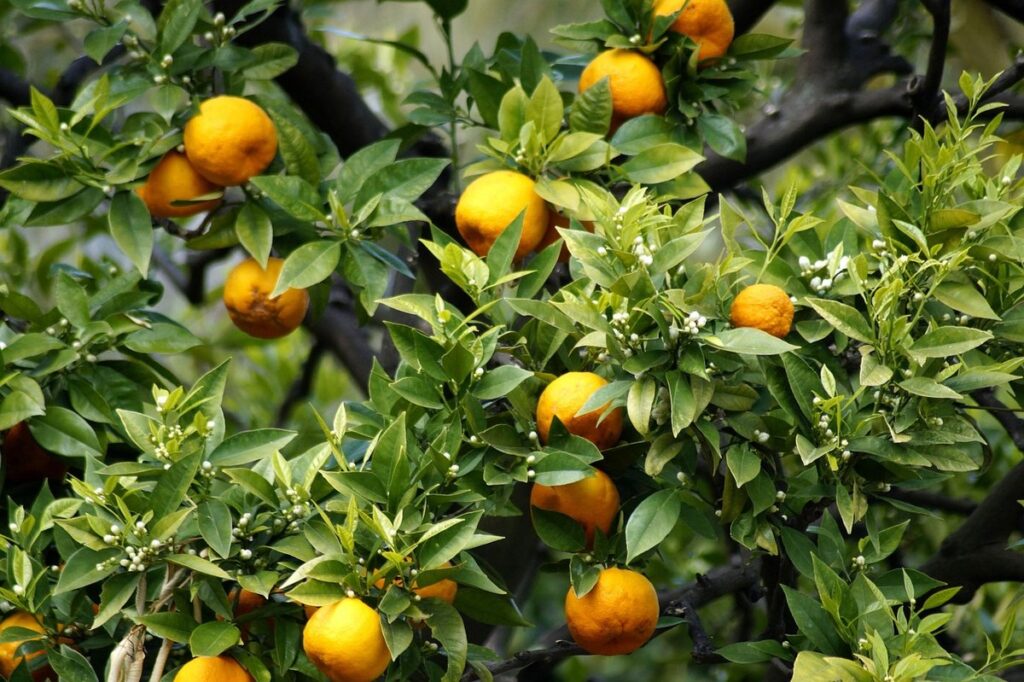
Understanding Citrus Blooms
Now that you know what makes citrus blossoms so special, let’s dive deeper into understanding the unique characteristics of these gorgeous blooms.
The Importance of Pollination
Pollinators are the unsung heroes of citrus tree reproduction. Without them, our beloved oranges, lemons, and limes wouldn’t be able to produce fruit. Bees, butterflies, moths, and even birds all play a vital role in helping citrus trees pollinate.
Bees are perhaps the most important pollinators for citrus trees. They visit flowers in search of nectar and inadvertently pick up pollen from one flower and deposit it onto another, allowing fertilization to occur. In fact, it’s estimated that bees contribute to around 75% of citrus fruit production worldwide.
To encourage these beneficial insects to visit your citrus tree blooms, make sure to plant a diverse range of flowers that are rich in nectar and pollen nearby. This will provide them with the resources they need to thrive. You can also create a bee-friendly environment by avoiding the use of pesticides and maintaining a clean water source for them.
By supporting these tiny pollinators, you’ll be rewarded with an abundance of delicious citrus fruits. So next time you’re admiring your tree’s blooms, take a moment to appreciate the hard work of these tiny heroes!
Factors Influencing Bloom Times
As you nurture your citrus trees, understanding the factors that influence their bloom times is crucial to coaxing those beautiful flowers out. Temperature plays a significant role – most citrus varieties require temperatures between 64°F and 75°F (18°C to 24°C) to initiate blooming. In warmer climates, cool winters or unusually hot summers can affect bloom timing.
Daylight hours also impact the blooming cycle. As daylight hours increase in spring, citrus trees begin to produce more growth hormones, triggering flower buds to develop. Conversely, shorter days in autumn signal the trees to prepare for dormancy, often leading to a decrease in flowering.
Soil quality is another essential factor – well-draining soil rich in organic matter supports healthy root development, which in turn fuels blooming. Avoid over-fertilizing, as this can lead to excessive vegetative growth at the expense of flower production. Regular pruning and providing optimal growing conditions will help ensure your trees bloom on schedule, rewarding you with an abundance of fragrant flowers and juicy fruit.
Types of Citrus Tree Blossoms
As you explore the world of citrus tree blossoms, it’s essential to know that there are several types to look out for, each with its own unique characteristics and beauty.
Orange Blossoms: Fragrance and Flavor
Orange blossoms are one of the most recognizable and revered citrus tree blossoms, renowned for their intoxicating fragrance and versatility. These delicate flowers have been a staple in perfumery for centuries, particularly in classic fragrances like Chanel’s No. 5. Their sweet, heady scent is often used to evoke a sense of nostalgia and romance.
In culinary traditions, orange blossoms are used to add flavor and aroma to various desserts, such as baklava and madeleines. They’re also used to infuse oils, wines, and liqueurs with their distinctive flavor. If you want to try using orange blossoms in cooking or baking, be sure to use the petals only – the white part of the flower – as they contain the most oil and fragrance.
To cultivate orange blossoms for perfumery or culinary purposes, plant your own Satsuma or blood orange tree, which are known for their prolific blooming. Provide full sun, well-draining soil, and regular watering to encourage an abundance of blooms. When harvesting petals, do so in the morning after the dew has evaporated, as this ensures maximum fragrance retention.
Lemon Blossoms: Aromatic Delights
Lemon blossoms are often overlooked, but they’re a true delight. These small, star-shaped flowers are not only visually stunning, but they also offer a unique set of benefits and uses. When it comes to crafting teas and potpourri, lemon blossoms are a popular choice due to their intense citrus scent. Simply dry the blossoms and combine them with other herbs like rose petals or chamomile for a soothing blend.
But the advantages of lemon blossoms don’t stop there. Studies have shown that they contain antioxidants and essential oils, which may contribute to various health benefits when ingested or applied topically. The fragrance of lemon blossoms can also help uplift mood and reduce stress levels. To harness these benefits, try making a lemon blossom tea by steeping the dried flowers in hot water.
In terms of using lemon blossoms in your home, they make for a lovely addition to potpourri blends or sachets. You can also use them to freshen up closets or drawers by placing a few dried blossoms inside. By incorporating lemon blossoms into your daily routine, you may find yourself enjoying the many perks of these delicate flowers.
How to Encourage Citrus Blooms
To encourage those beautiful blooms, you’ll want to focus on providing your citrus tree with the right combination of sunlight, water, and fertilization. A well-balanced routine will go a long way in promoting healthy growth.
Pruning Techniques for Optimal Bloom
Pruning is an essential part of citrus tree care, as it not only maintains a healthy shape but also promotes optimal blooming. When done correctly, pruning can increase fruit production and encourage those stunning white blossoms you’re after.
The best time to prune a citrus tree varies depending on its age and the season. Young trees typically require more frequent pruning to develop a strong structure, while mature trees need less frequent pruning to maintain their shape. For most varieties, spring is the ideal time for pruning, as it allows new growth to occur before the summer heat sets in.
To prune your citrus tree effectively, start by removing any dead or diseased branches. Then, reduce the height of the tree by about one-third to encourage a central leader and promote air circulation. Finally, thin out the canopy to allow sunlight to penetrate, which will help prevent disease and encourage healthy growth.
By pruning regularly and at the right time, you’ll be rewarded with an abundance of juicy fruits and vibrant blossoms that will add beauty and bounty to your garden.
Fertilization Strategies for Abundant Blossoms
When it comes to encouraging citrus tree blossoms, providing nutrient-rich soil is crucial for their overall health and ability to produce an abundance of flowers. A balanced fertilizer that includes nitrogen (N), phosphorus (P), and potassium (K) will support the growth of a robust root system, which in turn promotes healthy blooms. Look for fertilizers specifically labeled as “bloom boosters” or “fruiting agents,” as these are designed to promote flowering and fruit production.
When choosing a fertilizer, also consider the pH level of your soil. Citrus trees prefer slightly acidic conditions between 6.0 and 7.0, so if your soil is too alkaline, adjust it accordingly. Organic options like fish emulsion or bone meal can provide slow-release nutrients that promote root growth without overfertilizing. For example, a balanced citrus fertilizer with an N-P-K ratio of 10-10-10 will support the growth of new leaves and branches while also encouraging blossoms to form.
When applying fertilizers, remember that less is often more. Start with a half-strength solution and gradually increase as needed. This will prevent overfertilization, which can damage roots and reduce blooming potential.
Pests and Diseases Affecting Citrus Blooms
Unfortunately, pests and diseases can also impact your citrus blossoms, causing damage to flowers, trees, and even your family’s health. Let’s explore some common threats to watch out for.
Common Issues and Solutions
When you’re about to witness the breathtaking beauty of citrus tree blossoms, it’s essential to be aware of the common pests and diseases that can target your trees during this delicate period. These threats can not only harm your tree but also reduce its ability to produce flowers, compromising the entire blooming process.
Aphids and whiteflies are two of the most common pests that feed on citrus sap, weakening the tree’s defenses and making it more susceptible to disease. To control these pests, use neem oil or insecticidal soap as a foliar spray. You can also encourage natural predators like ladybugs or lacewings by introducing them into your garden.
Root rot is another significant threat to citrus trees during blooming season, caused primarily by overwatering and poor drainage. This fungal disease can lead to yellowing leaves, stunted growth, and eventually the death of your tree. To prevent root rot, ensure that your tree’s soil drains well, and avoid watering it excessively.
Canker is a bacterial disease that affects citrus trees worldwide, particularly during periods of high humidity and temperatures above 75°F (24°C). It causes lesions on branches and trunks, reducing water transport to the leaves and flowers. To manage canker, prune infected areas immediately and maintain good hygiene practices in your garden.
To prevent these common pests and diseases from wreaking havoc on your citrus tree blossoms, adopt an integrated pest management approach that incorporates organic techniques like crop rotation, physical barriers, and beneficial insects alongside chemical control measures when necessary.
Harvesting and Using Citrus Blossoms
Now that you’ve learned how to identify and care for citrus blossoms, let’s dive into harvesting and using these beautiful blooms in your kitchen and home. We’ll explore creative ways to enjoy their fragrance and beauty.
Fragrance and Flavor Applications
One of the most delightful aspects of citrus tree blossoms is their versatility in fragrance and flavor applications. Not only can they add a touch of elegance to your home, but also infuse your senses with their sweet aroma. Let’s explore some creative ways to utilize these beautiful blooms.
In perfumery, citrus blossoms are highly prized for their unique scent profile, which combines notes of lemon, orange, and rose. You can use dried or fresh flowers to create bespoke fragrances or blends. For a simple DIY project, try making potpourri by mixing dried citrus blossoms with other dried flowers, herbs, and spices, then filling small muslin bags or sachets.
You can also harness the fragrance of citrus blossoms in candle-making. Simply add a few sprigs of fresh flowers to melted wax, or use dried petals as an infusion before pouring the mixture into molds. For a more subtle scent, infuse oil with citrus blossoms by steeping them in a carrier oil like jojoba or sweet almond. This infused oil can be used for skin care, hair treatments, or as a finishing touch for homemade soaps and lotions.
When it comes to cooking, citrus blossoms can add an unparalleled depth of flavor to baked goods, desserts, and beverages. Consider using them in place of traditional citrus zest in recipes like lemon bars, orange cake, or sorbet. You can also make fragrant ice cubes by infusing water with fresh flowers, then freezing the mixture for a refreshing summer treat.
As you experiment with these creative applications, remember to always choose high-quality, organic materials and follow proper preparation techniques to ensure your creations are not only beautiful but also safe for use.
Preserving Citrus Blooms for Future Use
Preserving citrus blossoms allows you to enjoy their beauty and fragrance throughout the year. Drying is one of the most common methods for preserving blooms. To dry citrus blossoms, tie them in small bunches with twine or wire, then hang them upside down in a warm, dry spot. Keep an eye on the temperature; it should be around 70-80°F (21-27°C). It may take several days to a week for the flowers to completely dry.
Another option is freezing. Simply place citrus blossoms in an airtight container or freezer bag and store them in the freezer. Frozen blooms are perfect for making tea or adding fragrance to recipes later on. You can also make candied citrus blossoms, which are beautiful decorations that retain their color and scent. To do this, boil sugar and water to create a syrup, then coat the dried blossoms with it. This method is time-consuming but yields stunning results.
When preserving citrus blooms, be mindful of their delicate nature. Avoid using harsh chemicals or high heat, as these can damage the flowers’ structure and fragrance.
Frequently Asked Questions
What’s the best time to prune citrus trees for optimal blooming?
The ideal time to prune citrus trees for maximum bloom production is immediately after they finish flowering, typically during late winter or early spring. Pruning at this stage encourages new growth and promotes a bountiful next season of blossoms.
How can I attract more pollinators to my citrus tree blooms?
To attract more pollinators, plant a diverse selection of flowers that provide nectar and pollen for various species. Consider incorporating bee-friendly plants like lavender or sunflowers near your citrus trees. Avoid using pesticides, which can harm beneficial insects.
Can I use artificial fragrance enhancers on my citrus blossoms?
Yes, there are natural alternatives to enhance the fragrance of your citrus blooms. Try using essential oils derived from citrus fruits themselves, such as lemon or orange oil, in moderation (about 5-10 drops per gallon of water).
What happens if pests or diseases affect my citrus tree blossoms? Can I salvage them?
Yes. If pests or diseases are present, act quickly to control the issue before it spreads. Remove affected flowers and twigs, and apply organic pest control methods whenever possible. Consider using neem oil or insecticidal soap to address infestations.
How can I preserve citrus blossoms for future use in fragrance applications?
To dry citrus blossoms for preservation, gently tie them in small bunches and hang upside down in a warm, dark place with good air circulation. This will help maintain their natural oils and prevent spoilage. Alternatively, you can use silica gel or desiccants to dry the flowers more rapidly.