
Ladybugs are one of the most recognizable and beloved insects in the world. But have you ever stopped to think about where these little creatures actually call home? From gardens to forests, fields to backyards, ladybugs can be found living almost anywhere. As it turns out, their unique nesting habits and adaptations to different environments make them incredibly resilient and resourceful. In this article, we’ll take a closer look at the secret lives of ladybugs in various natural and man-made habitats. We’ll explore their migration patterns, learn about their favorite places to nest, and discover how they thrive in human-altered landscapes. Whether you’re a seasoned gardener or just curious about these tiny creatures, this article will give you a new appreciation for the fascinating world of ladybugs.
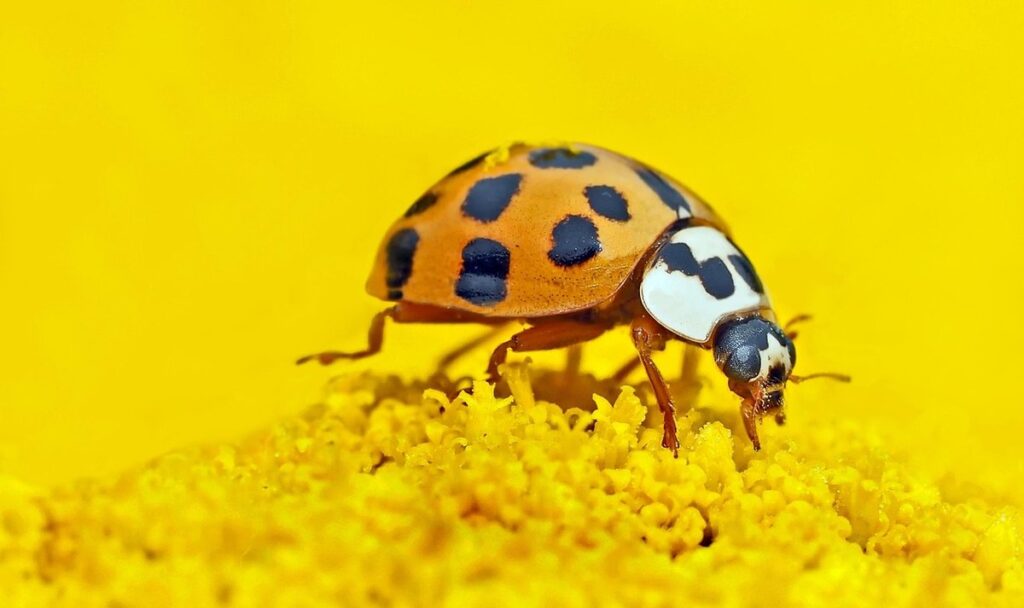
Habitats of Ladybugs
Ladybugs can be found living in a variety of habitats, from gardens and meadows to forests and even backyards. In this section, we’ll explore their favorite homes and hideaways.
Natural Environments
Ladybugs can be found thriving in various natural environments that provide them with essential resources for survival. One of the most common habitats is forests, where they feed on aphids and other soft-bodied insects that live among the foliage. The dense vegetation and tree cover offer protection from predators and extreme weather conditions.
Meadows are another ideal habitat for ladybugs, as they provide a diverse range of flowers, grasses, and herbs that serve as food sources. Ladybugs often congregate around blooming plants to feed on nectar and pollen. Gardens, whether large or small, can also be home to these beneficial insects. Ladybugs are attracted to gardens with a mix of vegetables, fruits, and flowers, which offer a steady supply of aphids and other pests.
These natural environments not only provide ladybugs with food but also protection from harsh weather conditions and predators. To attract ladybugs to your garden or meadow, consider planting a diverse range of plants that are rich in nectar and pollen. This will not only support the local ladybug population but also help maintain a balance between beneficial insects and pest populations.
Man-Made Environments
Ladybugs can thrive in a variety of man-made environments, often unintentionally created by human activities. One such example is parks and green spaces, which provide a haven for ladybug populations due to the presence of diverse plant species and water sources. These areas are usually well-manicured and maintained, offering an ideal environment for ladybugs to feed, lay eggs, and develop.
Greenhouses also support ladybug populations by providing a controlled climate with optimal temperatures and humidity levels. Many greenhouse owners intentionally create ladybug-friendly environments by introducing plants that attract these beneficial insects. This symbiotic relationship benefits both the greenhouse and its inhabitants, as ladybugs prey on pests that can damage crops.
Backyards with gardens are another common habitat for ladybugs. Homeowners who cultivate flowers, herbs, or vegetables can inadvertently support local ladybug populations. By incorporating a variety of plants, including nectar-rich flowers and aphid-infested host plants, gardeners create an environment conducive to ladybug survival and reproduction.
Ladybug Nests and Hibernation Sites
When ladybugs aren’t busy scavenging for food, they find cozy little spots to rest, such as under bark or in hollow plant stems. These hidden retreats are crucial for their survival during winter months.
Ladybug Nesting Habits
When it comes to ladybug nesting habits, these tiny insects have some unique preferences when it comes to finding the perfect home. Ladybugs are often drawn to secluded areas that provide protection from harsh weather conditions and predators. You can find them nesting under rocks, in hollow tree trunks, or even in underground burrows. These hidden spots offer a cozy and safe environment for ladybugs to lay their eggs and care for their young.
The importance of proper nesting sites cannot be overstated when it comes to ladybug survival. A suitable nesting site provides the necessary protection from extreme temperatures, dryness, and other environmental stressors that could harm or even kill them. Ladybugs will often seal themselves within these areas during harsh winters or periods of drought, emerging only when conditions become more favorable.
When creating a ladybug-friendly habitat in your garden or yard, consider providing some potential nesting sites for these beneficial insects. Leave some rocks undisturbed, or create a log pile with hollowed-out logs to provide cozy hiding spots. This will not only attract ladybugs but also other beneficial insects that aid in pest control and ecosystem balance.
Hibernation Sites and Behavior
During the winter months, ladybugs typically hibernate in protected locations that shield them from extreme temperatures. One of their favorite places to snuggle up is underground burrows, such as those created by rodents or rabbits. These cozy hideaways provide a stable temperature and humidity level, allowing ladybugs to conserve energy and survive the harsh winter conditions.
Ladybugs will also often take shelter in protected cavities like hollow tree trunks, rock crevices, or even abandoned insect nests. To prepare for hibernation, ladybugs undergo behavioral adaptations that help them cope with extreme temperatures. For instance, they may cluster together to share body heat and reduce energy expenditure. Some species of ladybugs will even slow down their metabolism to conserve energy, entering a state known as “diapause.” By choosing the right hibernation site and adjusting their behavior accordingly, ladybugs are able to ride out the winter months in comfort and emerge when temperatures rise again.
Ladybug Colonization and Migration
Let’s dive into how ladybugs establish their colonies, including where they tend to migrate to and why, as we explore their fascinating social lives.
Factors Influencing Migration
Ladybug migration patterns are influenced by various factors that determine where they live and thrive. One of the primary drivers of ladybug migration is food availability. Ladybugs primarily feed on aphids, mealybugs, and scale insects, which are abundant in gardens with a diverse range of plants. As these food sources fluctuate in quantity, ladybugs adapt their migration patterns accordingly.
Temperature fluctuations also play a significant role in shaping ladybug migration patterns. Ladybugs are cold-hardy insects that can survive temperatures as low as 40°F (4°C), but they typically thrive in temperatures between 60°F (15°C) and 80°F (27°C). During extreme temperature fluctuations, ladybugs may migrate to areas with more stable temperatures.
Another critical factor influencing ladybug migration is predator avoidance. Ladybugs have a range of defense mechanisms, including their distinctive coloration and ability to release foul-tasting fluids when threatened. However, they still need to avoid predators such as birds, spiders, and other insects. By migrating to areas with fewer predators, ladybugs can increase their chances of survival.
Understanding these factors can help you create a welcoming environment for ladybugs in your garden. Planting a diverse range of flowers that attract beneficial insects can provide food sources for ladybugs. Additionally, providing sheltered spots such as leaf litter or stone piles can offer ladybugs protection from extreme temperatures and predators.
Common Migratory Routes
As we delve into the world of ladybug colonization and migration, it’s essential to explore their common migratory routes. Ladybugs can be found on every continent except Antarctica, with various species exhibiting unique migration patterns. For instance, the Seven-spotted Ladybug (Coccinella septempunctata) is known for its remarkable ability to migrate across vast distances, often traveling up to 1,000 miles in a single season.
Notable examples of successful colonization efforts include the ladybugs’ invasion of North America in the late 19th century. These tiny insects hitched rides on ships and trains, eventually establishing themselves as a dominant species in many regions. On the other hand, humans can inadvertently hinder these migrations by introducing non-native plant species that may not provide the necessary food sources for the ladybugs.
To facilitate ladybug migrations, gardeners and conservationists can create “ladybug-friendly” habitats by planting native flowers and shrubs that provide the essential food sources. By understanding and respecting these migratory routes, we can work towards creating a harmonious coexistence with these beneficial insects.
Human Impact on Ladybug Habitats
Ladybugs are facing threats from human activities that damage their habitats, including deforestation and pollution. Let’s explore how our actions affect these tiny creatures’ homes.
Habitat Destruction and Fragmentation
Habitat destruction and fragmentation are two major concerns when it comes to ladybug habitats. As humans continue to expand our cities and agricultural lands, natural areas like forests and meadows are being cleared at an alarming rate. This not only affects the ladybugs themselves but also has a ripple effect on the entire ecosystem.
When trees are cut down for urbanization or agriculture, ladybugs lose their food sources and shelter. Ladybugs feed on aphids and other small insects that live on plants, so when those plants disappear, ladybugs struggle to find food. Additionally, trees provide ladybugs with protection from harsh weather conditions and predators, making it harder for them to survive without a stable habitat.
The consequences of habitat fragmentation are just as severe. When natural areas are broken up into smaller pieces by roads, buildings, or other human-made structures, ladybugs have difficulty finding their way to food sources, mates, and shelter. This can lead to population decline, reduced genetic diversity, and even local extinctions.
Conservation Efforts
As we explore the world of ladybug habitats, it’s essential to acknowledge the impact human activities have on their populations. Fortunately, conservation efforts are underway to protect these beneficial insects and their ecosystems.
One significant initiative is habitat restoration projects. For example, the Lady Bird Johnson Wildflower Center in Texas has launched a program to restore native habitats for ladybugs and other pollinators. By replanting native species and reducing pesticide use, they’re creating welcoming environments for these insects.
Community involvement plays a vital role in conservation efforts. You can contribute by adopting sustainable agriculture practices on your own land or in your community garden. This may involve incorporating companion planting, where beneficial plants are grown alongside those that attract ladybugs.
Moreover, you can participate in local citizen science projects, such as monitoring ladybug populations and reporting sightings to researchers. Every small action counts in safeguarding the future of these incredible insects. By working together, we can create a more hospitable environment for ladybugs to thrive in their natural habitats.
Ladybug Adaptations to Human-Altered Environments
Ladybugs have adapted surprisingly well to human-altered environments, finding ways to thrive in our backyards, parks, and even cities. Let’s take a closer look at how they’ve adjusted their lives to fit our modern world.
Behavioral Adaptations
Ladybugs have proven to be incredibly resilient and adaptable creatures, able to thrive in even the most human-altered environments. One of the key ways they adapt is by exploiting food sources in unexpected places. For instance, urban gardens are a haven for ladybugs, providing them with an abundance of aphids and other pests to feed on. In fact, studies have shown that urban gardens can support larger populations of ladybugs than natural areas, as the dense vegetation provides shelter and protection from predators.
Ladybugs have also modified their migration patterns in response to human activity. Rather than migrating long distances between summer and winter habitats, many ladybug species now remain active year-round in warmer climates. This is particularly evident in regions with mild winters, where ladybugs can be spotted flying around gardens and parks even during the colder months.
By adapting their behavior in these ways, ladybugs are able to not only survive but thrive in human-altered environments.
Physiological Adaptations
Ladybugs have evolved remarkable physiological adaptations that enable them to thrive in human-altered environments. One of their most impressive adaptations is their ability to regulate body temperature. Unlike mammals and birds, ladybugs don’t need to warm up before flying or foraging. Instead, they rely on their natural bodily processes to generate heat. This means that even on chilly days, ladybugs can quickly adjust their metabolism to produce warmth, allowing them to maintain optimal activity levels.
Ladybugs also possess remarkable water-conserving mechanisms. They have a waxy coating on their bodies that prevents moisture loss and helps retain internal humidity. Additionally, when ladybugs are under stress or facing dehydration, they can slow down their metabolic rate, which reduces their need for water. This unique adaptation allows them to survive in environments with limited water availability.
In areas with extreme temperatures or dry conditions, it’s essential to provide sheltered habitats that mimic natural environments. By creating a balanced ecosystem, complete with food sources and suitable hiding spots, you can attract and support local ladybug populations.
Frequently Asked Questions
Can I attract ladybugs to my garden if it’s not naturally infested?
Yes, you can create a welcoming environment for ladybugs by planting flowers that are rich in nectar, such as sunflowers and zinnias, which will provide them with an energy source. Also, avoid using pesticides, as they can harm or kill ladybugs. By creating a diverse and pesticide-free garden, you’ll increase the chances of attracting these beneficial insects.
How do I know if my backyard is a suitable habitat for ladybugs?
Ladybugs thrive in areas with dense vegetation, such as shrubs, trees, and flowers, which provide them with shelter from predators and harsh weather conditions. If your backyard has at least some trees or shrubs, it’s likely to be a suitable habitat for ladybugs. You can also consider adding native plants that are known to attract these insects.
Can I keep ladybugs as pets?
While it might seem tempting to keep ladybugs in captivity, they have complex social and spatial needs that are difficult to replicate in a home environment. Ladybugs also go through stages of development, including hibernation, which requires specific conditions that are hard to provide. It’s best to appreciate them in their natural habitat or create a welcoming environment for them in your garden.
How do I protect ladybug habitats from extreme weather events?
Ladybugs can be sensitive to extreme temperatures and weather conditions, such as heavy rainfall or droughts. To protect their habitats, you can plant native vegetation that is more resilient to these conditions, or add mulch to soil to retain moisture during dry periods. Also, avoid using invasive species, which can displace native plants and harm the ecosystem.
Can I use ladybugs for biological control in my garden?
Yes, ladybugs are natural predators of aphids and other soft-bodied insects that can damage your plants. You can introduce them to your garden through a process called “biological control,” where you release them near areas with aphid infestations. This method is more sustainable than using pesticides, as it promotes a balanced ecosystem and reduces the risk of chemical residues on your crops.