
Papaya trees are often prized for their delicious fruit, but few gardeners know that these tropical beauties also produce stunning flowers. If you’re growing papayas and want to promote healthy blooming in your tree, you’ve come to the right place. Understanding how to optimize conditions for flowering is crucial, as it can significantly impact fruit production.
In this article, we’ll delve into the world of papaya tree flowers, covering everything from their unique flowering habits to common issues that might be affecting your tree’s blooming abilities. We’ll discuss how to create an ideal environment for healthy growth and flowering, including tips on light, water, and nutrients. By the end of this article, you’ll have a better understanding of what it takes to encourage your papaya tree to produce vibrant flowers and eventually, juicy fruit.
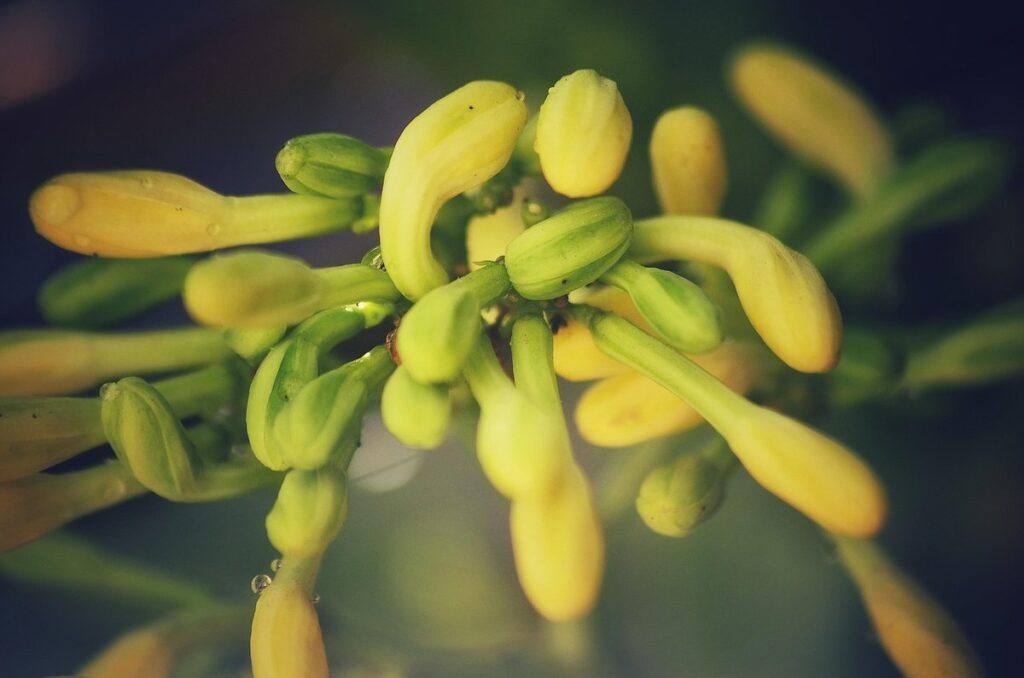
Understanding Papaya Tree Flowering Habits
When it comes to papaya tree flowering habits, one of the most crucial things to understand is how they produce flowers and fruit. This process is vital for a healthy and productive tree.
When Do Papaya Trees Typically Bloom?
When it comes to understanding when papaya trees typically bloom, it’s essential to consider their growth stage and environmental factors. Papaya trees usually start producing flowers within the first year of growth, but this can vary depending on the specific conditions they’re exposed to.
In ideal climates with optimal temperatures between 64°F and 90°F (18°C and 32°C), papaya trees can bloom as early as six months after planting. However, if your tree is grown in a cooler or warmer climate, it may take longer for the first flowers to appear.
To encourage blooming, ensure your papaya tree receives sufficient sunlight, water, and nutrients. Pruning practices can also impact flowering frequency – removing lower leaves can promote more upper growth and increase the chances of blooms. Keep in mind that frequent pruning can stress the tree, so it’s crucial to balance pruning needs with the overall health of your plant.
By understanding these factors, you can create an environment conducive to papaya blooming and potentially enjoy multiple harvests throughout the year.
Factors Influencing Papaya Tree Blooming
The papaya tree’s flowering habits can be significantly influenced by various environmental and nutritional factors. Temperature plays a crucial role in inducing blooming, with optimal temperatures ranging from 64°F to 90°F (18°C to 32°C). Papaya trees grown in regions with cooler temperatures may not bloom as frequently or profusely.
Humidity levels also impact the tree’s flowering habits. Papayas thrive in humid environments, typically above 50% relative humidity. However, consistently high humidity can lead to fungal diseases and pest issues. Light exposure is another critical factor; papaya trees require full sun to partial shade for optimal growth and blooming.
Nutrient availability also affects papaya flowering. A balanced diet rich in essential nutrients such as nitrogen, phosphorus, and potassium promotes healthy growth and encourages blooming. Deficiencies in these nutrients can result in reduced flower production or no flowers at all.
To optimize your papaya tree’s flowering habits, ensure it receives the right temperature, humidity, and light exposure. Regularly fertilize your tree with a balanced fertilizer to provide essential nutrients. This will promote healthy growth and encourage blooming throughout the year.
Identifying Papaya Tree Flowers and Fruits
Now that you know how to identify your papaya tree’s blooms, let’s take a closer look at the flowers and fruits themselves to ensure you’re getting the most from your plant.
Visual Identification of Male and Female Flowers
When it comes to identifying papaya tree flowers, one of the key differences between male and female flowers lies in their physical appearance. Male flowers are typically smaller than their female counterparts, measuring around 1-2 inches in diameter. They have a more prominent anther, which is the pollen-producing part of the flower, giving them a distinctive shape.
In contrast, female flowers are larger, often reaching diameters of up to 3 inches or more. A key feature of female papaya tree flowers is their central ovary, which is the swelling at the base of the flower that contains the ovules. This ovary is usually slightly indented and has a soft, white color.
To visually identify male and female papaya tree flowers, look for these distinct characteristics: smaller size in males, larger size in females, and the prominent anther in males versus the central ovary in females. With practice, you’ll become proficient at distinguishing between the two, making it easier to plan for cross-pollination or even propagate new plants.
Understanding the Role of Each Flower Type
Male papaya flowers play a crucial role in facilitating pollination and contributing to fruit production. These flowers are typically smaller than their female counterparts and have thin, thread-like filaments that produce abundant amounts of pollen. As the male flowers release their pollen, it is carried by wind or insects like bees, wasps, and butterflies to nearby female flowers.
The pollen then germinates on the stigma of the female flower, allowing fertilization to occur. This process typically takes place within 24-48 hours after pollination. It’s essential for growers to ensure that male flowers are present in sufficient numbers near the female flowers, as this increases the chances of successful pollination and subsequent fruiting.
To maximize pollination, growers can encourage the growth of male flowers by providing adequate nutrients, maintaining optimal temperatures, and pruning the tree regularly to promote air circulation. By understanding the role of male papaya flowers, growers can take steps to create a conducive environment for effective pollination, ultimately leading to a bountiful harvest.
Papaya Tree Pollination and Fertilization
Papaya trees are self-pollinating, but a little extra help from bees and other pollinators can lead to more bountiful fruit production. This is how it works.
The Importance of Bees and Other Pollinators
When it comes to papaya tree flowers, pollination is a critical process that ensures the reproduction of the plant. Bees and other pollinators play a vital role in this process by transferring pollen from male to female flowers, facilitating fertilization. In fact, research suggests that about 1/3 of all crops worldwide rely on animal pollinators like bees for successful reproduction.
Without these pollinators, papaya trees would struggle to produce fruit. In the absence of natural pollination, farmers often resort to manual pollination techniques, which can be time-consuming and labor-intensive. To attract more pollinators to your papaya tree, consider planting a diverse range of flowers that provide nectar and pollen for them to feed on.
Some examples of pollinator-friendly plants include sunflowers, lavender, and zinnias. By incorporating these into your garden or orchard, you can create a thriving ecosystem that supports both the growth of your papaya trees and the local pollinator population.
Factors Affecting Pollination Efficiency
Pollination efficiency can be significantly affected by various environmental factors. For instance, wind direction plays a crucial role in transferring pollen between papaya flowers. A gentle breeze from the east or west is ideal for effective pollination, as it allows pollen grains to travel freely without being disrupted by strong gusts.
Temperature fluctuations also impact pollination. Papaya flowers thrive in temperatures ranging from 64°F to 90°F (18°C to 32°C). Temperatures above 95°F (35°C) or below 55°F (13°C) can reduce pollination efficiency, while extreme temperatures may even cause flower drop. Maintaining a stable temperature within this range ensures optimal pollen release and receptivity.
Humidity levels are another critical factor in papaya pollination. High humidity, typically above 60%, facilitates pollen germination and tube growth, allowing for successful fertilization. Conversely, low humidity can lead to poor pollination efficiency, resulting in reduced fruit set and lower yields. By monitoring and controlling environmental conditions, gardeners can enhance pollination efficiency and promote healthy papaya tree growth.
Papaya Tree Flower Care and Maintenance
To keep your papaya tree blooming beautifully, proper flower care and maintenance are crucial to ensure a bountiful harvest of delicious fruit. We’ll walk you through essential tips.
Pruning for Optimal Blooming
Pruning for optimal blooming is a crucial aspect of papaya tree flower care. Removing weak or damaged branches not only promotes healthy growth but also encourages blooming. When pruning, make sure to remove any dead, diseased, or damaged wood as soon as possible to prevent the spread of disease and encourage new growth.
To prune your papaya tree for optimal blooming, follow these steps:
* Inspect the tree regularly to identify weak or damaged branches
* Remove any crossing branches that may be rubbing against each other
* Cut back any leggy branches to maintain a balanced shape
* Thin out the center of the tree to allow more sunlight to reach the inner branches
By pruning your papaya tree regularly, you can promote healthy growth and encourage blooming. It’s essential to prune at the right time – usually during the dormant season or after the fruiting season has ended. This will help minimize stress on the tree and promote new growth.
Remember to always use clean and sharp pruning tools to prevent spreading disease. With proper pruning techniques, you can enjoy a bountiful harvest of papaya flowers and fruits.
Fertilization Practices for Enhanced Blooming
When it comes to promoting optimal blooming and overall health in papaya trees, fertilization is one of the most critical practices to get right. A balanced diet rich in essential nutrients helps support healthy growth, robust root development, and ultimately, an abundance of vibrant flowers.
Papaya trees require a fertilizer with a balanced NPK ratio – nitrogen (N), phosphorus (P), and potassium (K). Aim for a mix that provides 10-10-20 or 15-30-15 for optimal results. Organic fertilizers like fish emulsion, bone meal, or compost work wonders in providing essential micronutrients.
To ensure your papaya tree receives the nutrients it needs, consider the following tips:
* Apply fertilizers during the growing season (spring and summer) when papaya trees are actively producing new growth
* Dilute concentrated fertilizers to avoid burning the roots
* Side-dress with calcium or magnesium if you notice leaf yellowing or flower drop
By incorporating these best practices into your papaya tree care routine, you’ll set your tree up for optimal blooming success.
Common Issues Affecting Papaya Tree Flowering
As a papaya tree owner, you might encounter some challenges that affect your tree’s flowering, including nutrient deficiencies and environmental stressors. Let’s explore these common issues together.
Pests and Diseases Impacting Papaya Trees
When it comes to papaya tree flowering, pest and disease issues can be significant concerns. Papaya trees are susceptible to various pests that can harm the flowers, including aphids, whiteflies, and spider mites. These tiny insects feed on the sap of the plant, causing damage to the leaves and flowers. Whiteflies, in particular, can transmit diseases like papaya mosaic virus, which can devastate a crop.
Fungal infections are another major concern for papaya trees. Diseases such as anthracnose, powdery mildew, and root rot can affect the flowers and overall health of the tree. Fungal diseases often thrive in warm, humid environments, making tropical regions ideal breeding grounds. Regular monitoring and maintenance practices can help prevent these issues.
To manage pest and disease problems, it’s essential to maintain a clean growing environment. Remove weeds that can harbor pests or diseases, and ensure good air circulation around the trees. Regularly inspect your papaya plants for signs of infestation or infection, and take prompt action if you notice any damage. Implement integrated pest management techniques, such as introducing beneficial insects like ladybugs or lacewings to control aphid populations.
Additionally, practice good hygiene by disinfecting pruning tools between cuts, and avoid overwatering, which can exacerbate root rot issues. By being proactive and vigilant, you can minimize the impact of pests and diseases on your papaya tree flowers.
Environmental Stressors Affecting Blooming
Environmental stressors such as drought, extreme temperatures, and poor soil quality can significantly impact papaya tree blooming. Drought conditions can cause stress to the plant, leading to a decrease in flower production and quality. Papaya trees require consistent moisture, especially when they’re producing flowers. In areas with low rainfall, farmers often resort to irrigation systems to maintain optimal water levels.
Extreme temperatures, either too high or too low, can also hinder blooming. Papaya trees thrive in temperatures between 64°F to 90°F (18°C to 32°C). Temperatures above 100°F (38°C) can cause flower drop and reduce fruit set, while prolonged exposure to frost can kill the tree altogether.
Soil quality issues such as nutrient deficiencies or toxic substances can also affect blooming. Papaya trees require a balanced diet of nutrients, including nitrogen, potassium, and magnesium. A soil test can help identify any potential problems and guide corrective measures. By addressing environmental stressors, papaya farmers can improve flower production and overall tree health.
Encouraging Year-Round Papaya Tree Flowering
To encourage your papaya tree to flower all year round, it’s essential to provide optimal growing conditions and avoid common mistakes that can cause flowering to stop. With these tips, you’ll be on your way to a bountiful harvest.
Strategies for Continuous Blooming
To achieve continuous blooming on your papaya tree, it’s essential to implement regular pruning practices. Prune your tree during its dormant season, typically between January and March, to encourage new growth and promote blooming. Remove any weak or damaged branches, as well as those growing towards the center of the tree, allowing more sunlight to reach the outer branches.
Fertilization is another critical factor in encouraging year-round blooming. Use a balanced fertilizer with a ratio of 10-10-10 (nitrogen-phosphorus-potassium) during the growing season, which typically spans from March to October. This will provide your tree with the necessary nutrients for healthy growth and flowering. Additionally, incorporate organic matter like compost or manure into the soil to improve its fertility.
Effective pest management is also vital in maintaining a blooming papaya tree. Regularly inspect your tree for signs of pests like mealybugs, scale insects, and spider mites, and treat any infestations promptly. By implementing these strategies, you can create an environment conducive to year-round flowering on your papaya tree.
Optimizing Growing Conditions for Enhanced Blooming
Providing your papaya tree with optimal growing conditions is essential for promoting healthy blooming. Adequate light exposure is crucial, as it stimulates the tree’s reproductive cycle and encourages flower production. Papaya trees thrive in full sun to partial shade, receiving at least 6 hours of direct sunlight daily. However, be cautious not to expose your tree to extreme temperatures, which can lead to stress and reduced blooming.
Consistent temperatures also play a significant role in promoting healthy blooming. Papaya trees prefer temperatures between 64°F (18°C) and 90°F (32°C). Avoid placing your tree near drafts or air conditioning vents, as sudden temperature fluctuations can hinder blooming.
Maintaining well-draining soil is equally important for optimal growth and blooming. A mix of compost, perlite, and peat moss provides excellent drainage while retaining moisture. Regularly check the soil’s pH level, ensuring it remains between 5.5 and 6.5, ideal for papaya tree growth.
By providing your papaya tree with optimal growing conditions, you’ll set the stage for a bountiful harvest of fragrant flowers and delicious fruit.
Frequently Asked Questions
How Often Should I Fertilize My Papaya Tree for Optimal Blooming?
Fertilization is crucial for papaya tree blooming, but over-fertilizing can be detrimental. For optimal results, fertilize your papaya tree 2-3 times a year with a balanced fertilizer. It’s also essential to adjust the frequency based on your tree’s specific needs and growth stage.
Can I Grow Papaya Trees in Containers, and Will They Still Bloom?
Yes, papaya trees can thrive in containers if given proper care. When growing in pots, ensure the container is at least 14-16 inches deep to accommodate the taproot. Regularly check the soil moisture and fertilize accordingly. With optimal conditions, your papaya tree will still produce stunning flowers.
How Do I Identify the Sex of Papaya Tree Flowers?
Male and female papaya tree flowers are usually present on the same plant, but they’re distinct in appearance. Male flowers have no pistils and a prominent stamen cluster, while female flowers have a small ovary below the stigma. Observing these differences will help you determine which flowers to pollinate.
What Are Some Common Pests or Diseases Affecting Papaya Tree Flowering?
Common pests like aphids, whiteflies, and spider mites can harm papaya tree flowering. Regularly inspect your plant for signs of infestation and take action promptly if necessary. Also, be aware of fungal diseases such as powdery mildew, which can impact blooming.
Can Papaya Trees Be Pruned to Encourage Continuous Blooming?
Yes, pruning is an effective way to promote continuous papaya tree flowering. Remove any dead or weak growth during the dormant season, and maintain a balanced canopy by cutting back overgrown branches. This will encourage healthy growth and stimulate new blooms throughout the year.