
Are you ready to dive into the world of one of the most fascinating and nutritious fruits out there? Prickly pear cactus fruit, also known as tunas or nopales, has been a staple in many desert cultures for centuries. Not only is it packed with vitamins, minerals, and antioxidants, but it’s also incredibly versatile – making it a game-changer for health enthusiasts and foodies alike! From its rich history to its impressive list of benefits, from culinary uses to wellness advantages, we’re about to take an in-depth look at the wonderful world of prickly pear cactus fruit. In this article, we’ll explore everything you need to know about this incredible superfood, including its health benefits, cooking methods, and ways to incorporate it into your daily life – get ready to discover why prickly pear is a nutrient powerhouse!
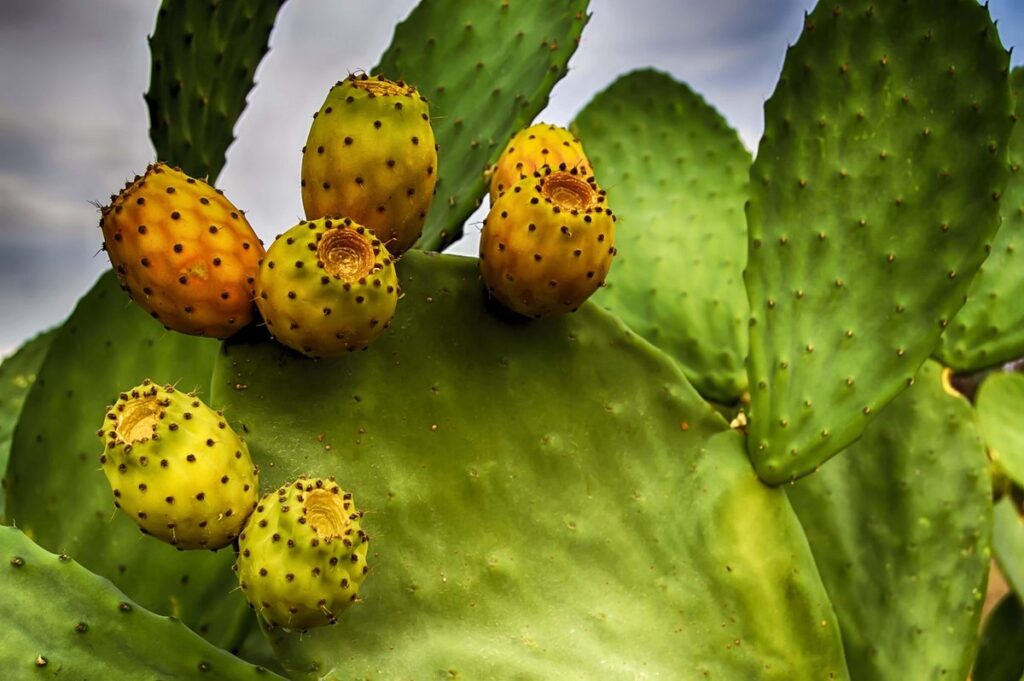
Introduction to Prickly Pear Cactus Fruit
You’re probably wondering where to start when it comes to exploring the unique and fascinating world of prickly pear cactus fruit. Let’s begin by looking at its characteristics and uses.
What is Prickly Pear Cactus Fruit?
Prickly pear cactus fruit is a type of edible fruit that comes from the Opuntia spp. genus, which comprises over 200 species of prickly pear cacti. This remarkable fruit has been consumed for centuries by various cultures around the world, particularly in the Americas and Africa. Native to the Americas, prickly pear cactus fruits are rich in nutrients and offer a sweet, tangy taste experience.
The Opuntia spp. genus includes species such as Opuntia engelmannii, Opuntia ficus-indica, and Opuntia streptacantha, among others. These species of prickly pear cacti produce edible fruits that range from red to purple in color and have a sweet, slightly acidic taste. To prepare prickly pear cactus fruit for consumption, it’s essential to carefully remove the spines and glochids (small, hair-like spines) using gloves or a specialized tool. This process can be time-consuming but yields a refreshing and nutritious snack. Prickly pear cactus fruits are rich in antioxidants, vitamins A and C, potassium, and dietary fiber, making them an excellent choice for those seeking healthy snacking options.
History and Cultural Significance
Prickly pear cactus fruit has been a staple in many cultures for centuries. In traditional medicine, it was used to treat a range of ailments, from fever and inflammation to skin conditions and even snake bites. The indigenous peoples of the Americas prized its healing properties, while in Europe, it was highly valued as a treatment for various health issues.
In cuisine, prickly pear cactus fruit has been incorporated into a variety of dishes, particularly in Mexican and Southwestern American cooking. It’s used to make jams, jellies, syrups, and even wines. In some cultures, the fruit is eaten raw or cooked, while others use it as an ingredient in savory sauces.
One of the most significant cultural associations with prickly pear cactus fruit is its importance during the Great Depression in the United States. Due to economic hardship, people turned to using this abundant resource for food and medicine. Today, it remains a symbol of resilience and resourcefulness, reflecting the ingenuity and adaptability of those who came before us.
When harvesting or cooking with prickly pear cactus fruit, it’s essential to remember its historical significance and cultural importance. By embracing this versatile ingredient, we not only honor our heritage but also tap into its incredible nutritional benefits and unique flavor profile.
Nutritional Benefits of Prickly Pear Cactus Fruit
Prickly pear cactus fruit is a powerhouse of nutrition, packed with vitamins and minerals that can boost your immune system and provide essential energy. Let’s dive into its impressive nutritional benefits!
Antioxidant Properties and Anti-Inflammatory Effects
Prickly pear cactus fruit is an excellent source of antioxidants and anti-inflammatory compounds. Research has shown that it contains a variety of vitamins, minerals, and polyphenols that contribute to its high antioxidant capacity. A study published in the Journal of Agricultural and Food Chemistry found that prickly pear extract exhibited strong scavenging activity against free radicals, suggesting its potential as an antioxidant-rich food source.
The anti-inflammatory properties of prickly pear cactus fruit are also well-documented. The fruit contains a unique combination of flavonoids and phenolic acids that have been shown to inhibit the production of pro-inflammatory cytokines. This makes it a valuable tool for managing conditions characterized by chronic inflammation, such as arthritis and other autoimmune diseases.
To reap the antioxidant and anti-inflammatory benefits of prickly pear cactus fruit, incorporate it into your diet through smoothies, salads, or jams. You can also consider taking supplements in capsule or powder form, but be sure to consult with a healthcare professional before doing so. With its rich nutritional profile and versatility in culinary applications, prickly pear cactus fruit is an excellent addition to any healthy eating plan.
Mineral-Rich Profile: Potassium, Magnesium, and More
Prickly pear cactus fruit is an excellent source of essential minerals that are vital for maintaining good health. Among its numerous nutritional benefits, the fruit stands out for its richness in potassium, magnesium, and other valuable minerals.
Potassium plays a critical role in maintaining heart health by regulating blood pressure and promoting healthy blood flow. Prickly pear cactus fruit is an excellent source of this essential mineral, with one serving providing up to 15% of the recommended daily intake. This can be particularly beneficial for individuals at risk of cardiovascular disease or those who engage in regular physical activity.
Magnesium is another key mineral found in prickly pear cactus fruit, contributing to bone health and muscle function. A single serving can account for approximately 10% of the recommended magnesium intake, making it an excellent addition to a balanced diet. The fruit also contains other essential minerals like calcium, iron, and zinc, which are vital for overall well-being.
To incorporate prickly pear cactus fruit into your diet, consider adding it to salads or smoothies as a nutritious topping or using its juice in marinades for a boost of flavor and nutrition.
Culinary Uses of Prickly Pear Cactus Fruit
You can use prickly pear cactus fruit in a variety of sweet and savory dishes, from jams and jellies to salads and salsas. Explore these creative culinary ideas and get inspired!
Traditional Mexican and Southwestern American Cuisine
In traditional Mexican and Southwestern American cuisine, prickly pear cactus fruit is a treasured ingredient. One of its most popular uses is in jams and jellies. In Mexico, these sweet spreads are often served alongside traditional breakfast dishes like huevos rancheros. To make your own prickly pear jam, start by pureeing the fruit and mixing it with sugar, water, and a pinch of salt. Bring the mixture to a boil, then reduce heat and let it simmer for 10-15 minutes.
Prickly pear cactus fruit is also a key component in some Southwestern American cocktails. The ‘Cactus Pear’ cocktail, popular in Arizona, combines prickly pear puree with tequila, lime juice, and agave syrup for a refreshing twist on the classic margarita. To incorporate prickly pear into your own mixology experiments, try substituting it for simple syrup or muddling it with mint leaves for added depth.
When working with prickly pear cactus fruit in traditional dishes, remember to wear gloves when handling the fruit to avoid the pesky spines. Also, be aware that some recipes may call for the addition of pectin to help thicken the jam – but you can also use agar agar or gelatin as alternatives.
Modern Recipes and Pairing Suggestions
Prickly pear cactus fruit is incredibly versatile and can be used in a variety of creative recipes. One of its most popular uses is as a jam or jelly topping for toast, yogurt, or even ice cream. To make prickly pear jam, combine the pureed fruit with sugar and pectin, then cook until set.
For those who want to add some heat to their dishes, try pairing prickly pear cactus fruit with spicy ingredients like jalapeños or chipotle peppers in adobo sauce. This combination works well in salsas, sauces, or even as a topping for tacos or grilled meats.
Prickly pear cactus fruit can also be used as a base for refreshing cocktails. Mix the pureed fruit with tequila, lime juice, and agave nectar for a unique twist on the classic margarita. Alternatively, combine prickly pear puree with sparkling water and a squeeze of citrus for a light and fruity spritzer.
Some popular pairing suggestions include combining prickly pear cactus fruit with citrus fruits like lemons or oranges, as well as herbs like mint or basil. You can also try using prickly pear puree as a topping for salads, yogurt parfaits, or even as a filling for cakes and pastries.
Health Benefits Beyond Nutrition
Beyond its impressive nutritional profile, prickly pear cactus fruit has been used for centuries to promote skin health and soothe a variety of ailments naturally. Let’s explore some of these unexpected benefits!
Traditional Medicine: Pain Relief and Digestive Aid
Prickly pear cactus fruit has been used for centuries in traditional medicine to alleviate pain and digestive issues. The Native Americans were among the first to harness its medicinal properties, using it to treat various ailments, including arthritis, gout, and even snake bites.
The fruit’s anti-inflammatory compounds, such as flavonoids and phenolic acids, have been shown to reduce inflammation and ease pain. In fact, studies have demonstrated that prickly pear cactus extract can be just as effective in reducing pain as some over-the-counter pain medications. This makes it an attractive alternative for those looking to manage chronic pain without harsh chemicals.
For digestive issues, prickly pear cactus has been used to treat constipation and diarrhea due to its high mucilage content. Mucilage is a gel-like substance that coats the stomach lining, soothing irritation and inflammation. You can try incorporating dried prickly pear cactus powder into your smoothies or teas to reap these benefits. Some natural health practitioners also recommend consuming the fruit raw as a way to stimulate digestion and prevent constipation.
Potential Anti-Diabetic Properties and Cardiovascular Health
Research has shown that prickly pear cactus fruit may have potential anti-diabetic properties and cardiovascular health benefits. For instance, a study published in the Journal of Medicinal Food found that the extract of prickly pear cactus reduced blood glucose levels in mice with type 2 diabetes. The researchers attributed this effect to the presence of flavonoids and phenolic acids, which are known for their antioxidant and anti-inflammatory properties.
In terms of cardiovascular health, studies suggest that prickly pear cactus may help reduce triglycerides and LDL (bad) cholesterol levels, both of which are risk factors for heart disease. A study published in the Journal of Food Science found that consuming a prickly pear cactus extract lowered triglyceride levels by 21% and LDL cholesterol by 17% in individuals with mild hyperlipidemia. To incorporate prickly pear cactus into your diet for potential cardiovascular benefits, try adding it to salads or using it as a topping for yogurt or oatmeal. Additionally, you can make a prickly pear cactus tea by infusing the dried fruit in hot water and drinking it regularly.
Growing and Harvesting Prickly Pear Cactus Fruit
Now that you have your prickly pear cactus plants thriving, it’s time to learn how to grow and harvest their delicious and nutritious fruit. We’ll cover the best techniques for a bountiful crop in this section.
Tips for Growing Your Own Prickly Pear Cactus Plant
Growing your own prickly pear cactus plant can be a rewarding experience, but it requires attention to detail and proper care. To start, choose a location with full sun and well-draining soil, as these plants prefer dry conditions.
When selecting a cutting or seed, look for one with at least two pads (the flat parts of the cactus), as this will increase your chances of success. Plant the cutting in late spring or early summer, making sure to leave the topmost pad exposed. Water sparingly, allowing the soil to dry completely between waterings.
Common mistakes to avoid include overwatering, which can lead to root rot and kill the plant. Also, be cautious when handling the spines of your cactus, as they can cause injury. By following these care tips and being mindful of potential pitfalls, you’ll be well on your way to growing a thriving prickly pear cactus.
To keep your plant healthy, fertilize lightly during the growing season (spring-fall) with a balanced fertilizer. Prune regularly to maintain shape and encourage fruit production. With proper care, your prickly pear cactus will reward you with delicious and nutritious fruit for years to come.
How to Safely Harvest the Fruits: Avoiding Puncture Wounds
Harvesting prickly pear cactus fruit requires careful attention to avoid puncture wounds from the plant’s spines. To safely harvest the fruit, begin by carefully removing the outer layer of spines from a section of the stem using gloved hands or a specialized tool.
Next, gently twist and pull the fruit away from the stem. Be cautious not to squeeze the fruit, which can cause it to split and expose more of its prickly skin. Once you have removed the fruit, use a soft-bristled brush or a cloth to gently sweep away any remaining spines.
It’s essential to wear protective clothing, including long sleeves, gloves, and safety glasses, when handling prickly pear cactus plants to prevent injury from spines or other sharp edges. If you do accidentally get poked by a spine, clean the affected area with soap and water, and apply an antibiotic ointment to prevent infection.
Remember, patience and caution are key when harvesting prickly pear cactus fruit. By taking your time and using proper techniques, you can enjoy this nutritious and delicious fruit while minimizing the risk of injury.
Preparing and Using Prickly Pear Cactus Fruit in Recipes
Before diving into recipes, let’s get familiar with handling prickly pear cactus fruit safely and learn how to prepare it for cooking. This is crucial for preventing any discomfort or accidents.
Removing the Prickly Coating (Spines)
When handling prickly pear cactus fruit, it’s essential to remove the spines carefully to avoid any discomfort or injury. The most common method of removing the spines is through a process called “slitting,” which involves making shallow cuts along the edges of the fruit.
To slit the prickly pear cactus fruit, hold the fruit firmly and make two diagonal cuts on either side of the flower end. This will allow you to easily peel back the skin and remove the spines. Be cautious not to cut too deeply, as this can cause damage to the fruit’s flesh.
Once you’ve made the incisions, gently peel back the skin in sections, taking care to remove any remaining spines or glochids (small, hair-like spines). You can use a spoon or your fingers to carefully scrape away the spines. Rinse the fruit under cold running water to ensure all spines are removed.
Removing the spines properly is crucial to enjoy prickly pear cactus fruit safely and effectively in your recipes.
Cooking, Jam-Making, and Other Recipe Ideas
Prickly pear cactus fruit is incredibly versatile and can be used in a variety of sweet and savory recipes. One popular use for this fruit is in making jams, preserves, and marmalades. The high pectin content in prickly pear makes it an excellent choice for homemade jams that are firm and spreadable.
To make a simple prickly pear jam, you’ll need 2 cups of pureed cactus fruit, 1 cup of sugar, and 1/4 cup of water. Combine the ingredients in a saucepan and bring to a boil, then reduce heat and simmer for 10-15 minutes or until thickened.
You can also use prickly pear in savory dishes like grilled meats, stews, and soups. For example, you can puree cooked cactus fruit with olive oil, garlic, and herbs to create a delicious sauce for grilled chicken or steak.
Some other recipe ideas include using prickly pear as a topping for yogurt or oatmeal, adding it to smoothies or juices, or making prickly pear ice cream. With its unique flavor and nutritional profile, the possibilities are endless when cooking with prickly pear cactus fruit. Experiment with different recipes and enjoy the benefits of this delicious and nutritious ingredient!
Conclusion: Unlocking the Potential of Prickly Pear Cactus Fruit
Now that you’ve learned how to cultivate, harvest, and enjoy prickly pear cactus fruit, let’s discuss its exciting potential for culinary innovation. We’ll explore some creative ways to incorporate this versatile ingredient into your recipes.
Recap of Key Benefits and Uses
In conclusion to our comprehensive guide on prickly pear cactus fruit, let’s recap the key benefits and uses of this incredible ingredient. As we’ve explored throughout this article, prickly pear cactus fruit is not only a delicious addition to various dishes but also packed with nutrients that can provide numerous health benefits.
From its rich content of vitamins A and C, potassium, and magnesium, to its high antioxidant levels and anti-inflammatory properties, prickly pear cactus fruit has proven itself as an excellent source of natural goodness. Whether you consume it fresh, cooked, or in the form of jams, jellies, or supplements, this versatile fruit is a great way to boost your immune system and support overall well-being.
Incorporating prickly pear cactus fruit into your diet can also help with weight management, improve heart health, and even provide relief from digestive issues. With its mild flavor and adaptability in various recipes, you can easily experiment with new ways to use this nutritious ingredient in your daily meals. So go ahead and unlock the potential of prickly pear cactus fruit – explore its numerous benefits, get creative with recipes, and enjoy the delightful taste and health advantages it has to offer!
Final Thoughts and Future Research Directions
As you’ve learned about the numerous benefits and uses of prickly pear cactus fruit, we hope this comprehensive guide has inspired you to explore more about this fascinating plant. Prickly pear is a true unsung hero, providing an array of possibilities for culinary, medicinal, and environmental applications.
If you’re interested in incorporating prickly pear into your life, there are many ways to do so. Consider experimenting with cooking recipes that feature the fruit’s unique flavor and texture, or explore its potential as a natural remedy for various health issues. You can also support local farmers by purchasing prickly pear products directly from them.
As research continues to uncover the plant’s secrets, we’re likely to discover even more innovative ways to harness its potential. We encourage you to stay up-to-date on the latest developments and share your own experiences with others in the community. Whether you’re a seasoned foodie or simply looking for new health solutions, prickly pear cactus fruit is sure to continue inspiring and nourishing us for years to come.
Frequently Asked Questions
Can I grow prickly pear cactus plants indoors?
Yes, with proper care and a warm environment, you can successfully grow prickly pear cacti indoors. Choose a container that is at least 6-8 inches deep to accommodate the plant’s spreading roots. Provide direct sunlight for 4-6 hours a day, maintain temperatures between 65-75°F (18-24°C), and water sparingly during winter months.
How do I remove the prickly coating from the fruit?
To safely remove the spines from the prickly pear cactus fruit, use tongs or gloves to handle it. Then, peel off the skin using a vegetable peeler or a sharp knife, taking care not to puncture yourself with the remaining spines.
Can I substitute prickly pear cactus fruit in traditional recipes?
While you can experiment with prickly pear cactus fruit in various recipes, its unique flavor and texture may require some adjustments. Start by substituting small amounts of the fruit into your favorite desserts or savory dishes to determine the best ratio for your taste preferences.
Are there any potential side effects from consuming prickly pear cactus fruit?
As with any new food introduction, individuals with sensitive stomachs or allergies should monitor their body’s response to consuming prickly pear cactus fruit. Rarely, some people may experience gastrointestinal discomfort or allergic reactions; however, these instances are typically mild and temporary.
Can I use prickly pear cactus fruit for medicinal purposes?
Prickly pear cactus has been traditionally used in folk medicine for pain relief, digestive issues, and anti-inflammatory effects. However, consult with a healthcare professional before using it as a treatment for any health condition, especially if you have underlying medical conditions or are taking prescription medications.
What is the best way to store prickly pear cactus fruit?
Prickly pear cactus fruit should be stored in an airtight container at room temperature (away from direct sunlight) for up to 5 days. For longer storage, freeze or dehydrate the fruit to preserve its nutritional value and flavor.
Can I use prickly pear cactus juice as a natural dye?
Yes, prickly pear cactus juice can be used as a natural dye due to its rich antioxidant properties and vibrant color. Use it in conjunction with other ingredients to achieve the desired shade for your textile project or culinary creation.