
Milk thistle has been used for centuries in traditional medicine, but its potential benefits extend far beyond historical remedies. This versatile plant is also a prized herb among gardeners and health enthusiasts alike. As you’re about to discover, milk thistle boasts an impressive array of medicinal properties that make it an attractive addition to any herbalist’s arsenal. But what exactly makes this plant so special? In this article, we’ll delve into the history and benefits of milk thistle, exploring its uses in natural medicine and providing a comprehensive guide for growing your own plants. We’ll also cover important safety considerations to help you maximize the medicinal potential of this incredible herb. Whether you’re looking to harness its health benefits or cultivate it in your garden, read on to unlock the secrets of the mighty milk thistle plant.
What is the Milk Thistle Plant?
The milk thistle plant has been used for centuries as a natural remedy, but what exactly makes it so special? Let’s take a closer look at this incredible plant.
History and Origins of the Milk Thistle
Milk thistle has been used for centuries to treat various ailments, with evidence of its medicinal properties dating back to ancient Greece and Rome. The plant is believed to have originated from the Mediterranean region, where it was highly valued for its purported health benefits. In the 18th century, European botanists discovered that milk thistle contained a unique compound called silymarin, which was later isolated as the active component responsible for the plant’s medicinal properties.
For centuries, herbalists and traditional healers have used milk thistle to treat liver and gallbladder disorders, including jaundice, cirrhosis, and hepatitis. The ancient Greeks and Romans are said to have used milk thistle to treat a variety of ailments, from digestive issues to skin conditions. Today, milk thistle is still widely used as a natural remedy for liver support and protection against toxins.
Interestingly, the name “milk thistle” comes from the plant’s ability to induce milk production in lactating women, a property that was highly valued by traditional healers. While there is no scientific evidence to support this claim, it highlights the plant’s long history of use as a medicinal herb. With its rich history and versatility, it’s no wonder milk thistle remains a popular choice for those seeking natural remedies for various health issues.
Botanical Description and Classification
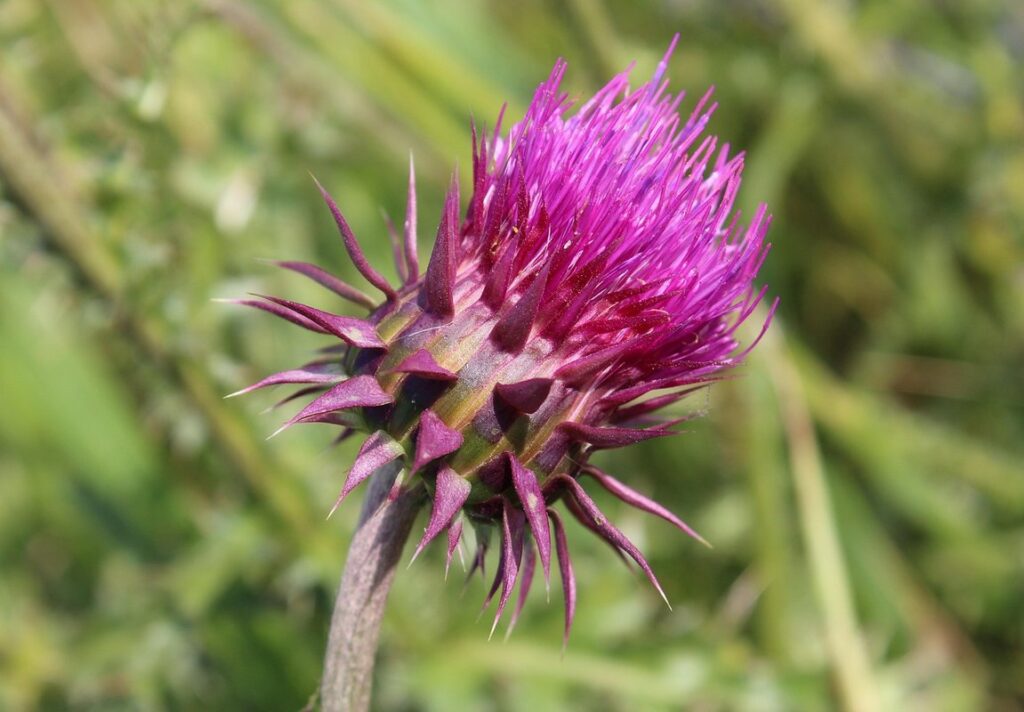
Milk thistle plants are easily recognizable by their large, prickly leaves and tall, slender stems. The leaves themselves can grow up to 12 inches long and have a distinctive shape with five lobes that resemble fingers. They are typically a deep green color on top and lighter underneath, giving the plant a unique sheen in the right lighting conditions.
As part of the asteraceae family, milk thistle plants share some physical characteristics with daisies and sunflowers. However, their distinctive leaves set them apart from other related species. From a botanical standpoint, milk thistle (Silybum marianum) is a biennial plant that typically grows between 2-5 feet tall.
In terms of classification, the milk thistle plant belongs to the subfamily carduoideae and tribe cynareae. This group includes several other plants with similar characteristics, including artichokes and cardoons. As you might expect from its unique appearance, milk thistle has been used for centuries in traditional medicine, most notably to treat liver disease and support overall digestive health.
The plant’s seeds are particularly valued for their medicinal properties, which contain a high concentration of silymarin. This bioactive compound is thought to be responsible for many of the plant’s healing effects, including reducing inflammation and protecting against cell damage.
Benefits and Uses of the Milk Thistle Plant
Let’s dive into the amazing benefits and uses of the milk thistle plant, from its medicinal properties to its versatility in cooking and herbal remedies. You’ll be amazed at all it has to offer!
Liver Protection and Detoxification
Milk thistle has been revered for centuries for its incredible ability to support liver health and facilitate detoxification. At the heart of this remarkable plant is a powerful compound called silymarin, which is responsible for its potent antioxidant and anti-inflammatory properties. When ingested, silymarin works to shield the liver from damage caused by toxins and free radicals, thereby reducing inflammation and promoting optimal liver function.
Research has shown that milk thistle extract can increase glutathione levels in the body – a vital antioxidant that plays a crucial role in detoxification processes. By boosting glutathione production, milk thistle helps to neutralize toxins and heavy metals, allowing the liver to efficiently eliminate waste products. This not only supports overall health but also reduces the risk of chronic diseases like cirrhosis, fatty liver disease, and even some types of cancer.
Incorporating milk thistle into your daily routine is easier than you think – simply add a supplement or consume raw leaf extract as part of a balanced diet. Some herbal teas blend milk thistle with other herbs to enhance its benefits; try pairing it with lemon balm for a soothing and liver-friendly brew.
Antioxidant Properties and Anti-Inflammatory Effects
Milk thistle is renowned for its remarkable antioxidant properties, which enable it to scavenge free radicals and mitigate oxidative stress. This is particularly beneficial for overall health, as chronic exposure to these rogue molecules can lead to cell damage and accelerate the aging process.
One of the key ways milk thistle exerts its antioxidant effects is by activating glutathione S-transferase, an enzyme that helps neutralize harmful toxins. Additionally, its flavonoids – specifically silymarin and silidianin – have been shown to possess potent free radical-scavenging capabilities. This ability to reduce oxidative stress can, in turn, help alleviate a range of conditions, from mild cognitive impairment to chronic diseases like cancer.
In practical terms, consuming milk thistle extract or supplement can provide a natural shield against environmental toxins and internal metabolic byproducts that contribute to oxidative stress. To maximize its antioxidant benefits, it’s essential to maintain a balanced lifestyle, including a nutritious diet rich in fruits, vegetables, whole grains, and healthy fats. Regular physical activity, adequate sleep, and stress management also play critical roles in supporting overall health and immune function.
Potential Benefits for Digestive Health
If you’re struggling with digestive issues such as bloating, gas, or irritable bowel syndrome (IBS), milk thistle may be a natural solution to explore. Research suggests that the plant’s active compound, silymarin, has potent anti-inflammatory properties that can soothe and protect the digestive tract.
One of the key ways milk thistle supports digestive health is by promoting the growth of beneficial gut bacteria. This is achieved through its ability to inhibit the growth of harmful pathogens while nurturing the good stuff – a delicate balance essential for maintaining optimal gut function. Studies have shown that supplementing with milk thistle can lead to increased populations of beneficial bacteria such as Bifidobacterium and Lactobacillus.
As a natural antimicrobial agent, milk thistle helps combat digestive issues by reducing inflammation and repairing damaged tissues in the gastrointestinal tract. This makes it an excellent addition to your natural health arsenal if you’re experiencing digestive woes. Consider incorporating milk thistle into your supplement routine or adding fresh plant leaves to your salads for a nutritional boost.
Growing and Cultivating Milk Thistle
To successfully grow milk thistle, you’ll need to understand its specific needs for sunlight, water, and soil conditions. With the right care, these plants can thrive in your garden.
Climate and Soil Requirements
Milk thistle plants are typically well-suited to areas with full sun to partial shade conditions. While they can tolerate some shade, they generally thrive best when receiving at least 4-6 hours of direct sunlight per day. This is particularly important for optimal growth and development.
When it comes to the soil itself, milk thistle has a preference for well-drained ground that’s rich in nutrients. Aim for a slightly acidic to neutral pH range between 6.0 and 7.5. Avoid areas with standing water or poorly draining soils as this can lead to root rot and other issues.
If you’re planting in containers, choose a potting mix specifically designed for Mediterranean plants like milk thistle. This will help ensure the right balance of nutrients and drainage. In garden beds, you can amend your soil with organic matter such as compost to achieve the desired pH and nutrient levels. Regular watering is also crucial – keep the soil consistently moist but not waterlogged.
Some gardeners also successfully grow milk thistle in areas with cooler temperatures, where it may be necessary to provide protection from frost. However, in warmer climates, regular irrigation will help prevent scorching due to intense heat.
Propagation Methods and Timing
Milk thistle can be successfully propagated using either seeds or division, depending on the desired outcome. Seeds are a more straightforward method and provide a quicker route to establishing new plants. They should be sown directly into well-draining soil in late winter to early spring, as soon as the ground is workable, and after the last frost of the season.
For optimal germination, seeds should be about 1/4 inch deep and spaced around 6-8 inches apart. Keep the soil consistently moist during this time but avoid overwatering, which can lead to rot and poor establishment. Seeds typically germinate within 2-3 weeks and mature plants will reach full height in around 60 days.
Division is a more labor-intensive method that involves splitting established plants to create new ones. This technique is ideal for those who want to propagate specific cultivars or preserve the genetic traits of their existing milk thistle plants.
Common Pests and Diseases
Milk thistle is generally a hardy plant that can tolerate some pests and diseases. However, it’s not immune to common issues that can affect its growth and overall health. Some of the most common pests and diseases that you may encounter when growing milk thistle include:
Aphids are one of the most common pests that attack milk thistle plants. These small insects feed on plant sap, which can weaken the plant and make it more susceptible to disease. To control aphid infestations, use neem oil or insecticidal soap to spray the affected areas.
Fungal diseases such as rust and leaf spot are also prevalent in milk thistle plants. These diseases thrive in moist environments and can be managed by improving air circulation around the plant. Regularly removing any infected leaves or stems can help prevent the spread of these diseases.
Powdery mildew is another fungal disease that can affect milk thistle, especially during periods of high humidity. To control powdery mildew, use fungicides specifically designed for this type of disease and make sure to follow all safety precautions when applying them.
Preparations and Forms of Milk Thistle
Before you start using milk thistle, it’s essential to understand how to properly prepare its extracts and what forms they come in. We’ll cover the basics here so you can make informed choices.
Supplements and Capsules
When it comes to incorporating milk thistle into your daily routine, supplements and capsules are two of the most popular forms. These convenient preparations can be easily added to your existing regimen without requiring extensive knowledge about cooking or brewing herbs.
Capsules, in particular, have gained popularity due to their ease of use and discretion. They contain a standardized extract of silymarin, the active compound responsible for milk thistle’s medicinal properties. This makes it easier to achieve a precise dosage, which is essential when using supplements.
However, some drawbacks should be considered: quality can vary significantly between brands, and excessive intake may lead to stomach upset or allergic reactions. To minimize risks, opt for reputable manufacturers that adhere to Good Manufacturing Practices (GMPs) and follow the recommended dosages carefully.
When choosing a supplement, look for products with clear labeling of their silymarin content and ensure it’s made from high-quality milk thistle extract. Always consult with a healthcare professional before adding any new supplement to your regimen, especially if you’re already taking medications or have pre-existing health conditions.
Teas and Infusions
To enjoy the potential benefits of milk thistle, you can make a tea or infusion by steeping its leaves and flowers in hot water. Start by gathering fresh or dried milk thistle leaves and flowers, as these are rich in silymarin, the active compound responsible for its medicinal properties. Use one to two teaspoons of plant material per cup of boiling water, and let it steep for 5-10 minutes.
The potential benefits of milk thistle tea include supporting liver health, reducing inflammation, and acting as an antioxidant. Some people use it to alleviate symptoms of hepatitis, cirrhosis, or even fatty liver disease. However, it’s essential to be aware that large doses can cause gastrointestinal upset, including nausea, diarrhea, and stomach cramps.
When making milk thistle tea, it’s recommended to consume small amounts initially to assess your tolerance. Also, note that pregnant women, breastfeeding mothers, and people with allergies should consult their healthcare provider before using milk thistle as a treatment. As with any herbal remedy, quality matters; choose organic, fresh plant material for the best results.
Side Effects, Interactions, and Contraindications
When using milk thistle, it’s essential to be aware of potential side effects, interactions with medications, and situations where it may not be suitable for use. These considerations are crucial for safe and effective herbalism.
Common Side Effects and Allergic Reactions
While milk thistle is generally considered safe for use, there are some common side effects and allergic reactions to be aware of. Digestive upset is one of the most frequently reported issues, with symptoms such as nausea, diarrhea, and stomach pain occurring in a small percentage of users. This is often due to an individual’s sensitivity to the silymarin content found in milk thistle.
In rare cases, users may experience skin rashes or allergic reactions after consuming milk thistle supplements. If you notice any unusual symptoms such as itching, redness, or hives after taking milk thistle, discontinue use immediately and consult a healthcare professional. To minimize the risk of side effects, start with a low dose (200-250 mg per day) and gradually increase as needed.
It’s also essential to note that individuals with allergies to plants in the Asteraceae family (such as ragweed, daisies, or sunflowers) may be more likely to experience allergic reactions when consuming milk thistle. If you have a known allergy to any of these plants, consult your healthcare provider before using milk thistle supplements.
Potential Interactions with Medications
If you’re taking certain medications, it’s essential to be aware of potential interactions with milk thistle. This plant is known for its liver-protecting properties, but it can also affect the way some medications are processed by the body.
For example, if you’re on blood thinners such as warfarin or aspirin, consuming large amounts of milk thistle may increase the risk of bleeding complications. This is because milk thistle’s flavonoids, particularly silymarin, can enhance the effects of these medications and lead to prolonged bleeding times.
Diabetes medications are another concern, especially for those taking oral hypoglycemic agents like metformin or sulfonylureas. Milk thistle may lower blood sugar levels too much when taken with these medications, potentially leading to hypoglycemia (low blood sugar). Consult your healthcare provider before consuming milk thistle if you’re managing diabetes.
To ensure safe use, it’s recommended that you discuss your medication regimen with your doctor or pharmacist before taking milk thistle supplements. This will help you avoid potential interactions and maximize the benefits of this herbal remedy.
Conclusion and Final Thoughts
In conclusion, milk thistle is a versatile and beneficial plant that has been used for centuries in traditional medicine. As we’ve explored its various benefits and uses, it’s clear that this remarkable herb can play a significant role in maintaining overall health and well-being. Whether you’re looking to improve liver function, reduce inflammation, or boost your immune system, milk thistle is definitely worth considering.
As you consider incorporating milk thistle into your life, remember to source high-quality seeds or supplements from reputable suppliers. Additionally, always consult with a healthcare professional before using any new supplement, especially if you have underlying medical conditions or are taking medications. By doing so, you can enjoy the many benefits of this incredible plant while minimizing potential risks. With proper care and attention, milk thistle has the potential to be a valuable addition to your health routine.
Frequently Asked Questions
Can I grow milk thistle indoors, or is it strictly an outdoor plant?
Yes, milk thistle can be grown indoors under controlled conditions. It requires a lot of sunlight, so a south-facing window or a greenhouse would be ideal. However, keep in mind that the plant can grow quite large, so make sure you have enough space to accommodate its mature size.
How do I know if my milk thistle plants are ready for harvest?
Milk thistle is typically ready for harvest when the flower heads turn from green to a dark purple color. You can also check for ripeness by gently tugging on the flowers; they should come off easily. Harvesting at the right time ensures that you get the highest concentration of medicinal compounds.
Can I use milk thistle seeds as a substitute for the leaves and flowers?
Yes, milk thistle seeds are a valuable part of the plant and can be used in teas, infusions, or supplements. However, they have a slightly different chemical composition than the leaves and flowers, so they may not provide exactly the same benefits. It’s best to use them in combination with other parts of the plant for optimal results.
How do I store dried milk thistle leaves and flowers to preserve their potency?
Dried milk thistle leaves and flowers can be stored in a cool, dark place such as a glass container or an airtight jar. Keep them away from direct sunlight and moisture to maintain their medicinal properties. You can also store them in the fridge or freezer for longer-term preservation.
Can I use milk thistle supplements if I have liver disease or other health conditions?
No, it’s essential to consult with a healthcare professional before using milk thistle supplements, especially if you have pre-existing health conditions like liver disease. While milk thistle is generally considered safe, it may interact with certain medications or worsen underlying conditions. Always prioritize your health and safety when considering herbal remedies.