
Are you ready to unlock the secret to growing a thriving paw paw tree? With its unique, tropical flavor and impressive nutritional profile, it’s no wonder why many gardeners are eager to grow their own. However, cultivating a healthy and productive paw paw tree can be a challenge, especially for beginners. That’s why we’ve put together this comprehensive guide to help you navigate the process from selecting the right variety to harvesting your delicious fruit.
In this article, we’ll cover everything you need to know about growing a successful paw paw tree, including tips on planting, care, pruning, pest management, and propagation. By following our expert advice, you’ll be well on your way to enjoying fresh, homegrown paw paw fruit in no time.
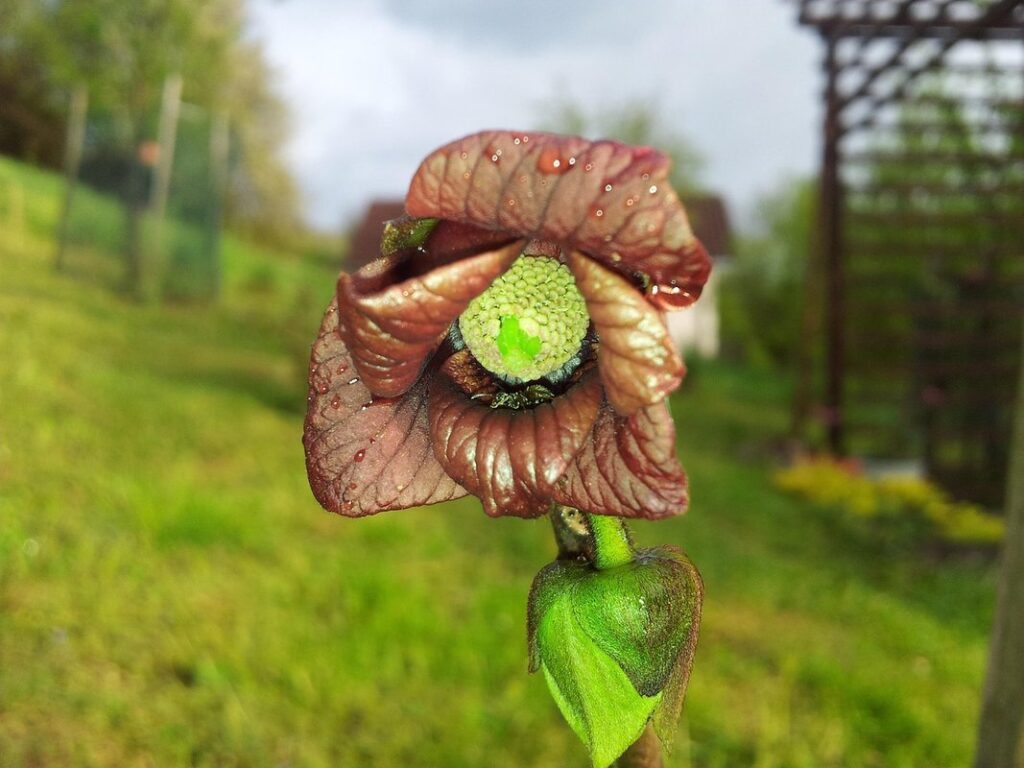
Choosing the Right Variety
When growing a paw paw tree, selecting the right variety is crucial for success. You’ll want to choose a cultivar that suits your climate and desired fruit characteristics.
Understanding Paw Paw Tree Types
When it comes to choosing the right paw paw tree variety, understanding the different types is crucial. There are several species of paw paw trees, but three main ones: Asimina triloba (the most common), Asimina hexamera, and Asimina obovata. Each has its unique characteristics, which can affect how well it thrives in your climate and space.
The Asimina triloba is the most widely cultivated species, known for its large, green leaves and brown fruit. It’s relatively adaptable to different environments but requires a certain level of chill hours (around 200-300) to produce fruit. The Asimina hexamera, on the other hand, prefers warmer climates with high humidity and produces smaller fruits.
If you have limited space, consider growing dwarf or compact varieties like ‘Sunflower’ or ‘Overland’. These types are bred specifically for container growth and require less maintenance. Ultimately, choose a variety that suits your climate, available space, and personal preferences. Be sure to research the specific needs of each variety to ensure success in your garden.
Selecting Healthy Nursery Stock
When selecting nursery stock for your paw paw tree, it’s crucial to choose healthy plants that will give you the best chance of success. First, inspect the plant thoroughly for signs of pests such as aphids, whiteflies, or spider mites. Look for yellowing leaves, distorted growth, or sticky substance on the leaves – these are all indicators of pest infestation.
Next, check for diseases like fungal infections, leaf spot, or root rot. These can be identified by soft, mushy stems, black spots on leaves, or a sour smell from the roots. Be aware that some pests and diseases can be introduced to your nursery stock before you purchase it, so make sure to inspect the plant carefully.
Nutrient deficiencies can also affect the health of your paw paw tree. Look for yellowing leaves, stunted growth, or weak stems – these are all signs that the plant may not be receiving adequate nutrients. To avoid these issues, choose nursery stock from reputable suppliers and inspect the plants before purchasing them. A healthy nursery stock will give you a solid foundation to grow a thriving paw paw tree.
Planting Paw Paw Trees
When planting a paw paw tree, timing is everything: spring and fall are ideal seasons to plant, while avoiding extreme temperatures. Planting correctly sets your tree up for success from the very start.
Preparing the Soil
When it comes to planting paw paw trees, one of the most crucial steps is preparing the soil. This may seem like a no-brainer, but many gardeners overlook the importance of proper soil preparation, only to see their tree struggle or fail.
The ideal pH range for paw paw trees is between 5.5 and 6.5, which is slightly acidic to neutral. If your soil is too alkaline or too acidic, it can lead to nutrient deficiencies and poor growth. To test the pH level of your soil, you can purchase a DIY kit at most gardening stores.
In addition to maintaining the right pH balance, paw paw trees also require specific nutrients to thrive. They prefer well-draining, rich soil that is high in organic matter, such as compost or leaf mold. You can add these amendments to your soil to create an optimal environment for growth.
A good rule of thumb is to mix 2-3 inches of compost into the top 6-8 inches of soil before planting your tree. This will not only provide essential nutrients but also improve drainage and structure. By taking the time to prepare your soil correctly, you’ll give your paw paw tree a strong foundation for success.
Digging and Planting
When digging and planting your paw paw tree, it’s essential to follow proper techniques to ensure healthy growth. Start by selecting a location with full sun to partial shade, where the tree will have enough space to grow up to 10-20 feet tall.
Dig a hole that is twice as wide and just as deep as the root ball of your tree. If your soil is poorly draining or sandy, consider raising the bed by about 6 inches to improve water retention. Handle the root ball with care, gently loosening any bound roots before placing them in the hole. Make sure not to expose more than one-third of the trunk flare (where the trunk flares out at the base of the tree).
Plant the tree at the same depth as it was previously growing, making sure the graft union is above the soil level if your tree has a grafted rootstock. Water thoroughly after planting and mulch around the base to retain moisture and suppress weeds. Keep in mind that paw paw trees prefer well-draining acidic soils with a pH between 5.5-6.5.
Space multiple trees about 15 feet apart, as they will benefit from cross-pollination by nearby trees. With proper care and planting techniques, your paw paw tree should thrive and start producing delicious fruit in a few years.
Care and Maintenance
Now that you’ve successfully grown your paw paw tree, it’s time to learn how to care for it and keep it thriving throughout its life cycle. Regular maintenance will ensure a bountiful harvest year after year.
Watering Requirements
Proper watering is crucial for the health and growth of your paw paw tree. Unlike other trees, paw paws prefer moist but well-draining soil to prevent root rot. As a general rule, water your tree deeply once or twice a week during its first year after planting. Increase this frequency to daily during hot summer months when the top 2-3 inches of soil feel dry to the touch.
However, overwatering can be detrimental to your paw paw tree. Signs include yellowing leaves, droopy branches, and soft, mushy stems. To avoid this, check the soil’s moisture level by inserting a finger into it up to the first knuckle. If the soil feels wet, wait another day or two before watering again.
On the other hand, underwatering can also cause issues like small fruit size and poor flavor. Make sure the top 2-3 inches of soil are consistently moist but not waterlogged. A good rule of thumb is to provide about 1 inch of water per week during dry periods.
Fertilization Schedule
Fertilizing your paw paw tree is crucial to promote healthy growth and fruit production. As with most fruit trees, paw paw trees require a balanced diet of essential nutrients to thrive. Use a well-rounded fertilizer that contains nitrogen (N), phosphorus (P), and potassium (K) in the ratio 10-10-10 or 15-15-15.
When choosing a fertilizer, opt for organic options like fish emulsion, bone meal, or compost tea. These alternatives not only provide nutrients but also improve soil health. If you prefer synthetic fertilizers, look for products labeled as slow-release to prevent over-fertilization.
A recommended fertilization schedule is:
* Spring: Apply 1-2 cups of fertilizer per year-old tree when new growth begins.
* Summer: Repeat the application in mid-summer to promote fruiting and flowering.
* Fall: Use a balanced fertilizer at half strength to prepare the tree for dormancy.
* Winter: Avoid fertilizing during this period, as it may stimulate new growth that’s vulnerable to frost damage.
Remember to follow the manufacturer’s instructions for application rates and timing. It’s also essential to test your soil pH regularly to ensure you’re providing the optimal environment for your paw paw tree.
Pruning and Training
Now that your paw paw tree is established, let’s focus on maintaining its shape and promoting healthy growth through pruning and training techniques. This will ensure a bountiful harvest in years to come.
Why Prune Paw Paw Trees
Pruning is an essential part of maintaining healthy and productive paw paw trees. Regular pruning not only keeps your tree looking its best but also promotes a strong structure, encourages fruiting, and even increases yields. When you prune your paw paw tree, you’re essentially giving it the right shape to grow in its natural environment.
For example, if left unpruned, paw paw trees can become leggy and top-heavy, making them more susceptible to damage from wind or disease. By pruning regularly, you’ll maintain a balanced canopy, reduce the risk of breakage, and create an ideal environment for fruit production. Pruning also helps control the tree’s overall size, which is beneficial if you’re growing it in a smaller space.
To promote healthy growth, prune your paw paw tree at least once a year, ideally during its dormant season (winter or early spring). Remove any dead, diseased, or damaged branches to prevent the spread of disease and encourage new growth.
Pruning Techniques and Tools
Pruning is an essential part of maintaining a healthy and productive paw paw tree. It’s crucial to prune your tree correctly to promote fruiting, prevent disease, and maintain its overall structure. To start, you’ll need the right tools for the job. For pruning large branches, use loppers or pruning saws with long handles to provide leverage and control.
When making cuts, remember that there are two main types: thinning cuts and reduction cuts. Thinning cuts remove select branches to allow more sunlight to reach fruiting areas and improve air circulation, reducing the risk of disease. These cuts should be made at a 45-degree angle, just above a growth node or branchlet. Reduction cuts, on the other hand, shorten long branches to maintain a balanced shape and promote fruiting. When making reduction cuts, cut back to a bud or lateral growth, about one-third to one-half of the original length.
Always make clean cuts using sharp tools to prevent damage to the tree and reduce the risk of infection. Remove any dead, diseased, or damaged branches completely to prevent disease from spreading.
Training Systems
Paw paw trees can benefit from various training systems to optimize growth, promote fruiting, and add visual interest to your landscape. One popular method is espalier, which involves training the tree to grow against a wall or trellis using wires or stakes. This technique not only saves space but also allows for better air circulation and sunlight penetration. To train your paw paw tree as an espalier, start by selecting a south-facing wall with good drainage.
Another option is to use a trellis system, which can provide support for the tree’s vigorous growth while keeping it contained within a specific area. For this method, choose a sturdy trellis that allows for easy access and pruning. Cordon training is also effective, where the tree is pruned to grow along a single branch or stem, producing fruiting spurs along its length. Regardless of the chosen system, ensure regular pruning to maintain shape and promote healthy growth.
When selecting a training method, consider factors such as available space, desired shape, and intended use for the tree. Be sure to research specific requirements for your chosen technique to achieve optimal results.
Pest and Disease Management
As you tend to your paw paw tree, keep a watchful eye out for pests and diseases that can harm its growth. Effective management is key to preventing these issues from taking hold.
Common Paw Paw Tree Pests
Paw paw trees are susceptible to various pests that can cause significant damage if left unchecked. As you nurture your tree, it’s essential to be aware of the common pests that target these plants. Aphids, for instance, are tiny, soft-bodied insects that feed on the sap of the tree, causing curled or distorted leaves.
Another pest that affects paw paw trees is spider mites. These microscopic arachnids spin fine webs and suck the sap from the tree’s leaves, leading to yellowing or bronzing of the foliage. Scale insects are also a common problem, secreting sticky honeydew that attracts ants and promotes fungal growth.
To manage these pests effectively, start by inspecting your tree regularly for signs of infestation. Look for eggs, nymphs, or adults on the undersides of leaves and on branches. Use neem oil or insecticidal soap to control aphid populations, while introducing beneficial insects like ladybugs or lacewings can help reduce spider mite numbers.
For scale insects, apply horticultural oil or systemic insecticides according to the product’s instructions. It’s also crucial to maintain a clean and healthy tree by watering properly, fertilizing, and pruning regularly to prevent pest problems from arising in the first place.
Managing Diseases
As you nurture your paw paw tree, it’s essential to be aware of potential diseases that can affect its growth and productivity. Powdery mildew, leaf spot, and root rot are common issues that can decimate a young tree if left unchecked.
Powdery mildew appears as a white powdery coating on the leaves, while leaf spot causes small, circular lesions to form on the foliage. Root rot is often caused by overwatering, which creates an ideal environment for fungal growth around the roots. To manage these diseases, inspect your tree regularly and look for early warning signs.
Remove any affected leaves or branches to prevent the disease from spreading. Ensure good air circulation around the tree and avoid overhead watering, which can splash water onto the leaves and create a humid microclimate that fosters disease growth. Water your paw paw tree when the top 2-3 inches of soil feel dry to the touch, and use organic mulch to regulate soil moisture.
Regular pruning can also help prevent disease by removing any compromised tissue. Keep in mind that prevention is key; adopting good cultural practices can go a long way in minimizing the risk of disease in your paw paw tree.
Harvesting and Propagation
Now that you’ve successfully grown a Paw Paw tree, it’s time to learn how to harvest its delicious fruit and propagate new trees for future enjoyment. This section will walk you through the process of harvesting and propagating your own Paw Paw tree.
When to Expect Fruits
When it comes to growing paw paw trees, one of the most exciting aspects is waiting for the fruits to ripen. The typical time frame for fruit production can vary depending on several factors.
In general, paw paw trees take around 3-5 years to mature after planting, and they typically start producing small, inedible fruits (or “paw paw nuts”) within the first year. However, these early fruits are not yet edible and should be removed to encourage the tree’s energy towards more vigorous growth.
Fruit production usually begins around 4-6 years after planting, with an average yield of 1-2 pounds per season. Factors that influence ripening include weather conditions, soil quality, and the overall health of the tree. Consistent moisture and temperatures between 32°F and 90°F (0°C to 32°C) can significantly impact fruit development.
To encourage healthy fruit production, ensure your tree receives consistent care, including regular watering, fertilization, and pruning. With proper care, you can enjoy a bountiful harvest of delicious paw paw fruits within a few years of planting.
Harvesting Techniques
When it’s time to harvest your paw paw tree, you’ll know because the fruit will be yellowing and softening at the stem. This is a clear sign that the papaya is ripe and ready for collection. Use a sharp knife or pruning shears to carefully cut the stem about an inch from the base of the fruit.
Handling the fruit with care is essential, as paw paws are delicate and bruise easily. Gently grasp the fruit by its equator, making sure not to squeeze it too hard, which can cause damage to the skin.
Proper storage is crucial to extend the shelf life of your harvested papayas. Store them in a cool, dry place or refrigerate them at a temperature between 32°F and 40°F (0°C and 4°C). Avoid placing them near direct sunlight or heat sources, as this can cause spoilage.
When transporting harvested paw paws to another location, consider using an insulated container with ventilation to maintain a stable temperature. This will help prevent damage and preserve the fruit’s quality.
Propagation Methods
Propagating paw paw trees is an exciting step in growing these unique fruits. There are several methods to choose from, and we’ll cover the most popular ones: grafting, layering, and seed germination.
Grafting involves joining a piece of stem (scion) from one tree onto the root system of another tree (rootstock). This method is ideal for paw paw trees because it allows you to combine the desired fruit characteristics with the hardiness and disease resistance of the rootstock. To graft, choose healthy stems from mature trees, cut them at a 45-degree angle, and attach them to the rootstock using grafting tape.
Layering involves bending a stem down to the ground and covering it with soil until roots develop. This method is great for propagation because it encourages rooting without damaging the parent tree. To layer, choose a vigorous stem from a mature paw paw tree, bend it down, and secure it with a rock or wire. Keep the soil moist, and new roots should form within a few weeks.
Seed germination can be more challenging than grafting or layering, but it’s still an effective method for propagation. Paw paw seeds have a low germination rate (around 10%), so you’ll need to plant multiple seeds to ensure some will sprout. Sow the seeds about 1 inch deep in a well-draining potting mix and keep the soil moist.
When selecting seed, choose from reputable suppliers or save your own seeds from mature paw paw fruits. This ensures genetic diversity and reduces the risk of disease transmission. After germination (usually within 3-6 weeks), transfer the seedlings to individual pots and continue to care for them as you would any young tree.
Frequently Asked Questions
Can I grow paw paw trees in containers, or do they require a lot of space?
Yes, you can grow paw paw trees in containers, but make sure the container is at least 24 inches deep and has good drainage holes to accommodate their extensive root system. This method is ideal for small spaces, balconies, or patios.
How often should I fertilize my paw paw tree, especially during its first year?
Fertilize your paw paw tree every 2-3 months with a balanced fertilizer (10-10-10 NPK) during the growing season (spring-fall). For the first year, you can also add a fruit tree starter fertilizer to promote healthy growth. Water thoroughly after each application.
What are some common pests that target paw paw trees and how can I control them?
Common pests of paw paw trees include aphids, scales, and spider mites. To control infestations, use neem oil or insecticidal soap, and make sure to inspect your tree regularly for signs of damage. Keep in mind that integrated pest management (IPM) is key; always consider the environmental impact before using pesticides.
Can I grow paw paw trees from seed, or should I propagate them through grafting?
While it’s possible to grow paw paw trees from seed, this method can result in variable fruit quality and may take years for the tree to mature. Grafting onto a rootstock (e.g., Asimina triloba) is generally recommended for faster growth and more consistent results.
Are there any specific pruning techniques I should use when training my paw paw tree?
When pruning your paw paw tree, focus on maintaining a central leader or open center system to allow sunlight penetration. Remove crossing branches and weak growth, but don’t over-prune – this can reduce fruit production. Use clean, sharp tools and disinfect them between cuts to prevent disease spread.