
Are you tired of struggling with your backyard flock? Do you want to give them a better life, improve egg quality, and boost their overall health and wellbeing? One simple yet effective way to achieve this is by incorporating fast-growing plants into your chicken coop. These beneficial plants not only provide a natural source of food for your chickens but also offer a range of health benefits, from reducing stress to improving digestion. In this comprehensive guide, we’ll show you how to choose the right quick growing plants, care for them properly, and maintain their benefits in the long term. Whether you’re an experienced chicken owner or just starting out, this article will provide you with valuable insights into creating a happy and healthy flock through the power of fast-growing plants.
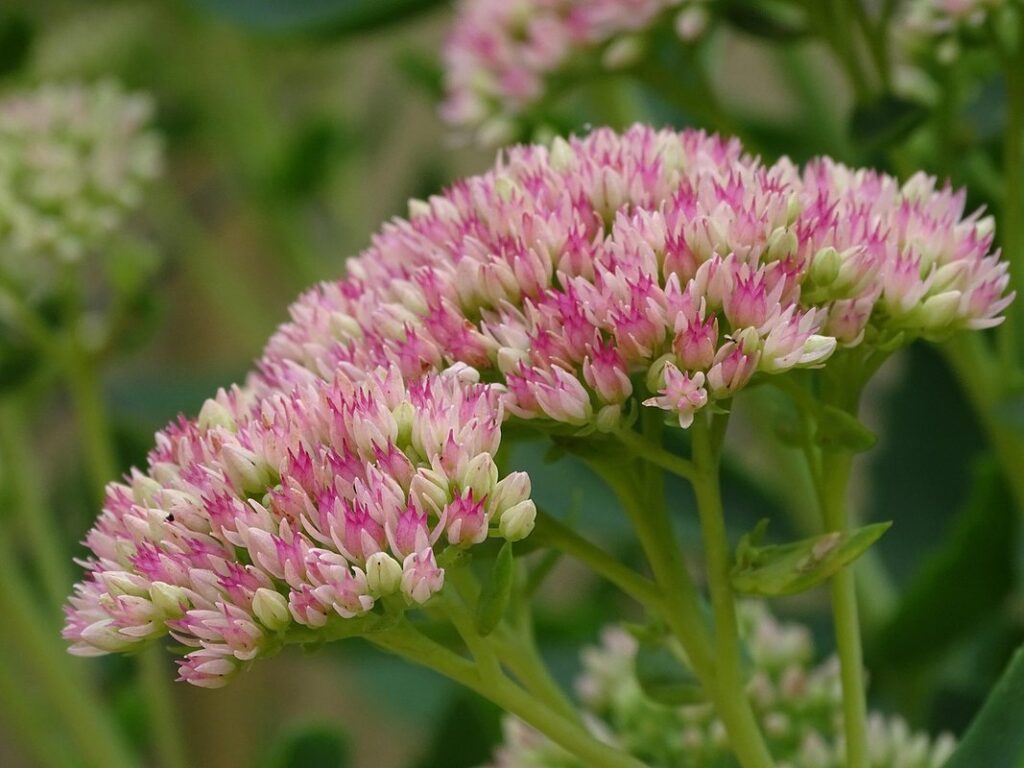
Benefits of Adding Plants to Your Chicken Coop
Adding plants to your chicken coop can have a significant impact on your flock’s health and well-being, providing a boost to their nutrition. Let’s explore some key benefits of incorporating plants into their environment.
Improving Egg Quality and Quantity
When it comes to improving egg quality and quantity, providing your flock with a balanced diet and stress-free environment is crucial. Certain plants can enhance this process by promoting gut health, reducing stress, and boosting overall well-being. For instance, peppermint can help reduce stress and anxiety in chickens, leading to improved egg production.
Incorporating leafy greens like kale and spinach into their diet can provide essential vitamins and minerals, while also supporting digestive health. A balanced mix of forage plants, such as alfalfa and clover, will offer a rich source of protein and fiber.
To promote egg quality, consider adding herbs like chamomile to the coop. This gentle herb has anti-inflammatory properties that can soothe chicken nerves and improve overall well-being.
Here are some quick-growing plants you can easily integrate into your flock’s environment:
• Peppermint (60-90 days to maturity)
• Leafy greens (40-60 days to maturity)
• Alfalfa (50-70 days to maturity)
By incorporating these easy-to-grow plants, you’ll be well on your way to improving egg quality and quantity while promoting a happy, healthy flock.
Enhancing Flock Health and Wellbeing
Adding plants to your chicken coop is not only a great way to purify the air and create a pleasant living environment for your birds, but it can also play a significant role in enhancing their health and wellbeing. When it comes to boosting the immune system of your flock, certain plants have been found to possess antibacterial properties that can help keep disease at bay.
Some quick-growing options that are perfect for this purpose include calendula, echinacea, and peppermint. These plants can be easily incorporated into your chicken coop’s decor and will not only provide a natural defense against illness but also promote healthy digestion in your birds. For instance, peppermint has been shown to alleviate stress and anxiety in chickens, while calendula is known for its ability to soothe irritated skin.
In addition to these benefits, plants can also help reduce stress levels within the coop. Studies have demonstrated that exposure to nature and greenery can significantly decrease cortisol levels in animals, leading to a more relaxed and contented flock. By introducing these quick-growing plants into your chicken coop, you’ll be providing a healthier and happier environment for your birds to thrive in.
Choosing the Right Plants for Your Flock
When selecting plants for your flock, it’s essential to choose varieties that will thrive alongside your chickens and provide them with a diverse range of nutrients. This section will help you make informed decisions about what to plant.
Fast-Growing Annuals for Chicken Coops
When it comes to adding some greenery to your chicken coop, fast-growing annuals are an excellent choice. Not only do they provide a pop of color and freshness, but they also offer numerous benefits for your flock. Let’s take a look at some of the best annual plants that grow quickly, require minimal maintenance, and will keep your chickens happy and healthy.
Sunflowers (Helianthus annuus) are one of our top picks. These towering flowers provide shade, which is especially important during hot summer months when chickens can get overheated. They’re also a great source of protein-rich seeds for your flock to snack on. Simply plant the seeds about 1 inch deep and keep them watered until they reach 6 feet tall.
Other quick-growing annuals like zinnias (Zinnia spp.) and marigolds (Tagetes spp.) are easy to grow and can thrive in poor soil, making them perfect for chicken coops. Zinnias attract beneficial insects that prey on pests, while marigolds repel nematodes, which can harm your chickens.
These plants are ideal for their rapid growth rate, minimal maintenance requirements, and numerous benefits for your flock. Plant them around the coop to create a thriving ecosystem and enjoy watching your chickens thrive.
Perennials for Year-Round Benefits
When it comes to providing year-round benefits for your flock, perennials are an excellent choice. These plants can be planted once and will continue to thrive throughout multiple seasons, offering a constant supply of nutrients, shelter, and entertainment for your chickens.
One of the most beneficial perennial options is comfrey. This plant is rich in nitrogen, phosphorus, and potassium, making it a perfect addition to any compost pile or as a natural fertilizer for your garden. Simply chop down the leaves, add them to your compost, and watch your soil come alive with nutrients. Comfrey can also be used as a mulch around plants to retain moisture and suppress weeds.
Other options like lavender and rosemary are not only beneficial but also attractive additions to your flock’s environment. Lavender provides a calming effect for chickens, reducing stress and promoting relaxation, while rosemary repels pests and adds fragrance to the air. Plant these perennials in well-draining soil and provide them with full sun for optimal growth.
Plant Care 101: Tips and Tricks
To help your flock thrive, we’ll cover essential plant care tips, from soil preparation to pruning techniques, that will boost growth and keep your chickens happy. This way, you can enjoy a lush garden and a healthy coop!
Preparing the Soil for Plant Growth
When it comes to preparing the soil for plant growth in your chicken coop, getting the basics right is crucial. Chickens can be heavy-footed and produce a significant amount of waste, which can alter the pH levels and nutrient composition of the soil over time.
Firstly, test the pH level of your soil to determine if any adjustments are necessary. Most plants prefer a slightly acidic to neutral pH range (around 6.0-7.0). If your soil is too alkaline or acidic, you may need to add lime or sulfur to balance it out.
In terms of amendments and fertilizers, consider adding compost or well-rotted manure to the soil. These will provide essential nutrients for plant growth while also improving soil structure and drainage. You can also mix in some organic matter like peat moss or coconut coir to help retain moisture and suppress weeds.
To minimize the impact of chicken waste on the soil, consider implementing a poop collection system or regular cleaning schedule to maintain good hygiene and prevent bacterial contamination.
Watering and Maintenance Techniques
When it comes to keeping your quick-growing plants thriving within the chicken coop environment, proper watering and maintenance are crucial. A general rule of thumb is to water your plants when the top 1-2 inches of soil feels dry to the touch. However, this can vary depending on factors such as temperature, humidity, and plant type.
In a chicken coop, it’s essential to establish a regular watering schedule to prevent overwatering or underwatering. Aim to water your plants in the morning, allowing them to absorb the moisture throughout the day. Avoid getting water on leaves to prevent fungal diseases from developing.
Fertilization is another critical aspect of plant maintenance within the chicken coop. Use a balanced fertilizer (10-10-10) and follow the manufacturer’s instructions for application rates. You can also consider using compost tea as a natural, nutrient-rich alternative.
Regular pruning and monitoring are vital to keep your plants healthy. Remove any dead or dying leaves, and trim back overgrown branches to promote air circulation and prevent pest infestations. By following these maintenance tips, you’ll be able to provide the best possible conditions for your quick-growing plants to flourish within the chicken coop environment.
Integrating Plants into Your Chicken Coop Design
When incorporating plants into your chicken coop, consider how they can enhance the overall space and benefit your flock’s health. Learn how to seamlessly integrate greens and flowers into your design.
Space-Saving Strategies for Maximizing Plant Growth
When designing your chicken coop, it’s essential to consider space-saving strategies that will enable you to cultivate a diverse range of beneficial plants for your flock. One effective approach is to utilize vertical gardening techniques, such as trellises or wall-mounted planters. These allow you to maximize available space while keeping the plants away from the chickens’ reach.
Another strategy is to incorporate plants into existing coop structures, like nesting boxes or roosts. For instance, you can add a small planter to the top of a nesting box or attach a tiny herb garden to the side of the coop. This not only adds visual appeal but also provides your chickens with fresh greens and herbs.
When selecting space-saving plants, consider species that are compact in size yet high-producing. Examples include leafy greens like lettuce, kale, and spinach, as well as herbs like basil and cilantro. Remember to leave enough space between plants for proper air circulation and easy maintenance. By implementing these strategies, you’ll be able to grow a variety of beneficial plants within your chicken coop while optimizing available space.
Innovative Solutions for Compact Environments
If you’re short on space, there’s no need to sacrifice greenery for your feathered friends. Innovative solutions can help you bring plants into even the most compact chicken coop environments. For instance, consider vertical gardens that use wall-mounted planters or trellises to maximize space while keeping air circulation in mind.
You can also repurpose items like old pallets or wooden crates as mini greenhouses or planters for your chickens’ favorite greens. This not only reduces waste but also provides a unique and functional way to integrate plants into your coop design. If you’re limited by sunlight, look into low-maintenance options like air-purifying plants that can thrive in low-light conditions.
Another creative approach is using a trellis or arbor with climbing plants like peas or beans. These not only provide shade but also create a natural barrier against pests and predators. By incorporating these space-saving solutions, you can bring the benefits of nature to your chicken coop without sacrificing valuable space.
Managing Plant Growth and Pests
As you nurture your quick-growing plants for chickens, managing their growth and potential pests is crucial to ensuring a healthy and thriving coop. This section covers some essential tips to keep your plants pest-free and growing well.
Effective Pest Control Methods Using Plants
When it comes to raising happy and healthy chickens, providing them with fresh greens is essential. However, it’s not uncommon for pests like slugs, snails, and aphids to be attracted to these plants. While chemical pesticides can be effective in the short term, they’re not a long-term solution and can harm your birds and the environment.
Fortunately, there are natural methods for controlling pests that might be attracted to your plants. One such method is using beneficial nematodes. These microscopic worms attack and kill insect larvae, preventing them from reproducing and eventually dying off. To use nematodes effectively, mix them with water according to the manufacturer’s instructions and apply them directly to the soil where pest activity has been observed.
Another natural method for controlling pests is introducing beneficial insects like ladybugs or lacewings into your garden. These insects feed on aphids and other soft-bodied pests, keeping their populations under control. By using a combination of these natural methods, you can create a balanced ecosystem that promotes healthy plant growth while minimizing the need for pesticides.
Regular Pruning and Grooming for Optimal Health
Pruning and grooming are essential aspects of maintaining healthy plants within the chicken coop environment. By regularly pruning your quick-growing plants, you can promote optimal health, encourage new growth, and even increase yields.
For example, indeterminate tomatoes need regular pruning to control their height and direct their energy towards fruit production. By removing lower leaves and weak growth, you’ll prevent disease from spreading and create a more balanced plant. Similarly, peas and beans benefit from support as they grow, which also involves trimming and training them onto trellises or stakes.
Pruning is not only beneficial for the plants themselves but also for your chickens’ health. Overgrown plants can harbor pests and diseases that may be transferred to your flock through contact or consumption of contaminated plant material. Regular pruning helps maintain a clean environment within the coop, reducing the risk of illness in your birds.
To incorporate regular pruning into your routine, set aside time each week to inspect your plants and remove any dead or diseased growth. This simple task will contribute significantly to maintaining a healthy and thriving ecosystem within your chicken coop.
Ensuring Safety and Handling Regulations
When it comes to growing plants for your chickens, safety is paramount. This section will cover essential handling and regulation guidelines to ensure both you and your flock stay safe and healthy.
Identifying Toxic Plants for Chickens
When it comes to providing your chickens with fresh greens and treats, it’s crucial to know which plants are safe for them to eat. Unfortunately, not all plants are created equal, and some can be downright toxic. As a responsible chicken keeper, it’s essential to identify the plants that should be avoided.
Some common toxic plants for chickens include:
* Hemlock (Conium maculatum): This plant is often mistaken for Queen Anne’s lace, but its appearance belies its deadly toxicity.
* Rhododendron and Azalea: These popular ornamental shrubs contain a toxin called grayanotoxin that can cause cardiac arrest in chickens.
* Castor Bean (Ricinus communis): The seeds of the castor bean plant are particularly toxic, as they contain ricin, which can be fatal to chickens if ingested.
To identify these plants, look for their distinctive features: hemlock has a fern-like appearance with purple spots on its stems, while rhododendron and azalea have showy flowers in shades of pink or purple. The castor bean plant is easily recognizable by its large leaves with pointed tips. If you’re unsure about the identity of a plant, it’s always best to err on the side of caution and keep your chickens away.
Remember, it’s always better to be safe than sorry when it comes to providing for your feathered friends. Always double-check the safety of any plant before offering it to them.
Proper Handling and Disposal Procedures
When handling dead or dying plants within your chicken coop environment, it’s crucial to follow proper procedures to maintain a safe and healthy atmosphere for your chickens. First and foremost, always wear protective gloves when disposing of plant material to prevent the risk of physical harm from thorns, prickly stems, or other sharp edges.
Remove any dead or dying plants immediately, as they can harbor bacteria, fungi, and other pathogens that may pose a threat to your flock’s health. Disinfect all surfaces and equipment that came into contact with the plant material using a mixture of one part white vinegar to nine parts water. This solution is effective in killing off bacteria and other microorganisms.
Dispose of dead plants by burying them deeply outside the coop or placing them in sealed bags to prevent attracting pests and rodents. Never compost dead plants within the chicken coop, as this can lead to the buildup of toxic compounds that may harm your chickens. By following these simple guidelines, you’ll be able to maintain a clean and safe environment for your birds to thrive.
Frequently Asked Questions
How can I ensure the plants I choose for my chicken coop are non-toxic to my flock?
Make sure to research each plant thoroughly, checking if it’s known to be safe for chickens to eat. Also, consider using plants that are natural and organic, as these are less likely to contain pesticides or other chemicals harmful to your birds. You can also consult with a veterinarian or experienced chicken keeper for guidance on the best plants to use.
What is the ideal space allocation for plants in my chicken coop?
Aim to allocate at least 1-2 square feet of growing space per bird, depending on the size of the plants and the number of birds you have. This will give your chickens enough room to move around and access the plants comfortably. Remember to also leave some space between plants for easy maintenance and pruning.
Can I use plants as a substitute for commercial feed supplements?
While plants can provide essential nutrients, they shouldn’t be relied upon as the sole source of nutrition for your flock. Use them in conjunction with a balanced diet and consider consulting with a veterinarian or poultry expert to determine the best feeding strategy for your birds.
How often should I water and maintain my chicken coop plants?
Watering and maintenance needs will vary depending on the type of plant, climate, and season. As a general rule, check soil moisture daily and water when necessary. Regularly prune and groom plants to promote healthy growth and prevent overgrowth.