
Are you looking for a natural remedy to support your liver health and reduce inflammation? You’re in luck because I’m about to share with you the incredible benefits of milk thistle plant seeds. These tiny seeds have been used for centuries to boost liver function, alleviate digestive issues, and even combat cancer-causing free radicals. But what exactly makes them so special? In this article, we’ll delve into the medicinal uses of milk thistle plant seeds, including their nutritional content, potential side effects, and how to use them safely and responsibly. Whether you’re looking to improve your overall health or address a specific issue, milk thistle seed benefits are worth exploring. Let’s get started on uncovering the secrets of this natural liver tonic!
What is Milk Thistle?
Let’s get started by understanding what milk thistle plant seeds are and where they come from, a vital step in exploring their benefits. You’ll find that this unique plant has been used for centuries.
Botanical Description
Milk thistle, scientifically known as Silybum marianum, is an annual or biennial plant native to the Mediterranean region. It is a member of the Asteraceae family and can grow up to 3 feet tall. The plant has a distinctive appearance, with large, oval-shaped leaves that are typically a deep green color on top and lighter underneath.
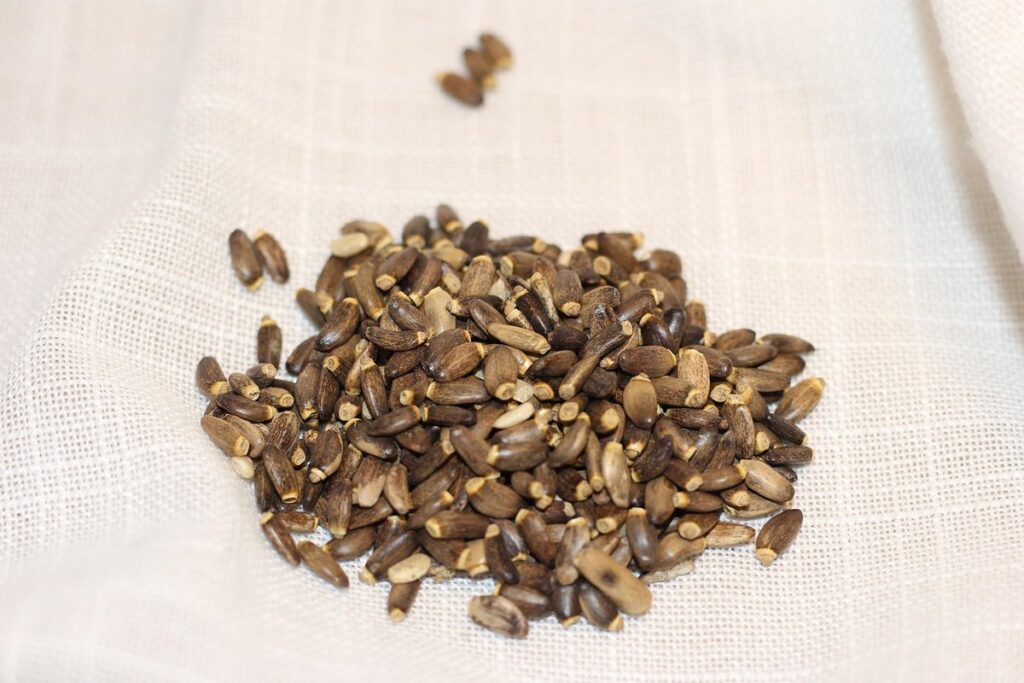
One of the most notable features of milk thistle is its flower clusters, which can reach up to 12 inches in diameter. These clusters are made up of hundreds of tiny, white or purple flowers that resemble a crown. The plant’s seeds are also quite distinctive, with their characteristic black spots on a brown or gray background.
Milk thistle prefers well-drained soil and full sun, making it a popular choice for gardeners who live in dry climates. It is also relatively easy to grow from seed, which can be started indoors 6-8 weeks before the last frost date. When growing milk thistle for its seeds, it’s essential to provide support as the plant can become quite large and top-heavy.
Common Names and History
Milk thistle has been known by various names across cultures and languages. In English-speaking countries, it’s commonly referred to as milk thistle, while in Europe, it’s often called St. Mary’s Thistle or Holy Thistle. The plant is also known as Silybum marianum in botanical terms, reflecting its scientific classification.
In traditional medicine, milk thistle has been used for centuries due to its perceived health benefits. Ancient Greeks and Romans valued the plant for its potential to protect against liver damage caused by excessive consumption of wine and other intoxicating substances. The herb was also utilized by medieval Europeans to treat a range of ailments, from indigestion to skin conditions.
The name “milk thistle” is thought to have originated from the plant’s milky white sap, which resembles milk when broken open. This unique characteristic has contributed to its widespread recognition across different cultures and geographical regions. As a result, milk thistle remains an integral part of traditional medicine, with many modern herbalists incorporating its seeds into their remedies for their purported benefits on liver health and overall well-being.
Health Benefits of Milk Thistle Seeds
Milk thistle seeds have been revered for their medicinal properties, and one of its most significant advantages is the incredible health benefits it offers to our bodies. Let’s dive into some of these remarkable advantages!
Liver Protection and Detoxification
Milk thistle seeds have been long revered for their ability to protect and support liver health. At the heart of this benefit lies the enhancement of glutathione levels. Glutathione is a powerful antioxidant that plays a crucial role in neutralizing free radicals, which are unstable molecules that can cause oxidative stress and damage to cells. By boosting glutathione production, milk thistle seeds help fortify the liver’s defenses against toxic substances and environmental pollutants.
This process is particularly important because the liver is responsible for filtering toxins from the bloodstream, a task it undertakes over 200 times per day. Over time, this process can put significant strain on the liver, leading to inflammation, scarring, and even cancer in severe cases. By supporting glutathione production, milk thistle seeds help mitigate these risks, ensuring that the liver remains healthy and functional.
Incorporating milk thistle seeds into your daily routine is simple: add them to your smoothies or take them as a supplement. A recommended dosage of 175-210 mg per day can provide significant support for liver health. With its natural and non-invasive approach, milk thistle seed supplementation offers a promising solution for those seeking to protect their liver from damage and promote overall well-being.
Anti-Inflammatory Effects
Milk thistle seeds have been shown to possess potent anti-inflammatory properties, making them an attractive natural remedy for conditions characterized by inflammation. Inflammation is a complex biological process that can lead to chronic diseases such as arthritis, autoimmune disorders, and even some types of cancer.
The anti-inflammatory effects of milk thistle seeds are attributed to their high content of silymarin, a bioflavonoid that has been extensively studied for its ability to reduce inflammation. Silymarin works by inhibiting the production of pro-inflammatory enzymes and cytokines, thus reducing inflammation and oxidative stress in the body.
For individuals suffering from arthritis or other autoimmune diseases, milk thistle seeds may offer a natural alternative to conventional medications. A study published in the Journal of Medicinal Food found that silymarin supplementation reduced symptoms of rheumatoid arthritis in patients by 44%. This suggests that incorporating milk thistle seeds into your diet may provide relief from inflammatory conditions.
To harness the anti-inflammatory effects of milk thistle seeds, you can consume them as a supplement or add them to your meals. Aim for a daily dose of 200-400 mg of silymarin per day, extracted from high-quality milk thistle seed products.
Nutritional Content and Bioactive Compounds
Milk thistle seeds are a rich source of essential nutrients, including vitamins, minerals, and bioactive compounds that contribute to their numerous health benefits. Let’s dive into what these tiny seeds have to offer.
Silymarin: The Key Bioactive Compound
Silymarin is a complex mixture of flavonoids present in milk thistle seeds, accounting for most of its medicinal properties. At the heart of silymarin lies a trio of bioactive compounds: silibinin, silidianin, and silicristin. These flavonoids work synergistically to provide antioxidant, anti-inflammatory, and hepatoprotective effects.
Silibinin is often referred to as the most active component, boasting potent antioxidant properties that help shield cells from oxidative stress. Silidianin, on the other hand, exhibits a strong affinity for binding to liver cells, facilitating their regeneration and repair. Meanwhile, silicristin acts as an anti-inflammatory agent, reducing inflammation and protecting against cellular damage.
When it comes to harnessing the benefits of silymarin, consider supplementing with high-quality milk thistle extracts that contain at least 70% silymarin content. For optimal absorption, take your supplements after meals, preferably in combination with a healthy fat source like olive oil or avocado. This synergistic approach can enhance bioavailability and maximize the therapeutic potential of silymarin. As you incorporate milk thistle seeds into your wellness routine, remember to consult with healthcare professionals for personalized guidance on dosing and administration.
Other Nutrients and Phytochemicals
In addition to silymarin, milk thistle seeds contain other valuable nutrients and phytochemicals that contribute to their health benefits. These lesser-studied compounds include flavonoids, phenolic acids, and lignans, which have been shown to possess antioxidant, anti-inflammatory, and antimicrobial properties.
Some of the notable flavonoids present in milk thistle seeds are kaempferol, quercetin, and isorhapontigenin. These flavonoids have been studied for their ability to protect against cell damage, reduce inflammation, and inhibit the growth of cancer cells. For example, kaempferol has been shown to have a synergistic effect with silymarin in reducing liver damage caused by toxic chemicals.
Phenolic acids, such as ferulic acid and caffeic acid, are also present in milk thistle seeds and may help protect against oxidative stress and inflammation. Lignans, including seciosolariciresinol diglucoside (SDG), have been found to possess antioxidant and anti-inflammatory activities, which may contribute to their potential health benefits.
Consuming foods rich in these phytochemicals or supplementing with milk thistle seed extract can provide a valuable boost to overall nutritional value.
Preparations and Uses
Before you start using milk thistle plant seeds, it’s essential to understand how to prepare them properly and explore their various practical uses. Let’s dive into some key considerations for getting the most out of these beneficial seeds.
Dietary Supplements
Milk thistle seeds are commonly consumed as dietary supplements, and their popularity can be attributed to the growing interest in natural remedies for various health conditions. These supplements come in different formulations, including capsules, tablets, powders, and liquids. When choosing a milk thistle supplement, look for products that contain 70-80% silymarin, which is the active compound responsible for its medicinal properties.
In terms of dosage, it’s essential to follow the recommended guidelines on the product label. Typical dosages range from 150-300 mg per day, and some studies suggest that higher doses may be more effective in treating certain conditions. However, it’s crucial to consult with a healthcare professional before taking any supplement, especially if you’re already taking medications or have underlying health issues.
When selecting a milk thistle supplement, also consider the source of the seeds and the manufacturing process. Opt for products from reputable manufacturers that adhere to good manufacturing practices (GMPs). Additionally, be aware that milk thistle can interact with certain medications, such as blood thinners and diabetes medications, so monitor your body’s response closely and adjust your dosage or seek medical attention if needed.
Traditional Medicine Practices
Milk thistle seeds have been valued for centuries across various cultures for their medicinal properties. In traditional folk medicine, these seeds were used to treat liver-related issues, such as jaundice and cirrhosis. For instance, the ancient Greeks used milk thistle to detoxify the liver and improve overall health.
In Europe, during the Middle Ages, milk thistle was a staple in herbal remedies for liver problems. The seeds were typically dried, crushed into powder, or mixed with wine to create a tincture. To prepare a traditional tea, one would boil 1-2 teaspoons of dried milk thistle seeds in water and drink it as needed.
The preparation methods varied across cultures, but the application remained consistent – treating liver issues and other ailments such as gallstones, rheumatism, and even fever. In some cases, milk thistle seeds were also used to support the digestive system and promote overall well-being.
Side Effects and Precautions
Before using milk thistle plant seeds, it’s essential to be aware of potential side effects and take necessary precautions to ensure safe use. This includes understanding rare but serious interactions with certain medications.
Adverse Reactions and Interactions
While milk thistle seeds are generally considered safe for consumption, there are potential adverse reactions and interactions to be aware of. The silymarin content in these seeds can cause gastrointestinal upset, such as nausea, diarrhea, or stomach pain, particularly when taken in high doses or by individuals with pre-existing digestive issues.
Interactions with medications are also a concern. Silymarin may increase the risk of bleeding when combined with blood thinners like warfarin or aspirin. Additionally, it can decrease the effectiveness of diabetes medications, such as metformin and sulfonylureas, by altering their absorption in the gut.
Individuals with certain health conditions should exercise caution when consuming milk thistle seeds. For example, people with liver disease or those undergoing liver transplants may need to avoid these seeds due to their potential impact on liver function. Pregnant or breastfeeding women should also consult their healthcare provider before using milk thistle seeds, as there is limited research on their safety in these populations.
Pregnancy and Breastfeeding Considerations
If you’re pregnant or breastfeeding, you may be wondering if milk thistle seeds are safe for use. While milk thistle is generally considered a natural and gentle herb, there are some precautions to take into consideration.
During pregnancy, high levels of liver enzyme inhibitors found in milk thistle could potentially interact with medications taken by the mother or affect fetal development. However, it’s essential to note that there is limited research specifically addressing the safety of milk thistle during pregnancy. If you’re pregnant and considering using milk thistle seeds, consult your healthcare provider before doing so.
Breastfeeding mothers should also exercise caution when consuming milk thistle seeds. The liver-protecting properties of milk thistle can potentially affect milk production or transfer into breastmilk. As with any new supplement or herb, monitor your body’s response and adjust as needed. If you experience any adverse effects or concerns, discontinue use and consult with a healthcare professional for guidance.
In general, it’s recommended to err on the side of caution when consuming milk thistle seeds during pregnancy or breastfeeding.
Cultivation and Harvesting
When it comes to growing and harvesting milk thistle plant seeds, understanding proper cultivation techniques is crucial for a successful harvest. Let’s dive into how to cultivate and harvest this valuable seed.
Environmental Requirements
To cultivate milk thistle plant seeds successfully, you’ll need to create an environment that mimics their natural habitat. These plants thrive in well-drained soil and full sun to partial shade conditions. In ideal situations, they prefer a Mediterranean climate with hot summers and mild winters.
When it comes to sunlight requirements, milk thistle plants can tolerate a range of light conditions but perform best when exposed to direct sunlight for at least six hours a day. However, in warmer climates, providing some afternoon shade can help prevent scorching.
In terms of soil conditions, milk thistle plants prefer dry to moderately moist soil that’s rich in nutrients. A mix of compost and well-draining potting soil will provide the necessary fertility without waterlogging the roots. To ensure optimal growth, make sure your soil pH is between 6.0 and 7.0.
Keep in mind that milk thistle plants are drought-tolerant but may require occasional watering during prolonged dry spells. When cultivating these seeds, be mindful of frost sensitivity; they’re typically hardy to around 30°F (-1°C). By replicating their natural climate conditions, you’ll be able to grow healthy and robust milk thistle plants for various uses.
Best Practices for Seed Collection
When collecting milk thistle plant seeds, it’s essential to follow responsible practices that ensure sustainability and maintain biodiversity. This means not only harvesting the seeds but also considering the long-term health of the plant population.
To begin with, choose a location for seed collection that allows you to harvest mature plants without harming them. This might involve selecting specific patches within your garden or nearby areas where milk thistle has grown robustly. Make sure to leave some stems intact to allow for further growth and prevent over-exploitation of the resource.
When extracting seeds from milk thistle flowers, handle each plant carefully to avoid bruising the delicate petals. Gently pluck the seed heads and place them in a paper bag or envelope to dry out completely before storing. This helps preserve the viability of the seeds for future planting.
Conclusion
In conclusion, milk thistle plant seeds are a natural remedy that offers numerous benefits for our health. From supporting liver function and detoxification to reducing inflammation and improving antioxidant levels, these tiny seeds pack a big punch. As we’ve discussed throughout this article, milk thistle has been used for centuries in traditional medicine to treat various ailments, from jaundice and gallstones to digestive issues and even cancer treatment side effects.
Now that you’re aware of the impressive benefits of milk thistle plant seeds, it’s time to give them a try. Add them to your smoothies or salads, take them as a supplement, or use the extract in capsule form – however you choose to incorporate them into your daily routine, be sure to do so under the guidance of a healthcare professional. With their potent properties and versatility, milk thistle plant seeds are definitely worth adding to your natural health arsenal.
Frequently Asked Questions
Can I use milk thistle seeds if I’m pregnant or breastfeeding?
Yes, you can use milk thistle seeds during pregnancy and breastfeeding, but it’s essential to consult with your healthcare provider before doing so. They will help determine the best approach for your specific situation.
How do I know if I’m taking too much silymarin from milk thistle seed supplements?
When taking milk thistle seed supplements, you may experience an increase in symptoms like nausea or dizziness due to excessive silymarin intake. To avoid this, start with a low dose and gradually increase it under the guidance of your healthcare provider.
Can I grow my own milk thistle plant for medicinal purposes?
Yes, growing your own milk thistle plant is possible if you live in a region with suitable climate conditions (warm summers and cool winters). Ensure you follow best practices for seed collection to harvest the seeds safely and effectively.
How do I combine milk thistle seeds with other herbal remedies for liver health?
When combining milk thistle seeds with other herbal remedies, consult with your healthcare provider or an experienced herbalist to create a safe and effective blend. This ensures that the ingredients complement each other without causing adverse interactions.
Can I use milk thistle seed oil instead of supplements for its medicinal benefits?
While milk thistle seed oil can be used topically for skin conditions, it’s not a suitable substitute for oral supplements when looking for liver health benefits. Supplements offer a more concentrated dose of silymarin and other beneficial compounds, making them the preferred choice for addressing specific health concerns.