
Taking care of your potted plants can be a delicate balance between giving them enough water and not overdoing it. Proper irrigation is crucial to keep your plants healthy, vibrant, and thriving in their containers. However, many of us struggle with figuring out the right watering schedule for our potted friends, often leading to brown tips, wilted leaves, or worse – plant death.
In this comprehensive guide, we’ll walk you through the essential steps of irrigation for potted plants. From creating an optimal watering schedule to setting up a reliable irrigation system, we’ve got you covered. We’ll also delve into the importance of soil optimization and how it plays a vital role in your plant’s ability to absorb water and nutrients. By the end of this article, you’ll be equipped with the knowledge to give your potted plants the perfect amount of hydration they need to flourish.
Choosing the Right Watering Schedule
When it comes to potted plants, a well-planned watering schedule is crucial for their health and survival. Here’s how to create a customized schedule that suits your plant’s unique needs.
Understanding Plant Water Needs
When it comes to watering potted plants, understanding their unique water needs is crucial. This involves considering several key factors that can impact a plant’s ability to absorb and retain moisture.
Firstly, climate plays a significant role in determining the right watering schedule for your potted plants. Plants growing in hot, dry climates require more frequent watering than those in cooler, more humid environments. For example, if you live in a desert region, you may need to water your plants every 1-2 days during the summer months.
Soil type is another critical factor to consider when determining plant water needs. Well-draining potting mixes can help prevent root rot and other issues that arise from overwatering. On the other hand, dense or heavy soils can retain too much moisture, making it challenging for plants to absorb what they need.
The specific plant species you’re growing also comes into play. Some plants, such as succulents and cacti, are adapted to dry conditions and require less frequent watering, while others, like ferns and peace lilies, prefer more consistent moisture levels. By taking these factors into account, you can develop a tailored watering schedule that meets your plant’s unique needs.
Observing your plants’ behavior is also essential in adjusting your watering schedule accordingly. If leaves start to wilt or turn yellow, it may be a sign that they need more water. Conversely, if the soil feels consistently moist and the plants are looking healthy, you can adjust the frequency of watering downward. By paying attention to these signs and making adjustments as needed, you can ensure your potted plants receive just the right amount of moisture.
Common Mistakes in Watering Frequency
When it comes to watering frequency for potted plants, many gardeners make common mistakes that can harm their plants rather than help them thrive. One of the most significant errors is overwatering, which occurs when you water your plant too frequently or with too much water. This can lead to root rot, fungal diseases, and even kill the plant altogether.
On the other hand, underwatering is just as problematic, causing stress to the plant and slowing down its growth. To avoid these pitfalls, it’s essential to observe your plants’ needs carefully. Check the soil moisture by sticking your finger into the soil up to the first knuckle. If the soil feels dry, it’s time for watering.
Another mistake is watering on a fixed schedule without considering the weather or plant type. For example, if you have a succulent, it may require less water than a fern, which prefers high humidity and moist soil. By monitoring your plants’ responses to different watering frequencies and adjusting accordingly, you can develop a customized watering schedule that meets their specific needs.
Remember, it’s better to err on the side of caution and underwater slightly than overwater and risk harming your plant.
Types of Irrigation Systems for Potted Plants
When it comes to choosing the right irrigation system for your potted plants, there are several options available that cater to different needs and plant types. We’ll explore each of these options in more detail below.
Drip Irrigation Systems
Drip irrigation systems are an excellent option for potted plants as they offer a high degree of water efficiency and precision. By delivering water directly to the roots of the plant, these systems minimize evaporation and runoff, ensuring that every drop counts.
One of the primary benefits of drip irrigation systems is their cost-effectiveness in the long run. Although initial installation costs may be higher than other types of irrigation systems, they can lead to significant savings on water consumption over time. According to the US Environmental Protection Agency (EPA), using drip irrigation can reduce water usage by up to 50% compared to traditional sprinkler systems.
There are several types of drip irrigation systems available, including in-soil drippers, above-ground drippers, and sub-surface dripper lines. In-soil drippers are inserted directly into the soil next to each plant root zone for optimal water delivery. Above-ground drippers, on the other hand, are placed on top of the soil and release water through tiny tubes or emitters. When choosing a drip irrigation system for your potted plants, consider factors such as space constraints, plant size, and watering frequency to ensure you select the most suitable type for your specific needs.
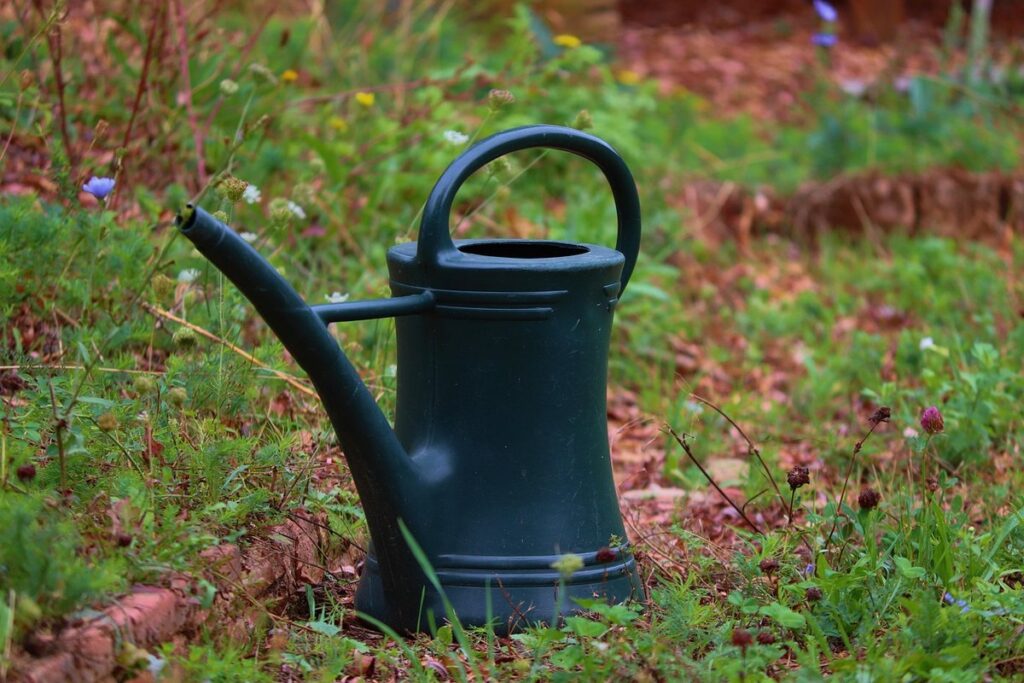
Spray Bottle vs. Watering Can: Which is Best?
When it comes to watering potted plants, you’re likely to have two common options: spray bottles and watering cans. While both serve the purpose of delivering water to your plants’ roots, they have distinct advantages and disadvantages that make one more suitable for certain plant needs than the other.
A spray bottle is ideal for small pots or seedlings, where a gentle mist can be precisely targeted at the soil without overwhelming the delicate roots. This method also helps prevent overwatering, which can lead to root rot and plant death. However, spray bottles may not provide enough pressure for larger pots or plants with deep root systems.
On the other hand, watering cans offer more control and are better suited for larger pots or plants that require deeper water penetration. They allow you to measure out precise amounts of water and apply gentle pressure, making them a good choice for indoor gardens where space is limited.
Soil and Irrigation: How to Optimize Your Pots
When it comes to optimizing your potted plants’ irrigation, understanding the role of soil and water is key. This is where we’ll dive into the specifics of potting mix and watering schedules.
Understanding Potting Mixes
When it comes to potting mixes, understanding what’s available is crucial for optimal plant growth and health. There are several types of potting mixes, each with its own set of benefits and drawbacks.
A well-balanced potting mix will typically contain a blend of peat moss or coconut coir, vermiculite, perlite, or sand. These components help retain moisture, prevent waterlogging, and provide good drainage. Organic matter like compost or worm castings can also be added to enhance soil fertility.
For example, a mix high in peat moss is ideal for plants that prefer acidic conditions, such as African Violets or Begonias. Conversely, a mix with perlite or sand is better suited for plants that thrive in well-draining soils like succulents and cacti.
To choose the right potting mix for your plants, consider their specific needs based on factors like pH, water requirements, and nutrient demands. Read the label carefully to ensure it meets these needs.
Adding Mulch or Fertilizers to Improve Drainage
Adding mulch or fertilizers to improve drainage can be an effective way to reduce the need for frequent watering. Mulch helps retain moisture while allowing excess water to escape, reducing the risk of overwatering. Organic materials like pine straw or bark chips work well as they have good water-holding capacities and prevent soil compaction.
Fertilizers, on the other hand, help improve drainage by breaking down into a more granular texture when absorbed by the plant roots, preventing clogging. However, be cautious not to over-fertilize as this can lead to excessive salt buildup in the soil. A 10-20% mix of organic matter in potting mixes is often recommended for better water retention and drainage.
Some popular fertilizer options include compost tea or liquid fertilizers that are easier on plant roots. Regularly replenish mulch and fertilizers, but avoid overdoing it, as this can lead to an anaerobic environment that actually reduces drainage.
Tips for Watering Different Types of Potted Plants
When it comes to watering your potted plants, the type of plant is a crucial factor to consider – some thrive in moist conditions while others prefer dry spells. Let’s explore tips for watering specific types of potted plants.
Succulents and Cacti
When it comes to succulents and cacti, their unique water-storing abilities make them more forgiving than other plants when it comes to watering. However, they still require some attention to ensure optimal health.
Watering frequency for these plants is key. Allow the soil to dry out completely between waterings, which can be anywhere from 7-14 days depending on temperature and humidity levels. Overwatering is a common mistake that can lead to root rot, so it’s crucial to check the soil moisture before watering. Use your finger or a chopstick to gently probe the soil – if it feels dry, it’s time to water.
Choose a well-draining potting mix specifically designed for cacti and succulents. Avoid regular potting mixes, as they can retain too much water and cause root rot. Instead, opt for mixes containing perlite or sand, which will help excess moisture drain away from the roots.
When watering, make sure to water thoroughly but allow excess water to drain out of the pot. This will prevent waterlogged soil and reduce the risk of pests and diseases. In general, succulents and cacti prefer infrequent, deep watering rather than frequent shallow waterings – this encourages strong root development and healthy growth.
Tropical Plants: Special Care Requirements
Tropical plants are known for their exotic appearance and ability to thrive in humid environments. When it comes to watering these plants, their unique requirements must be taken into account. For instance, peace lilies prefer well-draining soil and high humidity levels, typically above 50%. As a result, they should not be watered too frequently, as this can lead to root rot.
On the other hand, bromeliads are adapted to tropical environments with high temperatures and rainfall. They have a unique characteristic of storing water in their leaves, which allows them to survive for extended periods without watering. However, during the dry season or when kept indoors, they may require more frequent watering.
To ensure proper care, monitor the soil moisture levels by sticking your finger into the soil up to the first knuckle. If it feels dry, it’s time to water. In general, tropical plants prefer moist but not soggy soil. Overwatering can cause root rot and other problems, so be cautious when watering these sensitive plants.
In addition to monitoring soil moisture levels, maintain a humid microclimate around your tropical plant by placing it on a tray filled with water and pebbles or using a humidifier nearby. This will help them thrive and prevent stress caused by dry air.
Common Problems with Irrigation in Potted Plants
When it comes to potted plants, overwatering is a common mistake that can be detrimental to their health. In this next part of our guide, we’ll explore some common issues you might encounter with irrigation in potted plants.
Overwatering: Causes and Solutions
Overwatering can be a significant challenge when it comes to potted plants. One of the most common issues that arise from overwatering is root rot, which occurs when roots are constantly saturated with water and begin to break down. This leads to the plant’s inability to absorb essential nutrients and oxygen, ultimately causing the plant to decline.
Another issue related to overwatering is fungal diseases such as root rot, leaf spot, and crown rot. These diseases thrive in moist environments, making it difficult for plants to recover. In severe cases, the damage can be irreparable, and the plant may need to be replaced entirely.
To prevent overwatering, ensure that your pot has proper drainage holes, and choose a well-draining potting mix. Check the moisture level of the soil regularly by sticking your finger into it up to the first knuckle. If the soil feels dry, it’s time for watering. Waterlogged plants can be recovered by repotting them in fresh, well-draining potting mix and adjusting their water schedule.
Underwatering: Signs and Prevention Strategies
When it comes to potted plants, underwatering is one of the most common problems you’ll encounter. It’s easy to overlook watering needs, especially if you’re new to plant parenthood. But don’t worry, we’ve all been there! To spot the signs of underwatering in your potted plants, keep an eye out for yellowing leaves or droopy stems.
These symptoms can be deceiving, as they often resemble overwatering issues. But unlike overwatered plants, which are typically waterlogged and soft to the touch, underwatered plants will feel dry and brittle. If you catch the issue early on, you can prevent more severe problems like leaf drop or root rot.
To prevent underwatering in your potted plants, make sure to check the soil moisture regularly by sticking your finger into the soil up to the first knuckle. Water your plants when the top inch of soil feels dry to the touch. You can also use a watering can with built-in measuring marks to ensure you’re not over- or under-watering your plant. By following these simple steps, you’ll be well on your way to becoming a potted plant pro and avoiding underwatering issues for good!
Advanced Irrigation Techniques for Potted Plants
Now that you’ve mastered the basics of irrigation, let’s dive into some more advanced techniques to optimize water delivery and keep your potted plants thriving.
Automated Watering Systems
Automated watering systems have revolutionized the way we care for potted plants. These innovative solutions can significantly reduce water waste and save you time, making them an attractive option for busy gardeners. By installing a smart sensor that detects soil moisture levels, automated irrigation systems can detect when your plant needs water and deliver it exactly when needed.
One of the key benefits of automated watering systems is their ability to minimize overwatering, which is a common mistake many potters make. According to a study by the University of California, Davis, overwatering is responsible for up to 50% of all plant deaths. Automated irrigation systems use sensors and algorithms to detect when soil moisture levels are optimal, ensuring that your plants receive just the right amount of water.
While automated watering systems offer many benefits, there are also some drawbacks to consider. The initial investment cost can be higher than traditional manual irrigation methods, with prices ranging from $50 to over $200, depending on the system’s complexity and features. However, it’s essential to weigh this against the long-term savings on water consumption and reduced plant mortality.
When installing an automated watering system, it’s crucial to choose a system that is specifically designed for potted plants. Some popular options include Wi-Fi enabled smart sensors and moisture-control systems that connect directly to your irrigation system. Be sure to read reviews and do your research before making a purchase to ensure you find the right solution for your needs.
To get started with automated watering, follow these basic steps:
* Choose a location with good drainage for your potted plants
* Select an automated watering system suitable for your plant size and type
* Calibrate the sensor according to the manufacturer’s instructions
* Schedule regular checks on your irrigation system to ensure optimal performance
Hydroponics: A Low-Water Alternative
Hydroponics has gained popularity as a low-water alternative for potted plants, offering a unique approach to plant growth. At its core, hydroponic systems rely on nutrient-rich solutions rather than traditional soil. This method allows plants to absorb essential nutrients directly from the solution, promoting healthy growth and reducing water consumption.
One of the primary advantages of hydroponics is its ability to optimize water use. By delivering exactly what the plant needs, these systems significantly reduce waste and runoff compared to traditional irrigation methods. For instance, a study found that hydroponic systems used up to 90% less water than soil-based systems for certain crops.
While hydroponics offers several benefits, it’s essential to consider potential limitations. These systems can be more expensive to set up and require regular monitoring of nutrient levels and pH balance. Additionally, some plants may not thrive in a hydroponic environment, making it crucial to research the specific needs of your chosen plant species before transitioning to this method.
It’s also worth noting that hydroponics can be integrated into existing irrigation systems, allowing for a gradual transition to a more water-efficient approach.
Frequently Asked Questions
How often should I check the soil moisture of my potted plants, especially during hot summer months?
It’s recommended to check the soil moisture at least once a week, or more frequently if your plant is sensitive to drying out. During hot summer months, you may need to check daily to ensure your plant doesn’t dry out too quickly. Use your finger or a moisture meter to determine when the soil feels dry to the touch.
Can I use a standard watering can for my potted plants, or do I really need a drip irrigation system?
A standard watering can can be used for small pots and occasional waterings, but it’s not ideal for long-term care. Drip irrigation systems are more efficient and reduce waste by delivering water directly to the roots. They’re worth investing in if you have multiple large pots or want to save time and effort.
How do I know when my potted plant is getting too much fertilizer? Can I still use it?
Yes, you can still use fertilizer, but be cautious not to overdo it. Fertilizers can burn your plants’ roots if applied in excess. Check the label for proper dosing instructions, and start with a small amount. Monitor your plant’s response, and adjust as needed.
Can I reuse potting mix from old pots or should I buy fresh mix every time?
It’s generally best to use fresh potting mix each time to avoid compacted soil and potential root diseases that can spread through reused soil. Old potting mixes may also lack the necessary nutrients for optimal growth. Buy a high-quality, well-draining potting mix specifically designed for your plant type.
How do I prevent my potted plants from getting fungal diseases caused by overwatering?
To prevent fungal diseases, ensure good air circulation around your plants, and avoid getting water on the leaves or crown. Use a well-draining potting mix, and water carefully to avoid standing water. Regularly inspect your plants for signs of disease, and treat promptly if you notice any issues.