
Planting chestnut trees can be a rewarding experience for gardeners, but it requires careful planning and execution to ensure healthy growth and a bountiful harvest. With so many varieties to choose from, selecting the right one for your climate and soil type is crucial. But where do you start? In this comprehensive guide, we’ll walk you through the process of planting chestnut trees, covering everything from variety selection and soil preparation to planting techniques and post-care maintenance. We’ll share expert tips on how to create an ideal environment for your chestnuts to thrive, including advice on selecting the right planting site, preparing the soil, and providing essential care during the early growth stages. By following our step-by-step guide, you’ll be well on your way to growing healthy, productive chestnut trees that will provide you with delicious nuts for years to come.
Choosing the Right Variety
When selecting a chestnut variety, it’s essential to choose one that suits your climate and desired outcome, such as cooking or roasting. Consider factors like tree size and disease resistance when making your decision.
Understanding the Types of Chestnut Trees
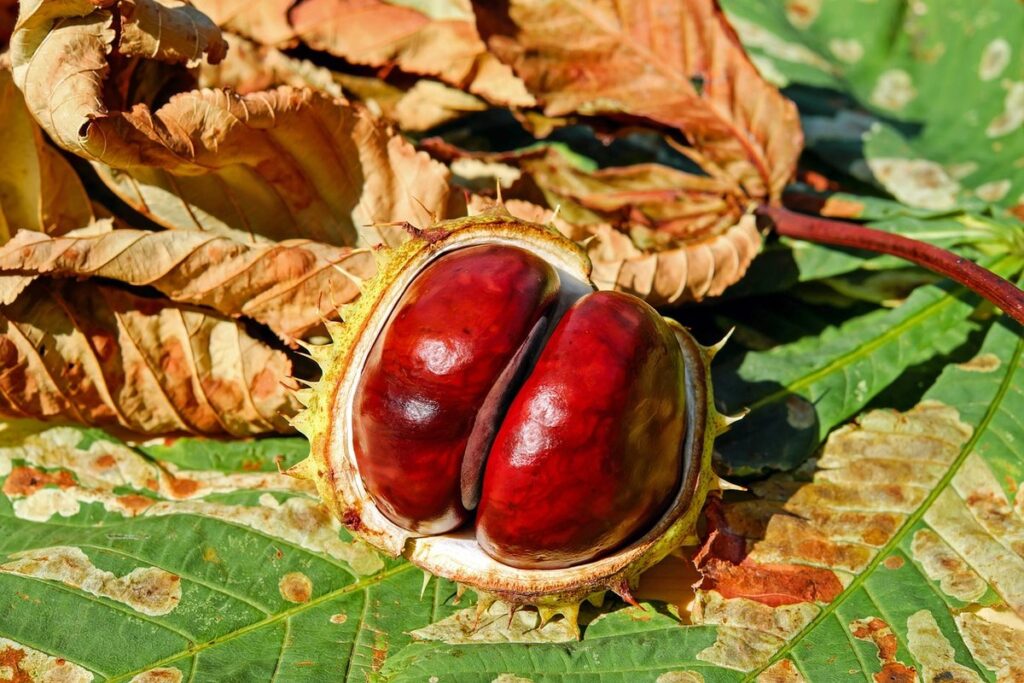
When it comes to planting chestnut trees, one of the first decisions you’ll need to make is what type of tree to plant. The two most common types of chestnut trees are sweet chestnuts (Castanea sativa) and horse chestnuts (Aesculus hippocastanum).
Sweet chestnuts are the ones that produce edible nuts, which can be roasted or used in a variety of recipes. They’re native to Europe and Asia, but have been naturalized in many parts of North America. If you’re looking for a tree that will provide you with delicious nuts, sweet chestnuts are the way to go.
Horse chestnuts, on the other hand, don’t produce edible nuts. Instead, they’re prized for their attractive flowers and leaves. They’re often used as ornamental trees in landscaping projects. While horse chestnuts can grow up to 40 feet tall, sweet chestnuts typically top out at around 30-50 feet.
Consider your climate, soil type, and available space when deciding between these two types of chestnut trees. Sweet chestnuts prefer well-drained soil and full sun, while horse chestnuts are more adaptable.
Factors Affecting Plant Selection
When selecting a chestnut tree variety, it’s essential to consider several factors that will impact its growth and productivity. Climate is one of the most critical factors to consider. Different chestnut varieties have varying tolerances for temperature, humidity, and sunlight. For instance, sweet chestnuts are more adaptable to cooler climates, while Chinese chestnuts thrive in warmer temperatures. Make sure to choose a variety that matches your local climate conditions.
Soil type is another crucial factor to consider. Chestnut trees prefer well-drained, fertile soil with a pH between 6.0 and 7.0. If your soil is heavy clay or sandy, you may need to amend it before planting. The available space on your property is also vital, as mature chestnut trees can grow up to 50 feet tall and wide.
Before making a final decision, research the specific growing requirements of the variety you’re interested in. This will ensure that your tree gets off to a strong start and continues to thrive over time. By considering these factors, you’ll be well on your way to selecting the perfect chestnut tree for your landscape.
Acquiring Healthy Chestnut Tree Seedlings
When it comes to acquiring healthy chestnut tree seedlings, selecting the right supplier is crucial. Buying from reputable nurseries or online suppliers ensures that you receive high-quality plants that have a good chance of survival and thriving. Look for nurseries that specialize in trees and shrubs, as they tend to have more expertise and better selection.
Online suppliers can be a convenient option, but make sure to research the company thoroughly before making a purchase. Check for customer reviews, ratings, and certifications from organizations such as the National Plant Network (NPN) or the International Plant Propagators’ Society (IPPS). A good supplier will provide information on the seedling’s origin, age, and growing conditions.
Before purchasing, inspect the seedlings for signs of pests or diseases. Healthy seedlings should have well-developed root systems, sturdy stems, and a balanced canopy. Avoid buying from sources that offer multiple varieties in one package, as this can lead to contamination and reduced quality. By choosing reputable suppliers and carefully selecting your seedlings, you’ll be well on your way to growing healthy chestnut trees.
Preparing the Planting Site
Before you start planting, make sure your soil is ready by preparing the site carefully. This involves clearing the area and loosening the soil to a depth of about 12 inches.
Evaluating Soil Conditions
When it comes to planting chestnut trees, evaluating soil conditions is crucial for their health and productivity. To determine if your soil needs any amendments before planting, you’ll need to assess its pH levels and nutrient content.
To do this, you can use a DIY soil testing kit or send a sample to a lab for analysis. These tests will provide information on the levels of essential nutrients like nitrogen, phosphorus, and potassium, as well as the pH level. A pH range of 6.0-7.0 is ideal for chestnut trees.
Common soil testing methods include the acid extract method and the Mehlich 3 extraction method. For a more accurate assessment, it’s recommended to test both the topsoil and subsoil. If your results indicate low nutrient levels or an inappropriate pH level, you can amend your soil with organic matter like compost or well-rotted manure.
Some key factors to consider when evaluating soil conditions for chestnut trees include drainage, aeration, and water-holding capacity. Well-draining soils with adequate aeration will promote healthy root development, while adequate water retention will support the tree’s growth during dry periods.
Removing Debris and Leveling Ground
Before you start planting chestnut trees, it’s essential to prepare the site properly. This includes removing debris and leveling the ground to ensure even drainage and optimal growth conditions for your trees.
Start by clearing the area of any debris such as rocks, branches, or weeds. Use a rake to remove any loose material and a broom to sweep away any remaining twigs or leaves. If you have any large obstacles like stumps or rocks, consider hiring a professional to safely remove them.
Once the area is clear, use a shovel to dig up the top 6-8 inches of soil. This will help loosen compacted soil and allow for better drainage. Next, level the ground using a rake or a spirit level to ensure it’s even and smooth. Make sure to check the site again after leveling to ensure there are no remaining dips or humps.
Remember, proper soil preparation is crucial for healthy tree growth. Uneven terrain can lead to poor drainage, which can cause roots to rot and trees to become vulnerable to disease. By taking the time to clear debris and level the ground, you’ll be setting your chestnut trees up for success.
Planting Techniques and Tips
To successfully plant chestnuts, you’ll want to learn expert techniques for preparing the soil and caring for your young trees during their critical early stages. This section will walk you through those essential steps.
Digging the Planting Hole
When digging the planting hole for your chestnut tree, it’s essential to consider the size and depth of the hole. A general rule of thumb is to dig a hole that is about 2-3 times wider and just as deep as the root ball of the tree. This will give the roots enough space to grow outwards and downwards without becoming constricted.
The ideal depth for the planting hole can vary depending on the specific variety of chestnut tree you’re planting, but a good starting point is to dig a hole that’s about 12-18 inches deep. If your soil is particularly dense or heavy clay, you may need to dig deeper to ensure the roots have enough room to grow.
When digging the hole, also consider the slope and drainage of the area. Chestnut trees prefer well-draining soil, so if your yard tends to collect water, make sure to raise the planting bed slightly to improve drainage.
Handling and Planting the Seedling
When handling and planting chestnut seedlings, it’s essential to prioritize gentle care for their delicate roots. Begin by gently removing the seedling from its container, taking care not to damage the root ball. If the roots have become pot-bound, use a fork to carefully loosen them.
Next, inspect the soil quality in your planting site. Chestnuts prefer well-draining, slightly acidic soils with a pH between 6.0 and 7.0. Avoid areas with standing water or where water tends to collect, as this can lead to root rot. If your soil is heavy clay or sandy, mix in organic matter like compost to improve its structure.
When planting, place the seedling at the same depth it was previously, spreading its roots outward. Water thoroughly after planting and keep the soil consistently moist during the first growing season. Avoid overwatering, which can be detrimental to young chestnut trees. Aim for about 1 inch of water per week, either from rainfall or irrigation.
Mulching and Watering After Planting
After planting your chestnut tree, it’s essential to provide optimal care for its survival and growth. Mulching is a crucial step that helps retain moisture, suppress weeds, and regulate soil temperature around the newly planted tree.
Mulch with a depth of 2-3 inches can make a significant difference in retaining moisture and reducing evaporation from the soil surface. As for watering, young chestnut trees need consistent moisture during their first year after planting. Aim to provide about 1 inch of water per week through either rain or irrigation.
To establish a reliable watering schedule, consider factors like climate, soil type, and weather conditions. During hot summer months, you may need to water every 2-3 days, while in cooler periods, watering once a week is sufficient. Monitor the tree’s response to moisture levels by observing its leaves; if they appear wilted or discolored, it’s likely due to inadequate watering.
Remember, consistent care will help your chestnut tree establish a strong foundation for future growth and yield.
Post-Planting Care and Maintenance
Now that you’ve successfully planted your chestnut tree, it’s time to focus on its post-planting care and maintenance needs to ensure a healthy growth. Proper care will set your tree up for long-term success.
Initial Growth and Development Stages
During the initial growth stages of your chestnut tree, you can expect it to grow rapidly, with some varieties producing leaves and shoots within a few weeks after planting. The tree will start to develop its root system, which is crucial for its overall health and stability. However, this period can also be challenging, as chestnut trees are susceptible to various issues that may arise.
One common issue during this stage is root rot, caused by overwatering or poor drainage. To prevent this, make sure the soil has good aeration and is not too saturated with water. Regularly inspect your tree’s roots and adjust its watering schedule accordingly.
Another concern is pest infestations, such as aphids, whiteflies, or spider mites. Monitor your tree regularly for signs of pests and treat them promptly using organic methods whenever possible. This may involve spraying soapy water or introducing beneficial insects to control the population.
It’s also essential to provide your chestnut tree with adequate sunlight and nutrients during this stage. Ensure it receives at least six hours of direct sunlight per day, and fertilize it according to its specific needs.
Pruning and Training Techniques
Pruning and training techniques are essential for maintaining a healthy and productive chestnut tree. When it comes to pruning, aim for a balanced structure that allows sunlight to reach the inner branches. Remove any weak or crossing branches, as these can create a pathway for disease and pests.
To encourage optimal fruit production, focus on promoting a strong central leader. This means removing any lower branches that are growing inwards towards the trunk, creating an “L” shape with your pruning shears. By doing so, you’ll direct energy away from unwanted growth and towards producing high-quality chestnuts.
In terms of training techniques, consider using trellis or stakes to support the tree as it grows. For young trees, provide a sturdy stake to hold them upright while they develop their root system. As the tree matures, remove any supports and allow it to grow naturally. Regular pruning will help maintain the tree’s shape and promote healthy growth.
For mature trees, consider using techniques like espalier or topiary to control their size and shape. These methods involve pruning branches in a way that they grow against a trellis or wall, creating a decorative yet manageable form.
Pest Management and Common Issues
When planting chestnuts, it’s not uncommon for gardeners to encounter unwanted pests or common issues that can impact their harvest. Let’s take a closer look at how to manage these problems effectively.
Recognizing Early Signs of Disease or Pests
When you plant chestnut trees, it’s essential to stay vigilant for early signs of disease or pest infestation. Canker diseases are a common issue affecting chestnuts, causing lesions on the trunk and branches that can eventually girdle the tree. If you notice sunken areas with resin oozing out, it may be a sign of a fungal infection.
Insects like the weevil also pose a significant threat to chestnut trees. The chestnut weevil is particularly damaging as its larvae feed on the nuts inside the husk, causing them to rot. Look for tiny holes or tears in the nut casing, and check for any live insects or their droppings near the affected area.
To monitor your tree’s health, inspect it regularly during bud break and fruiting stages. Be aware of any unusual changes in leaf color, texture, or growth patterns. Early detection is crucial to preventing the spread of disease or pest infestation, allowing you to take corrective action before significant damage occurs.
Integrated Pest Management Strategies
When it comes to growing chestnut trees, pests and diseases can be a significant concern. Effective pest management is crucial to ensure a healthy and thriving tree. Integrated Pest Management (IPM) strategies combine multiple methods to control pests and diseases, minimizing harm to the environment.
Biological control agents are a key component of IPM. For example, introducing beneficial insects like lady beetles or lacewings can help control aphid populations naturally. These natural predators will target specific pests without harming other beneficial organisms in your ecosystem.
Organic pesticides are another essential part of IPM. Neem oil and spinosad are two popular options for chestnut tree care. These products work by disrupting pest life cycles, preventing them from reproducing or feeding. Always read the label carefully and follow instructions to avoid harming the environment.
Cultural controls involve managing your tree’s surroundings to prevent pests and diseases from taking hold. This includes maintaining good air circulation, watering properly, and pruning regularly. Keeping a clean growing area by disposing of weeds and debris can also help reduce pest infestations. By combining these methods, you’ll create an effective IPM strategy for your chestnut tree.
Harvesting Chestnuts
Now that you have your chestnut tree established, it’s time to think about harvesting its delicious nuts. This section covers the best times and techniques for gathering a bountiful chestnut harvest.
Timing and Techniques for Harvesting
Timing and techniques for harvesting chestnuts are crucial to ensure you get the best quality nuts while minimizing damage to the tree and fruit. Typically, the ideal time to harvest chestnuts is from late October to early December, depending on your location and climate. In cooler climates, the trees tend to ripen their nuts earlier than in warmer areas.
To determine if your chestnut tree is ready for harvesting, gently twist a fruit (or several) to check its stage of maturity. A ripe nut will come off easily, while an immature one won’t budge. Be cautious not to pull too hard, as this can damage the stem or even break it, potentially harming the tree.
When collecting chestnuts, consider using a combination of gentle twisting and cutting. Cut the stem at an angle with pruning shears or a sharp knife to avoid leaving a stub that could rot and attract disease. Make sure not to scratch the bark while handling the fruits, as this can create entry points for pathogens.
For larger quantities, use a long-handled fruit picker or a net to collect the nuts without damaging them. Regularly inspect your trees during the harvest period, checking for any signs of pests, diseases, or nutrient deficiencies that could impact nut quality and tree health.
Avoid over-harvesting, as this can weaken the tree’s energy reserves, making it more susceptible to disease and pest attacks. Take only what you need, leaving enough nuts on the tree to provide sustenance for next year’s growth.
Frequently Asked Questions
Can I grow chestnut trees from seed?
Yes, you can grow chestnut trees from seed, but this method is not recommended for most gardeners as it can be a slow and unpredictable process. It’s better to start with high-quality seedlings or grafted trees that are specifically selected for their desirable traits.
What if I have poor soil quality for chestnuts?
Soil quality is crucial for chestnut growth, but there are ways to amend your soil to make it suitable. Consider adding organic matter like compost or manure to improve the soil‘s structure and fertility. You can also use mulch to retain moisture and suppress weeds.
How often should I water my newly planted chestnut tree?
Newly planted chestnut trees need consistent moisture, especially during their first year of growth. Water your tree regularly, but avoid overwatering, which can lead to root rot. Aim for about 1 inch of water per week, either from rain or irrigation.
Can I plant multiple varieties of chestnuts together?
Yes, you can plant multiple varieties of chestnuts together, but it’s essential to choose varieties that are compatible and have similar growth habits. This will help prevent competition for resources like light, water, and nutrients.
What are some common pests that affect chestnut trees, and how do I manage them?
Common pests that affect chestnut trees include rodents, deer, and insects like aphids and borers. To manage these pests, use integrated pest management strategies like physical barriers, repellents, and biological controls to minimize harm to your tree and the environment.