
Are you tired of thinking that growing delicious fruits is only possible with full sun exposure? Think again! Many people assume that shaded areas are not ideal for fruit plants, but the truth is that some of the most popular and productive varieties thrive in partial shade. Whether you have a small backyard or live in an area with dense foliage, there’s no need to sacrifice flavor for a lack of sunlight.
In this article, we’ll explore the world of shaded fruiting plants, including citrus trees, figs, grapes, and more. We’ll delve into the specific growing requirements and care tips for each variety, so you can choose the perfect plants for your space. From selecting the right species to maintaining optimal health, we’ll cover everything you need to know to grow a bountiful harvest of shade-tolerant fruits.
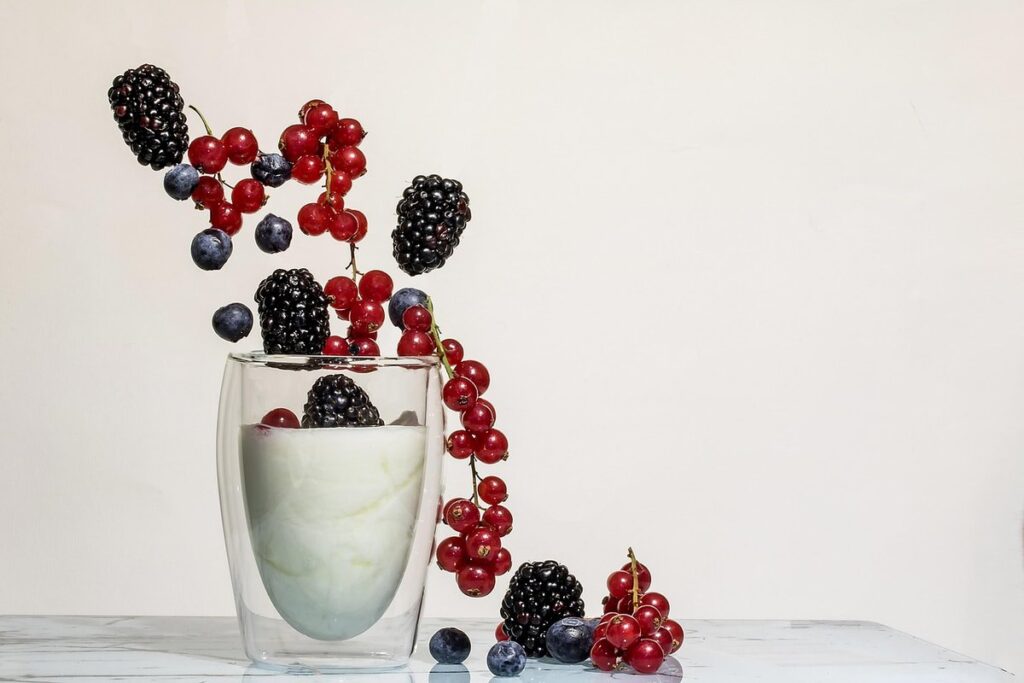
Choosing the Right Fruit Plants for Shaded Areas
When selecting fruit plants for shaded areas, it’s essential to choose varieties that are specifically bred to tolerate low light conditions. This ensures a healthy and productive harvest from your chosen fruits.
Considerations for Selecting Fruit Plants
When selecting fruit plants for shaded areas, it’s essential to consider several key factors. First and foremost, you must think about the climate of your region. Some fruits are more tolerant of shade than others, and some varieties perform better in specific climates.
In temperate regions with mild winters and cool summers, look for fruit plants like strawberries, blueberries, and currants that thrive in partial shade. In warmer climates with hot summers, consider varieties like figs, loquats, and guavas that can tolerate full sun to partial shade.
Another critical consideration is the soil type. Fruit plants have different requirements when it comes to pH levels, nutrient availability, and drainage. Choose varieties that are adapted to your local soil conditions or amend the soil accordingly.
Don’t forget about space constraints – compact or dwarf varieties are perfect for small gardens or container growing. Also, keep in mind that even if a fruit plant can tolerate shade, it will still require adequate air circulation and watering.
Finally, look for specific varieties bred for shade tolerance, such as ‘Shade Master’ apple trees or ‘Chilliwack’ blueberry bushes. These plants are specifically designed to perform well in shaded conditions and will give you the best results.
Popular Fruit Plant Varieties for Shade
If you’re looking for fruit plants that can thrive in shaded conditions, there are several popular varieties to consider. Citrus trees, such as oranges, lemons, and limes, are great options for shaded areas. They prefer partial shade, especially when young, and can tolerate full sun once established. Regular watering and fertilization will promote healthy growth and fruit production.
Figs (Ficus carica) are another excellent choice for shaded spots. These deciduous trees produce two crops of fruit per year and require minimal maintenance. Simply prune them regularly to encourage bushy growth and prevent over-production, which can lead to disease issues.
Grapes (Vitis spp.) also do well in partial shade, especially when grown on a trellis or arbor. There are many varieties to choose from, including table grapes, wine grapes, and even edible ornamental grapes like ‘Thompson Seedless’ or ‘Flame’. Regular pruning will help control their size and promote fruiting.
In general, all these plants prefer well-draining soil and protection from extreme temperatures. By providing them with the right conditions, you can enjoy a bountiful harvest of fresh, shade-grown fruit right in your own backyard!
Factors to Avoid When Selecting Fruit Plants
When selecting fruit plants for shaded areas, it’s easy to get caught up in the excitement of growing your own produce and overlook some crucial factors. One common mistake is choosing plants that require too much sunlight. For instance, citrus trees like oranges and lemons typically need at least six hours of direct sunlight per day. If you have a shaded area, these plants may not thrive.
Another pitfall is selecting fruit plants with high water requirements. Some plants, such as blueberries and strawberries, need consistently moist soil to produce well. In shaded areas, the soil may be cooler and retain more moisture, which can lead to overwatering and root rot. It’s essential to choose fruit plants that are tolerant of shade and have adapted to low-light conditions.
Some examples of fruit plants that grow well in shade include grapes, kiwis, and figs. These plants often require minimal maintenance and can tolerate lower light levels. However, it’s still crucial to research the specific needs of your chosen plant to ensure you provide the right conditions for optimal growth. By avoiding these common mistakes, you’ll be well on your way to growing a thriving fruit garden in even the shadiest of areas.
Growing Conditions for Fruit Plants in Shade
When it comes to growing fruit plants in shade, understanding their specific needs is crucial. Let’s dive into the ideal conditions these plants require to thrive in partial light.
Soil Requirements for Shaded Fruit Plants
When growing fruit plants in shaded conditions, it’s essential to provide them with the right soil environment. Most fruit plants prefer well-draining soil that retains some moisture, but excessive water can lead to root rot and other problems.
Adequate nutrient levels are also crucial for healthy growth and fruit production. A balanced fertilizer should be applied regularly, following the manufacturer’s instructions. However, in shaded conditions, the nutrient needs of fruit plants may differ from those growing in full sun. For example, citrus trees grown in shade require more potassium to compensate for the reduced light.
pH levels are also important, as most fruit plants prefer a slightly acidic to neutral soil pH (between 6.0 and 7.0). If your local water has high alkalinity, you may need to adjust your fertilizer choice accordingly. To retain moisture without overwatering, add organic matter such as compost or well-rotted manure to improve the soil‘s water-holding capacity.
Monitor your plants’ response to these adjustments, and be prepared to make further changes based on their specific needs.
Watering and Irrigation Strategies
Watering and irrigation are crucial aspects of caring for fruit plants in shade. When it comes to frequency, it’s essential to water your plants when the top 2-3 inches of soil feel dry to the touch. However, this can vary depending on the type of plant, climate, and time of year. For example, blueberries require more frequent watering than strawberries.
The amount of water used is also vital. Overwatering can be detrimental to fruit plants in shade, leading to root rot and other issues. A good rule of thumb is to provide 1-2 gallons of water per plant, depending on the size of the plant. You should aim to deliver water directly to the roots, rather than just sprinkling it on the surface.
Irrigation strategies can help conserve water and reduce waste. Soaker hoses and drip irrigation systems are effective options for delivering water directly to the roots without losing moisture to evaporation or runoff. These methods also promote healthy root growth, which is essential for fruit production in shaded conditions.
Fertilization and Pruning Techniques
When it comes to fertilizing fruit plants growing in shade, you’ll want to focus on providing them with the necessary nutrients without overloading their roots. A balanced fertilizer with a ratio of 10-10-10 (nitrogen-phosphorus-potassium) is a good starting point. However, since shaded conditions can reduce nutrient uptake, consider using a slow-release fertilizer that will provide a steady supply of nutrients throughout the growing season.
Pruning is also crucial for promoting healthy growth in fruit plants grown in shade. Prune your trees annually to remove any dead or diseased branches, as well as crossing branches that may rub against each other and cause damage. In shaded conditions, it’s essential to thin out the canopy to allow more sunlight to penetrate and promote fruiting.
When pruning, focus on maintaining a central leader and removing any weak growth. Cut back branches to about one-third of their length to encourage bushy growth and prevent legginess. Regular pruning will also help control pests and diseases that thrive in shaded conditions. By implementing these fertilization and pruning techniques, you’ll be well on your way to growing healthy and productive fruit plants even in the shadiest of spots.
Fruit Plant Maintenance and Care
To keep your shade-loving fruit plants thriving, it’s essential to understand their specific maintenance needs. Regular care will ensure they continue to produce delicious fruit year after year.
Pest and Disease Management
When it comes to fruit plants growing in shade, they’re not entirely immune to pests and diseases. Fungal infections are a common problem for these plants, particularly when the soil is consistently moist but not well-draining. Leaf spot and powdery mildew are two examples of fungal infections that can weaken your plant’s ability to produce fruit.
To prevent infestations, ensure your plant has good air circulation by keeping it at least six inches away from any walls or other plants. Also, avoid overhead watering, which can promote the growth of fungus. If you do notice signs of infection, treat the affected areas with a fungicide and improve soil drainage to prevent further damage.
In addition to fungal infections, fruit plants in shade are also susceptible to pests like aphids and spider mites. These tiny insects can multiply rapidly if not caught early, so be on the lookout for curled or distorted leaves, sticky honeydew droplets, and fine webbing between branches. To control these pests, use neem oil or insecticidal soap, which can be applied directly to the affected areas.
Another effective way to prevent infestations is through cultural practices like crop rotation and pruning. Regularly inspect your plant for any signs of stress or damage, and take action promptly to prevent minor issues from becoming major problems.
Pollination Strategies for Shaded Fruit Plants
When it comes to fruit plants growing in shade, pollination can be a major challenge. Bees and other pollinators are often scarce in shaded areas, making it difficult for fruit plants to reproduce successfully. This is why understanding and implementing effective pollination strategies is crucial for ensuring proper pollination.
One of the most straightforward methods of hand-pollination is the “bagging” technique. This involves gently transferring pollen from the anther (the pollen-producing part) of one flower to the stigma (the pollen-receiving part) of another flower using a small, clean brush or cotton swab. For example, when growing strawberries in shade, you can use this method by collecting pollen from the anthers of a few flowers and applying it to the stigma of others.
Another approach is companion planting, where plants with different pollination requirements are grown together to attract various pollinators. For instance, pairing dwarf citrus trees with marigolds or nasturtiums can attract beneficial insects that aid in pollination. By understanding these techniques and incorporating them into your fruit plant care routine, you can ensure proper pollination even in shaded conditions.
By implementing these hand-pollination techniques and companion planting strategies, you’ll be well on your way to successfully growing a variety of fruits in the shade, including blueberries, raspberries, and blackberries.
Common Shade-Related Issues with Fruit Plants
When growing fruit plants in shade, you may encounter some common issues that can affect their health and productivity. One of the main problems is reduced fruit production. This can be due to the plant not receiving enough sunlight to produce the necessary hormones for fruit development. To address this issue, make sure your shade-tolerant fruit plant is getting at least 4-6 hours of indirect light per day.
Another common problem is leaf scorch, which occurs when the leaves receive more direct sunlight than they can handle. This can be caused by inadequate foliage or an imbalance in soil nutrients. To prevent leaf scorch, ensure that your plant has sufficient leaves to shade its own fruit and flowers. Also, check the pH level of the soil and adjust it if necessary.
Yellowing leaves are another issue you might encounter when growing fruit plants in shade. This can be a sign of nutrient deficiency or overwatering. To address this problem, fertilize your plant regularly with a balanced fertilizer, and avoid overwatering by checking the moisture levels of the soil before watering.
Selecting the Perfect Location for Your Shaded Fruit Plant
When choosing a home for your shaded fruit plant, it’s essential to consider factors like sunlight filtering through trees and nearby structures that could impact its growth. Let’s dive into these location considerations!
Understanding Sun and Shade Patterns
To select the perfect location for your shaded fruit plant, it’s essential to understand sun and shade patterns on your property. Start by observing the way sunlight falls on different areas of your yard throughout the day. Take note of the direction of sunlight – does it pour in from the east or west? This will help you determine which areas receive direct sunlight during peak hours.
Next, assess the size and density of tree canopies. If you have mature trees nearby, their branches may cast dappled shade on certain areas of your yard. Consider how this shade pattern will impact your fruit plant’s growth. You want to choose a location that receives consistent, filtered light, rather than intense direct sunlight.
Soil moisture levels also play a crucial role in determining the best location for your shaded fruit plant. Areas with deeper soil and better drainage tend to stay cooler and moister, making them ideal for plants that prefer shade. Conversely, areas with shallow soil or poor drainage may require more frequent watering, which can be detrimental to your fruit plant’s health.
Integrating Shaded Fruit Plants into Your Garden Design
When incorporating shaded fruit plants into your garden design, consider companion planting to maximize space and yields. Certain plants, such as basil and mint, repel pests that target fruiting plants like strawberries and blueberries. These beneficial relationships can be leveraged to create a harmonious and efficient growing environment.
For support systems, consider using trellises or arbors for climbing varieties like kiwi and passionfruit. This will not only provide structural support but also make the most of vertical space in your garden. For example, train kiwi vines up a sturdy trellis, allowing them to spread out and produce more fruit.
When allocating space for shaded fruit plants, consider their mature size and growth habits. Plant compact varieties like dwarf citrus or figs near pathways or in corners where they won’t overwhelm the surrounding area. By strategically placing these plants, you can create a diverse and productive shaded garden that requires minimal maintenance.
Conclusion
Now that you’ve learned how to grow a variety of fruit plants in shade, let’s summarize the key takeaways from our comprehensive guide.
Recap of Key Takeaways
To ensure you successfully grow fruit plants in shade, remember to select varieties that thrive in low-light conditions. This includes plants like strawberries, blueberries, and raspberries, which can tolerate partial shade. However, always check the specific growing requirements for each plant to guarantee optimal results.
In addition to choosing the right plants, provide your fruit trees with the necessary growing conditions to promote healthy growth. This includes ensuring they receive sufficient water, nutrients, and pruning to maintain their shape and encourage fruit production. Regularly inspect your plants for signs of stress or disease and take prompt action to address any issues that arise.
Proper maintenance is also crucial for successful shade-grown fruit plants. Monitor temperature fluctuations and adjust your care routine accordingly. For example, if you live in an area with extremely hot summers, ensure your plants receive adequate water during these periods. By following these key takeaways, you’ll be well on your way to growing delicious and bountiful fruit plants in even the shadiest of conditions.
Final Thoughts on Growing Fruit Plants in Shade
As we conclude our comprehensive guide to fruit plants that grow in shade, it’s essential to remember that the possibilities are endless. With a little creativity and experimentation, you can transform even the shadiest areas of your garden into a thriving oasis filled with delicious fruits.
Don’t be afraid to try new combinations of plants or experiment with different growing methods. You might discover a unique blend that not only delights your senses but also attracts beneficial pollinators and other wildlife. For instance, layering shade-tolerant fruit plants like strawberries and blueberries under a trellised kiwi vine can create a lush, productive canopy.
As you continue to explore the world of shaded fruit growing, remember to monitor your plants’ specific needs, adjusting their care accordingly. Keep in mind that some varieties may require more frequent pruning or supplemental lighting to ensure optimal growth. With patience and practice, you’ll unlock the secrets to coaxing even the most reluctant shade-lovers into producing an abundance of fresh, juicy fruits.
Frequently Asked Questions
Can I grow fruit plants in areas with dense foliage, or will they still need some sunlight?
While it’s true that most fruit plants require some direct sunlight to thrive, there are several varieties that can tolerate deep shade and high levels of humidity. Look for species like citrus trees, figs, and grapes, which can perform well in areas with limited sunlight.
How do I determine the optimal growing conditions for my specific shaded area?
To ensure your fruit plants receive the right amount of light, it’s essential to assess your shaded area carefully. Consider factors such as the type of shade (e.g., dappled or full), the time of day when the shade occurs, and the surrounding environment. This will help you select the best-suited fruit plant varieties for your space.
Can I mix different types of fruit plants in my shaded garden, or should they be grouped together?
While it’s possible to grow multiple fruit plants together in a shaded area, some species may compete with each other for resources like water and nutrients. Consider grouping similar plants together (e.g., all citrus trees) to create efficient irrigation systems and minimize potential conflicts.
What are some common pests or diseases that target shaded fruit plants, and how can I prevent them?
Shaded areas can be more susceptible to fungal diseases and pests due to the high humidity levels. Regularly inspect your plants for signs of infestation or disease, and take preventative measures such as pruning infected areas, using organic pest control methods, and implementing crop rotation techniques.
Can I start with a smaller selection of fruit plant varieties and gradually expand my collection?
Absolutely! Starting small is often the best approach when introducing new fruit plants to your shaded garden. Begin with 2-3 easy-to-grow varieties that suit your climate and growing conditions, and then gradually add more species as you gain experience and confidence in your gardening skills.