
Are you tired of seeing your hard-earned garden succumb to those pesky deer? Those beautiful creatures may be lovely to look at, but they can be devastating to our carefully tended gardens. Deer can cause significant damage to plants, flowers, and even trees, leaving us with a costly and time-consuming cleanup. But fear not! With the right strategies in place, you can effectively keep deer out of your garden for good.
In this article, we’ll explore some effective ways to deter deer from your garden using physical barriers, repellents, and plant-based solutions that work long-term. We’ll delve into the different types of repellents available, including sprays, granules, and powders, as well as examine some clever plant choices that are naturally deer-resistant. By the end of this article, you’ll be equipped with the knowledge to create a deer-free garden oasis in no time!
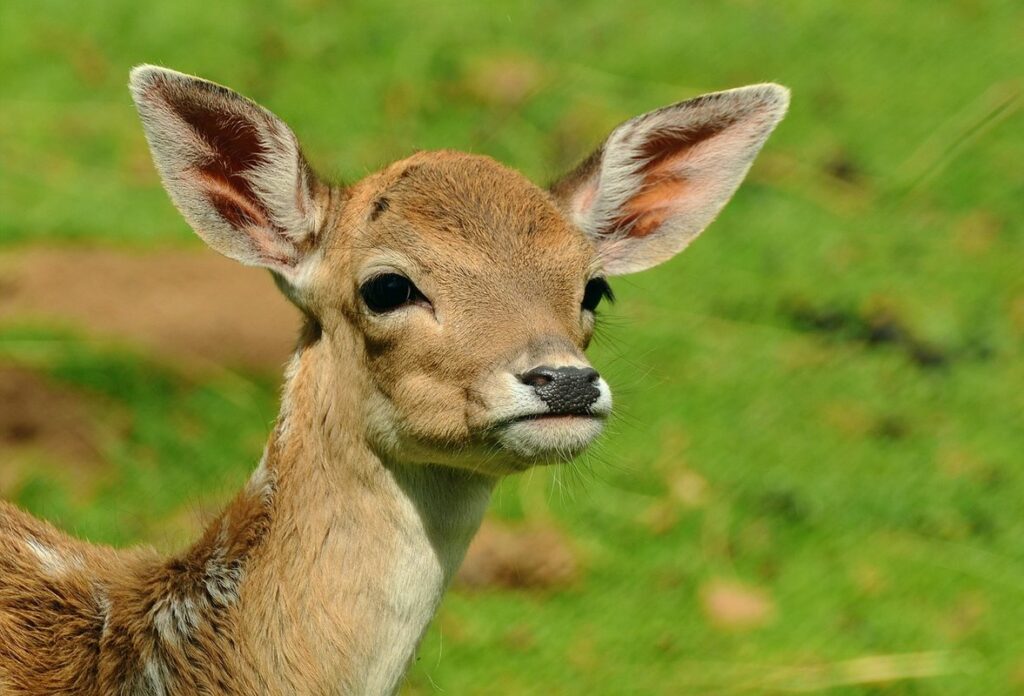
Understanding Deer Behavior and Habitat
To effectively keep deer out of your garden, it’s crucial to understand their behavior and habitat preferences. This allows you to anticipate and prevent unwanted visits.
Recognizing Common Attractants
Deer are drawn to gardens for various reasons, but understanding these attractants is crucial to developing effective deterrents. One of the most significant draws is food sources, particularly fruits and vegetables that are ripe and easily accessible. Apple trees, berry bushes, and garden beds with fresh produce are like a buffet for deer. Even flowers can be a temptation if they’re rich in nectar or pollen.
Water sources are also a major attractant, as deer need to stay hydrated, especially during hot summer months. A nearby pond, stream, or even a birdbath can draw deer into your garden. Additionally, deer often seek shelter from harsh weather conditions, predators, and human activity. Dense vegetation, such as shrubs and trees with low-hanging branches, can provide the perfect hiding spot for these creatures.
To effectively keep deer away from your garden, it’s essential to understand why they’re visiting in the first place. By removing or securing food sources, blocking access to water, and modifying shelter options, you can significantly reduce the chances of deer inhabiting your garden.
Identifying Deer-Resistant Plants
When it comes to creating a deer-resistant garden, selecting the right plants is crucial. Deer tend to avoid certain plants that are unpalatable or have strong scents, making them an excellent choice for gardens located in areas with high deer activity.
Some of the most effective deer-resistant plants include shrubs like boxwood and holly, as well as flowers such as daffodils and hyacinths. These plants contain toxic compounds that deter deer from feeding on them. For example, the bulbs of daffodils and hyacinths contain alkaloids that are unpalatable to deer.
Other options include plants with strong scents like lavender and rosemary. Deer tend to dislike these herbs due to their pungent aroma. Consider incorporating these plants into your garden design to create a barrier against deer intrusion. When selecting deer-resistant plants, it’s essential to choose varieties that are specific to your region and climate.
When combining deer-resistant plants with other deterrent methods, you’ll significantly reduce the likelihood of deer feeding on your garden. By understanding which plants deer tend to avoid, you can create an effective defense system for your garden.
Physical Barriers and Deterrents
To effectively keep deer away from your garden, let’s explore some physical barriers that can block their access. We’ll look at fencing options, netting, and other deterrents you can use to protect your plants.
Installing Fencing Options
When it comes to installing fencing options to keep deer out of your garden, there are several types of materials to consider. Wooden fencing is a popular choice due to its natural appearance and relatively low cost. However, it may not be the most durable option, as deer can easily chew through or damage wooden pickets.
Metal fencing, on the other hand, is often more effective at keeping deer out, especially if it’s made from sturdy materials like aluminum or steel. This type of fencing is also less prone to damage and can withstand harsh weather conditions. Installation costs for metal fencing may be higher, but its durability makes up for the initial investment.
Plastic fencing is another option to consider, particularly for gardeners on a budget. While it’s often cheaper than wood or metal options, it may not be as effective at keeping deer out. However, some high-quality plastic fences can provide reliable protection and are easy to install.
When selecting a fence type, it’s essential to consider the specific needs of your garden and the types of deer that frequent your area. For example, if you live in an area with large, aggressive deer, a more robust metal or wooden fence may be necessary.
Using Repellents and Deterrents
When it comes to using repellents and deterrents to keep deer away from your garden, there are several effective options available. Repellent sprays, granules, and powders can be used to deter deer by masking the scent of plants or creating an unpleasant odor that deer associate with danger.
For example, commercial repellents often contain capsaicin, a compound found in hot peppers, which irritates the eyes and nose of deer. These products typically need to be reapplied regularly, as their potency can decrease over time. Natural deterrents like garlic-based sprays or soap solutions can also be effective, although they may require more frequent application.
When choosing a repellent or deterrent, consider the ingredients, application method, and potential side effects. For instance, some products may contain harsh chemicals that can harm beneficial insects or pets. Others might not be suitable for use in areas with sensitive plants or water sources nearby. By carefully selecting and using these products according to the manufacturer’s instructions, you can help keep deer away from your garden while minimizing any potential risks.
Plant-Based Solutions
For gardeners looking for non-toxic ways to deter deer, plant-based solutions offer a humane and environmentally friendly option that’s worth exploring further. These natural barriers can be surprisingly effective.
Deer-Resistant Gravel and Mulch
When it comes to plant-based solutions that deter deer from your garden, incorporating specific types of gravel or mulch can be a simple yet effective approach. These products often repel deer due to their scent or taste, making them an attractive option for gardeners looking for non-toxic and chemical-free solutions.
Lavender-based mulch is one such product that has gained popularity among gardeners. Deer tend to avoid the pungent aroma of lavender, which makes this type of mulch a great choice for gardens located in areas with high deer activity. For example, the USDA reports that using lavender-based mulch can reduce deer damage by up to 75% in certain regions.
Another option is garlic-infused gravel or mulch, which is often used to deter deer from specific areas within the garden. The strong scent of garlic repels deer, making it an effective solution for gardens with high-value plants that are vulnerable to deer browsing. To use garlic-infused gravel effectively, apply a 2-inch layer around the perimeter of your garden and refresh as needed.
When selecting a deer-resistant gravel or mulch product, consider the specific needs of your garden and the types of plants you’re growing. Keep in mind that while these products can be effective deterrents, they may not completely eliminate deer damage.
Companion Planting Strategies
When it comes to keeping deer away from your garden, companion planting can be a powerful strategy. By pairing plants that naturally repel deer with those you want to protect, you can create a safe and thriving garden ecosystem.
Certain plants, such as hot peppers, garlic, and chives, are known to deter deer due to their strong scents. Planting these species alongside your desired crops can help keep deer at bay. For example, planting marigolds with tomatoes can not only add color and beauty but also repel nematodes and attract beneficial insects that prey on pests.
Some other beneficial plant combinations include:
* Planting lavender near roses to deter deer
* Pairing basil with vegetables like lettuce and spinach to create a deer-repelling garden bed
* Incorporating daffodils, which are toxic to deer, into your landscaping
To get the most out of companion planting, choose plants that thrive in similar conditions as your target crops. Plant them together at the same depth and spacing, and maintain good gardening practices like watering and mulching to keep your garden healthy and deer-free.
Alternative Methods
If traditional deterrents aren’t working for you, don’t worry – we’ve got some unconventional yet effective methods to keep deer away from your garden without breaking the bank.
Motion-Activated Sprinklers and Other Devices
If you’re looking for non-lethal deterrents to keep deer away from your garden, alternative methods can be a great solution. Motion-activated sprinklers are one such option that uses sudden bursts of water to scare deer off. These devices detect movement and trigger the sprinkler arm, which shoots water high into the air. Deer dislike getting wet, so this method is effective in keeping them away.
Another device you might consider is an ultrasonic repellent. These units emit a high-pitched sound that’s inaudible to humans but unpleasant for deer. They’re often battery-powered and can be placed strategically around your garden. Some studies have shown these devices to be up to 90% effective in deterring deer.
When using motion-activated sprinklers or ultrasonic repellents, it’s essential to remember a few things. Place them at least 10 feet away from any plants or features you don’t want damaged by the water spray. Also, make sure they’re securely anchored to prevent them from being knocked over by strong winds. Some users find that using multiple devices around their garden can be more effective than relying on just one.
Professional Wildlife Services and Consulting
Hiring a professional wildlife services company can be an effective way to address deer-related issues in your garden. These experts have the knowledge and equipment necessary to safely and humanely deter deer from your property. They can also assess the root cause of the problem, whether it’s food sources or shelter, and develop a customized plan to mitigate the issue.
A wildlife consultant can provide guidance on creating a deer-resistant landscape design for your garden. This might include planting native vegetation that is less appealing to deer, using physical barriers like fencing or netting, or implementing scare tactics such as noise-making devices or motion-activated sprinklers.
When selecting a professional wildlife services company, look for one with experience in handling deer control and a good reputation in your area. Be sure to ask about their methods, equipment, and guarantee of results before hiring them. By partnering with a professional, you can enjoy a deer-free garden without the need for DIY solutions or repeated attempts at repelling these beautiful but pesky creatures.
Maintenance and Long-Term Strategies
To ensure a deer-free garden for years to come, you’ll want to implement long-term strategies that not only keep deer at bay but also maintain your yard’s health. This section will guide you through those crucial steps.
Seasonal Rotations and Plant Selection
Seasonal rotations are crucial when it comes to minimizing the attractiveness of your garden to deer. Deer tend to graze on plants with tender shoots and leaves during certain times of the year, so rotating your plant selection can help keep them away. For example, if you have a bed filled with spring-blooming perennials like tulips or daffodils, consider replacing them with plants that thrive in warmer weather, such as tomatoes or peppers.
When selecting plants for your garden, take into account deer preference and growth habits. Deer tend to favor plants with soft, palatable leaves and stems, so choose plants with prickly or bitter-tasting foliage, like lavender or rosemary. Consider the maintenance requirements of each plant as well – deer are more likely to avoid areas that require frequent watering or pruning.
Some good options for deer-resistant plants include coneflower, black-eyed Susan, and daylily. These plants not only repel deer but also attract beneficial pollinators like bees and butterflies. By incorporating these plants into your garden rotation, you can create a more sustainable and deer-deterrent landscape.
Regular Monitoring and Adaptation
Regular monitoring of your garden is crucial to identify potential entry points for deer. Inspect fences regularly, looking for signs of wear and tear, such as damaged posts, loose wires, or gaps between sections. Make repairs promptly to prevent deer from exploiting these weaknesses.
Keep an eye on plant growth and adjust your strategy accordingly. As plants mature, they may become more attractive to deer, so consider pruning or relocating them if necessary. For example, if you notice deer frequently targeting a particular area of your garden, consider planting deer-resistant species in that zone.
Also, pay attention to seasonal changes and adapt your measures accordingly. In the spring, when new growth emerges, deer may be more active as they seek food sources. In the winter, when other forage is scarce, deer may concentrate their efforts on a few remaining sources of nutrition. By being attuned to these fluctuations, you can adjust your strategies to stay one step ahead of these clever animals.
Conclusion
In conclusion, keeping deer away from your garden can be achieved through a combination of deterrents and preventative measures. By implementing some or all of the solutions discussed in this article, you’ll be well on your way to protecting your plants and enjoying a thriving garden. Remember to consider the type of plants you have and tailor your approach accordingly – for example, if you’re growing crops that are particularly attractive to deer, such as berries or vegetables, you may need to take extra precautions. With persistence and patience, you can successfully keep deer out of your garden and enjoy the fruits of your labor. Don’t give up – with time and practice, you’ll develop a system that works for you and keeps those pesky deer at bay.
Frequently Asked Questions
How do I know which type of deer repellent is best for my garden?
When choosing a repellent, consider the size of your garden, the number of deer present, and their feeding habits. For small gardens or occasional visitors, sprays or granules might be sufficient. For larger areas or frequent deer visits, powders or more potent formulas may be necessary.
What if I have a large garden with many deer-resistant plants – do I still need to use repellents?
Yes. While deer-resistant plants can help deter deer, they’re not foolproof and won’t completely eliminate the risk of deer damage. Repellents provide an extra layer of protection and can be especially useful in areas where deer are particularly aggressive or persistent.
Can I use homemade remedies instead of commercial repellents?
While some natural methods, like using hot peppers or soap solution, may have temporary effects, they often lack the long-term efficacy of commercial products. These DIY solutions might need frequent reapplication, and their effectiveness can be inconsistent. For reliable results, it’s usually better to invest in a reputable commercial repellent.
How do I ensure my physical barriers (like fencing) remain effective over time?
Regularly inspect your fences for signs of wear, damage, or gaps that deer could exploit. Make sure all materials are securely fastened and any repairs are made promptly to prevent further damage. Consider adding additional deterrents like electric tape or netting to enhance the barrier’s effectiveness.
Can I use repellents in conjunction with physical barriers?
Yes. In fact, combining repellents with physical barriers can create a multi-layered defense system that’s more effective than using either method alone. This layered approach can help ensure your garden remains deer-free even during periods of high deer activity or when plants are particularly attractive to them.