
Are you ready to bring a touch of tropical paradise into your garden? Growing lemongrass can be a wonderful addition to any outdoor space, with its vibrant foliage and citrusy aroma. Not only is lemongrass a versatile herb used in cooking, but it’s also packed with health benefits and has natural insect-repelling properties.
However, growing lemongrass from scratch can seem intimidating, especially if you’re new to gardening. That’s why we’ve put together this comprehensive guide on how to plant lemongrass, covering everything from choosing the right variety to troubleshooting common issues. We’ll walk you through soil preparation, watering, fertilizing, and harvesting techniques, so you can enjoy a bountiful harvest of fragrant lemongrass stalks in no time. Whether you’re a seasoned gardener or just starting out, this article is designed to take the guesswork out of growing lemongrass.
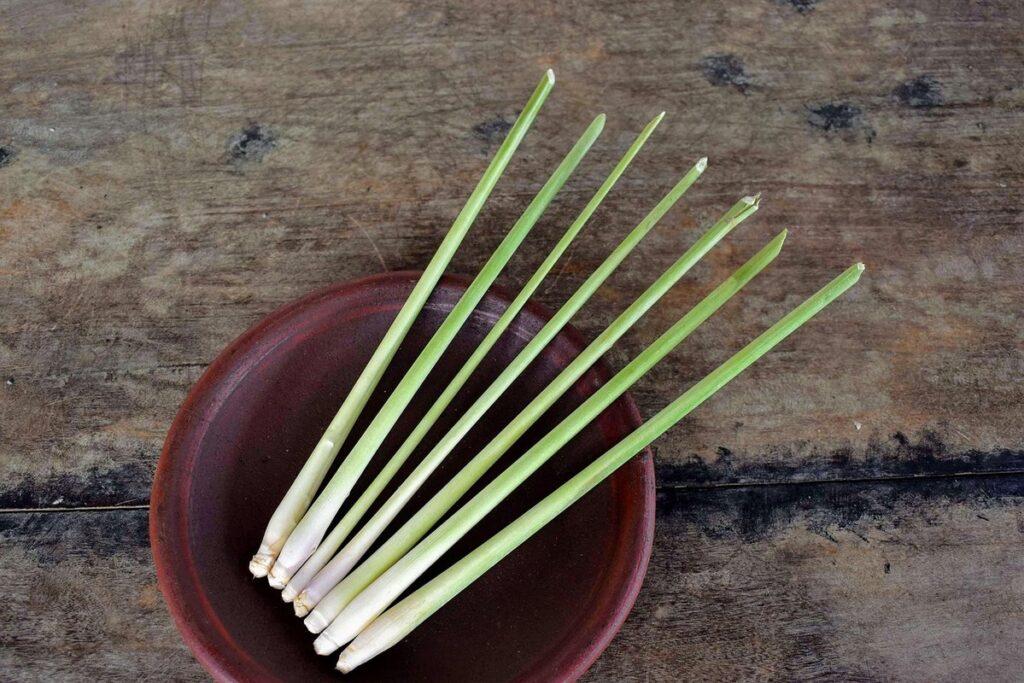
Choosing the Right Variety and Conditions
Now that you’ve learned how to prepare your lemongrass plant, let’s talk about selecting the perfect variety for your climate and conditions. This will ensure a thriving and healthy growth of your citrusy herb.
Understanding Lemongrass Types
When selecting lemongrass for your garden, you’ll notice that there are several types available. These variations can affect everything from the plant’s height to its flavor and fragrance.
West Indian lemongrass is a popular choice among gardeners due to its hardiness and robust growth habit. This type of lemongrass can grow up to 6 feet tall, making it ideal for containers or borders in tropical climates. Its leaves are also thicker and more fragrant than other varieties, which makes them perfect for cooking.
In contrast, East Indian lemongrass is a smaller plant that grows around 2-3 feet tall. It has narrower leaves and a milder flavor compared to West Indian lemongrass. This variety is suitable for indoor gardens or small spaces where its compact growth won’t overwhelm the area.
Malabar lemongrass, on the other hand, boasts an unique appearance with leaves that are curly and twisted. Its aroma and flavor profile fall somewhere in between West Indian and East Indian lemongrass. Consider your garden’s conditions and preferences when choosing a type of lemongrass to ensure you pick the best fit for your needs.
If you’re planting multiple types, don’t worry about mixing them up – they’ll all grow well together!
Preparing the Soil for Lemongrass
Before planting lemongrass, it’s essential to prepare the soil to ensure optimal growth. Lemongrass prefers well-draining, fertile soil with a slightly acidic to neutral pH level, ranging from 6.0 to 7.0. If your soil is heavy clay or sandy, mix in organic matter like compost or well-rotted manure to improve its structure.
Lemongrass needs full sun to partial shade, so choose a location that receives direct sunlight for at least six hours a day. Avoid planting lemongrass in low-lying areas where water may collect, as this can lead to root rot.
Water lemongrass regularly, but make sure the soil isn’t waterlogged. Aim to provide about 1 inch of water per week, either through rainfall or irrigation. Mulching around the plants will help retain moisture and suppress weeds.
To prepare your soil for planting, test its pH level using a DIY kit or send a sample to a lab for analysis. Based on the results, adjust the soil accordingly by adding lime to raise the pH or sulfur to lower it. Once you’ve optimized the soil conditions, lemongrass will thrive and reward you with fragrant stalks and leaves.
Obtaining Healthy Lemongrass Plants
To successfully plant lemongrass, you’ll first need to obtain healthy plants, which can be done through local nurseries, online seed banks, or even propagating from existing lemongrass stalks. This section will guide you through each option.
Purchasing Lemongrass from a Nursery or Online Store
When purchasing lemongrass from a nursery or online store, it’s essential to choose a reputable source to ensure you get healthy plants. Buying from a trusted nursery or online retailer has several benefits. For one, they often provide guidance on how to care for the plant, which can be especially helpful for beginners. Additionally, reputable sources typically have high-quality plants that are less likely to be infested with pests or diseases.
When selecting lemongrass plants from a nursery or online store, look for signs of healthy growth, such as vibrant green leaves and sturdy stalks. Avoid plants with yellowing leaves, wilting, or visible damage. Check the plant’s roots to ensure they are well-developed and not root-bound. Some nurseries may also offer certifications like USDA Organic or locally grown, which can be a good indicator of quality.
Before making a purchase online, read reviews from other customers to gauge the seller’s reputation. Look for stores with clear shipping policies, and make sure the plants are packaged securely to prevent damage during transit.
Propagating Lemongrass through Division
Propagating lemongrass through division is an effective method to multiply your favorite herb and share it with friends. When to divide lemongrass depends on the plant’s age and growth. Typically, you can divide established clumps when they reach 6-8 inches in diameter. Choose a healthy, mature stalk with at least two visible nodes (the joint where a leaf meets the stem) from your existing lemongrass plant.
Cut the stalk near the base using a sharp knife or pruning shears, making sure each section has at least one node and some roots attached. Allow the cut sections to air dry for 1-2 days to form calluses over any exposed areas. Plant the divisions in well-draining soil with full sun and keep them consistently moist during the first few weeks after division. Water deeply once or twice a week, depending on weather conditions.
New lemongrass plants should develop within 6-8 weeks. Keep them away from extreme temperatures (below 40°F or above 90°F) to ensure optimal growth. Regular watering and fertilization will promote healthy development of the new plants.
Planting Lemongrass: A Step-by-Step Guide
Before you dive into growing your own lemongrass, let’s start by planting it from scratch. This step-by-step guide will walk you through the process of planting lemongrass successfully.
Preparing the Planting Site
When selecting a location for planting lemongrass, it’s essential to choose an area that receives adequate sunlight and water supply. Lemongrass requires full sun to partial shade, meaning it needs at least 4-6 hours of direct sunlight per day. If you’re planning to grow lemongrass in a shaded area, expect slower growth rates.
Consider the climate and temperature of your region when choosing a planting site. Lemongrass thrives in warm temperatures between 64°F and 90°F (18°C and 32°C). Avoid areas with frost, as lemongrass is sensitive to cold temperatures.
In terms of water supply, lemongrass needs consistently moist soil but can tolerate some drought. Ensure the planting site drains well to prevent root rot. You can also consider installing a drip irrigation system to provide targeted watering. By choosing a suitable location, you’ll set your lemongrass plant up for success and enjoy a bountiful harvest of fragrant stalks.
Digging the Hole and Adding Organic Matter
Adding organic matter like compost or well-rotted manure to the soil is an essential step in preparing it for lemongrass planting. These materials enrich the soil with nutrients and improve its fertility, making it an ideal environment for the plant’s growth.
As you begin digging the hole, consider incorporating about 2-3 inches of compost into the bottom. This will provide a nutrient-rich base that will allow your lemongrass to develop a strong root system. You can also mix in some well-rotted manure to enhance soil drainage and prevent waterlogging.
The benefits of adding organic matter are numerous. It helps break down compacted soil, allowing roots to breathe and grow more easily. Organic matter also acts as a natural fertilizer, providing essential nutrients that promote healthy plant growth. By incorporating these materials into your planting mix, you’ll be creating an optimal environment for your lemongrass to thrive in. Remember to mix the organic matter well with the existing soil to avoid any clumps or unevenness.
Caring for Lemongrass Plants
To keep your lemongrass plant thriving, it’s essential to provide it with proper care and attention. Learn how to water, prune, and maintain your lemongrass plant for optimal growth.
Watering and Fertilizing Requirements
Lemongrass plants require consistent moisture, especially during their first year of growth. Water them deeply once a week, allowing the top 2-3 inches of soil to dry out between waterings. However, avoid over-watering, which can lead to root rot and other problems. Check the soil’s moisture by inserting your finger into the soil up to the knuckle. If it feels dry, it’s time for watering.
Fertilize lemongrass plants regularly with a balanced, water-soluble fertilizer. Dilute the fertilizer according to the manufacturer’s instructions and apply it once a month during the growing season (spring-fall). This will promote healthy growth and prevent nutrient deficiencies. Avoid over-fertilizing, as this can damage the plant.
Some signs of over-watering include yellowing leaves, droopy stems, and soft, mushy roots. If you notice any of these symptoms, adjust your watering schedule immediately. On the other hand, if the soil feels dry to the touch or the plant is looking a bit wilted, it may be time to water. Keep in mind that lemongrass plants prefer well-draining soil and can tolerate some drought, but consistent moisture will encourage healthy growth.
Pruning and Training Techniques
To maintain the health and vigor of your lemongrass plant, regular pruning is essential. Pruning not only encourages bushy growth but also helps to prevent flowering, which can reduce the plant’s flavor and aroma.
Prune your lemongrass plant every 6-8 weeks during its active growing season, typically from spring to fall. Remove any dead or damaged leaves, as well as any flower stalks that may have formed. Use a sharp pair of scissors or pruning shears to cut back the stalks to about one-third of their height.
When cutting, make clean cuts just above a node (where a leaf meets the stem). This will help the plant direct its energy towards producing new growth rather than flowering. You can also use this opportunity to thin out the foliage, allowing more sunlight to reach the inner leaves and promoting even growth.
By pruning your lemongrass regularly, you’ll be rewarded with a robust, fragrant plant that’s perfect for cooking or ornamental purposes.
Troubleshooting Common Issues
If you’re experiencing problems with your lemongrass, don’t worry – we’ve got you covered. This section will help you identify and resolve common issues that can affect your plants’ growth.
Identifying Pests and Diseases
When it comes to growing lemongrass, pests and diseases can be a major issue if not identified and addressed promptly. As you’re learning the ins and outs of planting lemongrass, it’s essential to know how to recognize common problems.
Pests like aphids and spider mites are notorious for infesting lemongrass plants. Aphids, tiny sap-sucking insects, can be identified by their pear-shaped bodies and soft, woolly appearance. If you notice white cottony patches on your plant’s stems or leaves, it could be a sign of an aphid infestation. Spider mites, on the other hand, are incredibly small (about 1/20th inch in length) and can be identified by their web-like threads on the underside of leaves.
Common diseases affecting lemongrass include root rot, leaf spot, and fungal infections. Root rot is often caused by overwatering and can be recognized by soft, mushy stems or a foul odor emanating from the soil. Leaf spots are usually circular in shape and appear as yellowish or brownish patches on leaves. Fungal infections, such as powdery mildew, can cause a white, powdery coating to form on leaves.
To prevent these issues, make sure to maintain good air circulation around your plants, water them carefully (avoiding overwatering), and keep an eye out for any unusual growth or discoloration. Regularly inspect your plants and take action promptly if you notice any signs of pests or diseases.
Addressing Environmental Stressors
Lemongrass plants are relatively hardy and adaptable to different environments, but they can still be sensitive to extreme temperatures and humidity levels. If you’re growing lemongrass outdoors, direct sunlight for most of the day is ideal, but temperatures above 90°F (32°C) or below 40°F (4°C) can cause stress.
On the other hand, lemongrass requires a relatively low level of humidity, around 50-60%. High humidity levels can lead to root rot and other fungal diseases. To mitigate these risks, ensure good air circulation by keeping your plants at least 12 inches apart.
If you live in an area with frost or extreme temperature fluctuations, consider growing lemongrass in containers that can be moved indoors during harsh weather conditions. This will also help prevent any potential root damage.
When planting lemongrass, make sure the soil drains well and has a slightly acidic pH between 6.0-7.0 to promote healthy growth. Regularly monitor your plants for signs of environmental stress, such as yellowing leaves or slow growth, and adjust their environment accordingly.
Harvesting Lemongrass for Maximum Flavor and Aroma
Now that you have a thriving lemongrass plant, it’s time to harvest the grass for maximum flavor and aroma. Learn how to trim and prepare your lemongrass for use in cooking.
When to Harvest Lemongrass
When it comes to harvesting lemongrass for maximum flavor and aroma, timing is everything. The optimal time to harvest lemongrass stalks depends on their age and maturity level.
For young lemongrass plants (around 6-8 inches tall), you can start harvesting individual stalks as soon as they reach this height. Simply cut off the top third of each stalk with a sharp knife or pruning shears, leaving about an inch of stem intact to allow for regrowth. This will encourage new shoots to emerge and help maintain the plant’s overall health.
For mature lemongrass plants (typically 12-18 inches tall), you can harvest the entire stalk, but only after it has reached its full height. Cut the stems at the base using a sharp knife or pruning shears, making sure to leave about an inch of stem intact for regrowth. Be careful not to damage the underground rhizomes, which are responsible for producing new shoots.
Remember to harvest lemongrass in the morning, when the oil content is highest, and store it in a dry, cool place immediately after harvesting to preserve its flavor and aroma.
Preparing Lemongrass for Use in Cooking
When you’re ready to use your harvested lemongrass in cooking, it’s essential to prepare it correctly to unlock its full flavor and aroma potential. The way you clean, chop, or slice lemongrass can significantly impact the final dish.
For teas, lemongrass stalks can be bruised gently with the back of a knife to release their oils and then added directly to hot water. Alternatively, you can tie a few stalks together with kitchen twine and steep them in a teapot for a more subtle flavor. For marinades or sauces, it’s best to slice the lemongrass thinly against the grain using a sharp knife. This helps release its oils and makes it easier to infuse into other ingredients.
When adding lemongrass to stir-fries or braises, you can chop it coarsely or use kitchen shears to snip off individual stalks at about 1-inch intervals. The key is to balance the flavor with other ingredients so that the lemongrass doesn’t overpower the dish. With a little practice and experimentation, you’ll find the right preparation method for your favorite recipes.
Frequently Asked Questions
How do I know if my lemongrass plant is receiving enough sunlight?
Lemongrass requires at least 6 hours of direct sunlight per day to thrive. If your plant is not getting enough light, it may become leggy or develop weak growth. Check the plant’s location and consider pruning nearby plants to allow more sunlight to reach your lemongrass.
Can I grow lemongrass in a container on my patio or balcony?
Yes, you can grow lemongrass in containers, but make sure the pot has good drainage holes to prevent waterlogged soil. Choose a large container with at least 12-18 inches of depth to accommodate the plant’s extensive root system.
How often should I fertilize my lemongrass plants during different seasons?
Fertilize your lemongrass plants regularly, but adjust the frequency based on the season. During the growing season (spring-fall), fertilize every 1-2 weeks with a balanced fertilizer. In the dormant season (winter), reduce fertilization to once a month.
Can I harvest lemongrass leaves throughout the year, or should I wait for the stalks to mature?
You can harvest individual lemongrass leaves at any time, but avoid over-harvesting as this may weaken the plant. Wait until the stalks are mature and have reached their full height (usually 12-18 inches) before harvesting.
How do I prevent pests like aphids and whiteflies from infesting my lemongrass plants?
To prevent pests, inspect your plants regularly for signs of infestation. Use neem oil or insecticidal soap to control aphid and whitefly populations. Encourage beneficial insects like ladybugs and lacewings by creating a diverse garden ecosystem with companion plants.