
When it comes to growing delicious and nutritious tomatoes, many gardeners focus on providing their plants with the perfect soil, sunlight, and watering schedule. However, there’s another crucial aspect to consider: companion planting. Pairing basil with tomatoes is a classic example of this technique, but did you know that it can do more than just add flavor to your sauces? By learning how to combine these two popular garden staples, you’ll be able to boost the growth and productivity of your tomato plants while repelling pests and enhancing their nutritional value. In this article, we’ll explore expert tips on companion planting techniques, soil preparation, and seasonal adaptations specifically tailored for basil and tomatoes, so you can unlock the full potential of this dynamic duo.
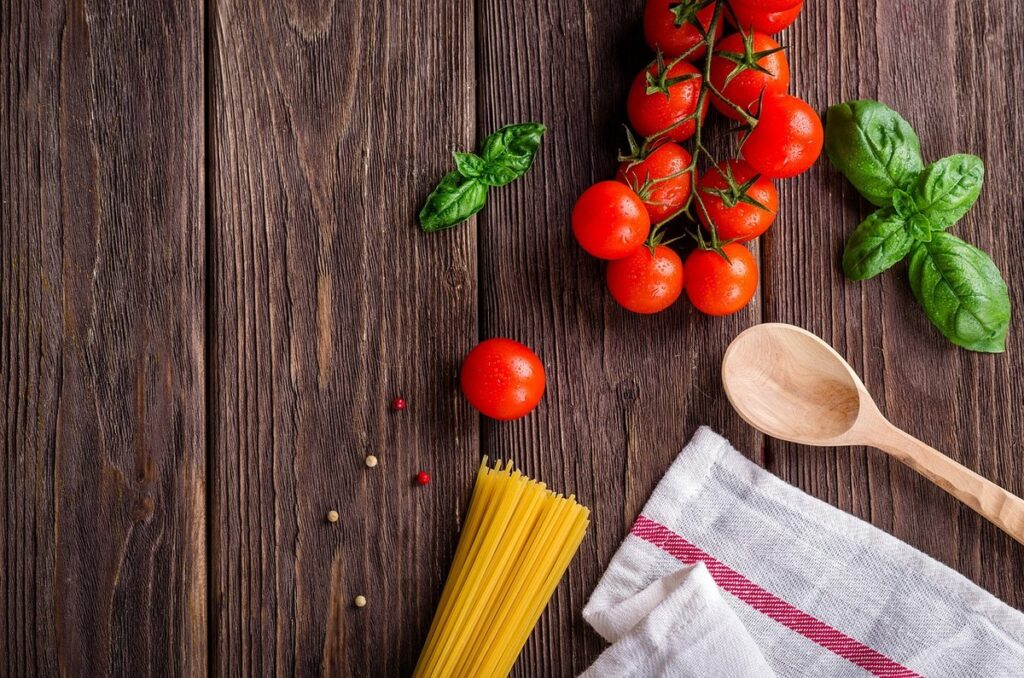
Benefits of Companion Planting
When you pair basil and tomatoes together, you’ll discover a range of benefits that can boost your harvest and even improve soil health, making it a win-win for gardeners. Let’s explore these advantages up close.
Why Plant Basil and Tomatoes Together
When it comes to companion planting, basil and tomatoes are one of the most popular pairings among gardeners. This is not just a matter of aesthetics – the two plants complement each other perfectly when it comes to growth habits and pest-repellent properties.
For instance, basil’s tall stature allows it to act as a trellis for climbing tomato varieties, providing them with support and promoting better air circulation around the plants. At the same time, tomatoes’ spreading roots help stabilize basil’s delicate stem, preventing it from toppling over in the wind.
Moreover, basil emits chemical compounds that repel pests that target tomatoes, such as whiteflies, aphids, and mites. This reduces the need for pesticides, creating a healthier environment for both plants to thrive in. By planting them together, you’ll enjoy higher yields of juicy tomatoes and fragrant basil leaves with minimal fuss and care required.
How to Choose the Right Basil Variety for Companion Planting
When it comes to companion planting with tomatoes, not all basil varieties are created equal. While sweet basil is the most commonly associated type of basil with tomatoes, there are several other options you can consider for your garden.
Sweet basil (Ocimum basilicum) is a classic choice for tomato plants, and its fragrance is known to repel pests like whiteflies and aphids that target tomatoes. However, if you’re looking for something a bit more exotic, Thai basil (Ocimum basilicum var. thyrsiflora) is another great option. Its distinctive anise-like flavor pairs well with Asian-inspired dishes, but it also has natural pest-repelling properties.
Genovese basil (Ocimum x genovense), on the other hand, is a popular choice for Italian cooking and offers a slightly more delicate flavor than sweet basil. Like its sweet counterpart, Genovese basil repels pests and attracts beneficial insects to your tomato plants.
When choosing a basil variety for companion planting with tomatoes, consider the flavor profile you prefer in your cooking and the climate of your garden. If you live in a hot and humid region, Thai basil might be a better choice due to its ability to thrive in such conditions.
Common Challenges Solved by Companion Planting
Companion planting with basil and tomatoes can help address several common challenges gardeners face. One of the primary benefits is improved pest management. Basil’s strong scent repels pests like whiteflies, aphids, and mites that target tomatoes. By growing them together, you can reduce the need for pesticides and create a healthier environment for your plants.
Basil also helps to improve soil health by attracting beneficial insects that pollinate flowers and vegetables, including tomatoes. The nitrogen-fixing properties of basil’s roots enhance the nutrient profile of the soil, promoting healthy plant growth.
Another challenge companion planting with basil and tomatoes can solve is disease management. Basil has natural antiviral properties that help prevent the spread of diseases like fusarium wilt and bacterial spot, which often affect tomato plants. By growing these two plants together, you’ll enjoy a more balanced ecosystem in your garden, reducing the risk of plant loss due to pests and diseases.
By incorporating basil into your tomato-growing routine, you’ll be able to maintain healthier plants with less maintenance required.
Understanding the Basics of Basil and Tomatoes Nutrition
To get the most out of companion planting, it’s essential to understand the nutritional basics of basil and tomatoes, including their unique vitamin and mineral profiles. Let’s dive into these benefits together!
Nutritional Breakdown of Basil and Tomatoes
Basil is a nutrient-rich herb that packs a punch of vitamins and minerals. One cup of fresh basil leaves contains 13% of the daily recommended intake of vitamin K, which plays a crucial role in blood clotting and bone health. Basil is also an excellent source of vitamin A, providing 10% of the daily value per cup. Additionally, it’s a good source of iron, calcium, and potassium.
Tomatoes, on the other hand, are a powerhouse of lycopene, an antioxidant that protects against cell damage and has been linked to reduced risk of certain cancers. One medium-sized tomato contains over 10% of the daily recommended intake of vitamin C, essential for immune function and collagen production. Tomatoes are also rich in potassium, vitamin K, and folate.
When combined through companion planting, basil and tomatoes create a nutritional synergy that benefits both plants. Basil’s fragrance can improve tomato growth by repelling pests like whiteflies and aphids, while tomatoes provide shade for basil, reducing stress and promoting healthy growth.
How Companion Planting Enhances Nutrient Uptake
Companion planting with basil and tomatoes can significantly improve soil health, which in turn enhances nutrient uptake for both plants. When planted together, the fragrance of basil repels pests that target tomatoes, such as whiteflies and aphids. This reduces the need for chemical pesticides, promoting a healthier ecosystem.
As basil grows, it also improves soil drainage and aeration, allowing water and air to reach tomato roots more efficiently. Tomato plants benefit from this improved soil structure, absorbing essential nutrients like nitrogen, phosphorus, and potassium more effectively. Basil’s growth is not negatively impacted by the tomatoes either; in fact, it benefits from the shade provided by the larger plant.
By incorporating basil into your tomato garden, you’re creating a balanced system where both plants thrive. For optimal results, plant basil around the base of your tomatoes or intersperse it among them. This will encourage beneficial microbial growth and create a nutrient-rich environment for your crops to flourish in.
Companion Planting Techniques for Maximizing Basil and Tomatoes Benefits
Let’s dive into some practical companion planting techniques that will help you maximize the benefits of basil and tomatoes, creating a harmonious garden ecosystem. We’ll explore effective pairings to boost growth and flavor.
Vertical Gardening with Basil and Tomatoes
When it comes to growing basil and tomatoes together, vertical gardening is an excellent approach that offers numerous benefits. By utilizing space vertically, you can maximize the potential of your garden while minimizing the footprint. This technique allows for efficient use of space, making it ideal for small gardens or even indoor spaces.
One of the significant advantages of vertical gardening when growing basil and tomatoes together is improved air circulation. When plants are grown in close proximity to each other, as they often are in companion planting, good airflow can be compromised. Vertical gardening helps prevent this issue by allowing space between each plant’s growth, which reduces the risk of fungal diseases that thrive in humid environments.
To implement vertical gardening with basil and tomatoes, consider using a trellis or a wall-mounted planter. You can also repurpose an old pallet or create a self-watering system to make the most of your space. By doing so, you’ll not only save room but also enjoy healthier, more productive plants that will reward you with an abundance of fresh basil and juicy tomatoes.
Using Trellises to Support Basil and Tomatoes Growth
When it comes to maximizing the growth habits of basil and tomatoes, using trellises is an excellent technique to promote better growth and reduce soil compaction. By providing support for both plants, you’ll be able to train their stems to grow upwards, making the most of available space in your garden.
For basil, a trellis can help keep the leaves off the ground, reducing moisture loss and preventing fungal diseases from taking hold. This is especially beneficial when growing sweet or Thai basil varieties that tend to sprawl more than other types. Simply place the basil plant near the trellis and gently tie its stems around it using twine or clips.
Tomatoes benefit greatly from trellises too, as they allow for air circulation around the plants, reducing the risk of disease and promoting healthy growth. By providing a sturdy support system, you can also encourage more even fruiting and prevent tomatoes from becoming leggy. To utilize this technique effectively, choose a tomato variety that’s compact or dwarf-sized to ensure it fits comfortably on the trellis.
When using trellises for both basil and tomatoes, be sure to space them at least 12-18 inches apart to avoid overcrowding and promote healthy growth habits in your plants.
Pest Management and Disease Prevention through Companion Planting
When it comes to growing basil and tomatoes together, pest management and disease prevention are crucial factors to consider. In this next part of our companion planting guide, we’ll explore how to keep these common issues at bay.
Repelling Pests with Basil and Tomatoes
Basil is often used as a natural pest repellent for tomatoes, and for good reason. One of the primary benefits of planting basil near tomatoes is its ability to ward off aphids and whiteflies. These pesky insects can cause significant damage to tomato plants, sucking sap from leaves and stems and spreading disease.
To repel these pests, plant basil around the perimeter of your tomato patch or intersperse it among the plants themselves. The strong scent of basil is unappealing to aphids and whiteflies, causing them to seek out other sources of food. This not only protects your tomatoes but also helps reduce the spread of disease. Some gardeners even report that basil repels hornworms and spider mites as well.
In fact, a study published in the Journal of Agricultural and Food Science found that basil extracts were effective in controlling aphid populations by up to 90%. This is just one example of how companion planting can be used to promote healthy and resilient gardens.
Preventing Diseases with Companion Planting
When you plant basil alongside tomatoes, it not only adds flavor to your dishes but also helps prevent diseases that can damage your tomato crop. One of the most common issues affecting tomatoes is powdery mildew, a fungal disease that causes white patches on the leaves and stems. Basil’s strong scent has been shown to repel pests that spread powdery mildew, such as aphids and whiteflies.
To take advantage of this benefit, simply plant basil around the perimeter of your tomato bed or intersperse it among the plants. The key is to ensure good air circulation between the basil and tomato plants. When spacing is proper, the basil’s fragrance will help deter pests that might be carrying powdery mildew spores.
Regular pruning of basil also promotes a healthy environment for tomatoes. By removing spent flower heads, you’ll encourage the plant to focus its energy on producing more leaves, which are rich in oils that repel fungal diseases.
Additional Tips for Successful Basil and Tomatoes Companion Planting
Now that you’ve got a solid grasp on basil and tomatoes companion planting, let’s dive into some extra tips to help you achieve optimal results in your garden.
Soils Preparation and Maintenance
When preparing your soil for companion planting with basil and tomatoes, it’s essential to consider the specific needs of these two plants. Basil thrives in well-draining, slightly acidic soil with a pH between 6.0 and 7.0, while tomatoes prefer a more neutral to slightly alkaline soil with a pH range of 6.2 to 7.0. To create an optimal growing environment for both plants, test your soil’s pH level and adjust it accordingly.
Basil requires a balanced fertilizer rich in potassium and phosphorus to promote healthy growth and prevent fungal diseases. Tomatoes, on the other hand, benefit from a fertilizer high in nitrogen, phosphorus, and potassium to support fruit production. Aim to add 2-3 pounds of compost or well-rotted manure per 100 square feet of soil to improve its structure and fertility.
As you prepare your soil, also consider adding organic matter like peat moss or coconut coir to retain moisture and suppress weeds. This will help create a thriving ecosystem where both basil and tomatoes can grow together in harmony.
Seasonal Considerations for Companion Planting
When implementing companion planting strategies for basil and tomatoes, it’s essential to consider the changing seasons and climates. In warmer climates, basil thrives in the heat, but in cooler regions, it may bolt due to sudden temperature fluctuations. To adapt, plant basil in containers that can be moved indoors during winter or use a row cover to protect the plants from frost.
In regions with mild winters, like California or Florida, tomatoes and basil can be planted together year-round. However, in areas with harsher winters, such as the Midwest or Northeast, it’s best to plant them in succession, starting new batches every 4-6 weeks to ensure a continuous harvest. Additionally, consider planting heat-tolerant tomato varieties like ‘Patio’ or ‘Tiny Tim’ for better performance in warmer climates.
When choosing companion plants for different seasons, prioritize those that complement the growth habits of basil and tomatoes. For example, marigolds repel nematodes, which can harm tomatoes, while nasturtiums attract beneficial insects that prey on tomato pests. By adapting your companion planting strategies to suit the season and climate, you’ll be able to optimize the health and productivity of your basil and tomato plants.
Conclusion: Unlocking the Full Potential of Basil and Tomatoes Companion Planting
In conclusion, companion planting basil and tomatoes is a simple yet effective way to boost your garden’s productivity. By understanding how these two plants complement each other, you can create a harmonious growing environment that promotes healthy growth and reduces pests and diseases. Now that you have the knowledge to get started, it’s time to put it into practice! Make sure to plant basil near your tomato plants as soon as they’re ready for transplanting, and keep an eye out for any signs of improvement in their growth rate and fruit production.
By following these tips and being mindful of the needs of both plants, you’ll be amazed at the difference that companion planting can make in your garden.
Frequently Asked Questions
Can I plant basil and tomatoes together indoors, or is this method suitable only for outdoor gardens?
While the benefits of companion planting are more pronounced outdoors, you can still enjoy some advantages by growing basil and tomatoes together indoors using containers. However, ensure your indoor space has sufficient light, as basil requires at least 4-6 hours of direct sunlight per day. Choose compact tomato varieties that thrive in containers and provide optimal support for the plants to grow upright.
What’s the ideal ratio for planting basil and tomatoes together?
When companion planting basil and tomatoes, it’s essential to strike a balance between the two. A general rule of thumb is to plant one or two tomato seedlings for every three to four basil plants. This allows the tomatoes to receive sufficient support from the taller basil stems while still giving the basil enough space to spread its roots.
Can I use different types of basil, such as sweet or Thai basil, in companion planting with tomatoes?
While sweet basil is the most commonly used variety in companion planting with tomatoes, you can experiment with other types like Thai basil. However, keep in mind that each type of basil has unique growth habits and pest-repelling properties. Some varieties might be more effective at repelling pests than others, so choose wisely based on your specific needs.
How do I care for my basil plants during the winter months when they’re not actively growing with tomatoes?
During the off-season, reduce watering and fertilization of your basil plants to promote dormancy. Prune the stems back to about 1-2 inches from the soil surface to encourage new growth in the spring. You can also bring potted basil indoors and provide it with a sunny windowsill or grow lights to keep it healthy.
Can I use companion planting techniques with other types of plants, or is this method limited to basil and tomatoes?
Companion planting is not exclusive to basil and tomatoes. You can experiment with various plant combinations to create unique pairings that benefit each other’s growth and productivity. For example, pairing marigolds with tomatoes or nasturtiums with cucumbers can help repel pests and improve soil health.