
As you tend to your UK garden, have you ever stopped to think about the tiny creatures that call them home? Bees are some of the most vital pollinators in our ecosystem, and it’s no secret that their populations have been declining in recent years. Planting a bee-friendly garden is one way to make a real difference, and it starts with choosing the right flowers. In this article, we’ll explore the top 10 flowers for bees UK that you can easily grow in your own backyard. From lavender and honeysuckle to marigold and sunflower, these nectar-rich blooms are sure to attract a buzzing crowd of local bee populations. With our expert tips on creating a bee-friendly environment, you’ll be well on your way to supporting these incredible pollinators and enjoying the beauty of your garden in full bloom.
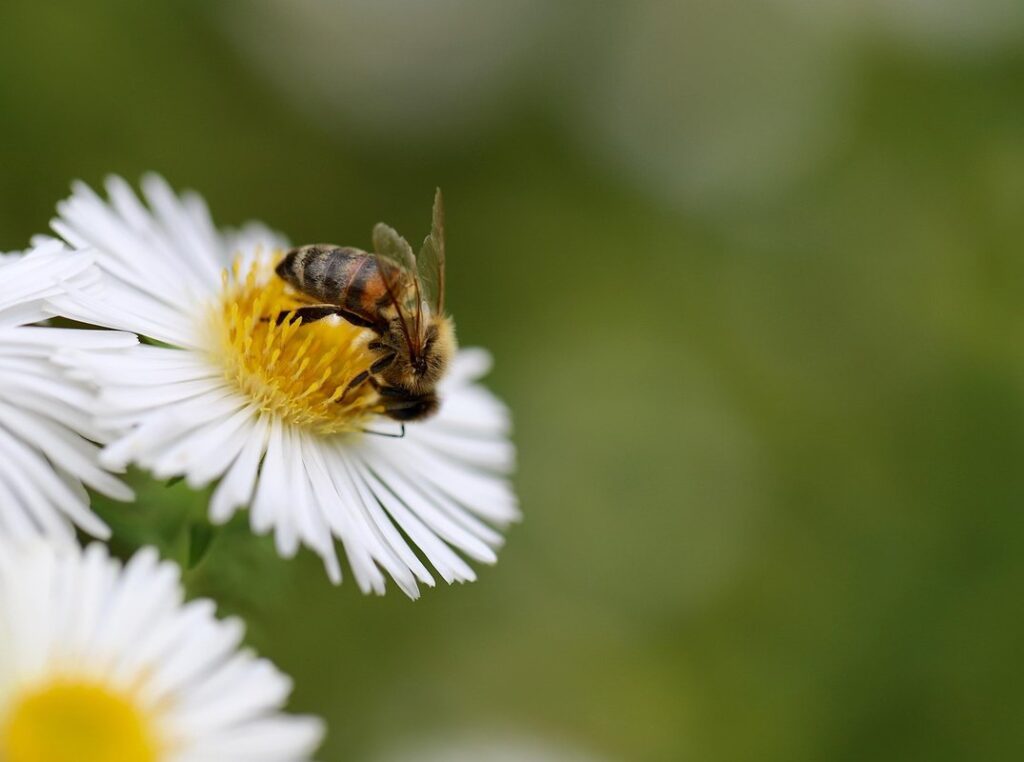
Understanding the Importance of Bee-Friendly Flowers
When it comes to supporting our busy bee friends, choosing the right flowers is crucial. Let’s take a closer look at why these blooms are so vital for our pollinators’ survival.
The Threat to Bee Populations and Why We Need Action
Bee populations are facing an unprecedented crisis. Since 2010, over a third of UK bee species have declined in population, and many others remain at risk. Habitat loss, pesticide use, and climate change are just a few contributing factors to this alarming trend. However, there is hope for the future – and it starts with us.
Planting bee-friendly flowers in your garden can make a significant difference. By choosing flowers that are rich in nectar and pollen, you’ll be providing essential sustenance for bees as they navigate their busy lives. This simple act can not only support local bee populations but also contribute to the preservation of this vital ecosystem.
Consider incorporating plants like lavender, coneflower, or foxglove into your garden. These flowers are specifically designed to attract bees and provide them with a valuable source of food. By making conscious choices about which flowers you plant, you’ll be joining the movement towards creating a bee-friendly environment – one garden at a time.
Incorporating just a few bee-friendly plants can make all the difference, so start small and watch your garden transform into a haven for these vital pollinators.
Characteristics of Bee-Friendly Flowers
When it comes to attracting bees to your garden, it’s not just about planting flowers – it’s about choosing the right ones. Bees are attracted to nectar-rich blooms that provide a reliable source of energy for their busy lives. These include flowers like lavender, coneflowers, and cosmos, which are rich in nectar and make up for the lower pollen content.
In fact, research suggests that nectar is the primary source of energy for honeybees, accounting for around 80% of their daily intake. To create a bee-friendly haven, incorporate a mix of flowers with varying nectar and pollen levels. For example, plant sunflowers for their high pollen content, while also including marigolds or zinnias that offer an abundance of nectar.
To take it to the next level, consider incorporating native plants into your garden, as these tend to be naturally more appealing to local bee populations. Bees are highly attracted to specific colors, shapes, and scents, so choose flowers with features like trumpet-shaped blooms or strong, sweet fragrances that will draw them in. By planting a diverse range of flowers, you’ll create an inviting environment for bees to explore and thrive in your garden.
Section 2: Choosing the Right Flowers for Your Garden
Now that we’ve explored the top 10 flowers that attract bees, let’s dive into choosing the perfect blooms to add to your garden! Selecting flowers that thrive in UK weather is crucial.
Considerations for Selecting Bee-Friendly Flowers
When selecting bee-friendly flowers for your garden, there are several factors to consider beyond their attractiveness to bees. First and foremost, think about the sun requirements of each plant. Bees need warmth to fly and gather nectar, so choose flowers that receive at least 6 hours of direct sunlight per day.
Next, consider the soil type in your garden. Some plants, such as lavender and coneflower, prefer well-draining soil, while others like foxgloves and delphiniums thrive in moist, fertile ground. Make sure to research each plant’s specific needs to ensure you’re providing the right environment for them to grow.
Growth habits are also crucial to consider. If your garden is compact or has limited space, choose plants that are upright and don’t spread too far, such as sunflowers or dahlias. For larger gardens, consider planting a mix of tall and short flowers to create a layered look.
Some plants like geraniums and marigolds can tolerate poor soil conditions, making them perfect for areas with challenging soil types. Be mindful of the mature size of each plant, too, to avoid overcrowding your garden. By considering these factors, you’ll be well on your way to creating a bee-friendly oasis in your own backyard.
Top Tips for Planting and Maintaining a Bee-Friendly Garden
To create a bee-friendly garden, it’s essential to provide a welcoming environment for these vital pollinators. Bees are attracted to flowers with nectar-rich blooms and landing sites that offer protection from wind and rain. When planting, choose flowers that are native to the UK and bloom at different times to ensure a constant source of food.
Planting a variety of flowers in a mix of heights will create a layered effect, providing bees with easy access to nectar. Incorporate plants like lavender, coneflower, and sunflower, which are rich in pollen and nectar. Avoid using pesticides, as these can harm or kill bees. Instead, adopt integrated pest management techniques that promote beneficial insects.
When maintaining your garden, ensure that at least 70% of the flowers you plant are perennial, providing a year-round source of food for bees. Regularly deadhead spent blooms to encourage more nectar production and prune plants to maintain shape and promote healthy growth. By following these tips, you can create a haven for bees in your own garden, supporting their survival and well-being.
Section 3: The Top 10 Bee-Friendly Flowers in the UK
To support these vital pollinators, let’s explore some of the top bee-friendly flowers that thrive in the UK climate. Here are our top picks for beautiful blooms that bees adore.
#1 – Lavender (Lavandula spp.)
Lavender is a popular choice for bee-friendly gardens due to its impressive benefits for these vital pollinators. One of the main reasons bees adore lavender is its nectar-rich blooms, which are a rich source of energy and nutrition for them. In fact, studies have shown that lavender flowers contain a high concentration of sugars, making them an attractive option for bees looking for a quick energy boost.
In addition to its nectar-rich blooms, lavender also boasts fragrant properties that play a crucial role in attracting bees to the plant. The distinct scent of lavender is released into the air through tiny oil glands on the surface of its leaves and flowers, creating a powerful allure for bees. This fragrance serves as a beacon for bees, drawing them in from afar and guiding them towards the nectar-rich blooms.
To make the most of lavender’s bee-friendly benefits, try planting it in clusters or groups to create a ‘bee hotel’ effect. Bees are naturally drawn to concentrations of similar scents, so this will help maximize their attractiveness to your garden visitors.
#2 – Sunflower (Helianthus annuus)
Sunflowers are one of the most recognizable and beloved flowers in the UK, but did you know they’re also a valuable source of pollen and nectar for bees? As one of the top 10 bee-friendly flowers in the country, sunflowers offer an abundance of nutrients that bees need to survive. The bright yellow petals of these towering blooms are not only a feast for the eyes, but also a haven for busy bees.
In fact, sunflowers produce an enormous amount of pollen and nectar, making them a vital source of food for bees during the summer months when other flowers may be in short supply. Bees can visit up to 100 sunflower blooms in just one day, collecting as much as 10 times more pollen than they would from a single bloom of most other flowers.
To make the most of your sunflowers’ bee-friendly potential, plant them in clusters or groups, allowing bees to easily access multiple blooms at once. This will not only attract more bees but also encourage them to stay longer and gather even more pollen and nectar. By incorporating sunflowers into your garden, you’ll be providing a vital lifeline for these precious pollinators.
Section 4: Additional Flowers to Consider
If you’re looking for even more flowers to attract bees to your garden, we’ve got some fantastic additional suggestions for you to consider!
Nasturtiums (Tropaeolum spp.)
Nasturtiums (Tropaeolum spp.) are a vibrant addition to any bee-friendly garden. These brightly colored flowers are not only a delight for the eyes but also provide an abundance of nectar and pollen for our beloved bees. The blossoms come in a variety of shapes and sizes, including cup-shaped, ruffled, and even spurred varieties.
One of the standout benefits of nasturtiums is their edible leaves, which can be used as a peppery addition to salads or as a garnish for sandwiches. This multi-purpose flower allows you to enjoy its beauty while also making use of every part. Simply scatter the seeds in an area with full sun and well-draining soil, and watch them thrive.
When planting nasturtiums, be sure to choose a spot that receives at least 6 hours of direct sunlight per day. The flowers are sensitive to frost, so wait until late spring or early summer to plant them outdoors. With their easy-going nature and numerous benefits, nasturtiums are an excellent choice for any garden looking to attract bees and add some color and flavor to the mix.
Dahlias (Dahlia spp.)
When it comes to creating a bee-friendly garden in the UK, dahlias (Dahlia spp.) are an excellent choice. These show-stopping flowers offer long-blooming periods that provide a consistent source of nectar and pollen for our busy bee friends. In fact, dahlias can bloom from mid-summer right through until the first frosts, making them a reliable option for extending the pollinator-friendliness of your garden.
Their vibrant blooms come in a wide range of colours and varieties, from compact ball-types to taller, more stately species, so you’re sure to find one that suits your garden’s style. As dahlias have a relatively long growth period, they can be grown from cuttings or tubers, giving you the flexibility to plant them at different times throughout the spring.
One of the best things about dahlias is their ability to self-seed, which means they’ll come back year after year without needing much maintenance. This makes them an ideal choice for busy gardeners who still want to provide a haven for pollinators. By incorporating these beautiful blooms into your bee-friendly garden, you’ll be supporting the local bee population and enjoying stunning flowers throughout the summer months.
Section 5: Flowers by Season
As we explore the top flowers for bees, it’s essential to consider which blooms will be most appealing during different times of the year. Let’s dive into the seasonal favorites that’ll keep our busy bee friends happy throughout the UK’s varied seasons.
Spring Bloomers – Honeysuckle (Lonicera periclymenum)
Honeysuckle (Lonicera periclymenum) is a versatile and beneficial flower for bees that blooms in late spring to early summer. One of the standout features of honeysuckle is its incredibly fragrant flowers, which are rich in nectar and attract pollinators like bees, butterflies, and moths. The sweet, heady scent of honeysuckle is irresistible to these beneficial insects, drawing them to the plant’s tubular flowers.
As a result, planting honeysuckle in your garden can be a great way to support local bee populations. In fact, studies have shown that honeybees are particularly attracted to honeysuckle, which makes it an excellent choice for bee-friendly gardens. To encourage pollinators like bees to visit your honeysuckle plants, try planting them in a sunny spot with well-draining soil and minimal pruning. This will allow the plant’s flowers to bloom freely and provide a rich source of nectar for bees.
By incorporating honeysuckle into your garden design, you can create a welcoming habitat for pollinators while also enjoying the plant’s beautiful, fragrant blooms. With its ability to attract beneficial insects and provide nectar-rich flowers, honeysuckle is an excellent addition to any bee-friendly garden.
Summer Bloomers – Marigold (Calendula officinalis)
Marigold (Calendula officinalis) is one of the top summer bloomers that bees adore. These bright and cheerful flowers are a valuable source of nectar for bees, particularly during the hot summer months when other sources of food may be scarce.
Not only do marigolds provide a rich source of nectar, but they also offer a diverse range of pollen types that cater to the different needs of various bee species. The tubular shape of their flowers makes it easy for bees to access the nectar, allowing them to collect as much as possible during each visit.
Bees are attracted to marigolds due to their strong, pungent fragrance and bright yellow-orange color. In fact, research has shown that marigolds have one of the highest nectar volumes among all wildflowers in the UK. To encourage marigolds in your garden, simply sow seeds directly into well-drained soil after the last frost.
By planting marigolds in your summer garden, you can create a bee-friendly haven and provide these essential pollinators with a reliable source of food during their busy summer months.
Section 6: Flowers for Specific Garden Types
If you have a specific type of garden, such as a shady corner or a container garden, we’ve got some expert advice on which flowers will thrive and help your local bee population. From cottage gardens to wildflower meadows, we’ll explore the best options for each unique setting.
Container Gardens – Geraniums (Pelargonium spp.)
Geraniums (Pelargonium spp.) are an excellent choice for container gardens, providing numerous benefits that make them a popular pick among gardeners and bee enthusiasts alike. One of the main advantages of geraniums is their low maintenance requirements – they’re perfect for busy people or those new to gardening. These hardy plants can thrive in containers with minimal care, making them an ideal choice for patios, balconies, or small spaces.
To grow geraniums in containers, choose a pot that’s at least 10-15cm deep and has good drainage holes to prevent waterlogged soil. Use a well-draining compost specifically designed for container gardens, and plant the geraniums in the spring after the last frost. Water regularly, but avoid overwatering – geraniums are susceptible to root rot if the soil is too moist.
Geraniums attract bees with their fragrant flowers and abundant nectar, making them a valuable addition to any bee-friendly garden. By growing these lovely plants in containers, you can enjoy their benefits without taking up too much space or requiring extensive maintenance. With proper care, geraniums will bloom profusely from spring to autumn, providing a constant source of food for your local pollinators.
Shaded Areas – Foxgloves (Digitalis purpurea)
Foxgloves are a fantastic choice for shaded areas, and not just because of their striking appearance. Their tall spikes of nectar-rich blooms make them a haven for bees seeking sustenance. With over 80 species to choose from, Digitalis purpurea is one of the most popular varieties in UK gardens.
Bees adore the long, tube-shaped flowers that make up the foxglove’s spike, as they provide an easy source of nectar and pollen. A single flower can be a feast for a bee, but it’s worth noting that these blooms are often short-lived, typically lasting only one to two days before wilting.
To encourage your foxgloves to thrive in shaded areas, ensure the soil is well-draining and fertile. Plant them towards the back of your garden bed, as they can grow quite tall (up to 4 feet in some varieties). With a bit of care and attention, these majestic plants will provide a valuable source of nectar for bees all summer long.
As an added bonus, foxgloves are relatively low maintenance and won’t compete with other plants for resources. They’re also deer-resistant and self-seed, making them a great choice for wildlife-friendly gardens.
Section 7: Creating a Bee-Friendly Community
As you’ve discovered the flowers that bees love, let’s explore how to create a welcoming community for these vital pollinators in our gardens and beyond.
How to Get Involved and Support Local Beekeepers
If you’re passionate about creating a bee-friendly community, there are many ways to get involved and support local beekeepers. One way is to volunteer at a local beekeeping group. Many cities have associations that provide education, resources, and networking opportunities for beekeepers. By volunteering with one of these groups, you can gain hands-on experience with bees, learn from experienced beekeepers, and contribute to the community’s efforts.
Another idea is to start or participate in a community garden. This not only provides a space for local beekeepers to tend to their hives but also allows individuals to grow flowers that are beneficial to pollinators like bees. Consider partnering with local schools or community centers to establish a pollinator-friendly garden.
You can also look into joining a neighborhood association or gardening club that focuses on creating pollinator habitats and supporting local beekeepers. By combining your enthusiasm with the efforts of others, you can help create a thriving ecosystem in your community that supports both bees and local beekeepers.
Supporting UK-Based Businesses that Promote Bee-Friendly Practices
When it comes to supporting local businesses that promote bee-friendly practices, there are many reasons why this is essential. Not only do these companies contribute to the well-being of our precious pollinators, but they also play a significant role in maintaining biodiversity and ecosystem health.
One way to encourage businesses to adopt bee-friendly practices is by making conscious purchasing decisions. Before buying products or services from a company, research their policies on sustainability and environmental responsibility. Look for certifications like the Bee Friendly logo, which indicates that the business has met certain standards for bee conservation. You can also check if they source ingredients from local suppliers who follow sustainable farming practices.
Supporting businesses that prioritize bee-friendly practices also has economic benefits. By investing in these companies, you’re helping to create jobs and stimulate local economies. This, in turn, can lead to improved air and water quality, as well as reduced waste management costs. Furthermore, by promoting bee-friendly initiatives, you’re contributing to a more resilient food system that’s better equipped to handle climate change.
Some UK-based businesses leading the way in bee conservation include garden centers like Wyevale Garden Centre, which offers a range of bee-friendly plants and gardening advice. You can also consider shopping at local farmers’ markets or online stores that specialize in sustainable produce. When shopping for flowers specifically designed to attract pollinators, choose varieties that are native to the UK and require minimal maintenance.
As you make these conscious choices, remember that every purchase counts. By supporting businesses that prioritize bee-friendly practices, you’re helping to create a ripple effect of positive change within your community. This not only benefits local bees but also contributes to a more sustainable future for generations to come.
Frequently Asked Questions
What are the best companion plants to plant alongside bee-friendly flowers?
When choosing companion plants, consider those that attract pollinators or repel pests. For example, planting marigold with tomatoes can deter nematodes and attract beneficial insects. Be sure to research compatible plant combinations for your specific garden.
How can I ensure that the flowers I choose are not treated with pesticides that harm bees?
Opt for organic gardening methods or choose plants from reputable suppliers who use Integrated Pest Management (IPM) practices. You can also inspect plants before purchasing and look for certification labels like “bee-friendly” or “sustainably grown.” Always check the local nursery’s policies on pesticide use.
What are some tips for creating a bee hotel to provide habitat for solitary bees?
To build a bee hotel, gather natural materials like bamboo, straws, or hollow reeds. Arrange them in a structure that provides different-sized nesting sites and add a roof for protection from the elements. Place the hotel near your garden and maintain it by cleaning out old nests each year.
Can I use flowers that are native to my region even if they’re not on the “top 10” list?
Yes, incorporating native plants into your garden can provide valuable food sources for local pollinators. Research which native flowers thrive in your climate zone and plant them alongside bee-friendly varieties from the top 10 list.
How often should I water and fertilize my bee-friendly flowers?
Water your flowers regularly during dry spells, but avoid overwatering. Fertilize lightly after planting to promote healthy growth, then reduce fertilizer use as blooms appear. Avoid using high-nitrogen fertilizers, which can harm pollinators.