
Are you looking to add some color and benefits to your garden? Calendula is an excellent choice, offering not only vibrant blooms but also numerous uses in skincare, cooking, and medicine. This versatile flower is relatively easy to grow, making it perfect for beginners or those with limited space. But before you start planting, it’s essential to understand the specific needs of calendula – from preparing the right soil to accommodating its climate requirements. In this comprehensive guide, we’ll walk you through the process of planting, growing, and harvesting calendula, covering its benefits, uses, and expert tips for a successful harvest. Whether you’re looking to incorporate calendula into your garden or simply want to learn more about this remarkable flower, this article has got you covered.
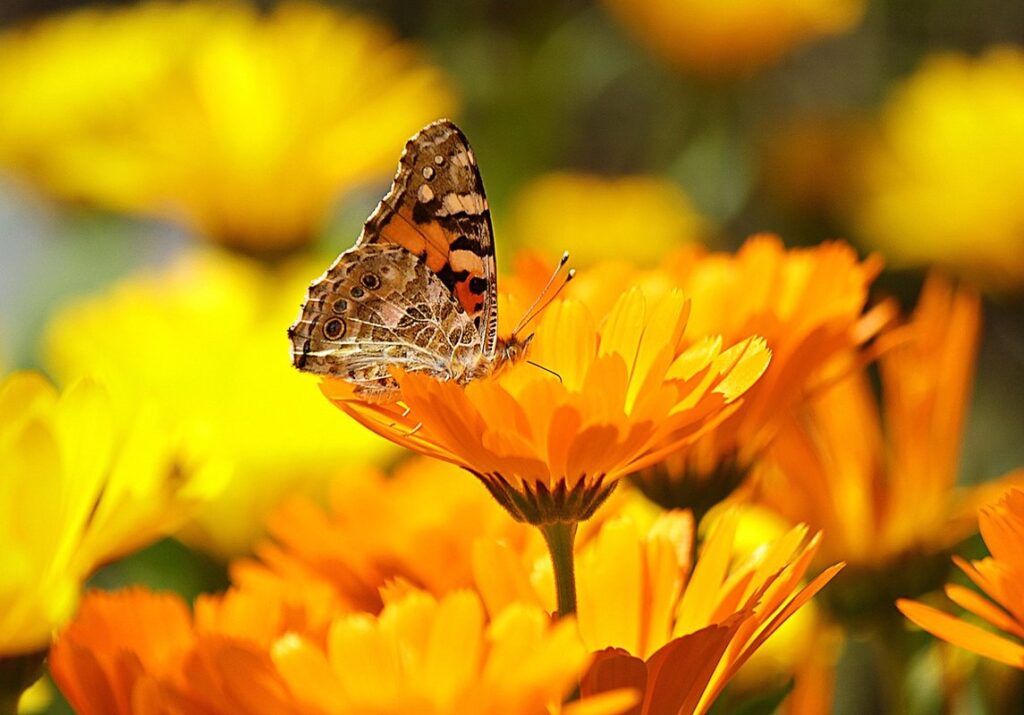
Benefits and Uses of Calendula
Calendula is a versatile herb with a multitude of benefits, making it an excellent addition to your garden and daily routine. Let’s explore how you can use this beautiful flower for wellness and more.
Section 1: Introduction to Calendula
Calendula has been a trusted companion for gardeners and herbalists alike for centuries. This hardy annual flower, also known as pot marigold, boasts an impressive array of characteristics that make it a prized addition to any garden or medicinal collection.
From a botanical standpoint, Calendula officinalis is a member of the Asteraceae family and is native to the Mediterranean region. It’s easy to spot due to its bright yellow and orange flowers, which bloom from mid-spring to early fall. What sets calendula apart is its remarkable ability to thrive in poor soil conditions, making it an ideal choice for gardeners with less-than-ideal growing spaces.
As a medicinal plant, calendula has been used for centuries to soothe wounds, reduce inflammation, and promote skin health. Its flowers are rich in antioxidants and contain compounds that have been shown to exhibit antimicrobial properties. Whether you’re looking to incorporate calendula into your garden or harness its healing powers, this versatile herb is sure to impress with its ease of cultivation and diverse uses.
Section 2: Medicinal Properties and Uses
Calendula has been prized for its medicinal properties for centuries, and it’s no wonder why. Its antibacterial, anti-inflammatory, and antiseptic properties make it a powerful natural remedy for a range of skin issues. In herbal medicine, calendula is often used to treat wounds, cuts, and scrapes, as well as to soothe irritated skin conditions like eczema and acne.
One of the most impressive aspects of calendula’s medicinal profile is its ability to promote wound healing. Studies have shown that calendula extracts can accelerate the healing process by stimulating collagen synthesis and improving tissue strength. This makes it an effective natural remedy for minor cuts and scrapes, as well as more serious injuries like burns and surgical wounds.
In addition to its topical applications, calendula has also been traditionally used to treat a range of internal issues, including digestive problems and menstrual cramps. However, due to the lack of rigorous scientific studies on these uses, it’s essential to consult with a healthcare professional before using calendula for internal purposes.
To harness calendula’s medicinal benefits in your garden, be sure to plant it in a spot that receives plenty of sunlight – this will help to boost its antiseptic and antibacterial properties. Regular harvesting of the flowers will also encourage the plant to produce more blooms, which can then be used in herbal remedies or dried for later use.
Choosing the Right Variety
When it comes to planting calendula, selecting the right variety is crucial for optimal growth and performance. With so many options available, how do you choose the best one for your garden?
Subsection 1.1: Types of Calendula
When it comes to planting calendula, understanding the different types is crucial for selecting the right variety for your garden. There are several main types of calendula, each with its unique growth habits and preferred climates.
Ornamental Calendula (Calendula officinalis) is one of the most popular varieties, known for its vibrant flowers in shades of orange, yellow, pink, and red. It’s an annual plant that thrives in full sun to partial shade and well-draining soil. This variety is ideal for adding a pop of color to your garden beds and containers.
Pot Marigold (Calendula officinalis) is another popular type, often used as a companion plant to repel pests and attract beneficial insects. It prefers warmer climates with temperatures above 60°F (15°C). Pot Marigold has bright orange flowers that are edible and can be used in salads or as a garnish.
Another notable variety is the Calendula officinalis ‘Fotenti’ or ‘Cotton Ball’, which produces smaller, more rounded blooms. It’s an excellent choice for cottage gardens or areas with poor soil.
When choosing a calendula variety, consider your local climate and garden conditions. Research specific growing requirements to ensure you’re providing the best environment for your chosen type of calendula.
Subsection 1.2: Selecting a Variety for Your Needs
When it comes to selecting a calendula variety for your garden, there are several factors to consider. If you’re looking to add some vibrancy to your outdoor space, think about the flower color that will complement your existing blooms. Calendula comes in a range of hues, from soft pastels to bold brights. Consider whether you prefer the delicate look of pale pink or the pop of bright orange.
If you have a specific use for calendula in mind – such as using its petals for medicinal purposes – choose a variety that is bred specifically for those needs. Some varieties are higher in essential oils, which makes them more suitable for skincare applications.
When selecting a variety, don’t forget to consider the size of your garden and how much space you have available. Compact or dwarf varieties are perfect for smaller spaces or containers, while larger varieties can thrive in larger gardens.
Some popular varieties include ‘Pacific Beauty’, ‘Fiesta’ and ‘Apricot’. Research each one to determine which best fits your needs and preferences.
Preparing the Soil and Planting Calendula
Before you start planting, it’s essential to prepare your soil for calendula by loosening it to a depth of about 12 inches. This will help give your plants a strong foundation to grow.
Section 3: Soil Requirements for Calendula
When it comes to planting calendula, understanding its soil requirements is crucial for optimal growth. Calendula prefers well-draining, fertile soil with a slightly alkaline pH between 6.0 and 7.0. If your soil is too acidic or dense, amend it with organic matter like compost or well-rotted manure to improve drainage and fertility.
In terms of nutrients, calendula requires moderate levels of nitrogen, phosphorus, and potassium (NPK). A balanced fertilizer with a ratio of 10-10-10 will suffice. However, be cautious not to over-fertilize, as this can lead to weak, leggy growth. Instead, side-dress the plants with a half-strength fertilizer solution once a month for optimal results.
Proper drainage is also essential, especially in areas prone to waterlogging. Calendula can tolerate some drought but will perform poorly if the soil is consistently soggy. To ensure good air circulation and prevent root rot, create a raised bed or mound with a slightly elevated center. This simple adjustment will make all the difference in your calendula’s overall health and productivity.
Subsection 3.2: Planting Calendula from Seed or Transplant
To plant calendula from seed, start by preparing the soil as discussed earlier. Sow the seeds 1-2 inches deep and 6-8 inches apart, depending on the variety. You can also direct sow them in a block or triangle formation to promote healthy growth and air circulation. Keep the soil consistently moist during the first few weeks after sowing.
For transplanting, choose a location with full sun and well-draining soil. Calendula prefers slightly acidic to neutral pH levels. Gently remove the seedlings from their pots or cell packs, taking care not to disturb the roots. Space them 12-18 inches apart, depending on the mature size of the plant.
When transplanting, ensure the crown (where the stem meets the roots) is level with the soil surface. Water thoroughly after planting and keep the soil consistently moist during the first few weeks. Avoid overwatering, which can lead to root rot. By following these steps, you’ll be able to successfully plant calendula from seed or transplant it into your existing garden.
Growing Conditions and Maintenance
To ensure your calendula thrives, it’s essential to understand the ideal growing conditions and maintenance practices that will keep these beautiful flowers blooming all season long. Here are some key tips to get you started.
Section 4: Climate and Sunlight Requirements for Calendula
Calendula is a warm-season crop that thrives in sunny conditions with moderate temperatures. When it comes to climate and sunlight requirements, calendula is quite adaptable but still has its preferences.
Ideally, calendula prefers full sun to partial shade, meaning it needs at least 6 hours of direct sunlight per day. However, some afternoon shade can be beneficial, especially in hotter climates. In areas with intense heat, providing a trellis or shade cloth for the plants during peak sun hours can help prevent scorching.
Temperature-wise, calendula does best in temperatures between 65°F (18°C) and 75°F (24°C). It can tolerate some cooler temperatures but may bolt if it gets too chilly. When sowing seeds directly into the ground, make sure the soil temperature is at least 60°F (15°C) for optimal germination.
In areas with frost, calendula can be grown as a cool-season crop in early spring or late summer/early fall. Just be aware that the plants may not produce as many flowers during these periods. Keep an eye on local weather forecasts and adjust planting times accordingly to ensure your calendula gets the best chance to thrive.
Subsection 4.2: Watering and Fertilizing Calendula
Calendula needs consistent moisture, especially during its first few weeks of growth. Water the soil gently but thoroughly, making sure not to wash away tiny seeds. As the plant matures, reduce watering frequency to about 1-2 inches per week, depending on weather conditions.
When it comes to fertilization, use a balanced fertilizer with an NPK ratio of 10-10-10. You can also opt for compost tea or manure tea as a natural alternative. Fertilize the soil lightly at planting time and again after about six weeks. This will promote healthy growth, strong roots, and vibrant blooms.
To avoid over-fertilizing, remember that calendula is a low-maintenance crop and doesn’t require heavy feeding. Too much fertilizer can lead to weak stems, reduced flowering, or even damage the plant’s root system.
Some gardeners swear by adding Epsom salt to their soil to improve magnesium levels and promote blooming. Mix 1 tablespoon of Epsom salt with a gallon of water, and use this solution as a foliar spray once a month. Be cautious not to overdo it, though – too much Epsom salt can cause more harm than good.
Pests, Diseases, and Common Issues
As you tend to your calendula plants, it’s essential to be aware of potential problems that can arise, from pests to diseases. We’ll walk you through common issues to watch out for and how to address them.
Section 5: Common Problems Affecting Calendula Plants
Calendula plants can be susceptible to various pests and diseases that may compromise their growth and appearance. Aphids and whiteflies are common insects that feed on calendula sap, causing curled or distorted leaves and stunted growth. These pests can multiply quickly, so it’s essential to catch them early by inspecting your plants regularly. You can control aphid populations using neem oil, insecticidal soap, or introducing beneficial insects like ladybugs.
Powdery mildew is a fungal disease that causes white, powdery patches on leaves and stems. Root rot, typically caused by overwatering, can lead to yellowing leaves and a soft, mushy stem base. To prevent these issues, ensure good air circulation around your plants, water them correctly (avoiding excess moisture), and remove infected leaves or stems promptly.
In addition to pests and diseases, calendula plants may also be affected by environmental factors like excessive heat, drought, or nutrient deficiencies. Keep an eye out for signs of stress, such as wilted leaves or discolored petals, and adjust your care routine accordingly. Regularly inspecting your plants and taking prompt action can help prevent these issues from becoming severe problems.
Subsection 5.2: Managing Pests and Diseases Organically
When it comes to growing calendula, pests and diseases can be a major concern. However, there are many natural methods for controlling these issues that you can implement in your garden. One of the most effective ways to prevent pest infestations is by attracting beneficial insects such as bees, butterflies, and lacewings to your garden. Planting a variety of flowers that attract these beneficial insects, like marigolds or nasturtiums, near your calendula plants can help keep pests under control.
To manage pest populations, you can also use neem oil, which is derived from the seeds of the neem tree. This natural insecticide can be used to control a wide range of pests, including aphids, whiteflies, and spider mites. Mix neem oil with water according to the instructions on the label and spray it directly on the affected plants.
When it comes to diseases, calendula is susceptible to powdery mildew and root rot. To prevent these issues, make sure your soil is well-draining and avoid overwatering your plants. If you do notice any signs of disease, treat the infected area with a natural fungicide like baking soda or sulfur.
It’s also essential to maintain good garden hygiene practices, such as removing weeds and debris that can harbor pests and diseases. Regularly inspect your plants for any signs of trouble and take action promptly to prevent these issues from spreading.
Harvesting and Drying Calendula
Now that you’ve harvested your calendula blooms, it’s time to dry them properly so their beauty and potency can be preserved for future use. Learn how to dry calendula effectively in this next step.
Section 6: When to Harvest Calendula Flowers
When it comes to harvesting calendula flowers for medicinal use or decoration, timing is everything. You want to pick them at their peak freshness and potency. Generally, calendula flowers are ready to harvest between 60 to 90 days after sowing the seeds.
Check the flowers daily, as they can go from perfect to wilted in a matter of hours. For medicinal purposes, it’s best to harvest the flowers when they’re fully open and still have a slightly soft texture. This ensures maximum oil content and potency. Simply snip off the entire stem at the base with scissors or pinch them between your fingers.
For decoration, you can pick the flowers when they’re in full bloom, or wait until they’ve started to wilt slightly. The latter will give them a more relaxed, natural look. To dry calendula flowers for later use, spread them out in a single layer on a paper bag or a drying screen and allow them to air-dry completely.
Keep in mind that over-harvesting can weaken the plant, so be sure to leave some blooms intact to encourage the plant to continue producing more flowers.
Subsection 6.2: Methods for Drying Calendula Flowers
Drying calendula flowers requires careful attention to preserve their vibrant petals and potent medicinal properties. There are several methods to dry calendula flowers, each with its own advantages and considerations.
Air-drying is a simple method where you tie the stems of the flower heads in small bunches and hang them upside down in a warm, dry, dark place. This method takes around 1-2 weeks and helps preserve the delicate petals. However, be cautious not to expose the flowers to direct sunlight or moisture, which can cause fading or mold.
Oven-drying is another option where you place the flower heads on a baking sheet lined with parchment paper and dry in a low-temperature oven (150°F – 200°F) for 1-2 hours. This method is ideal when you need to dry large quantities quickly. To ensure even drying, rotate the sheets halfway through the process.
Silica gel desiccation is a more efficient method where you place the flower heads in an airtight container with silica gel packets. Seal the container and let it sit for 1-2 weeks, allowing the silica gel to absorb moisture from the flowers. This method preserves the color and potency of calendula flowers effectively.
Regardless of the drying method you choose, make sure the flowers are completely dry before storing them in airtight containers to preserve their medicinal properties.
Conclusion and Further Resources
Now that you’ve learned how to plant calendula, let’s summarize what we’ve covered and provide some extra resources for further learning. Here are a few final tips to keep in mind.
Section 7: Final Tips and Considerations for Growing Calendula
As you’ve made it through this comprehensive guide on planting calendula, we want to leave you with some final thoughts and considerations for cultivating these beautiful flowers successfully. By now, you should have a solid understanding of the ideal growing conditions, techniques for sowing seeds and transplanting seedlings, and ways to address common pests and diseases.
To recap, make sure you’re providing your calendula plants with full sun (at least 6 hours of direct sunlight) and well-draining soil. Keep in mind that calendulas prefer cooler temperatures, typically between 65-75°F (18-24°C), which is ideal for most temperate climates.
Also, don’t forget to deadhead regularly to promote blooming and encourage your plants to focus their energy on producing new flowers rather than seeds. Consider companion planting with other flowers or herbs that benefit from calendula’s pest-repelling properties.
Remember, successful calendula cultivation requires patience and attention to detail. By following these tips and staying vigilant, you’ll be rewarded with a vibrant display of colorful blooms that can brighten up any garden bed. Happy growing!
Subsection 7.2: Additional Resources for Calendula Enthusiasts
For those who want to delve deeper into the world of calendula, we’ve curated a list of recommended resources to help you continue learning and growing with this incredible plant.
If you’re looking for comprehensive guides on calendula cultivation, check out “The New Seed Starter’s Handbook” by Nancy Bubel or “The Organic Gardener’s Handbook of Natural Pest and Disease Control” by Fern Marshall Bradley. These books offer in-depth information on soil preparation, pest management, and disease prevention specific to calendula.
In addition to these resources, we recommend checking out online forums like the Calendula Growers community on Facebook or the Permaculture Research Institute’s discussion board. These platforms allow you to connect with fellow growers, share experiences, and gain valuable insights from seasoned experts.
To stay up-to-date on the latest calendula research and developments, follow reputable sources such as the USDA’s National Plant Germplasm System or the Royal Horticultural Society’s website. By exploring these resources, you’ll be well-equipped to continue your calendula journey with confidence and enthusiasm.
Frequently Asked Questions
Can I grow calendula indoors, or does it require direct sunlight?
Yes, calendula can be grown indoors with sufficient light, but it will not produce the same volume of flowers as it would outdoors in full sun. Choose a spot with bright indirect light and maintain temperatures between 60-70°F (15-21°C). Ensure good air circulation to prevent fungal diseases.
How do I know when calendula is ready for harvest?
Harvest calendula flowers when they are fully bloomed, ideally in the morning after the dew has dried. Cut off the flower head just above a leaf node, leaving some stem attached to allow for further growth. Harvest regularly to encourage continuous blooming and prevent seed production.
Can I use calendula essential oil instead of dried flowers?
While calendula essential oil can be used topically or in skincare products, it’s not a direct substitute for dried flowers. Essential oils are highly concentrated and may cause skin irritation if not diluted properly. For most uses, such as cooking or making salves, dried calendula flowers are preferred.
How do I store dried calendula flowers to maintain their potency?
Store dried calendula flowers in a cool, dark place in an airtight container. You can also freeze them for long-term storage. This will help preserve the herb’s medicinal properties and prevent degradation of its active compounds.
Can I grow calendula alongside other herbs or vegetables, or does it require its own bed?
Calendula is a companion plant that can benefit from being grown with other herbs like chamomile and lavender. It also repels pests that target vegetables like aphids and nematodes. Planting calendula in the same bed as these beneficial companions can enhance their growth and reduce potential issues.