
Are you curious about the incredible versatility of beeswax? From ancient civilizations to modern times, this natural wax has been treasured for its remarkable properties and uses. Beeswax is more than just a byproduct of beekeeping; it’s a sustainable, eco-friendly resource with a multitude of applications in cosmetics, industry, art, and beyond. In the world of skincare, beeswax is prized for its moisturizing and protective benefits, making it an excellent alternative to synthetic ingredients. But that’s not all – we’ll also explore how beeswax is used in candle-making, furniture polish, and even as a food wrap. In this article, we’ll delve into the history, properties, and diverse uses of beeswax, highlighting its advantages over synthetic alternatives and why it’s an essential ingredient for a more natural lifestyle.
History and Origin of Beeswax
Beeswax has a rich history that dates back thousands of years, originating from the ancient civilizations of Egypt and Greece where it was highly valued for its unique properties. Let’s dive into how this natural wax got its start.
Ancient Uses of Beeswax
Beeswax has been a prized natural resource for thousands of years, with ancient civilizations harnessing its unique properties for a wide range of applications. In ancient Egypt, beeswax was used extensively in cosmetics and skincare routines. Egyptians applied it to their skin to lock in moisture and protect against the harsh desert climate, while also using it as a hair treatment to add shine and softness.
In ancient Greece and Rome, beeswax played a crucial role in crafts and artistry. It was used to create sculptures, engravings, and other decorative pieces by mixing it with pigments or resins. The ancient Greeks even used beeswax to waterproof their ships’ hulls, giving them an edge over their competitors.
In addition to its uses in cosmetics and crafts, beeswax also had medicinal properties. Ancient Egyptians used it to treat wounds, while the Chinese employed it to soothe digestive issues. By studying these ancient practices, we can appreciate the versatility and value of this natural resource, which continues to be a staple in many industries today.
Importance of Beeswax in Beekeeping
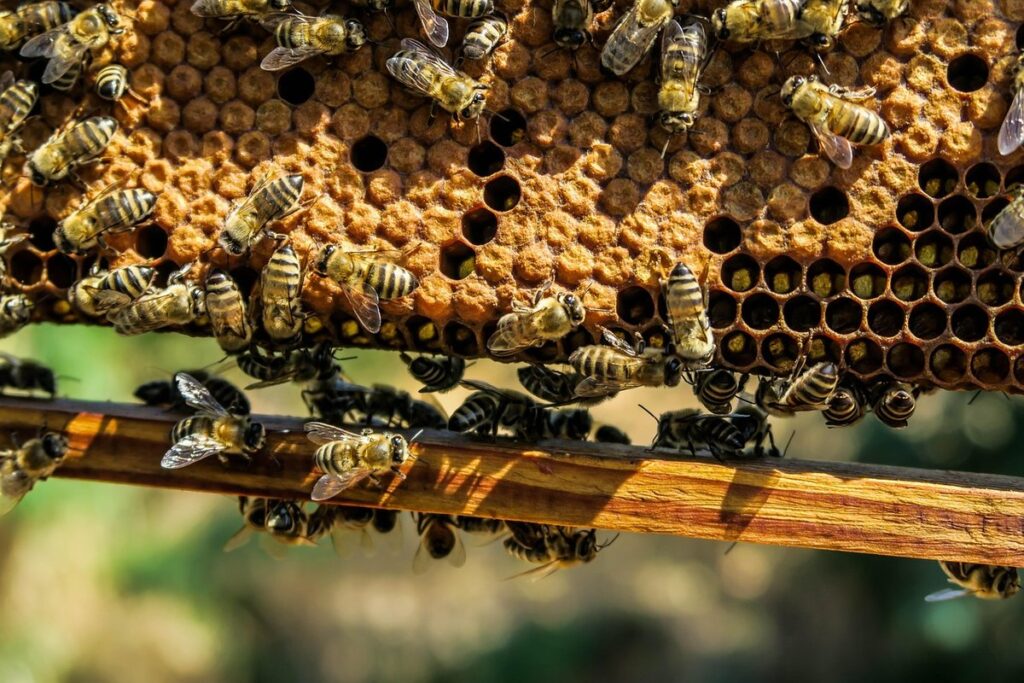
Beeswax is a valuable byproduct of honey production that has been used for centuries in various industries. As beekeepers collect excess honey from their beehives, they also gather the wax cappings that cover each cell in the honeycomb. This natural wax is then collected and processed into usable beeswax.
The importance of beeswax in beekeeping extends beyond its use as a natural wax. It serves as an indicator of the overall health of the colony. If the bees are producing high-quality honey, they are likely to produce excess wax as well. Beekeepers can use this wax as a measure of the hive’s productivity and take steps to address any issues if necessary.
In addition to its role in monitoring hive health, beeswax also plays a crucial part in maintaining the structure and stability of the beehive itself. The wax cells provide insulation, protecting the honey from temperature fluctuations and preserving its quality. By collecting excess wax, beekeepers can help maintain their hives’ integrity and ensure optimal conditions for honey production.
Properties and Benefits of Beeswax
Beeswax is a versatile natural wax with numerous applications, and understanding its unique properties and benefits will help you unlock even more creative uses for this amazing ingredient. Let’s dive into what makes beeswax so special.
Natural Moisturizing Properties
Beeswax contains an array of fatty acids that work to provide remarkable moisturizing properties. These fatty acids are primarily composed of esters and triglycerides, which give beeswax its capacity for retaining moisture on the skin’s surface. Upon application, these esters interact with the skin, producing a barrier that effectively prevents moisture loss while allowing beneficial substances like oxygen and water vapor to pass through.
This is particularly useful for individuals dealing with dry or sensitive skin types. The moisturizing effects of beeswax make it an excellent ingredient in skincare products designed for such skin types. Notably, its use in natural creams and lotions has been shown to effectively alleviate symptoms associated with conditions like eczema and psoriasis.
In addition to addressing specific skin concerns, incorporating beeswax into one’s beauty routine can also provide long-term benefits, such as improved skin elasticity and a more even skin tone. This is largely due to its ability to hydrate the skin from within while providing external protection against environmental stressors.
Emollient and Protective Properties
Beeswax is an excellent emollient that works by filling gaps between skin cells, allowing it to lock in moisture and leaving your skin feeling soft and supple. This property makes it a great addition to skin care products, such as creams, lotions, and balms, where its hydrating effects can be maximized.
One of the key benefits of beeswax’s emollient properties is that it provides an effective barrier against moisture loss. When applied topically, it creates a protective layer on the skin’s surface that prevents water from escaping, keeping your skin hydrated for longer. This is particularly useful in harsh environmental conditions or during cold weather when dry air can strip the skin of its natural moisture.
In addition to locking in moisture, beeswax also has a unique ability to fill gaps between skin cells, making it an excellent ingredient for products aimed at soothing and calming irritated skin. Whether you’re dealing with dry patches, eczema, or other skin conditions, incorporating beeswax into your skincare routine can help provide long-lasting relief.
Uses of Beeswax in Cosmetics
Beeswax is a versatile ingredient that brings numerous benefits to cosmetics, making it a popular choice for skincare and haircare products that require natural moisturizing properties. Let’s explore its many uses in beauty products.
Skin Care Products
Beeswax is a versatile ingredient that’s commonly used in skin care products due to its impressive moisturizing and protective properties. If you’re looking for a natural way to soften and soothe dry skin, beeswax-based products are an excellent choice.
One of the primary reasons beeswax is used in lotions, creams, and balms is its ability to lock in moisture. Beeswax creates a physical barrier on the skin’s surface that prevents water loss, leaving your skin feeling hydrated and supple for hours. This makes it perfect for dry, chapped areas like elbows, knees, and hands.
In addition to moisturizing, beeswax also has protective properties that help soothe and calm irritated skin. It can be found in products specifically designed to treat conditions like eczema and acne, where its anti-inflammatory properties help reduce redness and inflammation.
When shopping for bee wax-based skin care products, look for those with a high concentration of pure beeswax. Some popular uses include applying beeswax balm to dry cuticles or using beeswax lotion after showering to seal in moisture. Experiment with different products and concentrations to find what works best for your skin type.
Hair Care Products
Beeswax is a versatile ingredient that’s not just limited to skin care and makeup. It’s also used in hair care products for its ability to lock in moisture and protect the hair from damage. When it comes to hair care, beeswax can be especially beneficial for people with dry or damaged locks.
One of the key benefits of using beeswax in hair care is that it helps to seal the cuticle layer of the hair shaft. This creates a barrier that prevents moisture loss and protects the hair from environmental stressors like heat styling tools and sun damage. As a result, hair becomes softer, shinier, and more manageable.
You can find beeswax in various hair care products such as hair pomades, styling creams, and leave-in conditioners. When shopping for these products, look for those that contain high-quality, pure beeswax that’s free from additives and artificial fragrances. To get the most out of your beeswax-infused hair care product, use it after shampooing and conditioning to lock in moisture and protect your hair throughout the day.
Industrial Uses of Beeswax
Beeswax plays a vital role in various industries beyond candle-making, including manufacturing of cosmetics, polishes, and even waterproofing for outdoor gear. Let’s dive into its diverse applications.
Candles and Wax Melts
Beeswax is a versatile material that has been utilized for centuries in various applications, and its use in candle-making is one of the most popular. When it comes to creating candles, beeswax stands out from other materials due to its inherent characteristics. One of the primary reasons beeswax is preferred is its pleasant scent, which can be subtle or strong depending on the type used.
Beeswax also boasts a natural color that ranges from creamy white to golden yellow, providing an aesthetically pleasing look for candles. Moreover, it’s an eco-friendly option as it’s biodegradable and non-toxic, making it a sustainable choice for those seeking environmentally responsible products.
Wax melts are another application where beeswax excels. These are small pieces of wax that can be melted in a diffuser to release a fragrance into the air. Beeswax is often used as a base due to its natural properties, allowing it to hold fragrances well without releasing any harsh chemicals. This feature makes beeswax an excellent choice for aromatherapy and home decor enthusiasts looking for a safe and pleasant way to freshen up their spaces.
For those interested in candle-making or using wax melts, working with beeswax can be relatively straightforward. However, it’s essential to note that proper handling and melting techniques are necessary to avoid any issues.
Polishes and Coatings
Beeswax is often overlooked as a versatile ingredient, but its unique properties make it an excellent addition to polishes and coatings. When used in these applications, beeswax provides a smooth, even finish that enhances the overall appearance of surfaces.
One of the key benefits of using beeswax in polishes and coatings is its ability to create a protective barrier against wear and tear. By incorporating beeswax into your formula, you can reduce the need for frequent reapplications and extend the lifespan of the polish or coating. This makes it an attractive option for industries where surfaces are subject to heavy use.
For instance, furniture manufacturers can use beeswax-based polishes to create a durable finish that resists scratches and scuffs. Similarly, automotive professionals can employ beeswax coatings to protect car exteriors from harsh weather conditions and UV damage.
To get the most out of using beeswax in your polish or coating, be sure to blend it with other ingredients at the right ratio. A general rule of thumb is to start with a small amount (about 10-20%) and adjust as needed to achieve the desired consistency and finish. With its unique combination of properties, beeswax can elevate the performance of your polishes and coatings, resulting in a superior finish that lasts longer.
Artistic and Crafting Uses of Beeswax
Beeswax is a versatile ingredient that’s not just limited to candle-making. You’ll be amazed at all the artistic and crafting possibilities it offers when used in creative ways.
Encaustic Painting
Beeswax is a versatile material that has been utilized by artists for centuries to create stunning encaustic paintings. One of the primary components of encaustic paint, beeswax plays a crucial role in providing a unique texture and allowing artists to craft intricate designs. When combined with pigment, resin, or other materials, beeswax creates a distinctive visual effect that is both tactile and visually striking.
To work with encaustic paint, you’ll need to melt the mixture of wax and pigment in a double boiler or heat gun until it reaches a fluid state. From there, you can use various tools – such as brushes, sponges, or rags – to apply the paint to your canvas. The wax will cool and solidify, creating a textured, three-dimensional effect that is both visually appealing and engaging.
To achieve this look, experiment with layering different colors of encaustic paint and manipulating the texture by applying heat with a hair dryer or other tool. Remember to work in thin layers and let each layer dry completely before adding additional coats – this will help prevent the paint from becoming too thick and losing its integrity.
Resin Finishing Techniques
When it comes to resin finishing techniques, beeswax plays a vital role in achieving a smooth finish on surfaces such as wood and metal. One of the most common methods is known as “beeswax buffing.” This process involves applying a thin layer of beeswax to the surface and then using a buffing pad or cloth to work it into the material.
The wax helps fill in minor scratches and imperfections, creating a uniform texture that’s easier to finish. It also serves as a lubricant, allowing the buffing pad to glide smoothly over the surface without leaving behind swirl marks or other defects.
To try this technique at home, start by applying a small amount of beeswax to a soft cloth or buffer block. Work it into the material in circular motions, gradually increasing pressure to build up a rich polish. Be sure to keep your strokes consistent and avoid applying too much pressure, which can create unevenness.
By incorporating beeswax buffing into your resin finishing routine, you’ll be able to achieve professional-looking results with ease, even on complex or irregularly shaped surfaces.
Environmental Impact and Sustainability
As we’ve explored the many uses of beeswax, let’s delve into its impact on our planet, discussing both its potential environmental drawbacks and sustainable applications. We’ll examine how to make responsible choices.
Sustainable Source
As an eco-conscious consumer, you’ll be pleased to know that beeswax is a natural byproduct of honey production. This means it’s a sustainable source of wax, making it an attractive choice for those who prioritize environmental responsibility.
When we consider the life cycle of bees, it becomes clear why beeswax is such a valuable resource. Honeybees collect nectar and pollen from flowers, using their wax glands to produce beeswax in the process. This wax is then used to build and repair hives. As bees store honeycomb cells with hexagonal walls, they secrete small amounts of beeswax to create a smooth surface for honey storage.
By harvesting this excess beeswax, beekeepers can generate a byproduct that would otherwise be wasted. In fact, many commercial beekeeping operations rely on the sale of surplus beeswax as a significant revenue stream.
Comparison with Synthetic Alternatives
When it comes to sustainability, beeswax is often compared to synthetic alternatives like paraffin wax and polyethylene. While these options may seem like cost-effective solutions, they have a significantly higher environmental impact than beeswax.
For instance, paraffin wax is derived from petroleum and contributes to greenhouse gas emissions during production. Polyethylene, on the other hand, is made from non-renewable resources and can take hundreds of years to decompose. In contrast, beeswax is biodegradable and can be composted at the end of its life cycle.
In industries like cosmetics and food packaging, synthetic alternatives may seem like a convenient choice due to their low cost and versatility. However, they often require more energy for production and disposal than beeswax-based products. When choosing between beeswax and synthetic alternatives, consider the long-term effects on the environment and your customers. Opting for beeswax can help reduce your carbon footprint and appeal to eco-conscious consumers.
Frequently Asked Questions
How do I use beeswax as a natural food wrap?
Beeswax can be mixed with jojoba oil or coconut oil to create a natural, non-toxic coating for food storage containers. This blend provides a barrier against moisture and air, keeping your food fresh for longer while also being free from synthetic chemicals.
Can I use beeswax in place of petroleum-based products in my home?
Yes! Beeswax is an excellent alternative to petroleum-based products due to its eco-friendly properties. It can be used as a furniture polish or in candle-making, replacing the need for synthetic waxes and oils. When choosing beeswax, ensure it’s pure and free from additives.
How do I store and handle beeswax safely?
Beeswax should be stored in a cool, dry place away from direct sunlight to prevent degradation. Handle it gently as it can be brittle; use protective gloves when working with large quantities or in an industrial setting. Keep it out of reach of children and pets.
Can I use beeswax in skincare products if I have sensitive skin?
Yes, but start with a small patch test before incorporating beeswax into your skincare routine. Beeswax can be comedogenic (pore-clogging) for some individuals; its emollient properties may also cause irritation or allergic reactions in rare cases.
What are the environmental implications of using beeswax versus synthetic alternatives?
Beeswax is a sustainable, eco-friendly resource harvested from bee colonies. Unlike many synthetic waxes, it’s biodegradable and non-toxic, minimizing environmental impact when used responsibly. When sourcing beeswax, prioritize reputable suppliers who adhere to environmentally responsible practices.