
As a gardener, you’re probably aware of the importance of attracting pollinators to your garden. These tiny creatures play a crucial role in maintaining the health and productivity of your plants, but their populations have been declining due to habitat loss and other environmental factors.
If you’re looking for ways to create a welcoming space for pollinators like bees, butterflies, and hummingbirds, you’ve come to the right place! In this article, we’ll be sharing our expert list of pollinator-friendly plants that are perfect for your garden. From perennials and annuals to biennials, we’ll cover the best options to attract these vital visitors during different bloom times and provide tips on how to maintain a thriving pollinator-friendly garden. By incorporating these plants into your landscape, you can help make a real difference in supporting these precious creatures.
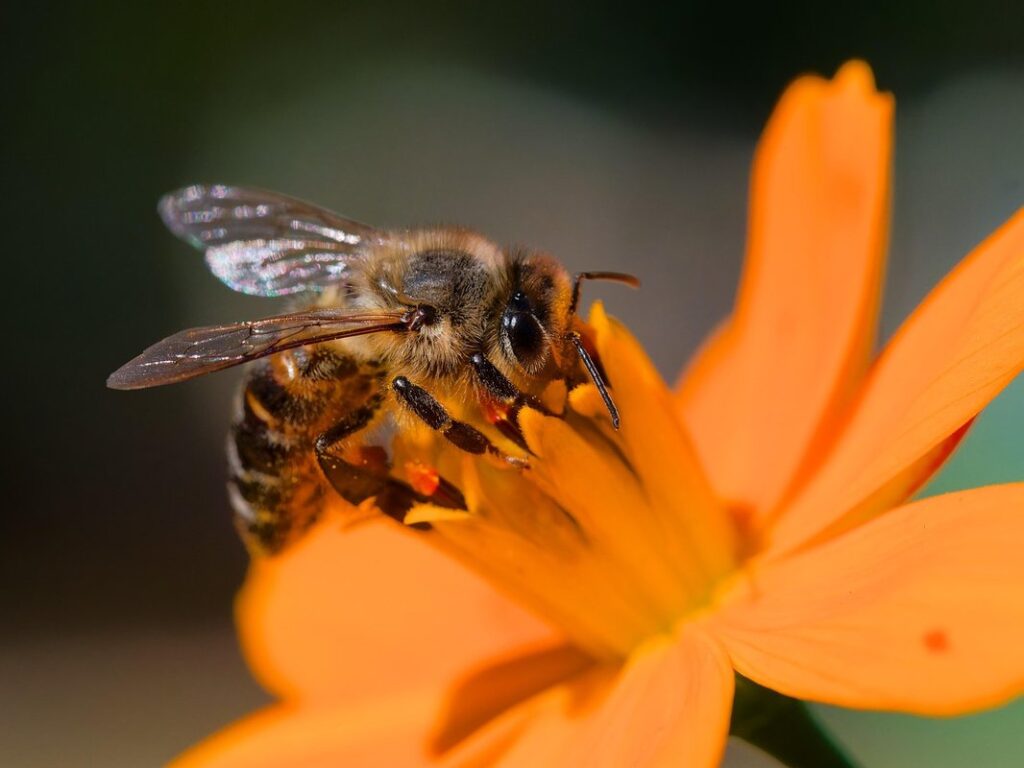
Choosing the Right Plants for Your Pollinator Garden
When selecting plants for your pollinator garden, it’s essential to choose varieties that are native to your region and cater to the needs of local pollinators. Consider factors like bloom time, nectar richness, and plant structure.
Attracting Native Pollinators
When it comes to creating a thriving pollinator garden, choosing plants that attract native pollinators is essential. Native plants have evolved alongside local pollinators over time, providing them with the exact resources they need to survive and thrive.
To select plants suitable for your region, start by identifying the types of pollinators you want to attract. Are you focused on bees, butterflies, or hummingbirds? Once you know what pollinators you’re aiming to support, look for plants that are native to your area and provide nectar-rich flowers, pollen, or both.
For example, in the eastern United States, plants like coneflowers, black-eyed Susans, and butterfly weed are popular choices for attracting native bees and butterflies. In the western United States, California poppies, lupines, and ceanothus are excellent options for supporting local pollinators.
When selecting plants, be sure to choose species that bloom at different times of the year to provide a constant source of food for pollinators throughout the growing season. This will not only support your local pollinator population but also create a vibrant and dynamic garden that attracts visitors all summer long.
Understanding Pollinator Needs
When selecting plants for your pollinator garden, it’s essential to consider the specific needs of different types of pollinators. Bees, butterflies, and hummingbirds all require distinct characteristics from their host plants to thrive.
Bees are attracted to a variety of flowers that provide nectar and pollen, often rich in protein. Consider incorporating plants like coneflowers, black-eyed susans, and sunflowers into your garden, which offer an abundance of both resources. Planting a mix of annuals and perennials will ensure a constant source of food for bees throughout the growing season.
Butterflies, on the other hand, are drawn to flowers with shallow nectar sources, such as lavender, mint, and cosmos. These plants should be placed in areas that receive full sun to partial shade, allowing butterflies to easily access their preferred feeding spots. Incorporating host plants, like milkweed for monarchs, will also provide a vital source of food for caterpillars.
Hummingbirds are attracted to flowers with long, tube-shaped structures that allow them to extract nectar using their specialized beaks. Plants like trumpet vines, coral bells, and bee balm fit this description, providing the necessary sustenance for these agile birds.
Selecting Plants by Bloom Time
When selecting plants for your pollinator garden, it’s essential to consider the bloom time of each species. This might seem like a simple task, but it can have a significant impact on the overall health and productivity of your garden.
Pollinators, such as bees and butterflies, are active throughout different seasons, and they rely on plants that provide a constant source of nectar. If you choose plants with a narrow bloom time, you may be creating a “feast or famine” situation for your pollinators. For example, if you plant only spring-blooming flowers like tulips and daffodils, you’ll attract pollinators in the spring but neglect them during the rest of the year.
To create a thriving pollinator garden, choose plants that bloom at different times to provide a constant source of nectar throughout the seasons. For example:
* Spring-blooming plants like crocuses and grape hyacinths provide early-season nectar.
* Summer-blooming plants like black-eyed Susans and coneflowers provide peak-season nectar.
* Fall-blooming plants like asters and sedum provide late-season nectar.
By selecting a diverse range of plants with different bloom times, you can create a garden that provides a constant source of food for pollinators throughout the year.
Perennial Pollinator Favorites: A List of Top Plants
When it comes to attracting pollinators to your garden, certain perennials are tried and true favorites that’ll bring in the bees and butterflies year after year. Here’s a list of our top picks.
Spring-Blooming Perennials
As we transition into spring, our pollinator gardens come alive with vibrant colors and fragrances. Among the top-performing perennials for this season are coneflowers (Echinacea spp.) and black-eyed Susans (Rudbeckia hirta), which provide a burst of energy to attract pollinators.
Coneflowers, in particular, offer an impressive display of large, showy flowers that last from late spring to early summer. Their unique shape allows for easy access by bees, butterflies, and other pollinators seeking nectar. Plant these towering perennials (typically 2-4 feet tall) towards the back or center of your garden to create a dramatic focal point.
In addition to coneflowers, black-eyed Susans are another excellent choice for spring-blooming perennials. These daisy-like flowers feature bright yellow petals with dark centers and bloom from late May through July. They grow relatively compact (around 18-36 inches tall), making them perfect for smaller spaces or containers.
When planting coneflowers and black-eyed Susans, be sure to choose varieties that are specific to your region’s growing conditions. This will ensure optimal health and blooming performance throughout the season.
Summer Blooms for Hot Weather
Summer is in full swing, and our pollinators are working overtime to collect nectar and pollen from flowers. But did you know that some plants are more resilient than others during these hot weather months? When temperatures soar, it’s essential to choose summer-blooming perennials that can withstand the heat while providing a vital source of sustenance for our busy bees.
Consider planting Blazing Star (Liatris spp.), a drought-tolerant perennial that attracts butterflies and hummingbirds with its vibrant purple flowers. This adaptable plant thrives in full sun and well-drained soil, making it an excellent choice for hot weather gardens. Another top pick is Black-eyed Susan (Rudbeckia hirta), which blooms from mid-summer to fall, providing a steady supply of nectar for pollinators.
To ensure success with these summer-blooming perennials:
* Plant them in areas that receive at least six hours of direct sunlight.
* Use a mix of native plants and flowers that are well-suited to your region’s climate.
* Water deeply but infrequently to encourage deep root growth, helping the plants tolerate dry spells.
By incorporating these heat-tolerant perennials into your pollinator garden, you’ll be providing a vital lifeline for our struggling pollinators during the peak hot weather months.
Autumn Bloomers and Winter Interest
As you’re designing a pollinator garden that provides constant nourishment for these vital creatures, consider incorporating Autumn Bloomers and Winter Interest plants into your landscape. These perennials offer blooms in the fall season or retain interest during winter months when other flowers have faded. By choosing varieties that continue to attract pollinators even after autumn’s warm days have passed, you’ll be supporting their needs year-round.
Some excellent choices include Asters, which produce delicate purple and pink flowers from September through October, providing a vital source of nectar for bees and butterflies as they prepare for winter. Another option is Chrysanthemum, which blooms in shades of yellow, orange, and red from late summer to early fall, attracting pollinators with its strong fragrance.
To further enhance your garden’s winter interest, consider incorporating plants like Winter Jasmine (Jasminum nudiflorum), whose bright yellow flowers bloom on bare branches during the coldest months. By including these Autumn Bloomers and Winter Interest perennials in your landscape, you’ll create a haven for pollinators even when winter arrives.
Annuals and Biennials: Supplemental Pollinator Plants
When it comes to incorporating annuals and biennials into your pollinator garden, we’ll focus on some excellent supplemental plants that provide a boost of color and nectar for bees and butterflies. These versatile flowers come back year after year with minimal care.
Vibrant Summer Blooms with Annuals
When it comes to creating a vibrant and thriving pollinator garden, annuals can play a vital role as supplemental plants. These flowering powerhouses offer an array of benefits that make them perfect for attracting a wide range of pollinators.
One of the most significant advantages of using annuals is their ability to provide a burst of color and vibrancy throughout the growing season. With new blooms emerging every few weeks, they can keep your garden looking fresh and dynamic from spring through fall. For instance, sunflowers (Helianthus annuus) are a popular annual choice that not only provide an impressive display of bright yellow petals but also attract a variety of pollinators, including bees, butterflies, and hummingbirds.
In addition to their eye-catching blooms, many annuals possess strong fragrances that serve as a vital cue for pollinators. For example, sweet alyssum (Lobularia maritima) emits a powerful scent that attracts honeybees and other beneficial insects. By incorporating these fragrant annuals into your pollinator garden, you can create a welcoming environment that invites pollinators to come and stay.
To maximize the benefits of using annuals in your pollinator garden, consider planting a mix of species with different bloom times and fragrances. This will ensure a constant supply of nectar-rich flowers throughout the growing season, keeping your garden buzzing with activity.
Adding Interest with Biennials
Biennials like foxgloves and hollyhocks are often overlooked in pollinator gardens, but they play a vital role in adding visual interest and providing a source of nectar for our beneficial visitors. These plants take two years to complete their life cycle, producing flowers in the second year after planting.
Foxgloves (Digitalis purpurea) stand out with their tall spikes of tubular bells in shades of purple, pink, and white. Not only do they attract hummingbirds and bees, but their unique blooms also add a vertical element to your garden, drawing the eye upwards and creating a sense of drama.
Similarly, hollyhocks (Alcea rosea) boast large, showy flowers in a range of colors, from soft pastels to bold reds. Their towering growth habit makes them a striking addition to any pollinator garden. When selecting biennials for your garden, consider the mature size and growth habits of each plant to ensure they won’t compete with other species for resources.
When planting biennials like foxgloves and hollyhocks, be sure to provide well-draining soil and full sun for optimal performance. With a little planning and patience, these plants will reward you with a dynamic display of flowers that pollinators love, adding depth and interest to your thriving pollinator garden.
Designing Your Pollinator Garden: Tips and Tricks
Now that you’ve chosen your plants, let’s focus on designing a pollinator garden that will thrive all season long with these expert tips and tricks.
Creating a Diverse Plant Community
When designing your pollinator garden, it’s essential to create a diverse plant community that caters to different pollinator needs and provides a constant source of nectar throughout the growing season. This will ensure that your garden remains vibrant and attractive to pollinators from early spring to late fall.
To achieve this diversity, aim for a mix of annuals and perennials that bloom at different times. For example, consider planting bulbs like crocuses or daffodils in the spring, which provide nectar-rich flowers early in the season. Summer-blooming plants like sunflowers, zinnias, and cosmos will attract pollinators during the warmest months.
In addition to blooming times, think about the specific needs of different pollinators. Bees, for instance, are attracted to flat, landing-friendly flowers with a shallow nectar source, such as coneflowers or black-eyed Susans. Butterflies, on the other hand, prefer tubular flowers like honeysuckle or fuchsia that allow them to reach the nectar deep within.
To create a diverse plant community, choose plants from different plant families and with varying growth habits. This will ensure that your garden remains attractive to pollinators throughout the growing season. Consider incorporating native plants, which are adapted to your local climate and soil conditions, to further enhance biodiversity in your garden.
Incorporating Native Wildflowers
When designing your pollinator garden, incorporating native wildflowers is a crucial aspect to consider. These plants are perfectly adapted to your local climate and soil conditions, making them an ideal choice for attracting pollinators.
To get started, you’ll need to identify the types of native wildflowers that thrive in your region. You can consult with a local nursery or gardening expert who can provide guidance on selecting plants suitable for your area. Consider factors such as sunlight, soil type, and moisture levels when choosing species. Some popular native wildflowers for pollinator gardens include coneflower (Echinacea spp.), black-eyed Susan (Rudbeckia hirta), and purple coneflower (Lobelia inflata).
When selecting native wildflowers, look for plants that are low-maintenance and disease-resistant. This will ensure that they require less care and attention from you, freeing up more time to focus on other aspects of your garden. By incorporating native wildflowers into your pollinator garden design, you’ll be creating a welcoming space for local bees, butterflies, and other beneficial insects.
Adding Water Features and Habitat Elements
When designing your pollinator garden, it’s essential to consider adding water features and habitat elements. These additions not only create a visually appealing space but also play a crucial role in supporting a diverse range of wildlife. A well-designed water feature can provide a source of hydration for pollinators during hot summer days, while also creating a haven for beneficial insects like dragonflies and damselflies.
Incorporating habitat elements, such as rocks, logs, or native vegetation, provides shelter and food sources for various species. For example, native wildflowers offer nectar-rich blooms that fuel pollinator activity, whereas shrubs and trees provide nesting sites and protection from harsh weather conditions.
To create a thriving water feature, consider installing a shallow dish or birdbath with fresh water and adding some rocks or twigs for perching areas. Remember to change the water frequently to prevent mosquito breeding. By incorporating habitat elements, such as native plants, a mix of sun-loving and shade-tolerant species will attract a variety of pollinators, including bees, butterflies, and hummingbirds.
Some recommended plant species that provide shelter and food include black-eyed Susans (Rudbeckia hirta), coneflowers (Echinacea spp.), and bee balm (Monarda didyma). By incorporating these elements into your garden design, you’ll create a welcoming haven for pollinators, ultimately supporting the health of your local ecosystem.
Maintenance Tips: Keeping Your Pollinator Garden Thriving
To keep your pollinator garden thriving, regular maintenance is crucial to ensure a healthy and vibrant ecosystem for these important insects. We’ll share essential tips to help you achieve this goal.
Mulching and Weeding Best Practices
Mulching and weeding are two of the most crucial maintenance tasks for keeping your pollinator garden healthy and thriving. Mulch helps retain moisture in the soil, suppresses weeds, and regulates soil temperature. When choosing a mulch for your pollinator garden, opt for organic materials like wood chips, bark, or leaves. Avoid using gravel or rock mulches, as they can repel beneficial insects.
Weeds can be a major issue in pollinator gardens, competing with plants for water and nutrients. Regularly remove weeds by hand or use a tool to avoid damaging surrounding plants. For persistent weeds, consider using natural herbicides like vinegar or boiling water. Keep your mulch layer about 2-3 inches thick, replenishing it as needed to maintain its effectiveness.
Remember, prevention is key! Mulching and weeding regularly can save you time in the long run by reducing weed growth and soil erosion.
Pruning and Deadheading for Optimal Bloom
Pruning and deadheading are crucial maintenance tasks that can make a significant difference in your pollinator garden’s performance. Regular pruning helps to control plant size, promote healthy growth, and encourage blooming. When it comes to deadheading, removal of spent flowers can be done at any time, but it’s most effective when done immediately after blooming.
Here are some specific tips for pruning:
- Cut back perennials like coneflowers, black-eyed Susans, and cosmos by one-third in the spring to encourage new growth.
- Remove dead or diseased branches from shrubs like lavender and rosemary to prevent the spread of disease.
- Thin out overcrowded areas to allow sunlight to reach all plants.
For deadheading:
- Use scissors or pinch off spent flowers with your fingers for delicate blooms like bee balm and coral bells.
- Cut stems back to a leaf node, just above a leaf, to encourage new growth and additional blooms.
- Remove seed heads from plants that have completed their blooming cycle, like sunflowers and zinnias, to direct energy towards the roots.
By incorporating these pruning and deadheading techniques into your regular maintenance routine, you’ll be able to enjoy optimal bloom times and promote a healthy pollinator garden.
Resources: Where to Find More Information
If you’re excited to create your pollinator garden and want to learn more, we’ve compiled a list of top resources for further education and inspiration. Check out these expert-approved websites and books for more guidance.
Online Resources and Guides
As you start planning your pollinator garden, it’s essential to tap into the wealth of online resources available that can guide you through the process. One excellent place to begin is with the Xerces Society’s Pollinator Health Webinar Series, which offers in-depth advice on creating pollinator-friendly habitats and selecting the right plants for your region.
The National Wildlife Federation also provides an array of valuable guides and tips on their website, including a comprehensive guide to creating a pollinator garden. This resource covers everything from choosing native plants to designing a garden that attracts specific pollinators. Another helpful resource is the Pollinator Partnership’s PlantFinder tool, which allows you to search for plants suitable for your region and climate.
By leveraging these online resources and guides, you’ll be well on your way to creating a thriving pollinator garden that not only supports local ecosystems but also provides a beautiful and beneficial space for you and your community.
Local Nurseries and Garden Centers
When creating a pollinator garden, it’s essential to support local nurseries and garden centers. These businesses often specialize in native plants, which are crucial for attracting pollinators. By shopping locally, you’ll not only be supporting the community but also ensuring that the plants you choose will thrive in your region.
When visiting a local nursery or garden center, take advantage of the expertise of the staff. They can guide you on selecting plants that are suitable for your specific climate and soil type. For example, if you’re looking to attract monarch butterflies, they may recommend milkweed or sunflowers, both of which are excellent choices for pollinator gardens.
In addition to native plants, local nurseries and garden centers often host workshops and events focused on sustainable gardening practices. These can be a great way to learn from experts in the field and connect with other garden enthusiasts. By supporting these businesses, you’ll not only be creating a thriving pollinator garden but also contributing to the health of your community’s ecosystem.
When selecting plants at a local nursery or garden center, look for plants that are labeled as “native” or “pollinator-friendly.” This will ensure that you’re choosing plants that will attract pollinators and support biodiversity.
Frequently Asked Questions
Can I use a mix of annuals and perennials to create a diverse pollinator garden?
Yes, incorporating a variety of plants with different bloom times will provide a constant source of nectar and pollen for pollinators throughout the growing season. This mix also helps maintain a healthy ecosystem by reducing dependence on any one plant.
How do I ensure that my pollinator garden is accessible to native bees and other beneficial insects?
Native bees, in particular, are often solitary and nest in the ground or in vegetation. Consider incorporating plants with low-maintenance soil requirements, like meadow grasses or wildflowers, to provide nesting sites for these valuable visitors.
What if I have limited space – can I still create a pollinator-friendly garden?
Even small spaces, like balconies or containers, can be made pollinator-friendly by choosing compact varieties of plants that cater to local pollinators. Consider incorporating vertical gardens or using tiered planters to maximize space.
How do I handle common pests and diseases in my pollinator garden without harming the beneficial insects?
To minimize harm to beneficial insects, adopt integrated pest management (IPM) strategies like crop rotation, biological control methods, or introducing beneficial nematodes. Research local, organic solutions for specific problems you may encounter.
Can I grow these pollinator-friendly plants indoors, or are they only suitable for outdoor gardens?
Some of the plants listed in this article can be grown indoors in containers, providing a source of nectar and pollen for indoor pollinators like hoverflies and beetles. However, ensure that your plants receive sufficient light and water, as indoor conditions may differ significantly from outdoors.