
If you’re like many plant enthusiasts, you’ve probably fallen in love with the beautiful, heart-shaped leaves of your philodendron. However, as your philodendron grows, it can quickly become unruly and difficult to maintain if not properly pruned. To keep your philodendron thriving without sacrificing too much time or energy, learning expert tips on pruning is essential. Not only will regular pruning promote healthy growth, but it will also encourage more vibrant foliage. But that’s not all – we’ll also be covering optimal watering and lighting techniques to ensure your philodendron receives the care it needs to truly flourish. In this article, you’ll discover how to create a thriving, low-maintenance philodendron that brings joy to any room in your home.
Understanding Your Philodendron’s Needs
Understanding your philodendron’s needs is crucial for its overall health and growth. This section breaks down the essential factors to consider when meeting your plant’s specific requirements.
Identifying the Right Potting Mix for Philodendrons
When it comes to philodendron care, using the right potting mix is crucial for their healthy growth and development. A well-draining potting mix will prevent waterlogged soil, which can lead to root rot and other problems.
To choose between organic and inorganic mixes, consider your philodendron’s specific needs. Organic mixes tend to be more expensive but offer better aeration and moisture retention. Inorganic mixes are cheaper and easier to find, but may contain additives that can harm your plant. If you’re new to philodendron care, an all-purpose organic mix is a good starting point.
Some popular options for philodendron growers include Miracle-Gro Orchid Mix, Black Kow All Purpose Potting Mix, and Espoma Organic Indoor Plant Potting Mix. When selecting a mix, look for ingredients like perlite or vermiculite, which help with drainage and aeration. Avoid mixes with high levels of fertilizer, as this can burn your philodendron’s roots.
If you’re unsure about what type of mix to use, start by reading the label and looking for reviews from other growers. You may also want to experiment with different mixes to see what works best for your specific plant.
Lighting Requirements for Healthy Philodendron Growth
When it comes to providing the right lighting for your philodendron, it’s essential to strike the perfect balance between direct sunlight and indirect light. Philodendrons can tolerate a range of light conditions, but most species prefer bright, indirect light.
In general, east- or west-facing windows are ideal for philodendrons, as they receive gentle, indirect light throughout the day. Avoid placing your philodendron in direct sunlight, especially during peak hours (usually between 11 am and 3 pm), as this can cause leaves to become scorched or develop brown spots.
If you don’t have a suitable window with indirect light, you can also use grow lights to supplement the natural lighting in your space. Aim for at least 12-14 hours of light per day, but avoid overlighting, which can lead to weak and spindly growth.
Some philodendron species are more tolerant of direct sunlight than others, so make sure to research the specific needs of your plant. For example, Philodendron selloum is known for its ability to thrive in bright, sunny conditions, while Philodendron bipinnatifidum prefers shadier environments.
Watering Techniques to Avoid Overwatering
Overwatering is one of the most common mistakes made when caring for philodendrons. It’s easy to get carried away with watering your plant, but this can lead to root rot and other problems. To determine if your philodendron needs water, check the soil moisture by sticking your finger into the soil up to the first knuckle. If the soil feels dry, it’s time to water.
If you’re not sure when to water, start with a gentle approach. Water your philodendron once a week during the spring and summer months when it’s actively growing. During the fall and winter months, reduce watering to every 10-14 days. It’s better to err on the side of caution and underwater than to risk overwatering.
Some signs that you’re overwatering include yellowing leaves, soft stems, and a soggy potting mix. If you notice any of these symptoms, adjust your watering schedule immediately. To avoid overwatering, make sure not to get water on the leaves or crown of the plant, as this can cause rot. Instead, water at the base of the plant, allowing the soil to absorb the moisture.
By paying attention to the signs and adjusting your watering schedule accordingly, you can keep your philodendron healthy and thriving.
Pruning Philodendrons: When and How
Now that you know when to prune your philodendron, let’s dive into the how-to part of pruning these beautiful plants. We’ll cover the essential techniques to keep your philodendron thriving.
Reasons for Pruning Your Philodendron
Pruning is an essential part of philodendron care, and it’s not just about aesthetics. Regular pruning promotes healthy growth, prevents disease, and encourages your plant to thrive. When you prune a philodendron, you’re actually giving it a wake-up call, stimulating new cell growth and encouraging the plant to produce more leaves.
This is particularly important for indoor plants like philodendrons, which can become leggy and stretched out due to lack of light or poor air circulation. Pruning helps to maintain your plant’s shape, promoting bushy growth and a fuller appearance. By removing old, dying, or damaged leaves, you’re also preventing the spread of disease and encouraging your plant to focus its energy on producing new growth.
To prune effectively, remove any dead or diseased leaves, cutting them off at the base with clean, sharp tools. Next, cut back long stems by about one-third to encourage branching and prevent overgrowth. Don’t be afraid to get creative – pruning can be a great way to shape your plant into a unique and beautiful form.
Preparing Your Tools for Pruning
Before you start pruning your philodendron, it’s essential to prepare your tools for the task. You’ll need a few basic items to ensure a safe and effective pruning experience.
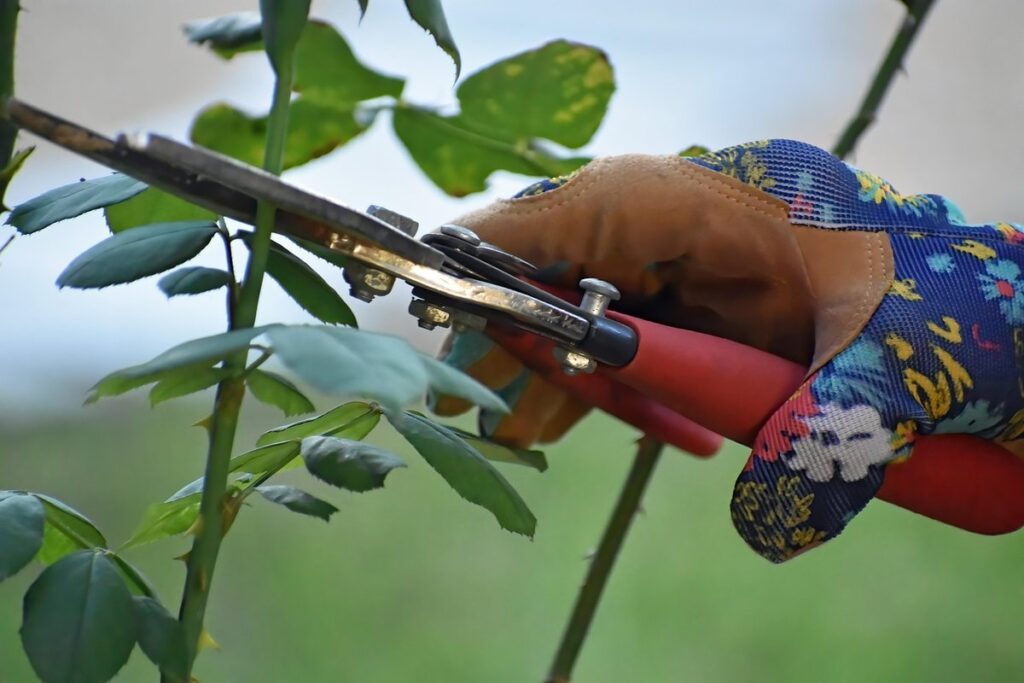
First and foremost, invest in good-quality pruning shears. These should be sharp enough to cut through thick stems with ease, but also gentle enough not to damage the plant’s delicate tissues. Look for shears with rust-resistant coatings or handles made from durable materials like stainless steel or wood.
Don’t forget to wear a pair of gardening gloves to protect your hands from thorns and sap. Choose gloves that are specifically designed for pruning, as they will provide extra grip and protection against irritants. A good rule of thumb is to have at least two pairs on hand – one for each task, so you can clean and disinfect them between uses.
To prepare your tools, make sure they’re clean and free from debris before use. Give your shears a quick wipe down with soap and water to prevent the spread of diseases, and dry them thoroughly to prevent rust. This simple step will help ensure that your pruning experience is both safe and effective.
Basic Pruning Techniques for Philodendrons
When pruning philodendrons, it’s essential to start with some basic techniques that will help you maintain their health and promote lush growth. One of the most critical steps is removing dead leaves and stems, which can be a haven for pests and diseases. To do this, simply use a pair of clean scissors or pruning shears to cut off any wilted or brown leaves at the base. This will not only prevent the spread of disease but also encourage new growth.
To promote bushy growth, try “pinching” your philodendron by gently snipping off the top set of leaves with a pair of scissors. This technique helps redirect the plant’s energy towards producing lateral shoots, resulting in a fuller and more compact plant. You can also use this method to control the height of your philodendron or encourage new growth on a leggy stem.
Remember, pruning is an ongoing process that requires regular maintenance. By incorporating these basic techniques into your routine, you’ll be able to keep your philodendron looking its best and prevent any potential problems from arising.
Advanced Pruning Techniques for Specific Needs
When it comes to pruning philodendrons, not all techniques are created equal. We’ll dive into advanced methods tailored to specific needs, from controlling leggy growth to promoting healthy root development.
Propagating Philodendron Stems and Leaves
To successfully propagate new philodendrons from cuttings, you need to start with healthy material. Inspect your plants for robust stems and leaves that are free of pests or diseases. Choose stems with at least two sets of nodes, as this will increase the chances of successful propagation. Cut a section of stem about 4-6 inches long, making sure each node has a small amount of leaf attached.
Next, prepare the growing medium by filling a pot or propagation tray with a well-draining mix specifically designed for indoor plants. Water the mix thoroughly and allow it to settle before placing the cuttings in. The ideal temperature range for rooting is between 65-75°F (18-24°C), and high humidity will encourage root development.
Place the cuttings in a bright, indirectly lit area with consistent moisture levels. Roots should begin to develop within 1-2 weeks, after which you can transfer them into individual pots using a balanced fertilizer for optimal growth.
Shaping Your Philodendron into a Desired Form
When it comes to shaping your philodendron into a desired form, whether it’s a topiary or climbing form, you’ll want to use pruning techniques that promote the right growth habit. To create a topiary shape, start by training your philodendron to grow in the desired direction using stakes and ties. This will help establish the framework of the shape before you begin pruning. Once established, prune the philodendron regularly to maintain the shape, cutting back any stems that don’t conform to the design.
For climbing forms, you can use a technique called “pinching” where you remove the growing tips from the stems. This encourages lateral growth and helps the philodendron spread out along the desired surface. Another option is to prune back long vines to encourage branching and promote more growth along the sides of the plant.
To maintain these shapes, make sure to regularly inspect your philodendron for any areas that may be becoming overgrown or unruly, pruning them back as needed. Regular fertilization and adequate light will also help keep your shaped philodendron thriving.
Common Mistakes to Avoid When Pruning Your Philodendron
Don’t let pruning mistakes harm your philodendron’s health – we’ll explore common errors to avoid, from over-pruning to improper technique. Let’s get started!
Over-Pruning: The Most Common Error
Over-pruning is one of the most common mistakes plant enthusiasts make when caring for their philodendrons. When you remove too much foliage and stem material, it can cause significant stress to your plant. This stress manifests in various ways, including yellowing leaves, weak stems, and even a decrease in new growth.
Philodendrons are naturally inclined to grow vines, which helps them absorb moisture and nutrients from the air and soil. By pruning too aggressively, you’re essentially hacking away at their ability to photosynthesize and thrive. For instance, imagine cutting off 50% of your philodendron’s leaves in a single session – it would be like depriving yourself of oxygen for an extended period.
To avoid this pitfall, focus on gentle maintenance. Prune only what is necessary, typically dead or dying leaves and stems, to maintain your plant’s shape and encourage healthy growth. Remember that less is often more when it comes to pruning philodendrons.
Under-Pruning: Failing to Maintain a Healthy Plant
When it comes to pruning your philodendron, under-pruning is just as detrimental as over-pruning. Failing to maintain a healthy plant through regular pruning can lead to reduced growth and increased susceptibility to disease.
Philodendrons that are not pruned regularly may start to become leggy and sparse, with long stems and few leaves. This can make the plant more prone to pests and diseases, such as mealybugs and root rot. In fact, a study found that plants that were not pruned regularly had a 50% higher rate of disease infection compared to those that were pruned regularly.
To avoid under-pruning, it’s essential to prune your philodendron at least once a month during the growing season. Remove any dead or dying leaves and stems, as well as any weak or spindly growth. This will help maintain the plant’s overall health and encourage new growth. By pruning regularly, you’ll not only keep your philodendron looking its best but also prevent potential problems down the line.
Some common signs of under-pruning include:
• Long, leggy stems with few leaves
• Sparse foliage and weak growth
• Increased susceptibility to pests and diseases
By being mindful of these signs and pruning regularly, you can ensure that your philodendron remains healthy and thrives.
Tools and Equipment for Philodendron Care
To keep your philodendron healthy and thriving, you’ll need the right tools and equipment to prune and care for it properly. This section covers the essential gear every philodendron owner should have in their arsenal.
Pruning Shears and Gloves for Safe Handling
When it comes to pruning philodendrons, having the right tools can make all the difference. Let’s start with the essentials: pruning shears and gloves. Pruning shears are a must-have for any philodendron care enthusiast. Look for sharp, clean blades that can easily cut through thick stems without causing damage to the plant.
Invest in a good pair of gardening gloves to protect your hands from thorns, sap, and other irritants. Latex or nitrile gloves work well, but make sure they’re not too bulky to get into tight spaces around the plant. Some pruning shears even come with integrated gloves or holders for convenience.
When using pruning shears, always cut just above a node (the point where a leaf meets the stem) to encourage new growth. Use clean and sharp blades to avoid spreading diseases, and disinfect your tools between cuts with rubbing alcohol or soap and water.
Other Handy Tools for Supporting Growth
In addition to pruning tools and shears, there are other handy items you can use to support your philodendron’s growth. A trellis is a great investment for climbing varieties of philodendron, as it provides them with the necessary structural support to grow upwards towards the light. This not only adds visual interest to your space but also helps to promote healthy growth by allowing the plant to photosynthesize more efficiently.
Using stakes can be beneficial for philodendrons that are prone to top-heavy growth or have weak stems. Simply insert a stake into the soil near the base of the plant and gently tie the stem to it using twine or wire. This will prevent the plant from becoming too leggy or toppling over, while also encouraging new growth.
Some philodendron varieties can grow quite large, so investing in a trellis or stakes can help keep them under control. By providing your philodendron with the necessary support, you’ll be able to enjoy its beautiful foliage without worrying about it becoming too unruly.
Conclusion: Tips for Long-Term Philodendron Care
Now that you’ve mastered pruning and maintenance, let’s wrap up with some valuable tips on how to keep your philodendron thriving in the long term.
Recap of Key Takeaways from the Article
As you’ve made it through this comprehensive guide on philodendron care pruning and maintenance, let’s recap some key takeaways to ensure your plant thrives for years to come. First, remember that regular pruning is essential for promoting healthy growth and preventing overgrowth. This includes not just removing dead or dying leaves but also trimming back long stems to maintain a desired shape.
In addition to pruning, proper watering and fertilization techniques are crucial for maintaining the overall health of your philodendron. Make sure to water your plant when the top inch of soil feels dry to the touch, and avoid getting water on the leaves to prevent fungal diseases. As for fertilization, use a balanced fertilizer during the growing season (spring-fall) and reduce frequency during winter months.
Don’t forget to repot your philodendron every 1-2 years as it outgrows its container. This will give the roots room to expand and keep the plant from becoming pot-bound. With these essential tips in mind, you’ll be well on your way to creating a happy and thriving philodendron that brings joy to your home for years to come.
Ongoing Maintenance Schedule to Keep Your Plant Thriving
To keep your philodendron thriving, it’s essential to create an ongoing maintenance schedule tailored to its specific needs. This will help you stay on top of tasks like watering, fertilizing, and pruning, ensuring your plant remains healthy and robust.
First, identify the specific requirements of your philodendron based on factors such as climate, soil type, and growth rate. For instance, if you live in a dry climate, you may need to water more frequently.
Consider creating a routine that involves checking your plant’s moisture levels daily or every other day, depending on its needs. This can be done by sticking your finger into the soil up to the first knuckle; if the soil feels dry, it’s time to water.
Additionally, set aside time each week for tasks like pruning dead leaves and repotting the plant in fresh soil. You may also want to schedule regular fertilization appointments using a balanced fertilizer to promote healthy growth.
Frequently Asked Questions
What are some essential tools I need to prune my philodendron effectively?
You’ll need a pair of clean, sharp pruning shears or loppers, as well as a long-handled cultivator for reaching deeper stems. It’s also helpful to have gloves and a few disposable bags on hand for disposing of cut plant material. Make sure your tools are specifically designed for garden use and maintain them regularly to prevent rust and damage.
Can I prune my philodendron too frequently, or will it harm the plant?
Pruning is essential for maintaining your philodendron’s health, but over-pruning can indeed cause more harm than good. Be sure to only remove dead or damaged leaves, stems, or vines, and avoid pruning back too much of the plant at once. This will prevent stress and allow your philodendron to recover quickly.
How often should I water my philodendron after pruning?
After pruning, your philodendron may require more frequent watering due to its increased exposure to light and air circulation. However, be cautious not to overwater – check the soil moisture daily, and only water when it feels dry to the touch. This will help prevent root rot and ensure healthy regrowth.
What are some common mistakes people make when pruning their philodendron?
One of the most common errors is under-pruning or over-pruning the plant. To avoid this, focus on removing dead or damaged leaves, stems, and vines, and prune back only what’s necessary to maintain a balanced shape. It’s also essential to clean your tools regularly and use them correctly to prevent damage to the plant.
Can I propagate my philodendron using cuttings from pruned material?
Yes! Philodendrons can be easily propagated using stem or leaf cuttings, which should be taken during the growing season (spring-fall). Cut 4-6 inch sections of healthy stem just below a node, and plant them in a well-draining potting mix. Keep the soil consistently moist but not waterlogged until roots develop, then transfer to individual pots.