
Grape powdery mildew can be a devastating problem for vineyards, causing significant losses in yield and quality. As a grape grower, you know how crucial it is to manage this fungal disease effectively. But with so many factors at play, from environmental conditions to integrated pest management (IPM) strategies, it’s hard to know where to start.
In this comprehensive guide, we’ll take a closer look at the key elements of grape powdery mildew control. We’ll explore how to identify and mitigate the environmental triggers that contribute to the disease’s development, as well as effective IPM methods for prevention and treatment. You’ll also learn about chemical control options and organic approaches to managing powdery mildew. Whether you’re a seasoned viticulturist or just starting out, this article aims to provide you with the knowledge you need to protect your grape crop and maximize yields.
Understanding Grape Powdery Mildew
Grape powdery mildew is a complex and widespread issue that affects grape growers worldwide, so let’s break down its causes and symptoms to better understand how to control it.
What is Grape Powdery Mildew?
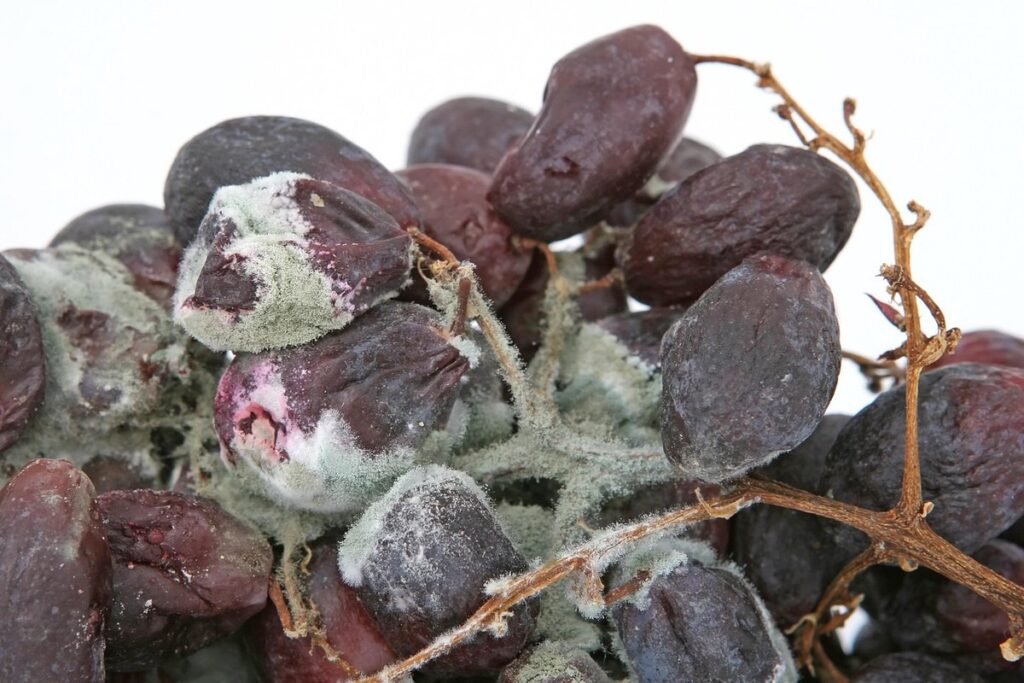
Grape powdery mildew is a fungal disease that affects grapevines, causing a powdery white coating to form on leaves and other plant surfaces. It’s a common issue for vineyard owners worldwide, especially during humid weather conditions. The fungus that causes this disease, Erysiphe necator, thrives in temperatures between 64°F and 75°F (18°C and 24°C) and high humidity.
The effects of grape powdery mildew on vineyards can be significant. Infected vines may experience reduced yields, stunted growth, and increased susceptibility to other diseases. If left unchecked, the disease can spread quickly throughout a vineyard, causing extensive damage and economic losses.
To understand how to control grape powdery mildew effectively, it’s essential to recognize its causes. Poor air circulation, excessive moisture, and high temperatures create an ideal environment for the fungus to grow. Vineyard owners can take preventive measures by ensuring proper spacing between vines, maintaining good soil drainage, and pruning infected areas promptly. These steps are crucial in managing grape powdery mildew and reducing its impact on vineyards.
Symptoms and Identification
Grape powdery mildew is often referred to as the ‘silent killer’ of vineyards worldwide. This is because its symptoms can be easily mistaken for those of other diseases, leading to delayed detection and treatment. However, it’s essential to identify grape powdery mildew early on to prevent damage to your crop.
Common symptoms include a white or grayish powder covering the leaves, stems, and fruit of affected vines. The infected areas may appear as small patches, but they can rapidly spread if left untreated. To identify grape powdery mildew, look for fine threads of mycelium (vegetative part of fungi) on the underside of leaves.
Some key signs to watch out for include:
• Small white or grayish powdery patches on leaves and stems
• Fungal growths forming around fungal spores on the leaf surface
• Discoloration, particularly yellowing or browning of leaves
When inspecting your vineyard, focus on areas with high humidity, which favor fungal growth. Regular monitoring is crucial to detect grape powdery mildew early on and take corrective action before it spreads further.
Factors Contributing to Grape Powdery Mildew
Grape powdery mildew can be a challenging issue for growers, and understanding its causes is key to developing effective control strategies. Let’s take a closer look at some of the main factors contributing to this problem.
Environmental Factors
Grape powdery mildew is highly sensitive to environmental conditions, and understanding these factors can help you take proactive steps in controlling its spread. Temperature, humidity, and sunlight are the primary environmental elements that contribute to the development of grape powdery mildew.
Temperature plays a crucial role in the growth and reproduction of powdery mildew fungi. Temperatures between 64°F and 75°F (18°C and 24°C) are ideal for fungal growth, while temperatures above or below this range can slow it down. For example, a study conducted in California found that grape powdery mildew incidence increased by 20% when the temperature exceeded 70°F (21°C).
Humidity is another critical factor that affects powdery mildew development. High humidity allows the fungal spores to germinate and infect the grapes more easily. In fact, research has shown that powdery mildew can develop on grapes in as little as 24 hours when the relative humidity is above 80%.
Sunlight also impacts powdery mildew growth, but its effects are more subtle. While direct sunlight can kill fungal spores, indirect sunlight can promote their growth. This is because indirect sunlight creates a warm and humid microclimate that favors fungal development.
To control grape powdery mildew, monitor your vineyard’s temperature, humidity, and sunlight patterns closely. Use this data to implement targeted management strategies, such as pruning, irrigation, or fungicide application, to prevent the disease from taking hold. By understanding and addressing these environmental factors, you can significantly reduce the risk of grape powdery mildew and protect your yields.
Soil and Water Quality
Soil and water quality play a significant role in contributing to the prevalence of grape powdery mildew. Poor soil health can lead to stress on the vine, making it more susceptible to disease. This is especially true for soils with low organic matter content, poor drainage, or high pH levels.
When it comes to water quality, factors such as pH, nutrient levels, and contamination can all impact the risk of powdery mildew. Water with high pH levels can lead to an imbalance in soil chemistry, making it harder for the vine to absorb essential nutrients. On the other hand, contaminated water can introduce pathogens that exacerbate disease.
To maintain healthy soils and optimal water quality, consider implementing practices such as crop rotation, cover cropping, and mulching. Regular soil testing will also help you identify any underlying issues. For example, a 2018 study found that organic amendments improved soil health and reduced powdery mildew in grapevines by 30%. By paying attention to these critical factors, you can reduce the likelihood of grape powdery mildew infections.
Integrated Pest Management (IPM) Strategies
To effectively control grape powdery mildew, consider implementing integrated pest management strategies that combine physical barriers, cultural controls, and targeted treatments for optimal results. This multi-faceted approach can help you stay ahead of the disease.
Cultural Controls
Cultural practices play a crucial role in preventing or reducing grape powdery mildew outbreaks. One of the most effective cultural controls is pruning, which involves removing diseased or damaged shoots to prevent spores from spreading. Prune vines in late winter or early spring, focusing on removing any weak or infected wood.
Proper training of the vine also helps maintain good air circulation and sunlight penetration, both essential for preventing powdery mildew growth. This can be achieved through techniques like espalier or trellising. By training the vine to grow upwards or outwards, you can increase the distance between leaves and reduce humidity, making it harder for spores to thrive.
Thinning is another cultural control that helps prevent powdery mildew by reducing foliage density. This involves removing excess shoots or clusters of grapes, which in turn reduces the amount of moisture available for fungal growth. By thinning your vines, you can create a more balanced and healthy canopy, making it easier to manage powdery mildew outbreaks.
When implementing cultural controls like pruning, training, and thinning, timing is everything. For example, prune just before budbreak in late winter or early spring, when the risk of frost has passed. By combining these cultural practices with other IPM strategies, you can significantly reduce your reliance on chemical fungicides and create a healthier vineyard ecosystem.
Biological Control Methods
Biological control methods offer a promising solution to combat grape powdery mildew without relying on chemical treatments. One approach is introducing beneficial fungi that can outcompete the pathogen, such as Trichoderma spp., which has been shown to reduce mildew severity by up to 70% in some studies.
Another method involves using natural predators like lady beetles or lacewings, which feed on the mildew-causing fungus. For instance, a trial conducted in a Napa Valley vineyard found that introducing these beneficial insects resulted in a significant decrease in powdery mildew incidence over two consecutive seasons.
To implement biological control effectively, it’s crucial to first identify and monitor your vineyard’s specific pest population. This can be achieved through regular scouting and monitoring of leaves for signs of mildew. Once the right beneficial organisms are introduced, it’s essential to maintain optimal growing conditions, such as providing adequate moisture and maintaining balanced nutrient levels.
It’s also worth noting that some farmers have seen success with using plant extracts or oils to stimulate the natural defenses of the grapevine, making them more resistant to powdery mildew. These approaches can be used in conjunction with other IPM strategies for a holistic approach to disease management.
Chemical Control Options
When it comes to chemical control, you’ve got several effective options at your disposal, but which ones work best for grape powdery mildew? Let’s explore the most commonly used chemicals.
Fungicides and their Modes of Action
When it comes to controlling grape powdery mildew, fungicides play a crucial role. There are several types of fungicides available for treating this disease, each with its own unique mode of action.
Systemic fungicides are absorbed by the plant and move through its tissues to target the fungal infection at its source. They can also provide long-term protection against future infections. For example, sulfur-based systemic fungicides are often used in organic vineyards due to their effectiveness and environmental sustainability.
Contact fungicides, on the other hand, work by killing or inhibiting the growth of fungal spores that come into contact with them. These products typically offer quick knockdown of visible powdery mildew symptoms but may need repeated applications to maintain control. Examples of contact fungicides include chlorothalonil and copper-based compounds.
When selecting a fungicide for grape powdery mildew control, it’s essential to consider the specific characteristics of your vineyard, including soil type, climate, and pest management practices. Consulting with a qualified agronomist or viticulturist can help you choose the most effective treatment strategy for your specific needs.
Resistance Management and Timing
When applying fungicides to control grape powdery mildew, timing and dosage are crucial factors to consider to minimize resistance development. Over-reliance on chemical controls can lead to the emergence of resistant fungal populations, rendering treatments less effective over time.
To manage resistance effectively, it’s essential to adopt a strategic approach to fungicide application. This involves selecting products with different modes of action, rotating them regularly, and applying them at optimal timing to maximize efficacy while minimizing selection pressure on the fungal population. For example, if you’re using an ergosterol biosynthesis inhibitor (EBI), such as myclobutanil or pyrimethanil, follow it up with a product from a different group, like trifloxystrobin or azoxystrobin.
In practice, this means applying fungicides at the right stage of disease development and under optimal weather conditions. For grape powdery mildew, apply treatments during periods of high humidity and when symptoms are first appearing on leaves. Regular monitoring is key to making timely applications and ensuring that products are used judiciously. By balancing efficacy with responsible use, you can maintain control over powdery mildew while minimizing the risk of resistance development.
Organic and Alternative Methods
If you’re looking for a more natural approach to grape powdery mildew control, consider organic and alternative methods that can be just as effective. These eco-friendly solutions are worth exploring further.
Copper-Based Products
When it comes to controlling grape powdery mildew without resorting to chemical fungicides, copper-based products are an attractive alternative. These products have been widely used for decades and offer a range of benefits for vineyard owners.
Copper-based products work by releasing ions that interfere with the growth of fungal spores, ultimately preventing them from infecting the grapevine. They can be applied as a spray or dust, and some products are even integrated into fertilizers or soil amendments. For example, copper oxychloride is a popular choice for powdery mildew control, as it has been shown to reduce spore germination by up to 90%.
When using copper-based products, it’s essential to follow the recommended application rates to avoid phytotoxicity. This may involve applying smaller amounts more frequently or combining with other control methods. For instance, research has demonstrated that integrating copper-based products with sulfur-based fungicides can achieve even better powdery mildew control results.
By incorporating copper-based products into your integrated pest management (IPM) strategy, you can reduce your reliance on chemical fungicides and promote a healthier vineyard ecosystem.
Other Organic Options
While sulfur and oil-based products have been covered, there are other organic options worth exploring for grape powdery mildew control. Sulfur is a natural fungicide that can be used to control powdery mildew, but it’s not the only option. Garlic, in particular, has shown promising results in controlling fungal diseases.
Garlic contains compounds like allicin, which have antifungal properties. You can use garlic spray or extract to treat affected areas. Mix 3-4 cloves of minced garlic with one quart of water and let it sit for 24 hours before straining and using the solution as a foliar spray.
Another option is neem oil, derived from the seeds of the neem tree. Neem oil has been used in traditional Indian medicine for centuries to control fungal diseases. When mixed with water and applied as a spray, neem oil can help prevent powdery mildew from spreading and promoting healthy plant growth.
Remember to always spot test any new product or treatment on a small area of the vine before applying it more broadly.
Monitoring and Prevention
Now that you’ve learned how to identify and treat grape powdery mildew, let’s focus on preventing it from happening again. This is where monitoring and regular maintenance come into play.
Regular Inspections
Regular inspections are crucial to detecting early signs of grape powdery mildew. This fungal disease can spread quickly if left unchecked, causing significant damage to your vineyard and impacting yields. By conducting regular visual checks, you can identify the first symptoms of infection, such as white, cottony growth on leaves and stems.
Pay particular attention to areas with high humidity, where moisture can exacerbate the problem. Keep an eye out for signs of powdery mildew in the spring, when new shoots are emerging, as this is often the most susceptible time for infestation. Use a hand lens or magnifying glass to inspect leaves and stems more closely, looking for fine white powder or cottony growth.
Record your observations and take action promptly if you detect any signs of powdery mildew. This might involve applying fungicides, adjusting irrigation schedules, or implementing other control measures to prevent further spread. Regular inspections can help you stay one step ahead of this pernicious disease, minimizing its impact on your vineyard’s productivity and profitability.
Sanitation and Record Keeping
Maintaining a clean and organized vineyard is essential for effective grape powdery mildew control. Keeping your equipment and facilities sanitized can help prevent the spread of the disease. Regularly disinfect pruning tools, ladders, and other equipment after use to avoid transferring spores from one area to another.
It’s also crucial to keep accurate records of your management practices. This includes noting down weather patterns, temperature fluctuations, and any treatments applied. Use a calendar or app to track these details, making it easier to identify patterns and adjust your strategy accordingly.
For instance, record the date and type of fungicides used, as well as their concentrations and application rates. Take note of any observations about disease pressure, such as affected areas or plant symptoms. This information will help you refine your control strategies over time and make data-driven decisions for future management.
By prioritizing sanitation and record-keeping, you’ll be better equipped to monitor and prevent grape powdery mildew from taking hold in your vineyard.
Frequently Asked Questions
How do I prioritize my vineyard’s powdery mildew control efforts?
Start by assessing your specific situation, including the severity of the disease, weather patterns, and available resources. Based on this analysis, focus on implementing a combination of cultural controls (e.g., pruning, thinning), IPM strategies (e.g., monitoring, sanitation), and chemical or organic treatments as needed.
What is the ideal timing for fungicide applications to prevent grape powdery mildew?
Timing fungicide applications during periods of high humidity or drought stress can be effective. However, it’s essential to consider factors like fungal development, weather forecasts, and your vineyard’s specific conditions. Regular monitoring and inspections will help you make informed decisions about when to apply fungicides.
Can I use a single fungicide for both powdery mildew and other grape diseases?
While some products may claim broad-spectrum efficacy, it’s generally recommended to choose a fungicide specifically labeled for powdery mildew control. This ensures optimal performance and minimizes the risk of developing resistance. Consider using integrated pest management (IPM) strategies that combine multiple approaches.
How do I maintain record keeping for effective powdery mildew management?
Maintain detailed records of weather patterns, disease severity, treatment applications, and yield data to track your vineyard’s progress over time. This will help you identify trends, make informed decisions about future treatments, and optimize your IPM strategy.
Can I use copper-based products as a standalone control method for powdery mildew?
Copper-based products can be effective against powdery mildew when used correctly. However, they are typically most effective in combination with other controls (e.g., fungicides, cultural practices). Always follow label instructions and ensure proper application techniques to maximize efficacy while minimizing environmental impact.