
Are you tired of dealing with pesky apple codling moths that are eating away at your hard-earned harvest? These sneaky insects can be notoriously difficult to control, but it’s essential to manage them if you want to save your apples from damage and increase your yields. Apple codling moths are a common problem for orchardists and home gardeners alike, causing millions of dollars in losses each year.
In this article, we’ll explore a holistic approach to managing apple codling moths using Integrated Pest Management (IPM), cultural controls, and organic methods. We’ll dive into the reasons why these methods are effective, how to identify signs of infestation, and provide actionable tips on how to implement them in your own orchard or garden. Whether you’re a seasoned farmer or just starting out, this guide will give you the knowledge and tools you need to take control of apple codling moths and enjoy a healthier, more productive harvest.
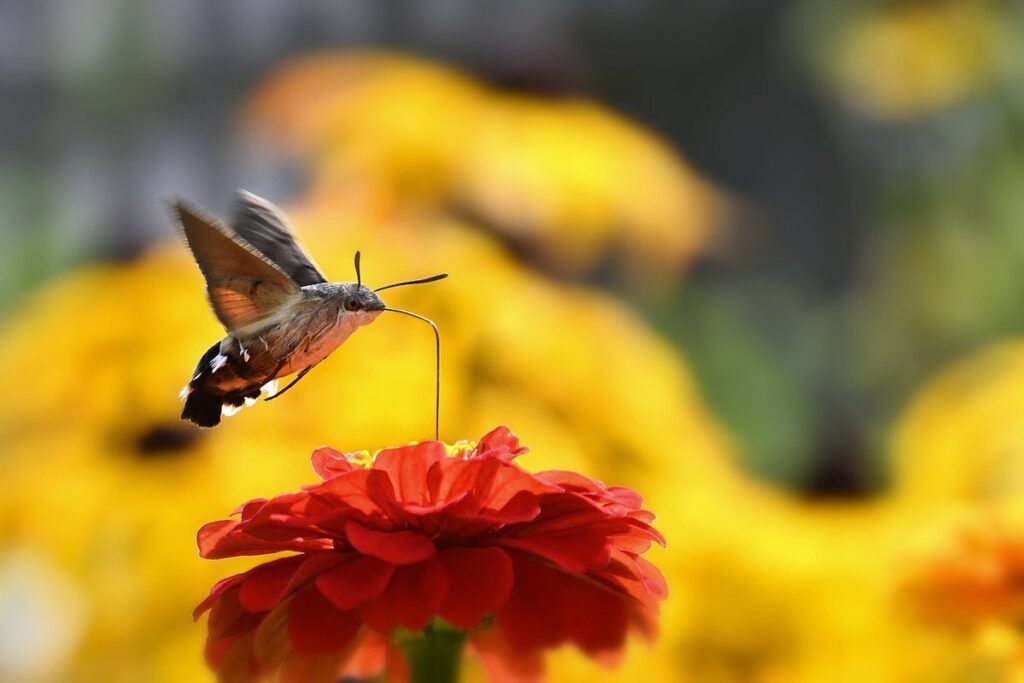
Understanding the Apple Codling Moth Problem
To effectively manage the apple codling moth infestation, it’s crucial to understand the problem at hand, including its life cycle and habits. This sets the stage for a targeted control strategy.
Life Cycle and Identification of the Pest
The life cycle of the apple codling moth is a complex process that involves four stages: egg, larva, pupa, and adult. Female moths lay their eggs on the surface of apples, typically in early spring, which hatch into larvae after 7-10 days. These larvae then feed on the fruit’s flesh for several weeks before burrowing into the core to pupate. After about two weeks, the adult moth emerges from the fruit, ready to mate and repeat the cycle.
Identifying the apple codling moth can be challenging, but there are some key signs to look out for. Apple growers should monitor their orchards regularly during peak moth activity periods (April-May in the Northern Hemisphere). Look for eggs on the apples’ surface or larvae inside the fruit by cutting it open. Adult moths are grayish-brown with a distinctive white stripe on each wing and a wingspan of about 1 inch. If you notice any damage to your apple crop, inspect the affected area closely to determine if the damage is caused by the codling moth.
To accurately identify the pest, it’s essential to understand its life cycle and behavior. By recognizing the signs of infestation, such as eggs, larvae, or adult moths, you can take targeted control measures to protect your apple crop. Regular monitoring of your orchard will also help you stay ahead of the pest and avoid significant damage to your fruit.
Damage Caused by the Apple Codling Moth
The apple codling moth’s damage is multifaceted and can have severe consequences for fruit growers. The primary harm caused by this pest is to the fruit itself. Codling moths lay their eggs on apples, which then hatch into larvae that feed on the pulp of the fruit from within. This leads to visible holes or tunnels in the apple’s skin, making it unsuitable for market.
Beyond the visual damage, codling moth infestations can also result in reduced yields due to the compromised quality of affected fruits. Growers may need to cull these apples, which can lead to significant losses, especially if the infestation is widespread. In severe cases, repeated attacks over several seasons can cause long-term damage to tree health, further reducing fruit production.
In economic terms, the damage caused by codling moths can be substantial. According to some studies, a single codling moth infestation can result in losses ranging from 20% to over 50% of total apple yields. This makes it crucial for growers to implement effective control measures as soon as possible to mitigate these losses and maintain tree health.
Integrated Pest Management (IPM) Approach
To effectively manage apple codling moth infestations, it’s essential to adopt an integrated pest management (IPM) approach that combines physical, cultural, and chemical controls in a holistic strategy. This section will break down each component of IPM for your fruit growing operation.
Monitoring and Trapping Techniques
Monitoring apple codling moths effectively is crucial to preventing damage and reducing pesticide use. One of the most effective ways to detect these pests is through the use of pheromone traps. These specialized traps mimic the sex pheromones released by female moths, attracting males into a sticky trap where they can be caught. This method allows for early detection, often weeks before visible damage occurs.
Sticky traps are another valuable tool in monitoring apple codling moth populations. By placing these non-toxic, adhesive-coated cards near fruit trees, growers can catch adult moths as they move through the area. The sticky trap’s effectiveness is increased when placed in areas with high pest activity or near potential breeding sites.
In addition to pheromone and sticky traps, monitoring techniques such as visual inspections and monitoring for frass (moth waste) can also be effective. By combining these methods, growers can gain a comprehensive understanding of their apple codling moth population and develop targeted control strategies.
Cultural Controls: Pruning, Sanitation, and Crop Rotation
When it comes to controlling apple codling moth populations, cultural controls play a significant role. By implementing pruning practices, sanitation methods, and crop rotation strategies, you can create an environment that discourages the moth’s presence.
Pruning is crucial in removing infested or damaged fruit, as these serve as potential overwintering sites for the moths. In addition to removing affected areas, pruning also promotes air circulation within your orchard, reducing humidity levels that favor codling moth development. Regularly prune your trees during the dormant season to maintain their overall health and structure.
Sanitation is equally important in reducing codling moth populations. This involves disposing of infested or fallen fruit immediately, as well as removing weeds that provide shelter for moths. Ensure that all debris within your orchard is properly cleared, including undergrowth and tree stumps.
Crop rotation is another key cultural control strategy to employ. By alternating between different apple varieties on the same land, you can break the moth’s life cycle by disrupting its host plant preference. This method also helps in reducing disease pressure and pest buildup within the soil.
Chemical Control Methods
When it comes to tackling apple codling moth infestations, chemical control methods can be a crucial part of your overall strategy. We’ll explore some effective options in this next section.
Insecticides for Apple Codling Moth Management
When it comes to managing apple codling moths using insecticides, you have various options available. Systemic pesticides are absorbed by the plant and can help control pests internally. For example, imidacloprid is a commonly used systemic pesticide that targets insects feeding on treated foliage or fruit. However, these products may also affect beneficial insects.
Non-systemic pesticides, on the other hand, work externally to kill pests without being absorbed by the plant. Neem oil and pyrethrin sprays are popular non-systemic options for apple codling moth control. These products can be applied directly to trees or fruit, providing immediate protection against adult moths and their larvae.
When selecting an insecticide, consider factors such as efficacy, environmental impact, and potential harm to beneficial insects. Always follow label instructions carefully and use personal protective equipment when applying pesticides to minimize exposure. Regular monitoring of pest populations and adjusting your control strategy accordingly can also help reduce the reliance on chemical controls and promote a more balanced ecosystem.
Timing and Application Strategies for Optimal Efficacy
Timing and application strategies are crucial when using chemical controls to manage apple codling moths. The effectiveness of these treatments depends on several factors, including the timing of application and the product used. For instance, applying a broad-spectrum insecticide during peak moth flight can have unintended consequences, such as harming beneficial insects like bees.
To minimize off-target effects, consider using targeted products that are specifically designed for apple codling moth control. These products often contain active ingredients that are toxic to moths but relatively safe for other non-target organisms.
Another critical factor is timing the application correctly. In most regions, apple codling moths become active in late spring and early summer, making it essential to apply chemical controls during this period. However, the optimal time for treatment can vary depending on your specific location and local pest management recommendations.
A good rule of thumb is to apply treatments when 10-20% of eggs have hatched, usually around 7-14 days after egg laying has begun. This approach allows you to target the larvae directly while minimizing harm to other insects and beneficial organisms in the orchard ecosystem.
Organic and Biological Controls
When it comes to managing apple codling moth infestations without harming your orchard, organic and biological controls offer a promising solution for fruit growers. We’ll explore these effective methods next.
Introduction to Organic Control Methods
Effective organic control methods are crucial in managing apple codling moth populations without harming the environment. One of the most promising approaches is introducing natural predators and parasites that feed on the larvae. For instance, Trichogramma wasp eggs can be applied to infested areas, where they will hatch into tiny parasitic wasps that feed on the moths’ eggs.
Another effective strategy involves attracting native beneficial insects, such as lacewings or ladybugs, which prey on apple codling moth larvae. Planting a diverse range of flowers and herbs in the orchard can attract these beneficial insects and provide them with a food source.
In addition to introducing natural predators, using neem oil, pyrethrin sprays, or diatomaceous earth can also be effective organic control methods. These products disrupt the moth’s life cycle, preventing egg hatching and larval development. However, always follow label instructions and use these products judiciously to avoid harming beneficial insects.
It is essential to note that a combination of these organic control methods often yields better results than relying on a single approach.
Biological Control Agents: Parasitoids and Predators
When it comes to managing apple codling moth populations organically, one effective approach is through biological control agents. These are living organisms that help regulate pest populations by preying on them or their eggs. Two key groups of biological control agents are parasitoids and predators.
Parasitic wasps, such as Trichogramma spp., are a popular choice for controlling apple codling moth populations. These tiny wasps lay their eggs inside the codling moth’s egg or larvae, eventually killing it. Lacewings (Chrysopidae family) also prey on apple codling moths, feeding on their eggs and larvae. Both of these beneficial insects can be introduced to your orchard using parasitoid-specific release systems or attracting them with nectar-rich flowers.
To incorporate biological control agents into your apple codling moth management strategy, consider the following:
* Identify areas where apple codling moths are most active and introduce parasitic wasps or lacewings accordingly.
* Choose beneficial insects that are well-suited to your local climate and orchard conditions.
* Release biological control agents at the right time, typically during peak codling moth activity (spring and early summer).
* Monitor their effectiveness and adjust releases as needed.
By incorporating these biological control agents into your integrated pest management plan, you can reduce chemical use and promote a healthier ecosystem in your orchard.
Resistant Cultivars and Breeding Programs
Researchers are exploring resistant cultivar options and breeding programs as a proactive approach to apple codling moth control, potentially reducing reliance on pesticides. These innovative solutions hold great promise for growers looking to minimize pest management challenges.
Development of Resistant Apple Varieties
Resistant apple varieties are being developed to reduce pesticide use and minimize the impact of pests like the apple codling moth. These resistant cultivars are created through a breeding process that involves selecting trees with desirable traits, such as increased resistance to pests or diseases.
The development process typically begins by identifying parent trees with promising characteristics. Breeders then cross these parents to produce offspring, which are evaluated for their pest-resistance and other desired traits. This process can take several years, involving multiple generations of selection and testing.
One potential benefit of resistant apple varieties is reduced pesticide use. By minimizing the need for chemical controls, growers can lower their costs and minimize environmental impacts. For example, in Washington state, researchers have developed a variety called ‘Dolgo’ that exhibits high resistance to codling moth damage. This variety shows promise as a more sustainable alternative to traditional control methods.
To adopt resistant apple varieties, fruit growers can work with plant breeding programs or purchase seedlings from nurseries that specialize in resistant cultivars.
Current Research on Breeding for Resistance
Current research is underway to develop apple cultivars with built-in resistance to the Apple Codling Moth (ACM). Scientists are using various techniques such as marker-assisted selection and genetic engineering to identify and introduce desirable traits into breeding programs. For instance, researchers have identified several QTLs (quantitative trait loci) associated with ACM resistance in apple genotypes like ‘Red Delicious’ and ‘Gala’. These QTLs can be used as markers to select for resistant individuals in breeding programs.
One notable example is the development of ‘Honeycrisp’ varieties with ACM resistance. This was achieved by introducing a transgene encoding a Bacillus thuringiensis (Bt) toxin, which kills moth larvae. Field trials have shown that these Bt-expressing trees exhibit significant reduction in ACM damage compared to non-transgenic controls.
While promising, breeding for resistance is a complex and time-consuming process. It requires long-term commitment from growers, researchers, and regulatory agencies. Nevertheless, incorporating resistant cultivars into commercial orchards can provide a valuable tool against ACM infestations, reducing reliance on chemical pesticides and minimizing environmental impact.
Seasonal Management Strategies
When it comes to managing apple codling moths, seasonal strategies are crucial for effective control. In this next part, we’ll dive into the seasonal management techniques that will help you reduce infestations and protect your fruit.
Spring and Summer Control Methods
During spring and summer months, apple codling moth populations are at their peak, making it crucial to implement effective control methods to minimize damage to your fruit crop. One of the most critical timing strategies is to apply pheromone traps in late March to early April, just before the moths emerge from dormancy. This allows you to capture and monitor adult males, providing valuable data on population levels.
For optimal results, apply insect growth regulators (IGRs) or biological control agents, such as Bt (Bacillus thuringiensis), between May and June, when larvae are actively feeding on fruit. These products can help reduce larval populations without harming beneficial insects.
When applying pesticides, choose products with a short residual activity to avoid contaminating soil and water sources. Spray or drench applications should be timed according to the product’s label instructions and local pest management recommendations.
Fall and Winter Control Measures
To effectively prepare for the next growing season and minimize apple codling moth infestations, it’s crucial to implement control measures during the fall and winter months. One of the most critical steps is to monitor and remove fallen fruit, which can attract overwintering moths. Regularly inspect your orchard and collect any dropped apples or debris, taking care to dispose of them in sealed bags to prevent any potential moth emergence.
Another essential measure involves pruning infested trees during the dormant season. This helps eliminate damaged areas where codling moths may have infested and reduces the risk of carryover pests. Furthermore, consider applying winter sprays containing horticultural oils or insect growth regulators to vulnerable areas, ensuring thorough coverage to prevent overwintering eggs from hatch.
Proper sanitation, coupled with these targeted approaches, will significantly bolster your overall apple codling moth control strategy, setting a strong foundation for the upcoming growing season.
Conclusion: A Holistic Approach to Apple Codling Moth Control
In conclusion, effectively managing apple codling moths requires a comprehensive approach that incorporates multiple control methods. By adopting a holistic strategy, fruit growers can minimize the impact of these pests on their crops and reduce the need for chemical pesticides. This might involve combining techniques such as pruning to reduce sheltered areas, introducing natural predators or parasites, and implementing integrated pest management (IPM) practices.
For example, integrating biological control methods with physical barriers like fine mesh bags around individual apples can significantly reduce infestation rates. Similarly, using precision agriculture tools to track pest activity and apply targeted treatments can be an effective way to minimize the use of broad-spectrum pesticides. By taking a proactive and multi-faceted approach to apple codling moth control, fruit growers can maintain healthy yields while also preserving environmental sustainability.
Frequently Asked Questions
Can I use a combination of cultural controls and organic methods for apple codling moth control?
Yes, it’s highly recommended to adopt an integrated approach that incorporates multiple tactics from the IPM strategy. Cultural controls like pruning, sanitation, and crop rotation can be used in conjunction with organic methods such as introducing biological control agents or using resistant cultivars. This holistic approach can lead to more effective and sustainable management of apple codling moths.
How do I monitor my orchard for signs of infestation between growing seasons?
Yes, conducting a thorough inspection of your orchard during the dormant season (winter) is crucial for detecting potential issues early on. Look for any evidence of codling moth larvae or eggs on fruit trees, and consider using pheromone traps to attract adult moths. This proactive approach can help you catch problems before they spread.
Are there any specific timing considerations when applying insecticides for apple codling moth control?
Timing is everything when it comes to effective pesticide application. For optimal efficacy, apply insecticides during the peak activity period of the target pest (typically 2-4 weeks after egg hatch) and consider using a combination of foliar sprays and soil applications. It’s also essential to time your applications around critical life stages such as mating, oviposition, or larval development.
Can I use Integrated Pest Management (IPM) strategies on a small scale in my home garden?
Absolutely! IPM is a flexible approach that can be tailored to suit the needs of any size operation. Home gardeners can benefit from implementing simple measures like pruning diseased branches, practicing good sanitation, and introducing beneficial insects. By adopting an integrated approach, you’ll not only control apple codling moths but also promote overall tree health.
What are some signs that my apple codling moth management strategy is working?
Effective control measures often involve a combination of short-term and long-term indicators. Keep an eye out for reduced egg hatch rates, fewer larval infestations, or increased crop yields over time. Monitor your orchard regularly to track progress and adjust your strategies as needed. Regular trapping and monitoring can also help you gauge the effectiveness of your control methods.