
Are you eager to start growing your own grapes but don’t know where to begin with designing a functional trellis system? With the right guidance, you can transform your home garden into a lush vineyard oasis. But first, let’s talk about the importance of selecting the right grape variety for your climate and space constraints. Not all grapes are created equal, and some thrive better than others in certain conditions.
In this article, we’ll walk you through expert tips on designing and building an efficient grape trellis system that will maximize your harvest. We’ll cover everything from choosing the perfect spot to planting and training your vines for optimal growth. Whether you’re a seasoned gardener or just starting out, our advice is tailored to help you succeed in growing delicious homegrown grapes with ease.
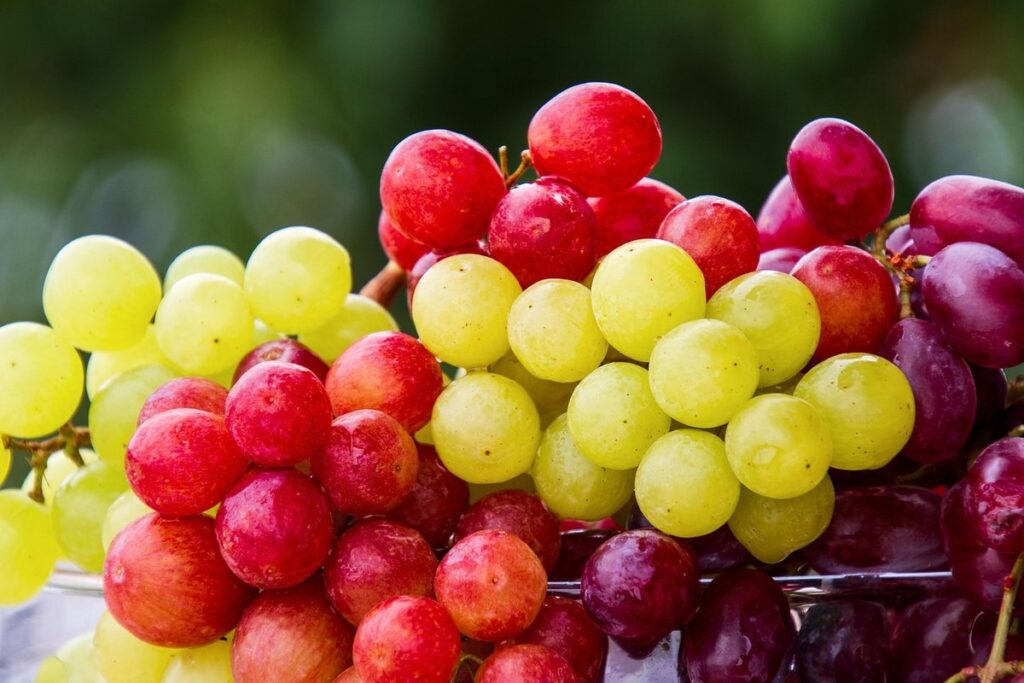
Choosing the Right Grape Variety
When it comes to creating a stunning grape trellis, selecting the right variety of grapes is crucial for success. This will determine everything from your climate tolerance to your desired flavor profile.
Considerations for Warm and Cool Climates
When choosing the right grape variety for your home garden, it’s essential to consider the climate you’re growing in. Warm and cool climates have distinct characteristics that can affect the performance of different grape varieties.
In warm climates, where temperatures often soar above 80°F (27°C), heat-tolerant varieties like Thompson Seedless, Flame Seedless, and Muscat are ideal choices. These grapes thrive in well-drained soil and full sun, producing high yields with minimal maintenance. For example, the Thompson Seedless variety is widely grown in California’s warm climate, where it excels in producing sweet, juicy fruit.
In contrast, cool climates with moderate temperatures between 40°F (4°C) and 70°F (21°C) are suited for varieties like Chardonnay, Merlot, and Pinot Noir. These grapes prefer cooler nights to ripen slowly, resulting in complex flavors and aromas. For instance, the Willamette Valley in Oregon is renowned for its Pinot Noir production, which benefits from the region’s cool climate.
When selecting grape varieties for your home garden, consider the specific conditions of your area and choose varieties that are well-suited to your climate. This will ensure a bountiful harvest and optimal flavor development.
Factors Affecting Grape Growth and Productivity
When choosing a grape variety for your home garden, it’s essential to consider the factors that affect grape growth and productivity. Sunlight is one of the most critical elements, as grapes require at least six hours of direct sunlight per day to ripen properly. If your garden receives partial shade, choose varieties like Muscat or Sultana that are more tolerant of shade.
Soil type also plays a significant role in grape growth. Grapes prefer well-draining soil with a pH between 5.5 and 6.5. Avoid planting grapes in areas with heavy clay or sandy soils, as they can be prone to waterlogging or drought. If your garden has poor soil, consider adding organic matter like compost or manure to improve its fertility.
Water availability is another critical factor. Grapes need consistent moisture, especially during the first year after planting. Ensure that your grape vines receive at least 1 inch of water per week, either through rainfall or irrigation. Drought can lead to poor fruit set and reduced productivity. Monitor your soil’s moisture levels closely, and adjust your watering schedule accordingly.
In areas with cold winters, choose varieties that are resistant to frost damage. Some popular options include Chardonnay, Merlot, and Cabernet Sauvignon. Consult with a local nursery or expert to determine the best grape variety for your specific climate and soil conditions.
Designing a Functional and Attractive Trellis System
Now that you have a basic understanding of grape trellis design, let’s dive into designing a functional and attractive trellis system for your home garden. This section will cover key considerations for creating a beautiful yet effective trellis setup.
Types of Trellis Systems: T-Posts, Teepees, and Arbors
When it comes to designing a functional and attractive trellis system for your home garden, choosing the right type of trellis is crucial. There are several types of trellis systems that can support grapevines, each with its own advantages and limitations.
T-Posts are a popular choice for grape trellis design as they provide excellent support for vertical growth while allowing for easy pruning. They consist of two parallel posts driven into the ground at an angle, creating a T-shape. This type of trellis is ideal for small spaces and can be easily installed in existing gardens.
Teepees are another option that offer excellent support for grapevines, but they take up more space than T-Posts. They consist of multiple vertical posts attached to a horizontal beam, forming a teepee shape. Teepees are suitable for larger gardens and provide better air circulation around the vines.
Arbors are a more elaborate type of trellis system that can add a decorative element to your garden. They typically consist of two vertical posts connected by a horizontal beam or lattice structure. Arbors provide excellent support for grapevines while adding an elegant touch to your garden design.
Considerations for Space and Structure
When it comes to designing a trellis system for your grapevine, considering the available space and structure is crucial. You want a trellis that not only provides sufficient support for your grapevines but also fits comfortably within your garden.
Start by measuring the area where you plan to install the trellis. Consider the mature size of your grapevine, as well as any other plants or structures in the surrounding area. This will help you determine the optimal size and shape of your trellis. For example, a compact trellis is ideal for smaller gardens or spaces with limited width.
When choosing a trellis system, consider the type of structure that best suits your space. A freestanding trellis is great for larger areas, while a wall-mounted trellis is perfect for smaller spaces or against a fence. Make sure to choose a material that can support the weight of mature grapevines and withstand harsh weather conditions.
It’s also essential to consider the layout of your garden beds and pathways when designing your trellis system. You want easy access to your grapes without compromising on aesthetics. A well-planned trellis design will not only provide optimal support for your grapevine but also enhance the beauty of your home garden.
Building and Installing the Trellis System
Now that you’ve chosen your grape trellis design, it’s time to build and install a sturdy system to support your vines as they grow. This section will walk you through the process step by step.
Materials and Tools Required
When building and installing a trellis system for your home garden, you’ll need to gather specific materials and tools. For a DIY project, start by gathering wood posts (2″ x 4″ or 5″ x 5″) for the frame and horizontal wires for supporting the grapevines.
You’ll also need wire mesh, wooden brackets, and screws to secure the trellis to the ground. Additionally, consider using durable materials like cedar or redwood for a longer lifespan.
For installation, you’ll need basic hand tools such as a drill, saw, hammer, and tape measure. If you’re hiring professionals, ensure they have the necessary equipment, including a crane or lift for securing large trellis components.
When choosing materials, consider factors like durability, maintenance requirements, and the desired aesthetic. For example, if you want a rustic look, use untreated wood; for a more modern design, opt for metal or composite materials.
Tips for Proper Installation and Maintenance
To ensure the longevity and optimal performance of your grape trellis system, proper installation and maintenance are crucial. When installing your trellis, start by selecting a location with full sun to partial shade, as grapes require direct sunlight for photosynthesis. Make sure the soil drains well and has adequate depth for root growth.
When installing the trellis posts, ensure they are at least 12 inches deep in the ground to prevent them from becoming unstable over time. Also, space the posts between 6-8 feet apart to allow for proper air circulation and sunlight penetration. To maintain your trellis system, inspect it regularly for signs of damage or wear.
During the growing season, prune your grapevines annually to promote healthy growth and encourage fruit production. Remove any dead or damaged wood to prevent disease from spreading, and trim back overgrown branches to maintain a balanced structure. By following these maintenance tips and ensuring proper installation, you can create an ideal environment for your grapevines to thrive in your home garden. Regular inspections will also help detect potential problems early on, allowing you to take corrective action before they become severe issues.
Training and Pruning Grapevines
To keep your grapevines healthy and productive, it’s essential to learn how to properly train and prune them, which we’ll cover in detail next. This section will walk you through the process step by step.
Techniques for Promoting Vertical Growth
When training grapevines to grow vertically, it’s essential to use pruning techniques that promote healthy growth and maximize fruit production. One of the most effective methods is tip pruning, which involves removing the top third of new shoots to encourage branching and a fuller canopy. This technique not only promotes vertical growth but also helps control the overall size of the vine.
Regular pruning throughout the growing season will help shape your grapevine into a strong, productive trellis system. Remove any weak or damaged shoots, and cut back vigorous growth by about one-third to maintain a balanced structure. To promote a sturdy trunk, look for a central leader and remove any lateral shoots that grow below it.
When pruning, use sharp, clean tools to avoid spreading disease. A good pair of hand pruners or loppers will make quick work of removing unwanted growth. As you prune, keep an eye out for signs of stress, such as yellowing leaves or brittle stems, and address these issues promptly. By incorporating regular pruning into your grapevine care routine, you’ll be rewarded with a lush, productive trellis system that yields delicious fruit year after year.
Benefits of Regular Pruning for Healthy Vines
Regular pruning is an essential aspect of grape trellis design that often gets overlooked. However, it’s crucial for promoting healthy vines, improving fruit quality, and preventing disease. When grapes are pruned regularly, they’re able to focus their energy on producing high-quality fruit rather than producing excessive foliage.
Proper pruning techniques help maintain a balanced canopy, allowing sunlight to penetrate and promote even ripening of the fruit. This, in turn, leads to better flavor and texture. Regular pruning also helps prevent disease by removing infected or damaged wood that can spread disease throughout the vineyard.
In addition, pruning encourages new growth, which is essential for vigorous vine development. Prune your grapevines at least once a year, ideally during their dormant season. Remove any dead, diseased, or damaged wood, and cut back overgrown shoots to encourage new growth. By incorporating regular pruning into your grape trellis design, you’ll be rewarded with healthier vines and better-tasting grapes.
Pest and Disease Management
Effective pest and disease management is crucial for a healthy grape trellis, so let’s explore some practical strategies to keep your vines thriving.
Common Pests Affecting Grapevines in Home Gardens
When it comes to growing grapevines in your home garden, one of the most significant challenges you’ll face is pest infestation. Common pests affecting grapevines in home gardens include Japanese beetles, aphids, and spider mites.
Japanese beetles are known for their distinctive oval shape and shiny green exoskeleton. They’re often found on the undersides of leaves, where they feed on sap and damage tissue. Signs of infestation include yellowing or bronzing of leaves, distorted growth, and a sticky substance that’s actually the beetle’s saliva.
Aphids are another common pest problem for grapevines. These small, soft-bodied insects feed on plant sap, causing curled or distorted leaves. They can also transmit plant viruses like leafroll virus.
To control these pests, use neem oil or insecticidal soap as a first line of defense. Spray the undersides of leaves thoroughly, taking care to cover all areas where pests are present. For severe infestations, consider using systemic pesticides, but be sure to follow label instructions carefully and choose products specifically labeled for grapevines.
Regular monitoring is key to catching pest problems early on. Inspect your plants regularly, looking for signs like yellowing leaves or sticky residue.
Strategies for Preventing and Managing Diseases
Preventing and managing diseases is crucial to maintaining healthy grapevines. Fungal infections and root rot are common issues that can impact your home garden’s productivity. To combat these problems, implement a few simple strategies.
Firstly, ensure good air circulation around the trellis by pruning surrounding plants or installing a mesh screen. This will help prevent moisture from accumulating on leaves, which is an ideal breeding ground for fungal spores. Regularly inspect your grapevines and remove any infected areas to prevent the disease from spreading.
Maintain optimal soil conditions by avoiding overwatering and ensuring proper drainage. A mix of well-rotted compost and perlite can help improve soil structure, reducing the likelihood of root rot. Monitor temperature fluctuations in your garden, as extreme heat or cold can also contribute to disease susceptibility.
By taking these proactive steps, you’ll be better equipped to manage common diseases affecting grapevines and enjoy a bountiful harvest from your home garden’s trellis. Remember to keep your tools clean and sanitized between pruning sessions to prevent the spread of disease-causing pathogens.
Harvesting and Enjoying Your Homegrown Grapes
Now that your grapes are ripe, it’s time to reap the rewards of your labor by harvesting them at the peak of flavor. Learn how to enjoy your homegrown grapes in a variety of ways.
Tips for Maximizing Grape Yield and Quality
When it’s time to harvest your homegrown grapes, you’ll want to maximize both yield and quality. Proper harvesting techniques can make all the difference. Here are a few key considerations:
First, timing is everything. Grapes should be picked when they’re ripe but still firm. If you pick too early, the sugars won’t have developed fully, resulting in unripe flavors. On the other hand, if you wait too long, the grapes will become overripe and mushy.
Check for color, as well – most table grapes change from a greenish tint to a deeper purple or red hue when they’re ready to be picked. You can also gently tug on a grape stem; if it comes off easily, it’s likely ripe.
When harvesting, handle the grapes carefully to avoid bruising them. Use clean and dry containers to store your freshly picked grapes. Consider picking grapes in the morning when they’re at their coolest temperature to preserve flavor and texture. Finally, be sure to leave some of your best-looking grapes on the vine for a few days after harvest – this will encourage the remaining fruit to ripen more fully.
Ideas for Using Homegrown Grapes in Recipes and Projects
Now that you’ve successfully harvested your homegrown grapes, it’s time to enjoy the fruits of your labor. The possibilities are endless, and we’re excited to share some ideas for using your freshly picked grapes in recipes, wine-making, and other projects.
One of the simplest ways to use your homegrown grapes is in baking. Try adding fresh or dried grapes to your favorite muffin or bread recipe for added sweetness and texture. You can also make a delicious grape jam or jelly to top toast, yogurt, or use as a filling for cakes and pastries. If you’re feeling adventurous, try making a homemade grape syrup by cooking down the grapes with sugar and water.
For wine-making enthusiasts, harvesting your own grapes is the perfect opportunity to create a unique and personalized vintage. With a little practice and patience, you can produce a delicious homegrown wine that’s tailored to your taste preferences. If you’re new to wine-making, consider starting with a simple recipe for grape juice or a basic red or white wine kit.
You can also get creative with other projects like making grape juice, sorbet, or even using the grapes as a topping for salads or ice cream. Consider freezing some of the grapes to enjoy throughout the year in smoothies or as a snack on their own. Whatever you choose, we’re sure your homegrown grapes will be a hit!
Frequently Asked Questions
Can I still grow grapes in a small backyard with limited space?
Yes, you can still grow grapes in a small backyard by choosing compact or dwarf varieties that don’t require extensive trellis systems. Consider using a teepee or arbor trellis to maximize vertical growth and minimize horizontal space.
How often should I prune my grapevines to promote healthy growth?
Regular pruning is essential for promoting healthy vine growth, but the frequency depends on factors like climate, variety, and your specific needs. Aim to prune at least twice a year: once in late winter or early spring before new growth begins, and again during the summer when grapes are forming.
What’s the best way to train my grapevines onto the trellis system?
Use a combination of twine or wire supports and gentle guidance to direct your vines onto the trellis. As they grow, gently tie them to the structure with soft ties, making sure not to damage the bark or restrict growth.
How do I protect my grapevine from frost damage during winter?
To protect your grapevines from frost damage, wrap them in a thick layer of insulation (like bubble wrap or straw) and cover the top with a breathable cloth. You can also use anti-desiccant sprays to help prevent water loss through the leaves.
Can I reuse old trellis materials for my grape trellis system?
Yes, you can repurpose and reuse old trellis materials like wood, metal posts, or even recycled plastic components. However, ensure they’re clean, dry, and free from any contaminants that could harm your vines. Disinfect and sterilize the materials before assembling them into a functional trellis system.