
Tarragon is one of those herbs that can quickly go from being a prized addition to your garden to an unwelcome weed if not properly cared for. To keep this fragrant and flavorful herb thriving, it’s essential to prune it regularly. Not only does pruning promote healthy growth, but it also helps prevent disease and ensures the best possible flavor and aroma in your cooking. But how do you prune tarragon like a pro? In this comprehensive guide, we’ll walk you through expert tarragon pruning techniques that will have your herb garden thriving all season long. From understanding when to prune to learning the right tools for the job, we’ll cover everything you need to know to keep your tarragon looking its best and tasting even better.
Benefits of Proper Tarragon Pruning
Proper pruning techniques can greatly enhance your tarragon plant’s flavor, aroma, and overall health. By understanding these benefits, you’ll be able to coax the best from your herb garden.
Why Prune Tarragon at All?
Pruning tarragon may seem like an unnecessary task, but it’s essential for maintaining a healthy and thriving plant. One of the primary reasons to prune tarragon is to prevent overgrowth. If left unchecked, tarragon can become leggy and unruly, making it more susceptible to disease and pests. By pruning regularly, you encourage bushy growth and a more compact shape, which in turn promotes healthy roots and improves air circulation.
Another critical benefit of pruning tarragon is that it stimulates new growth. When you remove old stems, the plant responds by producing new ones, ensuring a continuous supply of fresh leaves for cooking. Regular pruning also helps reduce the risk of disease, as it removes weak and damaged areas where pathogens can take hold.
In fact, studies have shown that regular pruning can increase yields by up to 25% in herb gardens. By incorporating tarragon into your garden or indoor space, you’ll be rewarded with an abundance of fragrant leaves for soups, sauces, and other recipes.
When to Prune Tarragon in Your Area
When pruning tarragon, it’s essential to consider the climate, region, and season you’re in. This will help you determine the best time for pruning, as different conditions require unique approaches. In areas with mild winters and long growing seasons, such as USDA zones 8-10, you can prune tarragon year-round.
In cooler climates like USDA zones 3-5, it’s best to prune in late winter or early spring, just before new growth begins. This allows the plant to focus its energy on producing new stems and foliage. For regions with hot summers, such as USDA zone 11, pruning should be done during the cooler months of autumn or winter.
In terms of specific timing, consider pruning tarragon in the following periods:
• Late winter (February-March) for early spring growth
• Early spring (March-April) for new stem production
• Autumn (September-October) for a mid-season trim and rejuvenation
Tarragon Pruning Techniques: Cutting Back and Shaping
When it comes to tarragon pruning, knowing how to cut back and shape your plants is crucial for maintaining their health and promoting fresh growth. In this section, we’ll cover essential techniques to help you prune like a pro!
How to Cut Back Overgrown Tarragon Stems
Cutting back overgrown tarragon stems is an essential part of maintaining a healthy and thriving plant. To start, inspect your tarragon plant closely to identify the longest, most leggy stems that are extending beyond the desired shape or size. These stems can be easily identified by their length and often lack new growth at the tips.
To cut back these overgrown stems, use sharp, clean pruning shears or scissors to make a 45-degree angled cut just above a node (where a leaf meets the stem). This will encourage new growth from that point, promoting bushy and full foliage. Cut back no more than one-third of the stem’s length at a time, working your way through the plant in sections. This will help prevent shock and ensure the plant recovers quickly.
By cutting back overgrown stems regularly, you’ll maintain a balanced and attractive tarragon plant that will continue to produce flavorful leaves throughout the growing season.
Shaping Your Tarragon Plant for Better Growth
Shaping your tarragon plant is an essential part of its overall care, and it’s not just about cutting back growth to maintain size. By shaping the plant, you can encourage bushy growth, increase yields, and maintain a desirable appearance. To do this, start by identifying the main stems or branches that are producing the most foliage. These should be gently trimmed back to encourage new growth from the lateral buds.
This process is called “renewal pruning” and it’s essential for maintaining a healthy and balanced plant. By removing some of the older growth, you’ll stimulate the plant to produce more new shoots, which will in turn increase yields. You can also use this opportunity to remove any dead or damaged branches that may be hiding among the foliage.
When shaping your tarragon plant, aim to maintain an open structure with plenty of space between the individual stems. This will allow for good air circulation and help prevent diseases from taking hold. By following these simple steps, you’ll be able to promote bushy growth, increase yields, and enjoy a thriving tarragon plant all season long.
Pruning Tools and Equipment: What You’ll Need
When it comes to pruning tarragon, having the right tools on hand is essential. Let’s take a look at some of the must-have equipment you’ll need for successful pruning.
Choosing the Right Pruning Shears for Tarragon
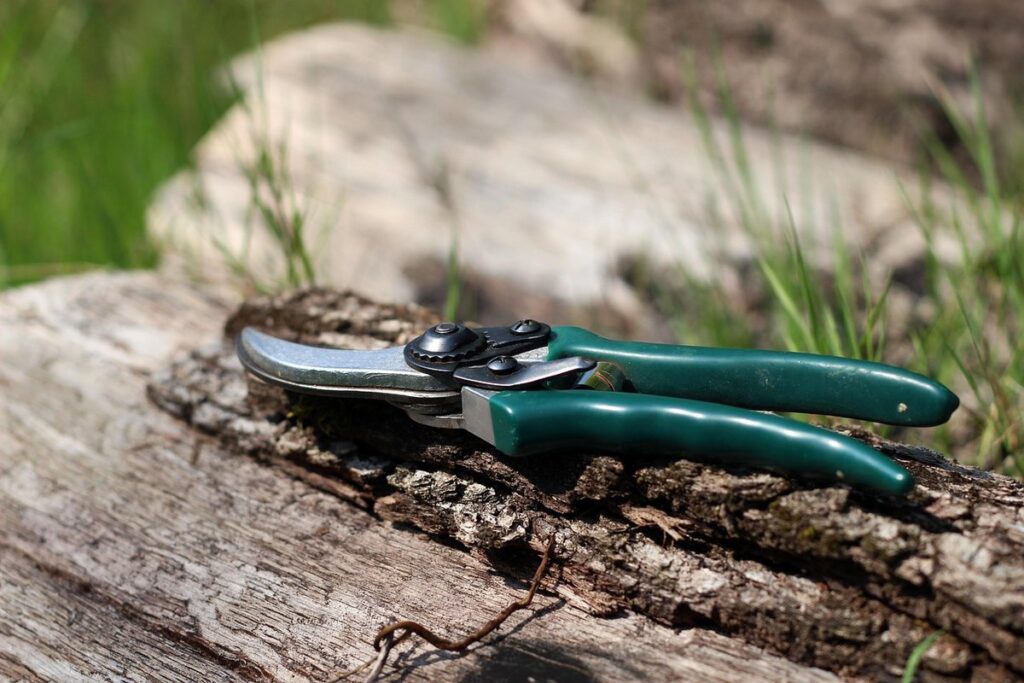
When it comes to pruning tarragon, having the right tools is crucial. Among the essential items on your list should be a pair of high-quality pruning shears specifically designed for this task. There are several types to choose from, including handheld pruners, loppers, and secateurs.
Handheld pruners, also known as clippers or pruning scissors, are ideal for trimming individual stems and small branches. They’re perfect for delicate work, allowing you to make precise cuts without damaging the plant’s structure. Look for a pair with long handles and curved blades for easier maneuverability.
Loppers, on the other hand, are better suited for thicker branches and larger stems. They offer more leverage than handheld pruners, making it easier to cut through thicker material. However, be cautious not to apply too much pressure, which can damage the plant or cause accidental breaks.
Secateurs are another popular option, offering a combination of precision and cutting power. They’re often preferred for pruning tarragon as they allow for more control and flexibility when navigating the plant’s dense foliage.
When selecting pruning shears for tarragon, consider factors such as blade material (e.g., stainless steel or titanium), handle comfort, and ergonomics. A well-balanced pair with a comfortable grip will reduce fatigue during extended pruning sessions.
Other Essential Tools for Effective Pruning
In addition to the necessary pruning shears and tools, there are several other essential items you’ll need to achieve effective tarragon pruning. Loppers, for example, come in handy when tackling thicker stems that may be too woody for regular pruning shears. These long-handled pruners allow for more leverage and make it easier to cut through larger branches without damaging the plant.
Another crucial tool is a garden fork or cultivator, which helps loosen compacted soil around the roots of your tarragon plants. This step is essential before pruning, as it allows you to access the roots more easily and promotes healthy growth after pruning.
You’ll also want to have a sharp, sterile knife on hand for making precise cuts on particularly woody stems or for shaping the plant’s overall form. Remember to disinfect your tools between each cut to prevent the spread of disease from one plant to another.
Make sure to wear protective gloves and eyewear when pruning to avoid injury from thorns or flying debris. By having these essential tools at your disposal, you’ll be well-equipped to tackle even the most challenging tarragon pruning jobs with confidence and precision.
Common Mistakes to Avoid When Pruning Tarragon
Don’t let over-pruning damage your tarragon’s flavor and fragrance! In this crucial section, we’ll address common mistakes gardeners make when pruning their tarragon plants.
Over-Pruning: The Most Common Mistake
Over-pruning is one of the most common mistakes gardeners make when it comes to tarragon. While pruning may seem like a straightforward process, overdoing it can have severe consequences for your plant’s health and productivity.
When you prune tarragon excessively, you’re essentially cutting back its ability to grow and thrive. By removing too many leaves or stems, you’re reducing the plant’s energy reserves, which can lead to stunted growth and decreased yields. Imagine pruning a young tarragon plant so severely that it’s unable to produce new shoots or roots – it would be like cutting off its potential for future growth.
Furthermore, over-pruning makes your tarragon more susceptible to disease. When you remove too much foliage, the plant becomes vulnerable to fungal infections and pests. This is because healthy leaves provide a natural defense against pathogens, shielding the plant from harm. Without them, your tarragon becomes an easy target for diseases like powdery mildew or root rot.
To avoid over-pruning, it’s essential to prune only what’s necessary. Remove dead or damaged growth, but leave some of the older leaves and stems intact. This will help maintain the plant’s overall health and encourage new growth. Remember that tarragon is a perennial herb, so focus on pruning individual branches rather than cutting back the entire plant.
To gauge how much to prune, inspect your tarragon regularly. Remove any dead or diseased material, but avoid taking off more than one-third of the foliage at a time. This will allow you to maintain a healthy balance between growth and harvesting while preventing damage to your tarragon plant.
Advanced Techniques: Pruning for Specific Goals
Now that you’ve mastered basic pruning techniques, it’s time to take your skills to the next level by learning how to prune tarragon for specific goals, such as promoting healthy growth.
Pruning for Maximum Flavor and Aroma
Pruning for maximum flavor and aroma is crucial when it comes to tarragon. When you prune your tarragon plants correctly, you can expect a more intense and complex flavor profile, as well as an enhanced aroma. The impact of pruning on the plant’s chemical composition is particularly notable in its volatile oils, which are responsible for that distinctive tarragon scent.
The correct pruning technique will also encourage the production of new growth, leading to a bushier plant with more leaves to harvest. This means you can enjoy a longer period of fresh flavor and aroma from your tarragon plants. To achieve this, prune your tarragon in the spring or early summer, removing any dead or damaged leaves. Leave about one-third of the older stems intact to allow for continued growth.
When it comes to specific pruning techniques, consider the following tips:
* Prune your tarragon in a way that allows for good air circulation around the plant. This will help prevent fungal diseases and encourage healthy growth.
* Pinch off the top sets of leaves on each stem to encourage branching and promote a fuller plant.
* Regularly trim back your tarragon plants to maintain their shape and promote new growth.
By following these tips, you can enjoy a more flavorful and aromatic tarragon crop.
Pruning for Year-Round Harvests
To achieve year-round harvests with tarragon, you’ll want to focus on pruning techniques that promote healthy growth and encourage regular production. One key approach is to prune your tarragon plants regularly throughout the growing season. This will help control height and encourage bushy growth, making it easier to pick individual leaves or stems as needed.
In the spring, remove any dead or damaged branches to prevent disease from taking hold. Then, cut back the previous year’s growth by about one-third to encourage new stem production. As the plant continues to grow, continue pruning regularly to maintain a manageable size and promote even growth.
Keep in mind that tarragon is a perennial herb, which means it will naturally die back to the ground over winter. To prepare for this, stop pruning around mid-summer, allowing the plant to harden off before dormancy. This will help ensure a healthy and robust plant come springtime. By following these tips, you’ll be able to enjoy fresh tarragon leaves from your garden year-round.
Maintenance and Care After Pruning
After pruning your tarragon, it’s essential to provide proper care and maintenance to ensure its healthy growth and longevity. This involves watering, fertilizing, and protecting from pests and diseases.
Caring for Your Pruned Tarragon Plant
After pruning your tarragon plant, it’s essential to provide the right care to promote healthy growth and prevent disease. The first step is to water your plant thoroughly, making sure the soil is moist but not waterlogged. This will help the plant recover from the stress of pruning and encourage new growth.
As your tarragon plant starts to grow back, fertilize it with a balanced, water-soluble fertilizer (20-20-20). Follow the instructions on the packaging for application rates, as over-fertilizing can damage the plant. You can also side-dress with a high-phosphorus fertilizer (10-20-10) to promote root development and encourage healthy leaf growth.
Keep an eye out for pests like spider mites, mealybugs, and aphids, which can infest your tarragon plant after pruning. Check the undersides of leaves and stems regularly, and treat any infestations promptly with insecticidal soap or neem oil. Monitor your plant’s overall health by inspecting its leaves for signs of disease like yellowing, blackening, or powdery mildew.
To maintain optimal growth, prune your tarragon plant again in about six weeks to encourage bushy growth and prevent legginess. This will also help control the spread of any potential diseases. By following these care instructions, you’ll be able to keep your tarragon plant healthy and thriving after pruning.
Some additional tips to keep in mind: avoid over-watering, which can lead to root rot; provide your tarragon plant with full sun (at least 4-6 hours of direct sunlight) and well-draining soil; and deadhead spent flowers regularly to promote continuous growth. By giving your tarragon plant the right care after pruning, you’ll be able to enjoy its fresh flavor and fragrance all season long.
Conclusion: Putting It All Together
Now that you’ve learned the ins and outs of tarragon pruning, it’s time to put your newfound knowledge into practice. Remember, regular pruning is essential for maintaining a healthy and thriving tarragon plant. By following our tips on cutting back new growth, harvesting leaves, and shaping your tarragon plant, you’ll be well on your way to enjoying fresh, fragrant herbs all season long. Don’t forget to also keep an eye out for signs of pests or diseases, which can quickly take over a neglected plant. With a little patience and dedication, your tarragon plant will become a staple in your kitchen, adding flavor and flair to everything from salads to sauces. By following our guidelines, you’ll be well-equipped to tackle any pruning task that comes your way.
Frequently Asked Questions
Can I Prune Tarragon During Its Blooming Period?
Yes, you can prune tarragon during its blooming period, but be cautious not to remove too many flowers, as this may reduce the plant’s ability to produce new growth. Instead, focus on removing any leggy stems or shaping the plant to encourage bushy growth.
How Often Should I Prune Tarragon for Maximum Flavor?
Prune tarragon regularly throughout its growing season to promote healthy growth and maximum flavor. Aim to prune your tarragon plant every 7-10 days during the spring and summer months, removing any spent stems or leaves that may be taking away from new growth.
What Happens If I Don’t Prune Tarragon Regularly?
If you don’t prune tarragon regularly, it can become leggy and unruly, making it more susceptible to disease and pests. This can also lead to a decrease in flavor and aroma, as the plant becomes stressed from overgrowth.
How Can I Tell If My Tarragon Plant Needs More Water After Pruning?
Check the soil moisture by sticking your finger into the soil up to the first knuckle. If the soil feels dry, it’s time to water your tarragon plant. Be cautious not to overwater, as this can lead to root rot and other issues.
Can I Use Regular Garden Shears for Pruning Tarragon?
No, regular garden shears may not be the best choice for pruning tarragon, as they can crush the delicate stems and leaves of the plant. Instead, opt for a pair of sharp, dedicated pruning shears or scissors that are specifically designed for cutting herbs and flowers.