
If you’re anything like me, there’s nothing quite as frustrating as watching your delicious-looking cilantro plants suddenly bolt overnight. Those tender leaves turn into an unwelcome bouquet of tiny flowers, and before you know it, your prized herb is gone. Cilantro bolting prevention is crucial for any gardener who wants to enjoy fresh flavors year-round. But why does this happen? And more importantly, how can we prevent it?
In this article, we’ll explore the secrets to growing healthy, flavorful cilantro plants that resist bolting. We’ll delve into the importance of temperature control, the impact of watering habits on your plants’ well-being, and even the role of soil quality in preventing bolting. By mastering these key factors, you’ll be equipped with the knowledge to keep your cilantro plants thriving all season long – no sudden flowerings in sight!
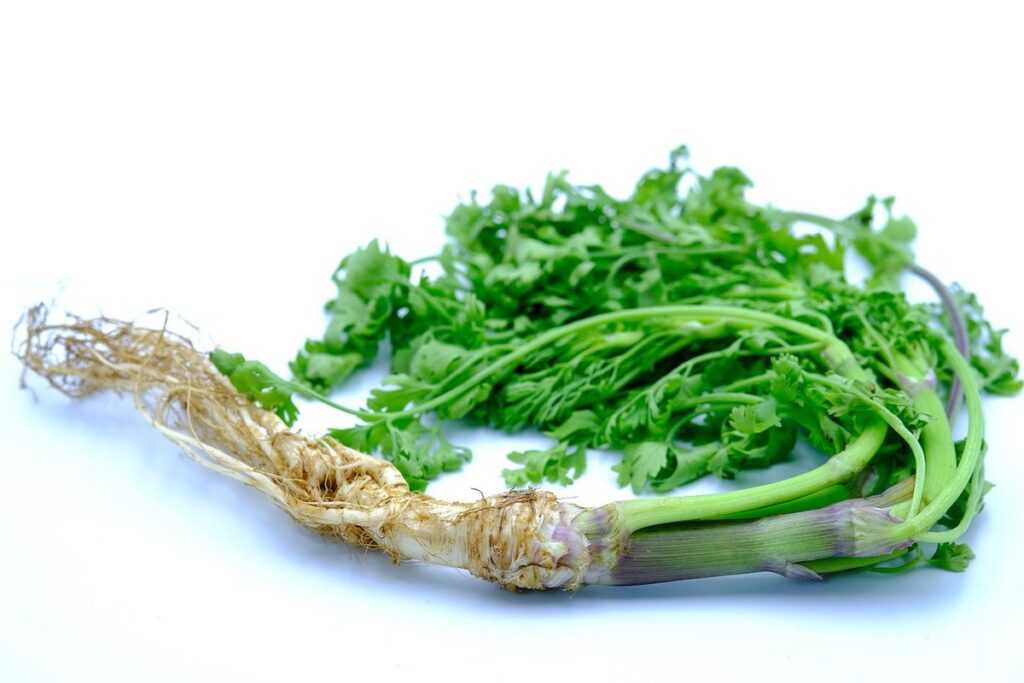
Understanding Cilantro Bolting
Cilantro bolting is a common issue that can quickly ruin a batch of otherwise healthy plants, causing them to go to seed prematurely. Let’s dive into what causes this problem and how to prevent it.
What is Cilantro Bolting?
Cilantro bolting is a common issue that can afflict even the most experienced gardeners. So, what exactly is cilantro bolting? It’s when the plant suddenly and rapidly grows tall stalks, often going to seed, usually as a result of stress or over-maturity. This can be caused by factors such as excessive heat, dry soil, or insufficient watering. When cilantro bolts, it can lead to a decrease in leaf production, making it less suitable for harvest.
The effects of bolting on plant health are multifaceted. Firstly, the sudden growth spurt can weaken the plant’s root system, making it more susceptible to disease and pests. Secondly, the formation of seeds can divert energy away from the leaves, resulting in a decrease in flavor and aroma. Thirdly, the tall stalks can become top-heavy, causing the plant to topple over or even break.
To avoid bolting, it’s essential to provide your cilantro plants with optimal growing conditions, including partial shade, consistent moisture, and adequate nutrients. Regular harvesting of leaves also helps prevent the plant from flowering. By taking these preventative measures, you can enjoy a healthy and productive cilantro crop all season long.
Recognizing Early Signs of Bolting
Recognizing early signs of bolting is crucial to preventing its spread and saving your cilantro crop. As a cilantro grower, you need to be vigilant about monitoring your plants for changes that may indicate bolting is underway.
One of the earliest signs of bolting is a change in leaf color. Cilantro leaves will start to take on a more pale or yellowish hue as the plant begins to divert its energy towards flowering and seed production. You may also notice an increase in leaf growth rate, with new leaves emerging more rapidly than before.
Another indicator of bolting is a slight stretching or elongation of the stem, which can become more pronounced over time. To catch these changes early on, make it a habit to inspect your cilantro plants regularly, ideally once a week. As soon as you notice any unusual signs, take action to prevent further bolting by providing your plants with ideal growing conditions and pruning them back.
Keep in mind that some varieties of cilantro are more prone to bolting than others. Researching the specific characteristics of your plant variety can help you anticipate when and how it may bolt, giving you a head start on preventing this issue.
Factors Contributing to Bolting
Cilantro bolting can be frustrating, but understanding what causes it is key to prevention. Let’s explore some common factors that contribute to premature flowering.
Temperature and Climate
Temperature fluctuations are one of the most significant factors contributing to cilantro bolting. This is because cilantro has a relatively narrow temperature tolerance range for optimal growth. When temperatures rise above 75°F (24°C) or drop below 40°F (4°C), cilantro plants may bolt, leading to a sudden surge in flowering and seed production.
In ideal conditions, cilantro prefers daytime temperatures between 60-70°F (15-21°C) and nighttime temperatures around 55-65°F (13-18°C). This allows the plant to focus its energy on leaf growth rather than flowering. To prevent bolting, make sure your cilantro plants are receiving consistent temperatures within this range.
Keep in mind that temperature fluctuations can also cause stress to the plant, making it more susceptible to bolting. If you live in an area with extreme temperature variations, consider growing cilantro in a greenhouse or indoor container where temperatures can be controlled. By maintaining a stable and moderate temperature environment, you can help promote healthy growth and prevent premature flowering.
Watering Habits
Watering Habits play a crucial role in determining whether your cilantro plants will bolt or not. Overwatering and underwatering can both contribute to this issue. When you overwater your cilantro, the roots become waterlogged, leading to a sudden surge of growth. This causes the plant to produce flowers and seed, resulting in bolting.
On the other hand, if you underwater your cilantro, it may try to compensate by producing more stems, which can also lead to bolting. Cilantro requires consistent moisture levels, especially during its initial growth stage. Aim to water your plants when the top inch of soil feels dry to the touch.
Aim for around 1-2 inches of water per week, either from rainfall or irrigation. You can check the moisture level by inserting a finger into the soil up to the knuckle. If the soil is damp, it’s okay to wait another day before watering again. Remember, it’s essential to find a balance and not overwater your cilantro plants to prevent bolting.
Soil Quality and Nutrient Deficiencies
Soil quality plays a crucial role in determining whether your cilantro will bolt or not. Poor soil conditions can lead to nutrient deficiencies that trigger bolting as the plant tries to reproduce quickly before dying off. Cilantro, being a crop that thrives in cooler temperatures and moist soils, requires specific nutrient profiles to grow well.
One common issue is low levels of calcium and magnesium, essential for cell wall development and photosynthesis. Without adequate calcium, cilantro’s stems can become weakened, making it more susceptible to bolting. Similarly, nitrogen deficiencies can cause older leaves to turn yellow, signaling the plant to focus energy on seed production instead of foliage growth.
To address soil quality issues, consider adding organic matter like compost or well-rotted manure to your growing mix. This will help improve nutrient retention and availability for your plants. Also, ensure proper pH levels, as cilantro prefers slightly acidic to neutral soils (pH 6.0-7.0). Regularly test your soil to identify any specific nutrient deficiencies and address them with targeted fertilizers or supplements. By providing optimal growing conditions, you can minimize the likelihood of bolting and enjoy a healthy crop of cilantro leaves throughout its lifespan.
Prevention Strategies
Now that we’ve discussed what causes cilantro to bolt, let’s dive into some effective strategies for preventing it from happening in the first place. By implementing these simple tips, you can enjoy a healthy and long-lasting crop of fresh cilantro.
Choosing Bolting-Resistant Varieties
When it comes to preventing cilantro from bolting, choosing the right variety can make all the difference. Fortunately, many breeders have developed cilantro varieties that are bred for resistance to bolting, offering you a higher chance of success.
Some popular bolting-resistant cilantro varieties include ‘Slow Bolt’, ‘Santo’, and ‘Damas’. These varieties have been specifically bred to produce fewer flowers and therefore reduce the likelihood of bolting. For example, ‘Slow Bolt’ is known for its slower production of flowers, giving you a longer harvest period.
While these varieties offer advantages in terms of bolting resistance, they also have some limitations. Some may have slightly smaller leaves or reduced flavor compared to non-resistant varieties. Additionally, even with resistant varieties, proper growing conditions and care are still crucial to prevent bolting.
When selecting a bolting-resistant variety, consider factors such as your climate, available space, and personal preferences. Be sure to read the seed packet description or consult with a local nursery for guidance on the best variety for your specific needs.
Providing Optimal Growing Conditions
To prevent cilantro from bolting, it’s essential to provide optimal growing conditions that encourage healthy growth and slow down the plant’s natural tendency to go to seed. When it comes to light, cilantro prefers partial shade, especially during the hottest part of the day. Direct sunlight can trigger bolting, so consider providing your plants with some protection using a sheer curtain or shade cloth.
Temperature-wise, cilantro thrives in cooler temperatures between 65°F and 75°F (18°C and 24°C). Avoid exposing your plants to extreme temperature fluctuations, as this can cause stress and lead to bolting. Watering is also crucial – overwatering can be detrimental, causing the roots to rot and triggering a stress response that leads to flowering.
Aim to keep the soil consistently moist but not waterlogged. To achieve this balance, check the soil daily by sticking your finger into it up to the first knuckle. If the soil feels dry at this depth, it’s time to water. Be sure to use room-temperature or slightly cool water to avoid shocking the roots.
In addition to these general guidelines, consider using a well-draining potting mix and avoiding areas with high humidity. By providing your cilantro plants with optimal growing conditions, you’ll be taking a crucial step towards preventing bolting and enjoying a healthy, flavorful crop.
Maintaining Healthy Soil
Maintaining healthy soil is crucial for preventing cilantro bolting. When your soil lacks essential nutrients, it can stress out your plants, making them more susceptible to bolting. Regular fertilization helps to ensure that your soil has the necessary building blocks for healthy plant growth.
A balanced fertilizer should include a mix of nitrogen (N), phosphorus (P), and potassium (K). For cilantro, a 10-20-10 ratio is ideal. You can also use compost tea or worm casting as natural alternatives to synthetic fertilizers. These will not only provide necessary nutrients but also improve the soil‘s structure.
Effective pest management is equally important in maintaining healthy soil. A single pest infestation can lead to root damage, which can trigger bolting. Regularly inspect your plants for signs of pests and take action promptly if you notice any issues. You can use neem oil or insecticidal soap to control infestations without harming the environment.
By prioritizing regular fertilization and effective pest management, you’ll be creating an optimal soil environment for healthy cilantro growth. This will not only prevent bolting but also promote overall plant health.
Managing Bolting in Existing Plants
If you’ve already got cilantro plants growing and they’re suddenly producing flowers, it’s not too late to prevent them from going to seed. This section will show you how to manage bolting in your existing plants.
How to Control Bolting Once it Starts
If you’ve already experienced cilantro bolting, don’t worry – there’s still hope to salvage the plant. Once it starts bolting, controlling further growth requires immediate action to reduce stress and encourage leaf production. Start by pruning off the bolted flowers immediately, making a clean cut just above a node to minimize damage.
Cut back any seed stalks that have formed but haven’t yet opened, as this will redirect energy towards new growth. This process is called ‘tip-pinning’ or ‘bolting suppression’. By removing these flower buds, you’ll force the plant’s focus back on growing leaves rather than developing seeds.
Additionally, ensure your cilantro plants receive adequate moisture and fertilization to promote healthy leaf production. Avoid over-watering, which can stress the plant further, causing it to bolt again. Maintain a consistent temperature between 60-70°F (15-21°C) and provide partial shade to reduce stress caused by direct sunlight.
Regularly inspect your plants for signs of bolting and take action promptly to prevent damage and promote healthy growth.
Encouraging Regrowth
If your cilantro plant has bolted, don’t worry – it’s not a lost cause. With the right approach, you can encourage regrowth and get your plant back on track. One of the primary reasons bolting occurs is due to nutrient deficiencies, particularly nitrogen and potassium. To replenish these essential nutrients, use a balanced fertilizer (10-10-10 N-P-K) or a high-phosphorus formula to promote healthy growth.
Pruning strategies can also help stimulate regrowth. Pinch off flower stalks when they appear, which should be done regularly to prevent the plant from expending energy on seed production. You can also trim back the entire plant by one-third to half, making sure to leave some of the leaves intact to provide photosynthetic energy for new growth.
By addressing nutrient deficiencies and implementing pruning strategies, you can encourage your cilantro plant to regrow and potentially produce more crop cycles before bolting again. Be patient and monitor your plant’s response to these adjustments – with proper care, it should be back in production soon.
Advanced Techniques for Cilantro Production
If you’re ready to take your cilantro game to the next level, we’ll dive into advanced techniques that can help prevent bolting and promote healthy plant growth.
Hydroponics and Indoor Growing
When it comes to preventing bolting in cilantro, advanced growing methods can be a game-changer. One such method is hydroponics, which involves growing plants in a nutrient-rich solution rather than soil. This technique allows for precise control over the nutrients and water levels that the plant receives, making it easier to prevent stress and promote healthy growth.
Indoor growing systems are another advanced method that can help prevent bolting. By controlling the temperature, humidity, and light exposure of the plants, you can create an optimal environment for cilantro growth. This is particularly useful in areas with harsh weather conditions or limited outdoor space.
One key benefit of hydroponics and indoor growing is the ability to regulate temperature fluctuations, which are a major contributor to bolting. By maintaining a consistent temperature between 65-75°F (18-24°C), you can reduce stress on the plant and promote healthy growth.
To get started with hydroponics or indoor growing, consider investing in a basic setup that includes a grow chamber, nutrient solution, and a pump for circulation. With proper care and attention, these systems can provide a reliable source of fresh cilantro year-round, while minimizing the risk of bolting.
Seed Starting and Propagation
When it comes to cultivating cilantro, proper seed starting and propagation techniques are crucial for promoting healthy plant growth and minimizing the risk of bolting. One common mistake amateur gardeners make is using old or low-quality seeds, which can lead to weak and leggy plants prone to bolting.
To avoid this issue, start by sowing fresh and high-quality cilantro seeds indoors 2-3 weeks before the last frost date in your area. Use a well-draining seed starting mix and keep the soil consistently moist but not waterlogged. Maintain a temperature of around 70°F to 80°F (21°C to 27°C) until germination.
Once the seeds have germinated, thin them out to about 1-2 inches apart to prevent overcrowding, which can cause stress on the plants and lead to bolting. You can also use a seed starting tray with individual cells or small pots to promote healthy root development and reduce the risk of disease.
For propagation, take cuttings from mature cilantro plants when they are around 6-8 inches tall. Cut just above a node using a pair of clean scissors or pruning shears. This will encourage new growth and help prevent bolting.
Common Mistakes to Avoid
Don’t let your hard work go to waste! We’ll cover common mistakes gardeners make when trying to prevent cilantro bolting, so you can avoid them and achieve success.
Overcrowding and Poor Air Circulation
Overcrowding your cilantro plants is one of the most common mistakes gardeners make. Cilantro prefers well-spaced growing conditions to develop a robust root system and promote healthy growth. When seedlings are too close together, they compete for resources like water, nutrients, and light. This can cause stress on the plants, triggering them to bolt as a survival mechanism.
To avoid overcrowding, sow cilantro seeds 1-2 inches apart in rows that are at least 6-8 inches wide. You can also use container gardens or raised beds with adequate spacing between plants. For example, if you’re growing cilantro in a pot, make sure it has enough room to accommodate the mature plant’s spread.
Poor air circulation is another contributing factor to bolting. Cilantro needs good airflow to prevent moisture from accumulating on its leaves and reducing transpiration. This can lead to fungal diseases like powdery mildew or downy mildew, which weaken the plants and trigger bolting. To improve air circulation, ensure that there’s at least 6-8 inches of space between rows and thin out your cilantro plants as needed to maintain a balanced density.
Inadequate Monitoring and Maintenance
Regular monitoring and maintenance are crucial to preventing bolting in cilantro plants. By keeping a close eye on your plants’ health and taking proactive steps, you can catch potential issues before they become major problems. One of the most significant mistakes gardeners make is neglecting their cilantro plants, allowing them to go unattended for extended periods.
This lack of attention can lead to several issues that contribute to bolting, including:
• Pests: Infestations by pests like aphids, whiteflies, or spider mites can weaken your plant’s defenses and cause it to bolt. Regularly inspecting your plants for signs of infestation will help you catch these problems early on.
• Nutrient deficiencies: Cilantro requires a balanced diet of nutrients to grow healthy and strong. Soil tests can identify any nutrient deficiencies that may be contributing to bolting.
To maintain optimal health, make sure to check your cilantro plants regularly, looking for signs of stress or disease. Water them consistently, but avoid overwatering, which can lead to root rot and other issues. Additionally, provide a balanced fertilizer according to the manufacturer’s instructions. By staying on top of these tasks, you’ll be better equipped to prevent bolting and promote healthy plant growth.
Inadequate monitoring and maintenance not only contribute to bolting but also reduce overall plant yields. A single neglected cilantro plant can quickly spread its seeds, leading to a massive infestation that will require significant effort to eradicate. By being vigilant about your plants’ well-being, you’ll save yourself from this frustration and enjoy a bountiful harvest of healthy, flavorful cilantro.
Frequently Asked Questions
Can I still use my cilantro plants after they’ve bolted?
Yes, you can still harvest the leaves from your cilantro plant even if it has bolted. The flavor may be slightly bitter due to the flowering process, but it’s still safe to eat. Simply trim off the flower stalks and continue harvesting the leaves as needed.
How often should I water my cilantro plants to prevent bolting?
To prevent bolting, it’s essential to maintain consistent moisture levels in the soil. Water your cilantro plants when the top inch of soil feels dry to the touch. Avoid overwatering, which can lead to root rot and exacerbate bolting issues.
Can I grow cilantro indoors without affecting its bolting tendency?
Yes, you can grow cilantro indoors using a well-draining potting mix and maintaining optimal temperature (around 60-70°F) and humidity levels. However, be aware that indoor conditions may still cause cilantro to bolt more readily than outdoor plants. Use a grow light to provide sufficient light, and ensure good air circulation around the plant.
How do I know if my soil is lacking essential nutrients that contribute to bolting?
Soil nutrient deficiencies can contribute to bolting in cilantro. To identify potential issues, test your soil pH levels and nutrient content using a DIY kit or consult with a gardening expert. If necessary, amend your soil with organic fertilizers or adjust watering habits to ensure optimal nutrient uptake.
Can I use companion planting to prevent bolting in my cilantro?
Yes, certain plants can help deter pests or provide beneficial properties that may reduce the likelihood of bolting. Consider growing cilantro alongside basil, mint, or dill, which are said to repel aphids and other pests that might cause stress to your cilantro plants.