
Are you an okra enthusiast looking to maximize your harvest? Do you want to know the secrets to growing this delicious summer veggie like a pro? Pruning is often overlooked in home gardening, but it’s a crucial step that can make all the difference. By pinching, thinning, and tipping your okra plants at the right time, you’ll be rewarded with bigger yields, healthier plants, and a more bountiful harvest. In this article, we’ll dive into the art of okra pruning, sharing expert techniques to help you achieve optimal results. From learning when to prune to mastering the best methods for each stage of growth, we’ll cover it all. Whether you’re a seasoned gardener or just starting out, these tips will take your okra game to the next level and get you enjoying this versatile veggie all season long.
Understanding Okra’s Growth Habits
Understanding okra’s growth habits is crucial for effective pruning, so let’s dive into its unique characteristics and how they impact your harvest. This includes its height, spread, and flowering patterns.
Why Prune Okra Plants?
Pruning okra plants is an essential practice that can significantly impact their growth and productivity. When left unpruned, okra plants can become leggy and sprawling, leading to reduced yields and increased susceptibility to disease. By pruning regularly, you can promote a bushy and compact plant habit, encouraging the plant to produce more fruit.
In addition to improved yields, pruning also helps to improve plant health by removing diseased or damaged leaves and stems, preventing the spread of infection. This is particularly important for okra plants, which are prone to pests like aphids and whiteflies. Regular pruning can help to keep these pests under control, reducing the need for pesticides.
By pruning your okra plants on a regular basis, you can enjoy a more bountiful harvest and healthier plants overall. Aim to prune your okra plants every 7-10 days during the growing season, removing any weak or spindly growth to encourage bushy new growth. With consistent pruning, you’ll be rewarded with an abundance of delicious okra pods all season long.
Identifying Ideal Okra Plant Height
When it comes to growing okra, one of the most important factors to consider is the ideal plant height. Typically, okra plants should reach a height of between 3-6 feet for optimal growth and production. If your plants grow too tall, they can become top-heavy and prone to wind damage, which can lead to reduced yields.
Aiming for this range will also make pruning needs more manageable. When okra plants are within the ideal height range, you’ll be able to remove any weak or spindly growth without sacrificing too much of the plant’s structure. This targeted pruning will direct energy and resources toward producing a bountiful harvest.
For reference, some popular okra varieties that tend to grow within this height range include ‘Clemson Spineless’ and ‘Red Burgundy’. If you’re finding your plants consistently exceed 6 feet, consider providing additional support with stakes or trellises to keep them upright. By keeping an eye on your okra’s growth habits and pruning accordingly, you’ll be well on your way to a successful harvest.
Timing of Pruning: When to Cut Back Okra
Now that you know when and how to prune your okra plants, let’s talk about timing – specifically, when to cut back okra for optimal growth.
Spring Pruning: Preparing for New Growth
As we transition from winter to spring, it’s essential to focus on revitalizing your okra plants for a bountiful harvest. Spring pruning plays a crucial role in establishing healthy okra plants, and it’s a great opportunity to remove any dead or damaged branches that may have accumulated during the winter months.
When to Prune Okra for Spring Growth
Okra plants typically start growing vigorously around late spring to early summer, producing new shoots and flowers. To ensure your plant is ready for this growth spurt, prune in late winter to early spring, about 4-6 weeks before the last frost date in your area. This allows the plant time to heal from any pruning wounds before new growth begins.
Removing Dead or Damaged Branches
Take a close look at your okra plant and remove any dead, damaged, or diseased branches. Cut them off as close to the base as possible using clean pruning tools to prevent the spread of disease. This will not only help promote healthy growth but also reduce the risk of pests and diseases that thrive on weak branches.
Some signs of dead or damaged branches include:
• Brown or gray discoloration
• Soft or mushy texture
• Leaves or flowers dropping off easily
By pruning these branches, you’ll be giving your okra plant a fresh start, allowing it to focus its energy on producing healthy new growth and ultimately, a more abundant harvest.
Summer Pruning: Encouraging Fruiting
When you prune okra plants during the summer months, you’re directing their energy towards developing pods rather than foliage. This is a crucial step in encouraging fruiting and achieving a bountiful harvest.
By cutting back the plant’s vigorous growth, you’re essentially saying to the plant, “Focus on producing more pods, not just leaves.” As a result, the plant will channel its resources into producing more flowers and setting seed, leading to an increase in pod production. This is especially important for okra, as it can be prone to producing too much foliage at the expense of fruiting.
Think of summer pruning like a performance-enhancing trainer for your okra plant. It’s a way to tell the plant to redirect its energy and focus on what matters most – producing those delicious pods you’ve been waiting for! To do this effectively, simply remove any weak or spindly growth, and trim back the tips of the branches to encourage bushy growth and promote more flowering sites.
Techniques for Effective Okra Pruning
To get the most out of your okra plants, it’s essential to learn how to prune them effectively. In this next part, we’ll explore specific techniques to promote healthy growth and maximize yields.
Pinching and Thinning Methods
When it comes to controlling plant height and encouraging bushy growth, pinching and thinning techniques are essential for a bountiful okra harvest. Pinching involves removing the top set of leaves from the stem to encourage branching and prevent the plant from becoming leggy.
To pinch your okra plant, locate the top two sets of leaves and cut or snip them off just above a leaf node using scissors or pruning shears. This will prompt the plant to focus its energy on producing more lateral shoots, resulting in a fuller and more productive plant.
Thinning involves removing weaker or smaller stems to allow more light and air to reach the remaining plants, promoting healthy growth and preventing disease. Remove any weak or spindly stems from the base of the plant, making sure not to damage nearby healthy stems. By combining pinching and thinning techniques, you can create a strong and productive okra plant that will reward you with an abundance of tender pods all season long.
For best results, pinch your okra plant every 1-2 weeks during its first few months of growth, and thin out weak stems as they emerge.
Tipping: The Art of Removing Top Growth
Removing the growing tip of an okra plant is called tipping, and it’s a crucial technique to control the plant’s growth pattern. By removing the top growth, you’re encouraging the plant to focus its energy on producing more pods rather than expending it on flowering too early. To tip your okra plant, simply snip off the terminal bud using a pair of clean scissors or pruning shears. Make sure to cut just above a node – the joint where a leaf meets the stem – as this will help prevent the plant from becoming leggy.
By tipping your okra plants every 7-10 days, you’ll be promoting bushy growth and encouraging them to produce more flowers and, subsequently, pods. This is particularly useful for okra varieties that are prone to flowering too early, which can result in reduced yields. Some growers also find it helpful to tip their okra plants as soon as they reach a certain height – typically around 12-18 inches – to prevent them from becoming too leggy and top-heavy.
When tipping your okra plant, be sure to remove only the growing tip and not any of the side shoots or lower leaves. This will help maintain the plant’s overall health and encourage it to produce more pods rather than just a few large flowers. By following this simple technique, you’ll be able to control your okra plant’s growth pattern and promote a bountiful harvest.
Common Pruning Mistakes to Avoid
Pruning okra can be a bit tricky, so let’s go over some common mistakes that could harm your plant and reduce its harvest potential. By avoiding these errors, you’ll be well on your way to a bountiful okra crop!
Over-Pruning: A Recipe for Disaster
Over-pruning is one of the most common mistakes gardeners make when it comes to okra cultivation. It may seem counterintuitive, but pruning too much can actually harm your plant’s productivity and overall health. When you remove too many leaves or branches, you’re essentially stripping your okra plant of its ability to produce energy through photosynthesis.
Not only does over-pruning reduce yields, but it also weakens the plant’s structure, making it more susceptible to pests and diseases. Imagine removing a significant portion of your okra plant’s foliage – you’d be depriving it of the essential nutrients it needs to grow strong and healthy. This can lead to reduced fruit production and a lower quality harvest.
To avoid over-pruning, follow these simple guidelines: prune only what’s necessary, and focus on removing any dead or damaged branches. Cut back spent blooms to encourage new growth, but leave enough foliage to support photosynthesis. Remember, it’s better to err on the side of caution and under-prune than to risk harming your plant with excessive pruning. By being mindful of this common mistake, you’ll be well on your way to a bountiful okra harvest.
Under-Pruning: Missing Opportunities for Growth
Under-pruning okra plants is often overlooked, but it’s a crucial aspect of maintaining healthy and productive plants. When you don’t prune enough, the dense foliage creates an ideal environment for disease to spread, making your okra plant more susceptible to fungal infections like powdery mildew or root rot.
A lack of air circulation within the plant also contributes to under-pruning issues. As okra leaves grow, they can become too crowded, trapping moisture and creating a humid microclimate that fosters disease development. To avoid this, it’s essential to prune your okra plants regularly to maintain an open center structure, allowing for good air movement and sunlight penetration.
By not under-pruning, you’ll be able to promote healthy growth, improve fruit set, and ultimately increase yields. Prune your okra plants when they reach about 12-18 inches tall, removing any weak or spindly growth. This will help direct the plant’s energy towards producing more robust stems and a stronger root system, leading to a bountiful harvest. Remember, it’s all about finding that balance between pruning too little and too much – aim for regular maintenance to keep your okra plants thriving.
Additional Tips for Healthy Okra Plants
To ensure your okra plants thrive, you’ll want to consider a few extra details when it comes to pruning and caring for them. We’ve got some valuable insights to share on how to keep your okras healthy.
Companion Planting Strategies
When it comes to growing okra, companion planting is an excellent strategy to boost its health and productivity. By pairing okra with certain plants, you can create a harmonious garden ecosystem that repels pests, attracts beneficial insects, and promotes healthy growth.
Some popular companion plants for okra include basil, marigold, and nasturtiums. These plants have natural properties that deter nematodes, whiteflies, and aphids – common pests that target okra. For instance, basil’s strong scent repels these pests, while marigold’s bright orange and yellow flowers attract beneficial insects like ladybugs and lacewings.
To implement companion planting with okra, simply intersperse these plants around your okra rows. Plant them about 12-18 inches apart to allow for easy access and growth. Some examples of how you can pair okra with these companion plants include:
• Planting basil along the edges of your okra bed to create a barrier against pests
• Spacing marigold flowers throughout the okra rows to attract beneficial insects
• Using nasturtiums as a ground cover to suppress weeds and repel pests
By incorporating companion planting into your gardening routine, you can enjoy healthier, more resilient okra plants that thrive in their environment.
Mulching and Water Management Techniques
When it comes to maintaining healthy okra plants, two essential techniques come into play: mulching and water management. Mulching around your okra plants is a simple yet effective way to retain moisture in the soil while suppressing weeds that compete with your crop for nutrients.
To create a mulch bed, start by spreading a 2-3 inch layer of organic material such as straw or wood chips around the base of your okra plant. This will not only conserve water but also regulate soil temperature, preventing it from getting too hot in summer months. Water deeply once or twice a week, depending on weather conditions, rather than shallowly every day.
Efficient watering is crucial for okra’s sensitive roots. For example, research has shown that drip irrigation systems can save up to 30% of water compared to traditional sprinkler systems. You can also use soaker hoses or implement a simple rainwater harvesting system to collect and store rainwater for later use.
Frequently Asked Questions
What’s the best time to start pruning my okra plants if I’m new to gardening?
If you’re new to gardening, it’s essential to observe your okra plants’ growth habits before starting a pruning schedule. Typically, spring is an excellent time to begin pruning okra, about 6-8 weeks after transplanting or direct sowing. This allows the plant to establish itself and reduces the risk of shocking it with early pruning.
Can I prune my okra plants too much without harming them?
Yes, over-pruning can be detrimental to your okra plants’ health and productivity. While some pruning is necessary for promoting bushy growth and encouraging fruiting, excessive pruning can lead to stress, reduced yields, and increased susceptibility to disease. Monitor your plants closely and prune only what’s necessary to maintain a balanced plant habit.
How often should I water my okra plants after pruning?
Pruning okra plants stimulates new growth, which requires sufficient moisture to establish itself. Ensure your plants receive about 1-2 inches of water per week, either from rainfall or irrigation. Water deeply but infrequently to encourage deep root development and promote healthy growth.
Can I use the same pruning techniques for both young and mature okra plants?
While some basic pruning principles remain consistent, younger okra plants (less than 6 months old) require more delicate handling due to their tender stems and leaves. For young plants, focus on pinching or thinning to encourage branching and promote a bushy habit. As your plants mature, you can gradually shift towards more aggressive pruning techniques like tipping to control height and encourage fruiting.
Are there any specific tools I should use for effective okra pruning?
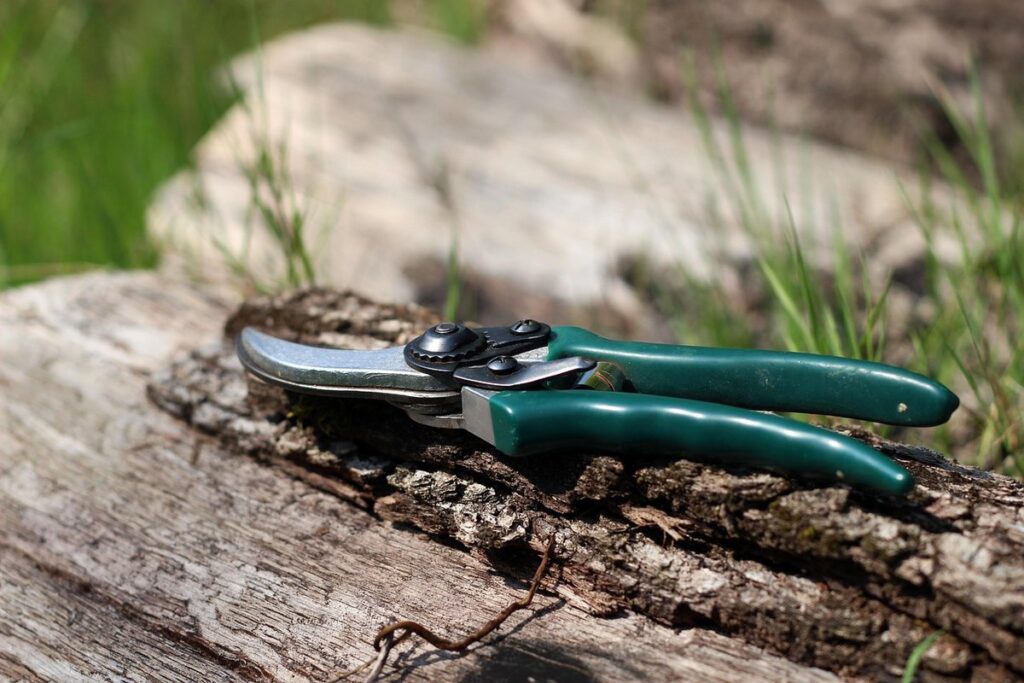
A pair of clean, sharp pruning shears is ideal for cutting through the stems of okra plants. Avoid using dull or dirty pruning tools, as they can damage the plant and create entry points for disease. For thicker branches, consider using loppers or a pruning saw to minimize tearing and promote healthy healing.