
Okra is one of those versatile vegetables that can add so much flavor and nutrition to our meals, but growing it successfully requires some planning. One crucial aspect to get right is spacing your okra plants in a raised bed. Whether you’re an experienced gardener or just starting out, knowing the ideal distance between each plant can make all the difference in achieving healthy, high-yielding okra.
In this article, we’ll delve into the world of okra spacing and companion planting to help you overcome common challenges and unlock your full harvest potential. We’ll discuss raised bed preparation tips, explore optimal plant spacing for maximum growth, and share expert advice on how to create a thriving ecosystem that will have your neighbors green with envy. Get ready to discover the secrets behind growing bountiful okra in your own backyard!
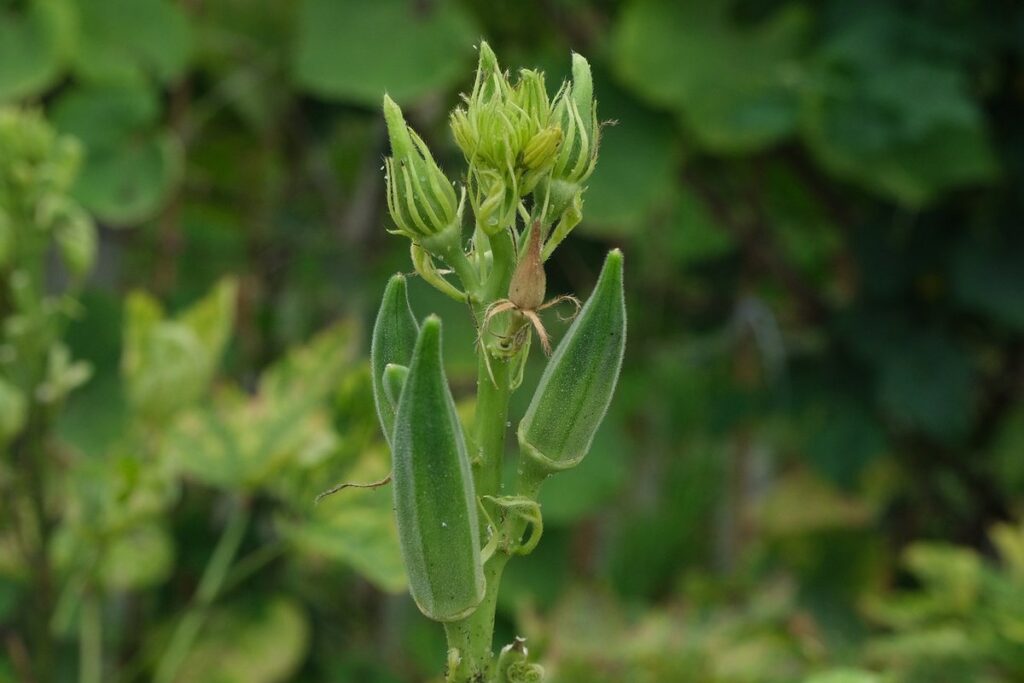
Understanding Okra’s Needs
To grow okra successfully, it’s essential to understand its specific needs and characteristics, which will guide your raised bed layout decisions. Let’s dive into what makes okra thrive in a raised bed environment.
Choosing the Right Variety for Your Climate
When selecting an okra variety for your raised beds, it’s essential to consider the unique characteristics of each type. Different varieties have varying growth habits and adaptability to climate conditions, making some better suited to specific regions than others.
For example, ‘Clemson Spineless’ is a popular variety in the southeastern United States, where the hot and humid summers are ideal for its tall, vigorous growth habit. On the other hand, ‘Red Burgundy’ thrives in cooler climates with shorter growing seasons, making it perfect for gardeners in regions with milder winters.
To choose the right variety for your climate, consider factors like temperature tolerance, frost sensitivity, and water requirements. Some okra varieties are more resistant to heat stress or drought than others, so be sure to research these traits when selecting a variety.
Ultimately, choosing an okra variety that suits your climate will not only ensure optimal growth but also reduce the risk of common issues like powdery mildew or bolting.
Okra Plant Characteristics and Requirements
The okra plant is a unique and adaptable crop that thrives in warm climates. On average, an okra plant can grow to be around 3-6 feet tall, with some varieties reaching heights of up to 9 feet. The spread of the plant is relatively wide, typically spanning between 2-4 feet in diameter.
Okra leaves are large and lobed, with a distinctive shape that helps the plant absorb sunlight efficiently. They are usually green in color, but can sometimes develop a reddish tint depending on the variety. When growing okra in raised beds, it’s essential to provide the plants with full sun (at least 6 hours of direct sunlight) to promote healthy growth.
In terms of water requirements, okra needs consistent moisture, especially when producing fruit. Aim for about 1-2 inches of water per week, either from rainfall or irrigation. As for nutrient-rich soil, okra prefers well-draining, fertile soil with a pH between 6.0 and 7.0. Add compost or well-rotted manure to your raised bed mix to give your okra plants the nutrients they need to thrive.
Spacing Considerations
When planning your okra harvest, proper spacing is crucial. In this next section, we’ll delve into the specifics of how to space okra plants in raised beds for optimal growth and yield.
Spacing for Optimal Growth and Yield
Proper spacing between okra plants is crucial for promoting healthy growth, reducing disease susceptibility, and increasing overall yield. When plants are too close together, they compete for resources such as light, water, and nutrients, which can lead to weakened plant health and increased vulnerability to pests and diseases.
For optimal results, most okra varieties require at least 12-18 inches of space between plants in a raised bed. Some popular okra varieties have specific spacing requirements: ‘Clemson Spineless’ prefers 18-24 inches of space, while ‘Red Burgundy’ requires around 20-30 inches.
To achieve optimal growth and yield, consider the following spacing methods:
• Plant okra seeds 1-2 inches deep in well-draining soil.
• Use a grid pattern to ensure even spacing between plants.
• Leave about 3-4 feet of space on either side of the bed for easy access and air circulation.
By adopting these simple yet effective spacing strategies, you can create an ideal environment for your okra plants to thrive. Remember that proper spacing is just one aspect of successful okra cultivation – make sure to also consider factors like soil quality, watering schedules, and pruning techniques to achieve maximum yields.
Benefits of Intensive vs. Extensive Planting
When it comes to planting okra in raised beds, you have two main approaches: intensive and extensive planting. Intensive planting involves placing okra plants closer together, typically between 6-12 inches apart, depending on the variety. This method allows for more space-efficient use of your raised bed, which is ideal for smaller gardens or when growing a large number of okra plants.
The benefits of intensive planting include increased yields and reduced competition for resources like light and water. However, it also increases the risk of disease transmission between plants, so be sure to keep an eye out for signs of infection. Additionally, with more plants packed into a smaller space, you’ll need to ensure they receive adequate air circulation.
On the other hand, extensive planting involves placing okra plants further apart, typically 18-24 inches or more. This method allows for better air circulation and reduced disease transmission but may result in lower yields due to reduced competition for resources.
Raised Bed Preparation
Before planting okra in raised beds, it’s essential to prepare the bed properly to ensure optimal growth and prevent common issues. Let’s cover how to get your raised bed ready for a healthy okra crop.
Creating an Ideal Okra-Friendly Soil Mix
When preparing your raised bed for okra growth, it’s essential to create an ideal soil mix that provides optimal nutrients for your plants. A combination of compost and manure can work wonders in enriching the soil. For example, you can mix 20% compost with 10% well-rotted manure and 70% topsoil. This blend not only adds a rich source of organic matter but also helps to maintain a balanced pH level.
The ideal pH range for okra growth is between 6.0 and 7.0, which allows for better nutrient uptake and overall plant health. To check the pH levels in your soil, you can use a pH meter or send a sample to a laboratory for analysis. If your soil’s pH is too high or too low, add lime to raise it or sulfur to lower it accordingly.
When using manure, ensure that it’s fully composted and free of any contaminants. This will prevent any potential health risks associated with raw manure use. Regularly test the pH levels and adjust as necessary to create an optimal growing environment for your okra plants.
Preparing the Raised Bed for Planting
Before planting okra in your raised beds, it’s essential to prepare the bed itself. This involves three key steps: tilling, leveling, and mulching.
Tilling breaks up compacted soil, making it easier for roots to grow. Use a garden fork or tiller to loosen the top 6-8 inches of soil. Be careful not to damage any underground irrigation systems or other structures. If your raised bed is new, consider tilling it at least three times to ensure the soil is well-aerated.
Next, level the bed to create an even surface. This will help water and nutrients reach the roots evenly. Check for slopes or dips by using a rake or shovel to scrape away uneven areas. Leveling your raised bed will also make it easier to walk on without compacting the soil.
Finally, mulch around the perimeter of your raised bed to retain moisture and suppress weeds. Organic mulches like straw or wood chips work well, as they break down slowly over time. A 2-3 inch layer is sufficient for most okra varieties.
Companion Planting Strategies
When growing okra in raised beds, companion planting can be a game-changer for maximizing yields and minimizing pests. We’ll explore some effective pairing strategies to try alongside your okra plants.
Using Okra as a Companion Plant
Companion planting is an age-old technique that pairs plants with beneficial effects on each other. When it comes to okra, this concept can be particularly useful for maximizing yields and minimizing pests. By growing certain plants alongside okra, you can improve pest control and enhance the flavor of your crop.
Take, for instance, basil. This popular herb not only adds a burst of fresh flavor to many dishes but also repels aphids and other pests that target okra. Plant them together in raised beds, and you’ll enjoy a bountiful harvest with minimal infestation issues.
Another example is marigold, which has natural fungicidal properties that can help prevent root rot and other soil-borne diseases affecting okra. These vibrant flowers also attract beneficial insects like bees and butterflies, pollinating your okra plants efficiently.
For best results, remember to plant these companion plants at the right time – usually around 1-2 weeks after okra seeds have germinated. Space them appropriately so as not to compete for resources.
Plants to Avoid Growing with Okra
When planting okra in raised beds, it’s essential to consider companion planting strategies that promote healthy growth and minimize competition for resources. However, there are certain plants that should be avoided when growing near okra due to potential negative interactions.
Some of the most problematic plants to grow with okra include members of the Brassica family, such as broccoli, cauliflower, and kale. These plants can compete with okra for water and nutrients, and their strong scents may also repel beneficial pollinators that are necessary for okra’s reproduction. Tomatoes are another plant to avoid growing near okra, as they can spread diseases like fungal infections and bacterial spot.
Other plants to steer clear of include members of the Solanaceae family, such as eggplant, peppers, and potatoes. These plants share similar nutrient requirements with okra and can deplete the soil’s resources if grown together. By being mindful of these companion planting considerations, you can create a harmonious growing environment for your okra in raised beds.
Common Challenges and Solutions
As you start planting okra in your raised beds, you may encounter some common challenges that can impact their growth and yield. Let’s explore these obstacles together.
Managing Pests and Diseases in Raised Beds
Managing pests and diseases is crucial to maintain a healthy okra crop in raised beds. Okra is susceptible to various common pests such as aphids, whiteflies, and spider mites. These insects can be controlled using organic methods like introducing beneficial nematodes or encouraging natural predators. For example, attracting ladybugs and lacewings can help control aphid populations.
Diseases like powdery mildew, leaf spot, and root rot are also prevalent in okra crops grown in raised beds. To prevent diseases, ensure good air circulation by keeping the bed at least 6-8 inches off the ground and providing adequate space between plants for proper sunlight penetration. Regularly inspect your plants for signs of disease and treat promptly with copper-based fungicides or neem oil.
Maintaining a balanced ecosystem in your raised bed is key to integrated pest management (IPM). This includes crop rotation, soil quality improvement, and avoiding overwatering. A 3-year crop rotation cycle can help reduce the risk of pests and diseases. By incorporating these strategies into your okra cultivation routine, you’ll be better equipped to manage common pests and diseases in raised beds.
Overcoming Spacing-Related Issues
When it comes to growing okra in raised beds, spacing-related issues can be a major concern. Overcrowding and inadequate spacing between plants can lead to reduced yields, increased susceptibility to disease, and decreased plant vigor.
One common issue arising from overcrowding is the spread of diseases such as powdery mildew and fungal leaf spots. These diseases thrive in moist environments, which are often created by the dense foliage of overcrowded okra plants. To avoid this, make sure to leave at least 12-18 inches between each plant, depending on their mature size.
Another issue related to spacing is reduced air circulation. When plants are too close together, they can create a microclimate that fosters disease and pests. To combat this, ensure that your okra plants have sufficient space to grow outward from the bed’s edges, promoting healthy air circulation.
To prevent these issues, consider the mature size of your okra variety when planning your raised bed layout. Some compact varieties, such as ‘Clemson Spineless’, can be spaced closer together (9-12 inches), while larger varieties like ‘Red Burgundy’ require more space (18-24 inches).
Harvesting and Maintenance Tips
Now that you’ve learned how to space okra perfectly, it’s time to explore the next crucial steps: harvesting your crop at the right moment and keeping your plants thriving throughout their growth cycle.
Timing and Techniques for Optimal Harvests
Timing and techniques for optimal harvests are crucial to ensure you get the most out of your okra crop. Okra pods are ready to be picked about 60-70 days after sowing, when they reach a length of around 3-4 inches. For maximum yields, it’s essential to check on your plants daily during this period.
When handling delicate okra pods, gently grasp them at the base and twist them off to avoid damaging the stem or breaking off the pod completely. Harvesting in the morning, when the plants are still dewy, is ideal as the moisture helps keep the pods firm and intact.
To maximize yields, pick okra regularly to encourage the plant to produce more flowers and, subsequently, more pods. Aim for a harvest interval of every 2-3 days during peak production periods. If you miss a day or two, don’t worry – simply adjust your harvesting schedule accordingly to ensure you’re picking at optimal maturity.
It’s also essential to check your okra regularly for signs of over-ripening. Over-matured pods are less tender and may develop an unpleasant flavor.
Seasonal Care and Okra Varieties’ Specific Needs
When it comes to harvesting and maintaining okra plants in raised beds, seasonal care plays a crucial role. As with many vegetables, regular pruning and training can encourage bushy growth, promote fruiting, and prevent disease.
Pruning is essential for okra, especially when grown in raised beds where space may be limited. Remove lower leaves and branches to expose the plant’s center, allowing sunlight to penetrate and promoting air circulation. This will also help prevent moisture from accumulating and reducing the risk of fungal diseases like powdery mildew.
Mulching around the base of okra plants is another vital care practice that helps retain soil moisture and suppress weeds. Apply a 2-3 inch layer of organic mulch, such as straw or wood chips, to keep roots cool and promote healthy growth.
Popular varieties like ‘Clemson Spineless’ and ‘Red Burgundy’ have slightly different needs. For example, ‘Clemson Spineless’ is more susceptible to heat stress and requires additional pruning during hot summer months, while ‘Red Burgundy’ benefits from staking due to its taller stature.
Frequently Asked Questions
Can I plant okra in a raised bed with poor drainage?
No, it’s essential to ensure your raised bed has adequate drainage to prevent waterlogged soil, which can lead to root rot and other issues common in okra cultivation. Consider installing a French drain or adding organic matter like compost to improve soil structure and water retention.
How do I choose between intensive and extensive planting methods for my okra?
Intensive planting involves closely spacing plants (around 12-18 inches apart) to maximize yield, while extensive planting provides more space (24-36 inches apart) for air circulation and easier maintenance. Consider your climate, soil type, and personal preference when deciding which method suits your raised bed best.
Can I grow okra with other vegetables in the same raised bed?
Yes, companion planting is a great way to create a diverse ecosystem in your raised bed. Okra pairs well with marigolds (to deter nematodes), basil (for pest control), and beans (which fix nitrogen). However, avoid growing okra near fennel, as it may inhibit okra growth.
How often should I water my okra plants in a raised bed?
Okra requires consistent moisture, especially when fruiting. Water your plants deeply once or twice a week, depending on weather conditions, and mulch around the base to retain soil moisture and suppress weeds.
Can I grow okra in containers instead of a raised bed?
Yes, you can grow okra in large containers (at least 12-18 inches deep) with good drainage. Use a well-draining potting mix and provide full sun (6+ hours direct sunlight) to ensure optimal growth. Watering will be more frequent due to the smaller soil volume, so monitor moisture levels carefully.