
Lettuce is one of those crops that can be finicky, especially when it comes to getting them to grow from seed. But did you know that the temperature at which lettuce seeds germinate plays a huge role in determining their growth rate and overall health? It’s true – the ideal germination temperature for lettuce seeds is critical for achieving high yields and healthy crops.
In this article, we’ll explore the optimal temperature ranges for lettuce seed germination, discuss strategies for managing soil temperatures, and provide tips for scaling up production. Whether you’re a small-scale gardener or a large commercial producer, understanding how to optimize lettuce seed germination temperatures is key to maximizing your crop’s potential. Let’s dive in and discover how to get the best out of your lettuce seeds!
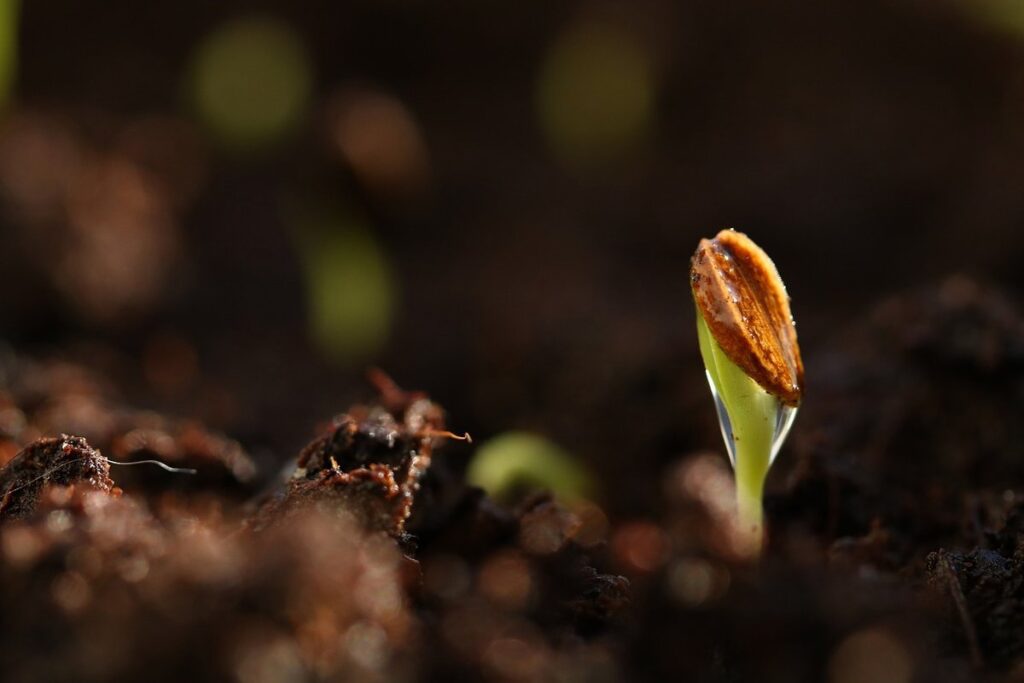
Understanding Lettuce Seed Germination Basics
To grow healthy lettuce, it’s essential to understand the basics of germination, including how temperature affects the process and what types of seeds you should use. Let’s dive in!
Importance of Temperature in Seed Germination
Temperature plays a vital role in lettuce seed germination. It affects not only the speed of germination but also the overall growth process. Lettuce seeds germinate between 40°F (4°C) and 75°F (24°C), with optimal temperatures ranging from 60°F (16°C) to 70°F (21°C).
When temperature is too low, seedlings may develop more slowly, while high temperatures can cause them to grow weak and spindly. For example, a study on lettuce germination found that seeds sown at 50°F (10°C) took up to 14 days to germinate, whereas those at 70°F (21°C) germinated in just 6-7 days.
Maintaining the right temperature is essential for healthy growth. To ensure optimal conditions, keep your seed trays or starting medium at a consistent temperature. If you’re growing lettuce indoors, use a heating mat or place the tray near a sunny window to regulate the temperature. When sowing seeds directly into the garden, choose a spot with full sun and avoid areas that receive direct sunlight for extended periods during peak summer months.
The ideal temperature range allows for proper seed development, root growth, and establishment of the taproot. A consistent temperature also helps prevent diseases and pests from affecting your lettuce crop.
Optimal Temperature Ranges for Lettuce Seeds
When it comes to optimal temperature ranges for lettuce seeds, different types require specific conditions to germinate successfully. For loose-leaf lettuce, a consistent temperature between 60°F and 70°F (15°C and 21°C) is ideal for germination. At this range, you can expect seeds to sprout within 7-10 days.
Romaine lettuce, on the other hand, prefers a slightly cooler temperature between 55°F and 65°F (13°C and 18°C). This slower pace allows for more even growth and prevents the development of weak or spindly plants. For buttercrunch lettuce, a temperature range between 50°F and 60°F (10°C and 15°C) is suitable.
It’s essential to note that most lettuce varieties are sensitive to extreme temperatures. Temperatures above 75°F (24°C) can lead to poor germination or uneven growth, while temperatures below 40°F (4°C) may cause seeds to rot. If you’re growing lettuce indoors, keep in mind that the temperature range for optimal germination is often different from that required for continued growth.
Factors Affecting Lettuce Seed Germination Temperature
Lettuce seeds have specific temperature requirements for optimal germination, and several factors can influence these conditions. Understanding these variables is crucial to successful seed starting.
Soil Temperature and Its Impact on Germination
Soil temperature plays a critical role in lettuce seed germination. The ideal soil temperature for different types of lettuce seeds varies, but most lettuce varieties prefer temperatures between 40°F (4°C) and 75°F (24°C). For example, loose-leaf lettuce prefers warmer temperatures around 65°F to 70°F (18°C to 21°C), while romaine and buttercrunch lettuce thrive in slightly cooler conditions at 60°F to 65°F (15°C to 18°C).
At lower temperatures, germination can slow or even stop. For instance, at 32°F (0°C) or below, most lettuce seeds will not germinate. Conversely, extremely high soil temperatures above 80°F (27°C) can also inhibit germination.
To ensure optimal germination, it’s essential to monitor the soil temperature in your garden or greenhouse. You can use a thermometer to check the soil temperature daily, especially during periods of rapid temperature fluctuations. By maintaining a suitable soil temperature, you’ll be able to provide lettuce seeds with the conditions they need to germinate and grow into healthy seedlings.
Water Temperature: A Neglected Factor in Germination
Water temperature is often overlooked when it comes to lettuce seed germination. However, it plays a crucial role in determining the success of this process. The ideal water temperature for germinating lettuce seeds ranges from 65°F (18°C) to 75°F (24°C). If the water temperature falls outside this range, it can lead to slowed or delayed germination.
To maintain the right water temperature, you’ll want to ensure your growing environment is consistent and controlled. This might involve using a thermometer to monitor the temperature of the water in which you’re soaking your seeds. A temperature variation of just 5°F (3°C) can make a significant difference in the germination rate.
For instance, if you’re growing lettuce in a cold frame or greenhouse, ensure that the temperature doesn’t drop too low at night, as this can slow down germination. Conversely, avoid overheating the water by keeping it away from direct sunlight and heat sources. By paying attention to water temperature, you’ll be able to optimize your seed germination process for better yields and healthier plants.
Determining Soil Temperature for Lettuce Seeds
To determine the ideal temperature for your lettuce seeds, it’s essential to understand how soil temperature affects germination and growth. Let’s explore how to measure soil temp accurately.
Using Thermometers to Measure Soil Temperature
When measuring soil temperature for lettuce seeds, it’s essential to use accurate and reliable thermometers. There are two primary types of thermometers available: digital and analog.
Digital thermometers offer high precision and accuracy, often within 0.1°F or 0.1°C. They’re ideal for precise measurements and can be used in conjunction with soil probes that insert directly into the soil. When using a digital thermometer, ensure it’s placed at the same depth as the lettuce seeds to get an accurate reading.
Analog thermometers, on the other hand, are more traditional and less expensive but often less accurate than their digital counterparts. They can be used in situations where precision isn’t crucial, such as monitoring soil temperature over a longer period.
To use either type of thermometer effectively, calibrate it before measuring soil temperature by immersing the probe or sensor in ice water (0°C) and then comparing the reading to the actual temperature. This ensures accuracy and helps you establish trust in your measurements.
When selecting a thermometer for lettuce seed germination, consider factors like precision, durability, and ease of use.
Calculating Optimal Soil Temperature Based on Seed Type
Calculating optimal soil temperature for different lettuce seed varieties can be a bit tricky, but don’t worry, we’ve got you covered. The first step is to identify the specific type of lettuce seeds you’re working with. This is crucial because different types have unique germination temperature requirements.
For example, loose-leaf lettuce and romaine lettuce have slightly different optimal temperatures for germination. Loose-leaf lettuce prefers a soil temperature between 40°F (4°C) and 70°F (21°C), while romaine lettuce requires a more narrow range of 50°F (10°C) to 65°F (18°C). On the other hand, buttercrunch lettuce has an optimal germination temperature of around 55°F (13°C) to 65°F (18°C).
To calculate the optimal soil temperature for your specific lettuce variety, research their recommended germination temperatures and consult seed starting charts or manufacturer guidelines. You can also consider factors such as climate, region, and time of year to ensure you’re providing the best conditions for successful germination.
Here’s a rough estimate of how to adjust your soil temperature based on seed type:
* Loose-leaf lettuce: 40°F (4°C) – 70°F (21°C)
* Romaine lettuce: 50°F (10°C) – 65°F (18°C)
* Buttercrunch lettuce: 55°F (13°C) – 65°F (18°C)
Keep in mind that these are general guidelines, and you may need to adjust based on your specific growing conditions.
Strategies for Maintaining Optimal Germination Temperatures
Now that you know how to identify and adjust your temperature settings, let’s dive into some practical strategies for maintaining optimal germination temperatures. This is where precision really pays off!
Providing Ideal Growing Conditions for Lettuce Seeds
To ensure optimal germination temperatures for lettuce seeds, it’s essential to provide them with ideal growing conditions. One effective way to do this is by using greenhouses, which can maintain a consistent temperature between 65°F and 75°F (18°C and 24°C). This controlled environment also allows you to regulate humidity levels, preventing moisture stress that can hinder germination.
Another strategy for maintaining optimal temperatures is through the use of supplemental lighting. While lettuce seeds can germinate in low light conditions, having sufficient light can boost growth rates and overall health. Consider investing in LED grow lights or T5 fluorescent lights, which provide a balanced spectrum for seedlings to develop robust roots and leaves.
In addition to greenhouses and supplemental lighting, make sure your growing area receives adequate air circulation. This helps prevent fungal diseases that thrive in stagnant environments. To achieve optimal conditions, aim for a well-ventilated space with temperatures between 65°F and 75°F (18°C and 24°C). By providing these ideal growing conditions, you’ll be well on your way to achieving successful lettuce seed germination.
Using Temperature-Controlled Systems for Large-Scale Production
When it comes to large-scale lettuce production, maintaining optimal germination temperatures is crucial for consistent yields and high-quality crops. This is where temperature-controlled systems come into play, providing a level of precision and control that can make all the difference.
These systems work by regulating the temperature of the growing medium or soil to within a few degrees of the ideal range (typically between 15°C and 20°C) for lettuce seed germination. This consistency is particularly important in large-scale production settings where the slightest variation can impact yields.
By using temperature-controlled systems, growers can enjoy several benefits, including increased crop uniformity, improved yield consistency, and reduced risk of disease or pests. For instance, a study on hydroponic lettuce production found that maintaining optimal temperatures resulted in an average increase of 25% in plant growth rates compared to non-controlled environments.
If you’re considering implementing temperature-controlled systems for your large-scale lettuce production, start by evaluating the specific needs of your operation and selecting a system that can accommodate those requirements. Research local regulations regarding energy efficiency and consider investing in a system with built-in monitoring and control software to ensure optimal performance.
Troubleshooting Common Issues Related to Germination Temperatures
Don’t worry if your lettuce seeds aren’t germinating as expected, we’ve got you covered. This section will walk you through common temperature-related issues and provide solutions to get your crop growing.
Identifying and Addressing Temperature-Related Problems
When it comes to germinating lettuce seeds, temperature-related problems can be a major issue. One of the most common issues is slow or uneven growth, which can lead to reduced yields and lower quality crops. So, how do you identify these problems and what can you do to address them?
Firstly, it’s essential to understand that lettuce seeds have an optimal germination temperature range of between 40°F (4°C) and 75°F (24°C). If the temperature is too low or too high, it can affect seed germination rates. To identify temperature-related problems, look out for signs such as slow seed emergence, uneven growth, or a higher than usual rate of fungal infections.
To address these issues, start by checking your greenhouse or growing environment to ensure that it’s within the optimal temperature range. If you’re using a heating mat or other heat source, make sure it’s calibrated correctly and not overheating the soil. You can also try adjusting the watering schedule to prevent overwatering, which can exacerbate fungal infections.
In addition, consider implementing some simple measures such as providing supplemental lighting or increasing air circulation in your growing space. By taking a proactive approach to temperature control and identifying potential issues early on, you can help minimize the risk of temperature-related problems and ensure healthier seedlings.
Optimizing Grow Operations for Better Results
To optimize grow operations for better lettuce seed germination rates, consider adjusting soil temperature to match the optimal germination range of 68-72°F (20-22°C). This can be achieved by using heating mats or warm propagation chambers. However, be cautious not to overheat the soil, as this can lead to poor germination and weak seedlings.
Monitoring water quality is also crucial for successful lettuce seed germination. Use a water testing kit to check for pH levels, nutrient content, and contamination. Aim for a pH between 6.0-7.0 and ensure the water is free from chlorine and heavy metals. You can achieve this by using filtered or distilled water.
In addition, maintain consistent moisture levels in the soil, neither too wet nor too dry. Check the soil daily, and water only when necessary to prevent overwatering. This will help create a stable environment for seed germination and promote healthy root development. Regularly inspect your grow operation’s temperature, humidity, and lighting conditions to identify areas for improvement. By implementing these strategies, you can significantly improve lettuce seed germination rates and ensure successful crop growth.
Conclusion: Mastering Lettuce Seed Germination Temperature
Now that you’ve mastered the ideal temperature range for lettuce seed germination, let’s summarize the key takeaways to ensure optimal results in your next growing season.
Recap of Key Takeaways
In conclusion to our comprehensive guide on lettuce seed germination temperature, it’s essential to recap the key takeaways to ensure you’re well-equipped to optimize your growing conditions. Proper germination temperatures play a critical role in determining the health and yield of your lettuce crop.
To begin with, we’ve established that lettuce seeds have an optimal germination temperature range between 68°F (20°C) and 75°F (24°C). Temperatures outside this range can lead to reduced germination rates or even total failure. Specifically, temperatures above 80°F (27°C) can cause excessive seedling growth, making them vulnerable to bolting.
We’ve also discussed the importance of maintaining consistent temperatures during the germination process. This can be achieved through the use of heating mats, warm water baths, or temperature-controlled growing environments. For example, a study conducted by the University of California showed that lettuce seeds germinated at 72°F (22°C) had a 90% success rate compared to only 60% at 65°F (18°C).
Moreover, we’ve covered the impact of temperature fluctuations on seedling growth. Sudden changes in temperature can cause stress, leading to reduced yields and lower quality crops. To mitigate this risk, it’s recommended to maintain a consistent temperature within the optimal range for the duration of the germination period.
To apply these takeaways in practice, ensure your growing environment meets the required temperature conditions. Monitor your seedlings closely during the first week after sowing, adjusting temperatures as necessary to prevent any adverse effects. By following this guidance and adapting it to your specific growing conditions, you’ll be well on your way to achieving optimal lettuce seed germination rates.
Frequently Asked Questions
Can I still grow lettuce at temperatures outside the optimal range?
Yes, it’s possible to grow lettuce at non-optimal temperatures, but this may lead to slower growth rates and increased susceptibility to diseases. If you must grow lettuce outside the optimal temperature range, consider using row covers or other season extension techniques to regulate soil temperature.
How do I determine if my soil is too cold for lettuce seed germination?
Check your soil’s temperature by inserting a thermometer into the soil at a depth of about 1-2 inches. If it’s below 40°F (4°C), consider using a heat mat or other warming method to raise the soil temperature.
What happens if I accidentally expose my lettuce seeds to extremely high temperatures?
If you inadvertently expose your lettuce seeds to extremely high temperatures, they may suffer from “temperature shock,” leading to poor germination rates or deformed seedlings. To minimize this risk, keep an eye on soil and water temperatures during germination.
Can I use a greenhouse to control the temperature for my lettuce crop?
Yes, greenhouses provide excellent temperature control, allowing you to create ideal conditions for your lettuce seeds to germinate and grow. Be sure to monitor temperature closely, as overheating can still be a problem even with proper ventilation and shading.
How do I prevent soil temperature fluctuations from affecting my lettuce seedlings’ growth?
To minimize the impact of temperature fluctuations on your lettuce seedlings, use a mix of organic matter like compost or well-rotted manure to regulate soil temperature. This can also help improve soil structure and fertility, promoting healthier seedling growth.