
Onion thrips infestations can be a devastating problem for farmers and gardeners alike. These tiny insects may seem harmless, but they can cause significant damage to your onion crop, reducing yields and affecting flavor. As any gardener or farmer knows, dealing with pests is an ongoing battle. But what happens when the usual methods no longer work? If you’re struggling to control onion thrips infestations on your farm or in your garden, you’re not alone. In this article, we’ll explore effective organic and chemical controls, as well as cultural practices that can help manage resistant populations and prevent future infestations. From integrated pest management techniques to prevention strategies, we’ll cover it all to help you regain control over onion thrips.
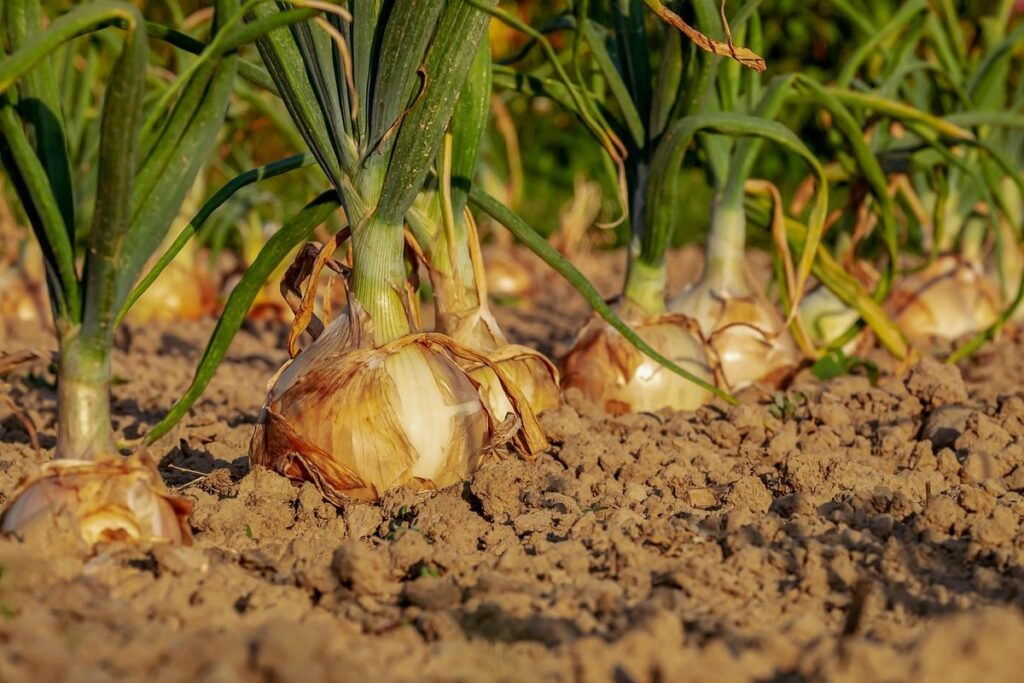
Understanding Onion Thrips
To effectively control onion thrips, it’s essential you understand their life cycle and habits. This knowledge will help you identify and prevent infestations before they spread.
What are Onion Thrips?
Onion thrips are tiny, insects that belong to the family Thripidae. They are one of the most significant pests affecting onion crops worldwide. These tiny insects are only about 1-2 millimeters long and have a distinctive oval-shaped body with six legs.
The life cycle of onion thips typically takes around 30 days to complete, during which time they can produce multiple generations. Adult thrips feed on the sap of onions, causing damage that can lead to reduced yields, stunted growth, and increased susceptibility to diseases. Younger stages of thrips, such as nymphs and eggs, also feed on plant sap but tend to cause more significant damage due to their smaller size and higher feeding rates.
The impact of onion thrips can be devastating, with a single infestation capable of reducing yields by up to 50%. This is because thrips not only weaken the plant but also create an environment conducive to fungal and bacterial diseases.
Identifying Onion Thrips Infestations
Identifying onion thrips infestations can be challenging, but there are several common signs and symptoms to look out for. One of the most noticeable effects is damage to leaves, which may appear as yellowing or stunted growth. In severe cases, entire sections of the plant may become discolored or wilted.
Another key indicator of onion thrips infestation is damage to bulbs. Thrips feed on the sap within the bulb, causing it to become distorted and irregular in shape. This can lead to reduced yields and lower quality onions.
Inspecting your crops regularly is crucial for early detection and management. Look for small, white or yellowish insects with distinctive wings and piercing-sucking mouthparts. Check the underside of leaves, as thrips tend to congregate on these areas.
When inspecting your crop, also keep an eye out for other signs such as silvery streaks or speckling on leaves, which can be indicative of thrip feeding. If you suspect an infestation, carefully monitor your crops and take prompt action to prevent further damage.
Causes and Risk Factors for Onion Thrips Infestations
To effectively control onion thrips, it’s essential to understand what causes infestations and who’s at risk. Let’s explore the common factors that lead to these pesky pests in your onions.
Weather Conditions Favoring Onion Thrip Infestations
When it comes to onion thrips infestations, certain weather conditions can contribute significantly to their spread. Temperature plays a crucial role in the life cycle of onion thrips, with ideal temperatures ranging from 65°F to 85°F (18°C to 30°C). At these temperatures, thrip eggs hatch into nymphs within seven to ten days, which then feed on plant sap.
Humidity is another critical factor. Onion thrips thrive in humid environments, typically above 60%. When the air is damp, they’re more likely to move from one location to another, increasing the risk of infestation. Conversely, dry conditions can slow their movement and spread.
Wind also affects onion thrip populations. Gusts of wind can dislodge adult thrips from plants, allowing them to move to new areas. This is particularly concerning for farmers with large fields or those who rely on neighboring crops as a food source. To mitigate this risk, consider using row covers or other protective measures during windy periods.
To stay ahead of onion thrip infestations, monitor your farm’s weather patterns closely and adjust your management strategies accordingly.
Soil and Crop Management Practices Contributing to Infestation
Poor soil health and inadequate crop rotation can create an environment conducive to onion thrips infestations. These pests thrive in areas with weakened plant defenses, which is often a result of nutrient-depleted soils. Inadequate crop rotation allows thrip populations to build up over time, as the pests develop resistance to pesticides and other control methods.
Excessive use of pesticides can also have unintended consequences. While these chemicals may provide short-term relief from thrip infestations, they can disrupt the balance of beneficial microorganisms in the soil, making it more challenging for plants to defend against pests. This can lead to a cycle of over-reliance on pesticides, further exacerbating the problem.
To mitigate these risks, farmers should focus on building healthy soils through the use of organic amendments and crop rotation practices that promote biodiversity. Regular monitoring of thrip populations and implementation of Integrated Pest Management (IPM) strategies can also help prevent infestations from occurring in the first place. By taking a holistic approach to soil health and management, growers can reduce their reliance on pesticides and create a more balanced ecosystem.
Organic Methods for Onion Thrips Control
If you’re looking for a more environmentally friendly approach to controlling onion thrips, this section explores effective organic methods to keep your crops healthy. From natural sprays to beneficial insects, we’ll cover it all.
Neem Oil and Soap Solution Sprays
When it comes to controlling onion thrip populations, neem oil and soap solution sprays are two highly effective organic methods that can be easily integrated into your gardening routine. These solutions work by disrupting the thrips’ life cycle, preventing them from reproducing and eventually leading to their demise.
Neem oil is derived from the seeds of the neem tree and contains a compound called azadirachtin, which has been shown to inhibit insect growth and development. When used as a spray, it can be applied directly to the affected plants or mixed with water to create a foliar spray that reaches every nook and cranny. To make a soap solution spray, mix 2-3 tablespoons of mild liquid soap (preferably biodegradable) with 1 quart of water and spray it on your onion plants.
These sprays can be used in combination or alternated with other organic methods to ensure the most effective control. For example, you can use neem oil as a preventative measure before thrip populations rise, while switching to soap solution for more severe infestations. By incorporating these solutions into your onion thrips control strategy, you’ll be well on your way to achieving a balanced and healthy ecosystem in your garden.
Horticultural Oil and Pyrethrin Sprays
When it comes to managing onion thrips infestations, horticultural oil and pyrethrin sprays are two effective organic options you can consider. Horticultural oil, also known as white oil, is a refined mineral oil that works by suffocating the thrips, preventing them from feeding and reproducing. It’s most effective when used in combination with other control methods.
To use horticultural oil effectively, mix it with water according to the product label instructions and spray it on the plants when the temperature is below 90°F. Repeat applications may be necessary, but make sure to check for phytotoxicity by spraying a small area first. Pyrethrin sprays, on the other hand, are derived from chrysanthemum flowers and work as a contact and systemic insecticide. They’re generally safer for beneficial insects than horticultural oil but may require more frequent applications.
When choosing between these two options, consider the severity of your onion thrips infestation and the timing of your application. For severe infestations or when control is urgently needed, pyrethrin sprays might be a better choice.
Chemical Control Methods for Onion Thrips
If you’ve tried other methods and still can’t get onion thrips under control, chemical control might be your next best option. In this section, we’ll explore effective chemical methods to eliminate these pesky pests.
Systemic Insecticides: Advantages and Disadvantages
Systemic insecticides have gained popularity in recent years for their ability to control onion thrips populations. These chemicals are absorbed by plants and distributed throughout their tissues, providing long-lasting protection against pests. Two commonly used systemic insecticides are clothianidin and imidacloprid.
The advantages of using systemic insecticides include:
• Long-lasting protection: Systemic insecticides can provide up to 30 days of protection against onion thrips.
• Reduced application frequency: Since these chemicals are absorbed by plants, they reduce the need for frequent applications, which can be time-consuming and labor-intensive.
• Improved efficacy: Systemic insecticides have been shown to be highly effective in controlling onion thrips populations, especially when combined with other control methods.
However, systemic insecticides also have some drawbacks. For example:
• Toxicity concerns: Clothianidin and imidacloprid have raised concerns about their potential impact on beneficial insects, such as bees.
• Resistance development: Overuse or misuse of these chemicals can lead to the development of pesticide-resistant onion thrips populations.
It’s essential to carefully consider the benefits and drawbacks of using systemic insecticides and follow integrated pest management (IPM) strategies to minimize risks. Always read and follow label instructions, and ensure that these chemicals are applied at the correct time and in the right amount to maximize their effectiveness while minimizing potential harm to beneficial insects and the environment.
Foliar Insecticides: Effective Options and Precautions
When it comes to controlling onion thrips using foliar insecticides, several popular options are available. Two of these are spinosad and permethrin. Spinosad is a naturally derived substance that acts as a neurotoxin to the thrip’s nervous system, ultimately leading to their death. Permethrin, on the other hand, affects the thrips’ nervous system by disrupting neurotransmission.
To use these insecticides effectively and safely, it’s crucial to follow some key guidelines. Always read and follow the label instructions carefully before application. Wear protective clothing, including gloves, a mask, and eye protection. Apply the insecticide during calm weather conditions to prevent drift or excessive exposure to neighboring plants.
It’s also vital to choose the right timing for application. Spray when thrips are most active, usually in the morning or late afternoon. Be sure to target all areas of the plant where thrips tend to congregate, such as leaf axils and shoot tips. Regular monitoring is necessary to determine if repeated applications are needed.
Cultural Controls to Prevent Onion Thrips Infestations
To prevent onion thrips infestations, understanding and implementing cultural controls is crucial for maintaining a healthy crop. Let’s explore some essential methods to consider.
Crop Rotation and Soil Preparation
Crop rotation is a crucial cultural control method for preventing onion thrip infestations. This practice involves rotating crops to break the life cycle of pests and diseases that affect onions, including onion thrips. By changing the crop type, you disrupt the thrips’ ability to adapt and reproduce, reducing their population over time.
When planning your crop rotation, consider planting thrip-attractive crops such as beans or peas in areas where onions are typically grown. These crops can serve as a decoy for onion thrips, drawing them away from your onion fields. Alternatively, you can plant thrip-repellent crops like marigold or nasturtium around the perimeter of your onion plots to deter thrips.
Soil preparation is also essential in preventing onion thrip infestations. Test your soil regularly to ensure it has the right pH balance and nutrient levels for optimal onion growth. Onion thrips prefer areas with low nutrient levels, so maintaining a balanced fertilizer program can help reduce their presence. Also, avoid over-tilling or compacting the soil, as this can create ideal conditions for thrips to thrive.
Irrigation Management and Mulching Practices
Proper irrigation management and mulching practices are crucial components of onion thrips control. Irrigation management refers to the careful monitoring and regulation of water supply to onion crops. Excessive watering can lead to moisture stress, making onions more susceptible to thrip infestations. Conversely, drought conditions can weaken onion plants, making them easier prey for thrips.
To manage irrigation effectively, farmers should install soil moisture sensors to monitor soil moisture levels. This allows for precise watering schedules, ensuring that onions receive the right amount of water without excess or deficit. Additionally, mulching around onion plants helps retain moisture in the soil and suppresses weeds that can harbor thrips. Organic mulch like straw or wood chips is particularly effective as it prevents soil-borne pathogens from coming into contact with onion crops.
Mulching also reduces soil temperature fluctuations, which can stress onions and make them more vulnerable to pest attacks. By implementing these simple yet effective irrigation management and mulching practices, farmers can significantly reduce onion thrip populations and promote a healthier onion crop.
Monitoring and Managing Resistance to Onion Thrips Pesticides
If you’re experiencing reduced efficacy from onion thrips pesticides, it’s likely due to resistance – a common issue farmers face. Let’s explore how to monitor and manage this problem effectively.
Regular Monitoring and Sampling
Regular monitoring of onion thrips populations is crucial to effectively manage resistance to pesticides. This involves collecting and analyzing data on pest density, distribution, and other factors that influence their behavior. By doing so, farmers can identify areas where resistance is most likely to occur and take proactive measures.
Sampling should be done at regular intervals throughout the growing season. A combination of visual inspections and trapping methods, such as yellow sticky traps, can help determine the level of infestation and detect early signs of pesticide resistance. For example, if a field shows an increase in thrips populations despite repeated applications of the same pesticide, it may indicate the development of resistant strains.
To accurately monitor onion thrips populations, farmers should follow these steps: set up a grid pattern for sampling, select representative areas within each section of the field, and record data on pest density, species composition, and other relevant factors. This data can then be used to inform management decisions and reduce the risk of pesticide resistance developing.
Integrated Pest Management (IPM) Strategies
Effective IPM strategies combine cultural, biological, and chemical controls to manage onion thrip infestations. A well-planned IPM program reduces the reliance on chemical pesticides, minimizing the development of resistant populations. Start by understanding the life cycle of onion thrips and identifying their preferred habitats within your crop.
For example, adult onion thrips are attracted to yellow flowers and dense foliage, making them more susceptible to control in these areas. Biological controls can be introduced through the release of natural predators such as lady beetles or lacewings that feed on onion thrip larvae. Trichogramma wasps can also be used to target the eggs laid by female onion thrips.
Cultural controls are equally important, and include practices like crop rotation, sanitation, and irrigation management. For instance, rotating your onions with non-host crops breaks the life cycle of onion thrips, while removing weeds and debris reduces their breeding grounds. By implementing a combination of these methods, you can effectively manage onion thrip infestations without over-relying on chemical pesticides. This integrated approach not only protects your crop but also the environment.
Conclusion: Onion Thrips Control Best Practices
In conclusion, controlling onion thrips requires a multi-faceted approach that incorporates integrated pest management (IPM) strategies. To effectively manage onion thrip populations, it’s essential to monitor fields regularly and implement control measures before damage occurs. This may involve introducing beneficial insects, applying targeted pesticides, or using cultural controls such as crop rotation and sanitation. By adopting these best practices, farmers can minimize the economic and environmental impacts of onion thrips infestations.
Implementing a proactive approach to onion thrip management also involves staying informed about regional pest pressure and adapting control methods accordingly. For instance, if you’re located in an area with high populations of beneficial insects that prey on thrips, you may be able to reduce your reliance on chemical controls. By being aware of these factors and making data-driven decisions, you can optimize your onion thrip management strategy for maximum effectiveness.
Frequently Asked Questions
Can I use neem oil sprays for onion thrips control if my crop is near a body of water?
Yes, but be cautious not to contaminate nearby water sources with the spray. Neem oil is generally safe for aquatic life at recommended concentrations. However, it’s essential to follow local regulations and take steps to prevent drift or run-off into waterways. Before applying neem oil sprays near a body of water, ensure you have a good understanding of its use and safety protocols.
How often should I apply horticultural oil sprays for effective onion thrips control?
The frequency of application depends on the severity of infestation and local weather conditions. As a general rule, apply horticultural oil sprays every 7-10 days during peak thrip seasons (usually spring and fall). However, always read the product label and consider factors like temperature, humidity, and rain to avoid over-application or under-application.
What are some signs of onion thrips resistance to pesticides, and how can I monitor it?
Signs of pesticide resistance in onion thrips include reduced efficacy, increased populations despite application, and the presence of resistant strains. Monitor for these indicators by regularly sampling your crop and using integrated pest management (IPM) strategies that combine multiple control methods. Consider consulting with a local extension agent or agronomist to determine the best approach for your specific situation.
Can I use mulching as a standalone method for preventing onion thrips infestations?
Mulching can help deter onion thrips by creating an unfavorable environment and reducing weed competition. However, it’s essential to combine mulching with other cultural controls like crop rotation, sanitation, and monitoring. Mulch alone may not be enough to completely prevent infestations, so consider integrating it into a comprehensive IPM strategy.
How long do systemic insecticides remain effective against onion thrips, and what are their benefits?
Systemic insecticides can provide extended protection (up to several weeks) against onion thrips by being absorbed by the plant. They offer advantages like reduced application frequency and lower labor costs. However, be aware of potential drawbacks like environmental concerns, pesticide resistance development, and residue buildup on edible crops. Always use systemic insecticides judiciously and in accordance with local regulations and best practices.