
Onion downy mildew is a devastating fungal disease that can quickly spread through an entire crop, causing significant financial losses for farmers. As an onion grower or gardener, it’s crucial to know how to identify this disease early on to prevent its spread and save your harvest. But what does onion downy mildew look like, and how do you diagnose it? In this comprehensive guide, we’ll walk you through the causes, symptoms, and diagnostic techniques for identifying onion downy mildew. We’ll also cover management strategies to control the disease and minimize its impact on your crops. By understanding the warning signs of onion downy mildew and taking proactive steps, you can protect your onions from this destructive fungal disease and ensure a healthy yield.
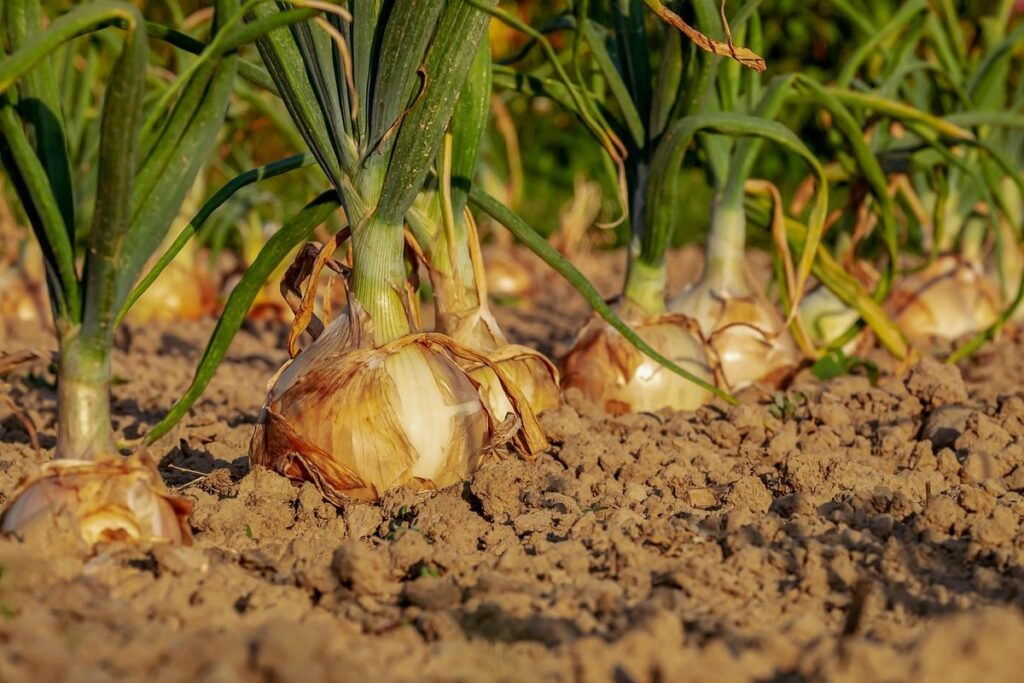
Understanding Onion Downy Mildew
Let’s dive deeper into understanding onion downy mildew, a complex disease that can be challenging to identify and manage. This section will break it down for you.
What is Onion Downy Mildew?
Onion downy mildew is a devastating fungal disease that affects onions worldwide. It’s caused by the Peronospora destructor fungus, which infects onion leaves and can spread quickly through irrigation systems, wind, and contaminated equipment. When an onion plant becomes infected, it may exhibit yellowing or browning of lower leaves, followed by premature senescence and reduced bulb yields.
The disease’s impact on onion production is significant. Onion downy mildew can cause up to 90% yield loss in severely affected fields, leading to substantial economic losses for farmers and traders. The disease also affects the quality of onions, making them less suitable for storage and export. In fact, a single outbreak can disrupt global onion supply chains, affecting not only local but also international trade.
To better understand the severity of this issue, consider that onion downy mildew has been reported in over 40 countries worldwide, with outbreaks occurring regularly in major production regions like Europe, Asia, and the Americas.
Causes and Contributing Factors
Onion downy mildew is a complex disease influenced by a multitude of factors. Environmental conditions play a significant role in its development, with high temperatures and humidity levels creating an ideal breeding ground for the fungus that causes the disease. Warm temperatures above 60°F (15°C) and prolonged periods of wetness can lead to increased susceptibility.
Specific onion varieties are also more prone to downy mildew due to their genetic makeup. Some popular onion types, such as sweet onions and storage onions, are particularly susceptible. Research has shown that certain cultivars, like ‘Texas Grano’ and ‘Granex’, exhibit higher levels of resistance compared to others. Growers can take advantage of this information by selecting varieties less likely to be affected.
Mismanagement practices in the field can also contribute to downy mildew outbreaks. This includes over-irrigation, inadequate crop rotation, and excessive nitrogen fertilization. Growers must maintain a delicate balance between these factors to prevent creating an environment conducive to disease development.
Symptoms and Signs of Onion Downy Mildew Infection
Recognizing the signs of onion downy mildew infection is crucial to taking timely action, so let’s look at the common symptoms that may appear on your infected onions.
Visual Identification of Affected Plants
Infected onion plants often exhibit distinct visual symptoms that can help you identify downy mildew. One of the most common signs is leaf discoloration, which can manifest as yellowing or necrosis. Typically, this begins on lower leaves and progresses upward as the infection spreads. The affected areas may appear to be scorched or have a brownish tint.
Another key indicator is the presence of powdery white growth on the underside of leaves. This fungal growth often resembles a fine powder or cottony tufts and can give the leaves a distinctive appearance. When inspecting your onion plants, gently lift up the leaves to look for these characteristic signs.
It’s also essential to note that infected plants may produce fewer bulbs than healthy ones, which can impact yields. To minimize damage, it’s crucial to catch the infection early by monitoring your plants regularly and taking prompt action if you notice any of these symptoms.
Infected Onion Varieties
When it comes to identifying onion downy mildew infection, it’s essential to recognize that different varieties of onions exhibit unique symptoms. This is crucial for growers to accurately diagnose the issue and implement effective management strategies.
For instance, ‘Yellow Granex’ and ‘Texas Grano’ are two popular onion varieties commonly affected by downy mildew. Infected plants typically develop yellowing or bronzing on their leaves, while others may exhibit a more general decline in overall health. In contrast, ‘Ebenezer’ and ‘Beltsville Bunching’ onions tend to show more subtle symptoms, with infected areas often appearing as smaller, scattered patches of yellow.
To identify infected onion varieties in your field, pay close attention to the characteristic ‘downy mildew growths’ on infected leaves. These growths typically appear as a white or grayish powder or cotton-like substance on the underside of the leaf blades. By recognizing these distinctive signs and comparing them with those exhibited by different onion varieties, you’ll be better equipped to manage downy mildew outbreaks before they spread.
Diagnostic Techniques for Onion Downy Mildew
To effectively diagnose onion downy mildew, you’ll need to be familiar with various diagnostic techniques that help identify the disease. These methods involve observing symptoms and using specialized tools to confirm a diagnosis.
Laboratory Testing and Analysis
Laboratory testing and analysis play a crucial role in confirming the presence of onion downy mildew. Among these methods, PCR (Polymerase Chain Reaction) is a highly sensitive technique used to detect the DNA of the pathogen. This test involves amplifying the genetic material of the fungus, making it possible to identify even small amounts of the pathogen.
Another laboratory method used for diagnosis is ELISA (Enzyme-Linked Immunosorbent Assay), which detects the antibodies produced in response to the infection. This test is often used in conjunction with PCR for accurate identification.
These tests are essential for identifying onion downy mildew, especially when symptoms on the plant are not clear or if there’s a need for precise diagnosis. The results of these tests can be used to inform fungicide application and other management strategies. When interpreting test results, it’s crucial to consider factors such as sample quality, handling procedures, and environmental conditions that may affect accuracy.
For growers, it’s essential to work with certified laboratories that follow strict protocols to ensure the accuracy of test results. By doing so, they can make informed decisions about their crop management strategies and reduce the risk of disease spread.
Field Observations and Sampling Methods
When collecting and examining plant samples in the field to diagnose downy mildew, it’s essential to follow proper procedures to ensure accurate laboratory analysis. Start by selecting healthy and diseased plants to collect leaf tissue samples from the affected area. Use a clean pair of scissors or pruning shears to avoid spreading the disease.
For sampling, take at least three to five leaves from each plant, making sure they’re representative of the overall condition. Avoid collecting yellowed or wilted leaves, as they may not provide accurate results. Store the collected samples in a paper bag or container with a secure lid, and keep them cool but not refrigerated.
When transporting the samples to the laboratory, make sure they’re properly labeled and stored in an upright position to prevent moisture from accumulating. It’s also crucial to record the time of sampling, weather conditions, and any relevant notes about the plant’s condition. This information will be valuable for the laboratory analyst to provide a more accurate diagnosis.
Management Strategies for Onion Downy Mildew Control
Now that you’ve identified onion downy mildew, let’s dive into effective management strategies to prevent its spread and keep your crops healthy. We’ll cover essential practices to control this fungal disease.
Crop Rotation and Soil Preparation
Crop rotation and soil preparation are essential strategies for reducing the risk of onion downy mildew. This fungal disease thrives in specific conditions, making it crucial to create an environment that discourages its growth. To do this, rotate your onion crop to a different area each season. This breaks the disease cycle, allowing the soil to recover and reducing the likelihood of infection.
In addition to crop rotation, prepare your soil by incorporating organic matter such as compost or well-rotted manure. These amendments improve drainage, aeration, and nutrient availability, all of which contribute to healthy onion growth. Avoid over-fertilizing, as excessive nitrogen can exacerbate disease susceptibility. Test your soil regularly to ensure optimal pH levels (around 6.0-7.0) for onion cultivation.
Another critical aspect is proper irrigation management. Excessive moisture promotes the development of downy mildew, so ensure adequate drainage and avoid overhead watering. By implementing these cultural practices, you’ll be well on your way to creating an environment that discourages onion downy mildew growth.
Chemical Controls and Fungicides
When it comes to managing onion downy mildew with chemical controls and fungicides, there are several options available. Systemic products, such as azoxystrobin and trifloxystrobin, are absorbed by the plant’s vascular tissue and provide long-lasting protection against the disease. Non-systemic products, including copper-based compounds like copper oxychloride and copper hydroxide, work on contact to control fungal growth.
However, relying solely on chemical controls can have negative consequences for the environment and human health. Therefore, integrated pest management (IPM) strategies are essential in minimizing the use of chemicals. IPM involves combining physical, cultural, biological, and chemical controls to manage onion downy mildew effectively. This approach includes techniques like crop rotation, sanitation, and monitoring weather conditions.
Some effective fungicides for onion downy mildew control include pyraclostrobin, fluazinam, and azoxystrobin. When using these products, it’s crucial to follow the label instructions carefully and take necessary precautions to avoid harming beneficial microorganisms in the soil. By adopting an IPM approach and selecting the right fungicides for your specific needs, you can reduce chemical use while effectively managing onion downy mildew.
Prevention and Best Practices for Onion Growers
To prevent onion downy mildew, growers must take proactive steps such as implementing crop rotation, monitoring soil moisture levels, and using resistant varieties. Effective prevention strategies can help reduce the risk of infection.
Seasonal Monitoring and Scouting
Regular monitoring and scouting are crucial for onion growers to detect symptoms of onion downy mildew early on. This allows for prompt action to be taken, minimizing the risk of further spread. To identify outbreaks, inspect your crop regularly, checking for yellowing or stunted leaves, as well as a white cottony growth on the underside of leaves.
It’s essential to report any suspected cases to local authorities immediately. They can help determine whether it is indeed onion downy mildew and provide guidance on control measures. Don’t wait until you see extensive damage – early detection enables targeted management strategies that can save your crop from further deterioration.
Keep an eye out for characteristic symptoms in the field, such as lower leaves turning yellow or dying back. If you notice any unusual growths on the underside of the leaves, investigate further by gently lifting the leaves and inspecting the undersides. Reporting outbreaks early not only helps control but also contributes to ongoing research efforts to understand the disease better and develop more effective management techniques for future seasons.
Record Keeping and Adaptation
Maintaining accurate records of onion production, weather conditions, and management practices is crucial for growers to stay ahead of onion downy mildew (ODM). By documenting these factors, you can identify trends and patterns that may indicate the likelihood of an ODM outbreak. For instance, tracking temperature and rainfall data can help you anticipate when the disease is most likely to occur.
Effective record keeping also enables you to evaluate the effectiveness of your management strategies. Have you been applying fungicides regularly? What have been the results? By analyzing these records, you can make informed decisions about adjusting your practices to improve outcomes. For example, if your data shows that certain fungicides are not as effective in controlling ODM, you may need to consider alternative products or methods.
As disease patterns and environmental conditions change over time, adaptability is key. Regular review of your records will allow you to identify areas for improvement and adjust your strategies accordingly. By doing so, you can minimize the impact of ODM on your onion crop and ensure a more sustainable and productive harvest.
Frequently Asked Questions
What are some common mistakes that farmers make when trying to control onion downy mildew?
Failing to identify the disease early on is a common mistake, allowing it to spread quickly through the crop. Other mistakes include using the wrong fungicide or applying it too late in the season, which can reduce its effectiveness.
How often should I scout for onion downy mildew in my fields, and what are some signs that indicate the need for action?
Scout your fields at least once a week during peak growing seasons. Look for yellowing or browning of lower leaves, premature senescence, and reduced bulb yields. If you notice any of these symptoms, take immediate action to prevent further spread.
Can onion downy mildew be completely eradicated from an infected crop, or is it only manageable?
Onion downy mildew can be managed through proper control measures, but complete eradication may not always be possible, especially if the disease has reached advanced stages. Focus on preventing its spread and minimizing losses rather than trying to eliminate the disease entirely.
What are some long-term strategies for reducing onion downy mildew incidence in your fields?
Implementing crop rotation and soil preparation practices can help reduce the risk of onion downy mildew. Choose resistant onion varieties, maintain good sanitation practices, and avoid overwatering to create a less favorable environment for the disease.
Can I use organic or natural methods to control onion downy mildew, or are chemical controls necessary?
While chemical controls are available, many farmers have successfully used organic or natural methods to manage onion downy mildew. These may include applying copper-based fungicides, using neem oil or garlic extract as a foliar spray, and incorporating resistant varieties into their crop rotation plan.