
Are you looking for ways to give your garden an extra boost? If so, you’re in luck! Composting egg shells can be a game-changer. These humble kitchen scraps are packed with calcium, a nutrient that’s essential for healthy plant growth. When added to your compost pile, they help create a rich, well-balanced soil amendment that improves structure, fertility, and crop yields.
In this article, we’ll dive into the benefits of composting egg shells and provide you with practical tips on how to get started. We’ll cover different methods for adding these calcium-rich scraps to your compost, including baking them first. This may sound simple, but it makes all the difference in ensuring that your egg shells break down quickly and evenly. By following our expert advice, you can create a nutrient-dense compost that will give your garden the TLC it deserves.
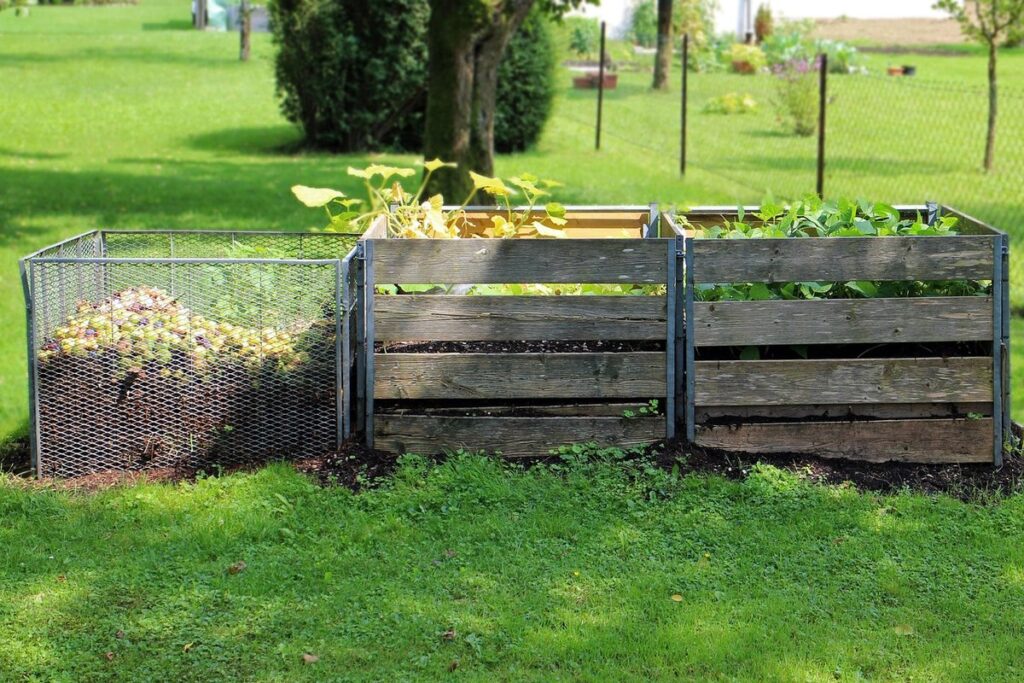
Introduction to Composting Egg Shells
Composting egg shells is a great way to reduce waste and create nutrient-rich soil for your garden, but it’s essential to understand how to bake them first for optimal results. We’ll break down the basics of baking egg shells for composting.
Why Compost Egg Shells?
Composting egg shells is an excellent way to reduce waste, improve soil health, and increase crop yields. When you bake egg shells before composting them, it breaks down the proteins and makes the calcium and phosphorus more available for your plants.
Not only do baked egg shells provide essential nutrients like calcium and phosphorus, but they also help balance the pH levels in your soil. A balanced pH level is crucial for plant growth, as most vegetables prefer a slightly acidic to neutral soil pH. By adding composted egg shells to your garden, you’re creating an ideal environment for your plants to thrive.
In addition to improving soil health, composting egg shells can also help reduce waste. Did you know that in the United States alone, millions of eggs are discarded every year? By composting egg shells, you’re turning a potential waste product into a valuable resource for your garden.
By incorporating baked and composted egg shells into your gardening routine, you’ll be amazed at how they can boost your crop yields.
Brief Overview of the Importance of Organic Matter in Soil
When it comes to maintaining healthy soil structure and fertility, organic matter plays a crucial role. Organic matter, such as decomposed plant and animal residues, acts as a natural glue that holds soil particles together, improving its water-holding capacity and aeration. This, in turn, allows roots to grow deeper and stronger, supporting healthier plants.
Think of it like a sponge: when soil is rich in organic matter, it can absorb and retain more water, reducing the need for frequent watering. Additionally, organic matter provides essential nutrients that plants need to thrive, such as nitrogen, phosphorus, and potassium. These nutrients are slowly released over time, providing a steady supply of food for plants.
For example, a study by the US Department of Agriculture found that soils with high levels of organic matter have better water retention capacity, improved soil structure, and increased crop yields compared to those with low levels of organic matter. To incorporate more organic matter into your soil, you can start by adding composted egg shells (yes, we’ll get to that soon!), but also consider incorporating other organic materials like leaf litter, grass clippings, or manure.
Methods for Collecting and Storing Egg Shells
Now that you’ve learned about the benefits of adding egg shells to your compost, let’s dive into how to collect and store them efficiently. We’ll cover various methods for gathering and storing egg shells for maximum effectiveness.
Strategies for Gathering Egg Shells from Your Kitchen
When it comes to collecting egg shells from your kitchen, efficiency is key. You want to make sure you’re gathering them without creating a mess or disrupting your daily routine. One effective strategy is to designate a specific container for egg shell collection. This could be an old mason jar, a plastic bin, or even a small bucket with a lid.
Place the designated container in a convenient spot near where you usually crack eggs – whether it’s on the countertop or near the fridge. As you collect egg shells throughout the day, simply place them in the container. You can also label the container to remind family members to add their used egg shells.
Another creative approach is repurposing an old jar or container that’s no longer needed for its original purpose. Think of it as upcycling – giving a new life to something you’d otherwise throw away. This method not only reduces waste but also encourages eco-friendly habits in your household.
Tips for Properly Cleaning and Drying Egg Shells
Properly cleaning and drying egg shells before composting them is crucial for maintaining hygiene and preventing contamination. When collecting egg shells from your kitchen, it’s essential to handle them carefully to avoid cross-contamination with bacteria, viruses, or other pathogens.
Before cleaning the egg shells, make sure to wash your hands thoroughly. Then, gently rinse the shells under cold running water to remove any visible debris or food particles. Next, soak the egg shells in a mixture of equal parts water and white vinegar for about 30 minutes. This will help loosen any remaining dirt or residue.
After soaking, scrub the egg shells with a soft-bristled brush to remove any stubborn stains or impurities. Rinse the shells under cold running water until they are free from any soap residue or vinegar smell. Finally, lay the cleaned egg shells flat on a paper towel-lined surface and let them air-dry completely. This may take anywhere from 2-24 hours depending on your local humidity level.
It’s worth noting that thoroughly drying the egg shells before composting is vital to prevent mold growth and keep your compost pile healthy.
The Benefits of Composting Egg Shells
Composting egg shells is not only eco-friendly, but it also provides several benefits for your garden, including improved soil structure and increased calcium levels. Let’s explore these advantages in more detail!
Calcium-Rich Compost: How Egg Shells Enrich Your Soil
When you compost egg shells, you’re not only reducing waste but also creating a valuable resource for your garden. The calcium-rich content of eggshells can make a significant impact on soil health when incorporated into your compost pile.
Here’s how: Calcium helps to counteract acidity in the soil, making it more alkaline-friendly and ideal for plant growth. By adding eggshell calcium to your compost, you’re essentially creating a natural fertilizer that promotes healthy root development and robust plant growth. This can result in increased crop yields and improved resistance to pests and diseases.
To put this into perspective, a study by the University of California found that plants grown in soils with adequate calcium levels had higher yields and better nutritional content compared to those grown in calcium-deficient soils. By composting eggshells, you’re essentially providing your plants with a steady supply of this essential nutrient.
Egg Shell Compost’s Role in Balancing pH Levels
When it comes to composting egg shells, one of the lesser-known benefits is its potential impact on soil pH levels. As you know, most plants have an optimal pH range for growth, and maintaining this balance can be a challenge. That’s where egg shell compost comes into play.
The calcium carbonate present in egg shells helps raise the pH level of your compost pile, which can then be used to adjust the soil pH. This is especially useful for gardeners who deal with acidic soils or need to correct alkalinity issues. For instance, if you’re growing plants like azaleas or rhododendrons that prefer a more acidic environment, adding egg shell compost to their soil will help maintain the desired pH.
When incorporating egg shells into your compost, make sure to balance them with other materials that have an opposite effect on pH levels, such as peat moss or sulfur-rich substances. Aim for a mix of 1 part egg shells to 10 parts compost or soil to achieve optimal results. With this simple technique, you can create a balanced and healthy environment for your plants to thrive in.
Preparing Egg Shells for Composting
Before you start composting those egg shells, it’s essential to prepare them properly to ensure they break down efficiently and don’t contaminate your final product. Let’s get started with the preparation process!
Crushing or Grinding Egg Shells: The Right Size Matters
When it comes to preparing egg shells for composting, crushing or grinding them is an essential step that often gets overlooked. However, the right size of egg shell particles can significantly impact the decomposition process and nutrient release.
You see, whole egg shells are difficult for microorganisms to break down, which slows down the composting process. On the other hand, crushed or ground egg shells provide a larger surface area, allowing microbes to access the calcium carbonate and other nutrients more easily. This facilitates faster decomposition and makes the resulting compost richer in nutrients.
To crush your egg shells effectively, you can use a mortar and pestle, a food processor, or even a rolling pin. Aim for particles that are around 1-2 mm in size – this will give microbes enough room to work their magic without making the compost too powdery.
Mixing Egg Shells with Other Compost Materials
When it’s time to mix egg shells with other compost materials, you’ll want to aim for a balanced blend of “green” and “brown” components. Green waste, such as food scraps, grass clippings, or fresh manure, is rich in nitrogen but may lack carbon. Brown materials like dried leaves, straw, or shredded newspaper provide carbon but often have lower nitrogen levels.
To create an effective mix, aim for a ratio of 2/3 brown materials to 1/3 green waste. For example, you could add 10 pounds of dry leaves to 5 pounds of egg shells and 5 pounds of fresh manure. This balance will help regulate temperatures and speed up the decomposition process.
Remember that certain materials can inhibit or accelerate composting. Avoid adding meat, dairy, or oily foods as they can attract pests and create unpleasant odors. On the other hand, you can safely include coffee grounds, tea bags, and wood ash to enhance nutrient levels. By combining egg shells with these complementary materials, you’ll be well on your way to creating a rich, fertile compost for your garden.
Composting Process for Egg Shells
Now that we’ve covered why baking eggshells is a great idea, let’s dive into the composting process itself to turn them into nutrient-rich soil. We’ll walk you through each step.
Understanding Decomposition Stages and Timescales
Composting egg shells involves several stages of decomposition. In general, organic matter like food scraps and yard trimmings breaks down into five distinct phases: the initial leaching stage, where excess water is removed; the mesophilic phase, characterized by relatively cool temperatures and slow microbial activity; the thermophilic phase, marked by high temperatures and rapid decomposition; the final maturation stage, during which carbon-to-nitrogen ratios are balanced; and the curing or stabilization stage, where pathogens are eliminated.
When it comes to egg shells specifically, they tend to break down more quickly than larger organic materials due to their smaller size. This means that composting processes can often bypass certain stages entirely. For example, because egg shells lack significant amounts of nitrogen, they won’t require a mesophilic phase like other compost materials would. Instead, they’ll usually transition directly from the leaching stage into the thermophilic phase, where microorganisms rapidly consume and break down the calcium carbonate within the shells.
In a typical decomposition timeline for baked egg shells, you might expect to see noticeable changes in 7-10 days, with significant progress by the 2-week mark.
Maintaining Optimal Moisture Levels During Composting
Maintaining optimal moisture levels is crucial during composting, as it affects the decomposition process and the overall quality of the finished compost. When composting egg shells baked in a low-temperature oven (around 300°F), they become more brittle and prone to breaking down quickly. To ensure efficient breakdown, maintain a moisture level between 50-60%. Too little moisture can cause the compost to dry out and inhibit microbial activity, while too much can lead to anaerobic conditions and unpleasant odors.
To monitor moisture levels, check the compost pile regularly by inserting your hand into the center of the pile. If it feels dry or crumbly, add a small amount of water. Conversely, if it’s excessively damp or soggy, aerate the pile by turning it to improve airflow. A good rule of thumb is to maintain a consistency similar to a damp sponge.
During hot composting (active decomposition), aim for a higher moisture level around 60-70%. This will facilitate faster breakdown and heat generation within the pile.
Troubleshooting Common Issues with Composting Egg Shells
Sometimes your compost pile can get a bit wonky, and egg shells are at the center of it all. Let’s address some common problems that might be arising from adding baked egg shells to your compost mix.
Identifying Potential Problems: Overabundance of Calcium or Too Little Decomposition
When composting egg shells baked at home, you may encounter some potential problems that can impact the quality of your finished compost. One common issue is an overabundance of calcium content. This occurs when you add too many egg shells to your compost pile or bin, resulting in a calcium-rich compost that may not be suitable for all plants.
For example, if your soil test reveals high levels of calcium, it can lead to nutrient imbalances and even harm some plant species. To avoid this issue, it’s essential to balance the number of egg shells you add with other “green” materials like food scraps or grass clippings. Aim to include about 10-20% egg shells in your compost mix.
Another potential problem is insufficient decomposition. If your egg shells are not broken down sufficiently before adding them to your compost, they may not fully decompose and can create problems in your garden. To ensure proper decomposition, make sure to chop or crush the egg shells into smaller pieces and add them to your compost pile in moderation. This will help them break down more efficiently and reduce the risk of creating a calcium-rich compost that’s difficult to use.
Tips for Improving the Quality and Speed of Compost
When it comes to composting egg shells baked, there are some common issues that can arise. Here’s what you can do to improve the quality and speed of your compost.
To achieve optimal results, maintain a balance between “green” materials (like food scraps) and “brown” materials (like dried leaves or shredded newspaper). Aim for a mix of 2/3 brown materials and 1/3 green materials. This balance will help regulate moisture levels and prevent odors. For instance, if you add too many egg shells, they may become the dominant material, leading to an overabundance of calcium that can slow down the composting process.
To speed up the composting process, ensure that your pile is receiving adequate oxygen. You can do this by turning your compost regularly or using a pitchfork to loosen it every few days. Also, maintain consistent moisture levels, but not too much – aim for a damp sponge-like consistency. This will help microorganisms break down materials efficiently.
Conclusion and Final Thoughts
Now that you’ve learned how to compost egg shells, let’s summarize what we’ve covered so far and offer some final tips for success.
Recap of Key Takeaways
To summarize the key takeaways from this comprehensive guide to composting egg shells baked, let’s revisit the essential points. Composting egg shells is a simple yet effective way to reduce waste and create a nutrient-rich soil amendment for your garden.
Firstly, it’s crucial to note that egg shells can be added to the compost pile at various stages of decomposition. If you’re new to composting, start by adding crushed or whole egg shells to the “brown” layer of your compost bin, which is typically made up of dry leaves, straw, and other carbon-rich materials.
Another key point to remember is that egg shells should be crushed or broken down into smaller pieces before being added to the compost. This helps speed up the decomposition process and ensures the calcium content is evenly distributed throughout the compost. To achieve this, you can simply place the egg shells in a blender or food processor and blend them until they’re finely chopped.
When it comes to incorporating baked egg shells into your garden, remember that they’re not only beneficial for improving soil structure but also provide essential nutrients like calcium and magnesium. Aim to add 1-2 cups of crushed egg shells per square foot of planting area to promote healthy root growth and overall plant development.
Finally, don’t forget that composting egg shells is an ongoing process that requires patience and regular maintenance. Ensure you’re regularly turning the compost pile to speed up decomposition and monitor moisture levels to prevent anaerobic conditions from developing. By following these tips and guidelines, you’ll be well on your way to creating a nutrient-rich soil amendment that will take your garden to the next level.
Frequently Asked Questions
What is the ideal ratio of egg shells to other compost materials?
The ideal ratio can vary depending on your specific composting needs, but a general rule of thumb is to mix 1 part crushed egg shells with 2-3 parts “green” materials like vegetable scraps or grass clippings. This balance helps create a nutrient-rich compost that’s well-balanced in carbon and nitrogen.
Can I add too much calcium from egg shells, potentially harming my plants?
Yes, if you’re adding an excessive amount of crushed egg shells to your compost pile, it can lead to an overabundance of calcium. This might cause imbalances in the soil pH or even damage plant roots. To avoid this, make sure to balance the ratio of egg shells with other materials and monitor your compost’s progress.
How long does it take for baked egg shells to break down completely in my compost?
The breakdown process can vary depending on factors like temperature, moisture, and oxygen levels within your compost pile. Generally, crushed or ground egg shells will start to decompose within 1-3 months. After 6-12 months, they should be fully broken down into a nutrient-rich soil amendment.
Can I use egg shell-based compost in containers or raised beds?
Yes, the calcium-rich compost created from baking egg shells can be used to fertilize container gardens and raised beds just as effectively as it would in traditional garden soil. Just make sure to mix it well with other potting materials or topsoil to maintain optimal nutrient distribution.
What if I don’t have an outdoor space for a large compost pile? Can I still benefit from egg shell-based compost?
Yes, you can still enjoy the benefits of egg shell compost even without a dedicated outdoor composting area. Consider using a small-scale indoor compost bin or a vermicomposting system to break down your egg shells and other kitchen scraps. These compact setups are perfect for urban gardeners or those with limited space.