
Are you tired of tossing those tough broccoli stalks in the trash, only to see them end up as waste? Think again! Composting broccoli stalks is not just a great way to reduce food waste, but it’s also an excellent opportunity to create nutrient-rich compost for your garden. With the right approach, you can turn these often-discarded vegetable scraps into a valuable resource that will supercharge your plants’ growth and maximize their potential.
Many gardeners overlook broccoli stalks when it comes to composting, but they’re actually a treasure trove of nutrients. Rich in carbon and fiber, they help balance out nitrogen-heavy materials like kitchen scraps and grass clippings. By learning how to efficiently break down these stalks and maintaining the perfect carbon-to-nitrogen ratio, you’ll be well on your way to creating a thriving compost pile that will take your garden to the next level. In this comprehensive guide, we’ll debunk common myths and share expert tips for turning broccoli stalks into the ultimate gardening superfood.
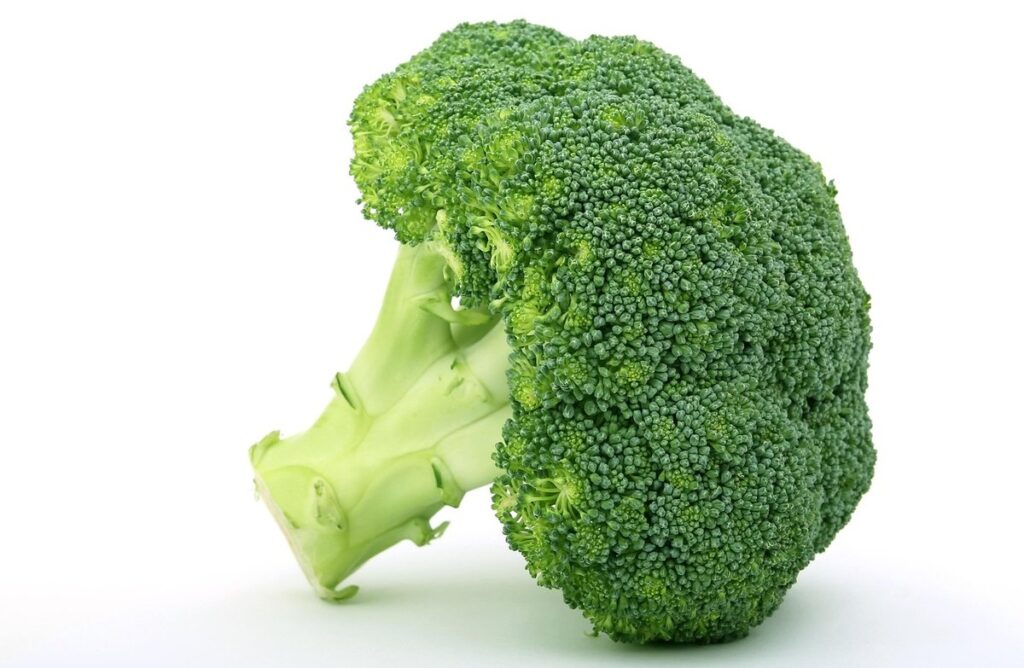
What Are Broccoli Stalks and Why Should I Compost Them?
When it comes to composting broccoli stalks, understanding what they are and why you should save them is crucial for a successful compost pile. Let’s dive into what these often-overlooked stalks have to offer.
The Value of Broccoli Stalks in Compost
Broccoli stalks are often discarded after harvesting, but they hold significant value for gardeners looking to enrich their compost piles. These nutrient-rich additions can bring a wealth of benefits to your soil, making them an essential component of any composting routine.
Not only do broccoli stalks add bulk and structure to your compost pile, but they also contribute substantial amounts of carbon, a crucial element in creating a balanced compost mix. Carbon-rich materials like broccoli stalks help regulate moisture levels, reducing the risk of anaerobic conditions that can lead to unpleasant odors and slowed decomposition.
When adding broccoli stalks to your compost pile, be sure to chop them into smaller pieces to increase their surface area. This will allow for more efficient breakdown and integration with other materials in the pile. Aim to balance broccoli stalks with a 2:1 or 3:1 ratio of carbon-rich materials to nitrogen-rich “green” ingredients, like food scraps or grass clippings. By incorporating broccoli stalks into your compost mix, you’ll be creating a nutrient-dense soil amendment that will give your garden the boost it needs to thrive.
How to Identify Broccoli Stalks for Composting
When it comes to composting broccoli stalks, it’s essential to know which parts are safe for composting and which should be discarded. The edible parts of the broccoli plant, such as the florets and leaves, can be easily identified by their tender texture and vibrant green color.
However, not all parts of the broccoli plant are suitable for composting. The stalks themselves are rich in cellulose, a type of fiber that is difficult for most microorganisms to break down. While they may seem like a great addition to your compost pile, too much broccoli stalk material can actually harm your compost by creating an imbalance of carbon-rich materials.
To identify the parts of the broccoli plant that should be discarded, look for woody or fibrous stems, as well as any tough, inedible stalks. These should be removed from the edible parts and set aside for disposal. By separating these inedible parts from the rest of the compost pile, you’ll ensure that your finished compost is nutrient-rich and free of unwanted fibers.
Common Myths About Composting Broccoli Stalks
Composting broccoli stalks is often met with skepticism due to common myths about their impact on compost quality. One of the most prevalent misconceptions is that adding broccoli stalks will attract pests and create odors in the compost pile. However, this couldn’t be further from the truth.
In reality, broccoli stalks are rich in carbon and act as a bulking agent, helping to improve airflow within the compost pile. This reduces the likelihood of pests being attracted to the area. Additionally, the high fiber content in broccoli stalks actually helps to absorb excess moisture, minimizing odors and creating an environment that’s less hospitable to pests.
Another myth is that broccoli stalks are too woody for composting. While it’s true that they may take longer to break down than other vegetable scraps, this doesn’t mean they’re not beneficial additions to your compost pile. In fact, the slow decomposition rate of broccoli stalks can help to stabilize the carbon-to-nitrogen ratio in your compost, ensuring a balanced and nutrient-rich end product.
Preparing Broccoli Stalks for Composting
Before adding broccoli stalks to your compost pile, you need to prepare them by breaking them down into smaller pieces and removing any tough or woody parts. This process is crucial for efficient decomposition.
Cutting and Chopping Broccoli Stalks
Cutting and chopping broccoli stalks efficiently is crucial for effective composting. To do this properly, start by cutting the stalks into smaller pieces, about 2-3 inches long. This will help to increase their surface area, allowing for better decomposition.
Next, chop the cut stalks into even finer pieces, similar to confetti or small shreds. Aim for a uniform size to ensure that all parts of the broccoli break down evenly in your compost pile. You can use a sharp knife or gardening tool specifically designed for chopping vegetables to make this process easier and faster.
When chopping, try to maintain a balance between too fine and too coarse pieces. If they’re too small, they might get lost in the compost mix, while large chunks may take longer to decompose. Aim for a mix of slightly larger shreds and finer confetti-style pieces to create an ideal environment for decomposition. This will help your broccoli stalks break down quickly and efficiently, turning them into nutrient-rich compost for your garden.
Removing Inedible Parts from Broccoli Stalks
When removing inedible parts from broccoli stalks for composting, it’s essential to do so correctly. These parts can hinder the breakdown process if left intact, potentially leading to odors and attracting pests.
Start by trimming off any tough, fibrous ends of the stalk. These areas tend to be woody and won’t break down easily in your compost pile. Next, remove any wilted or discolored sections, as these may contain pathogens that can harm your plants when they’re finished composting.
It’s also crucial to take out the central stem, which is usually hollow and fibrous. While it might seem like a waste, this part will not break down efficiently in your compost pile and could even create anaerobic conditions if left behind.
By removing these parts, you’ll be creating an environment that encourages optimal decomposition and minimizes potential problems with your compost pile.
Creating a Balanced Broccoli Stalk Mix
When adding broccoli stalks to your compost, it’s essential to balance the carbon-to-nitrogen (C:N) ratio. This is because broccoli stalks are high in nitrogen, which can lead to a process called “burning” if not balanced with sufficient carbon-rich materials.
To achieve this balance, start by collecting a mix of carbon-rich and nitrogen-rich materials. For every 2-3 cups of chopped broccoli stalks (high in nitrogen), add 1 cup of dry leaves, shredded newspaper, or coconut coir (rich in carbon). You can also include other high-carbon materials like straw or hay.
Consider the following example: if you’re adding a large quantity of broccoli stalks to your compost pile, balance it with an equal amount of dry leaves. Conversely, if you’re only adding a small amount of broccoli stalks, balance it with more carbon-rich materials.
A general rule of thumb is to aim for a C:N ratio between 20:1 and 30:1 when composting broccoli stalks. This will help you avoid burning and create a balanced compost pile that’s perfect for your garden. By following these guidelines, you’ll be well on your way to turning those often discarded broccoli stalks into nutrient-rich gold.
Setting Up Your Compost Pile for Broccoli Stalks
When it comes to composting broccoli stalks, setting up your pile is crucial to ensure they break down efficiently and don’t attract pests. Let’s dive into the essential steps for creating a perfect composting environment.
Choosing the Right Compost Bin or Location
When it comes to composting broccoli stalks, having the right equipment and location is crucial for efficient decomposition. As you start setting up your pile, consider the type of bin you need and where it should be placed.
For a small-scale operation, a compact bin or a corner of your garden can suffice. However, if you plan on composting large quantities, invest in a larger bin with good ventilation to prevent odors. You’ll also want to ensure easy access for regular turning and maintenance.
Consider the location’s proximity to a water source, as regular watering is essential for decomposition. Ideally, place your bin near a shaded area or under a tree to maintain a consistent temperature between 130-140°F (54-60°C). Avoid placing it near pets or children to prevent accidents.
Ultimately, the key to successful composting lies in balance – between carbon-rich ‘brown’ materials and nitrogen-rich ‘green’ ones. Ensure your bin has enough room for both types of materials to decompose harmoniously. With a well-chosen location and equipment, you’ll be on track to turning broccoli stalks into nutrient-rich gold for your garden.
Layering Techniques for Efficient Breakdown
When layering broccoli stalks in your compost pile, it’s essential to use techniques that promote efficient breakdown. A well-layered pile will help speed up the decomposition process and minimize unpleasant odors.
To start, place a 4-6 inch layer of “green” materials at the bottom of your pile. These can include fresh grass clippings, kitchen scraps, or manure from herbivores. This green layer provides nutrients for microorganisms to feed on as they break down the broccoli stalks. Next, add a layer of brown materials like dried leaves, straw, or shredded newspaper. Brown materials help absorb excess moisture and provide carbon-rich nutrients.
Now it’s time to add your broccoli stalks. Break them up into smaller pieces to increase their surface area for decomposition. Place them in the center of the pile, surrounded by another layer of green materials. Repeat this process, alternating between green and brown layers, until you reach the top of your pile. As a general rule, aim for a 2/3 carbon-rich (brown) material and 1/3 nitrogen-rich (green) material ratio to create an ideal composting environment.
By following these layering techniques, you’ll be able to break down broccoli stalks efficiently and create nutrient-rich compost for your garden.
The Science Behind Composting Broccoli Stalks
Now that we’ve covered the basics, let’s dive into the fascinating science behind breaking down broccoli stalks into nutrient-rich compost. We’ll explore what makes them unique and how to optimize their transformation.
Microbial Breakdown of Fiber-Rich Materials
Microbes play a vital role in breaking down the complex fibers found in broccoli stalks. These microorganisms, such as bacteria and fungi, feed on the cellulose and hemicellulose present in plant cell walls. This process of decomposition is facilitated by the right combination of oxygen, moisture, and nutrients.
During composting, microbes break down the lignin component, which gives plants their structure and rigidity. The breakdown products, including volatile organic compounds (VOCs) and carbon dioxide, are released into the atmosphere. Some VOCs can be odorous or even toxic, but they’re an essential byproduct of microbial activity.
When composting broccoli stalks, maintain a balance between moisture, oxygen, and nutrients to encourage healthy microbial growth. Aim for a mix that’s 2/3 “brown” materials (dried leaves, straw) and 1/3 “green” materials (broccoli stalks, kitchen scraps). This ratio supports the proliferation of beneficial microbes while minimizing pathogens.
By understanding how microbes contribute to fiber breakdown, you can optimize your composting process for faster, more efficient results.
Oxygenation and Water Requirements for Breakdown
When composting broccoli stalks, maintaining optimal oxygen and water levels is crucial for effective decomposition. Oxygenation plays a vital role in breaking down complex organic matter like broccoli stalks into nutrient-rich compost.
Ensure adequate airflow by mixing the pile regularly to prevent anaerobic conditions that can lead to unpleasant odors and reduced compost quality. A good rule of thumb is to turn the pile every 7-10 days, depending on its size and moisture levels. This will also help speed up the decomposition process.
In terms of water requirements, broccoli stalks have a relatively high water content, but they still need adequate moisture for optimal breakdown. Aim for a mix that’s about 50-60% moisture, with the ideal being around 55%. If the pile feels dry to the touch or cracks appear when compressed, it may be too dry and requires additional water.
Avoid overwatering as this can lead to anaerobic conditions and potentially harm microorganisms. Monitor your compost pile regularly and adjust its moisture levels accordingly. A simple way to check is by stepping on the pile; if it feels damp but not soggy, you’re on the right track.
Challenges and Troubleshooting Your Broccoli Stalk Compost
Don’t let your broccoli stalk compost go sour! This section tackles common issues you may encounter, from moldy messes to inadequate decomposition.
Common Issues with Broccoli Stalk Composting
When it comes to composting broccoli stalks, some common issues can arise that may hinder the process. One of the primary concerns is unpleasant odors emanating from the pile. This is often a sign that the carbon-to-nitrogen ratio is off balance, or there’s an excess of nitrogen-rich materials like food scraps.
To identify and address this issue, monitor your compost pile regularly for strong smells. If you notice a pungent odor, it may be due to anaerobic conditions – where oxygen is lacking within the pile. This can be caused by over-bundling or too many nitrogen-rich materials.
Another common problem with broccoli stalk composting is pest infestation. Slugs, snails, and rodents are attracted to the moist environment of a compost pile, especially if it’s not managed properly. To prevent pests, maintain good ventilation within your pile, and ensure that it’s located in an area with adequate drainage.
To rectify these issues, implement strategies like adding more carbon-rich materials (like leaves or straw) to balance out the nitrogen levels, and maintaining a consistent moisture level throughout the pile. By being mindful of potential problems and taking proactive measures, you can successfully compost your broccoli stalks and create nutrient-rich soil for your garden.
Strategies for Overcoming Obstacles
When unexpected challenges arise during your broccoli stalk composting journey, don’t worry – they’re not uncommon. A common issue is an excess of moisture, which can lead to mold and unpleasant odors. To overcome this hurdle, ensure you’re maintaining a balance between brown and green materials in your compost pile. Aim for a mix of 2/3 “brown” materials (dried leaves, straw) and 1/3 “green” materials (broccoli stalks, grass clippings). This balance helps regulate moisture levels.
Another challenge is attracting pests to your compost. Broccoli stalks can attract unwanted critters like rodents or flies. To deter them, consider adding a physical barrier around your compost pile or using repellents like hot peppers or citrus peels. Regularly turning the pile will also help disrupt pest habitats.
In addition, some broccoli stalks may be too woody for easy breakdown. To overcome this obstacle, chop them into smaller pieces before adding to your compost or use a chipper/shredder to break down larger stalks. This allows microorganisms to access more surface area, speeding up the decomposition process.
Conclusion: Maximizing the Benefits of Composted Broccoli Stalks
Now that you’ve mastered the art of composting broccoli stalks, let’s summarize how to maximize their benefits and turn them into a valuable resource for your garden.
The Rewards of Turning Food Waste into Gold
As you’ve made it through this comprehensive guide on composting broccoli stalks, we’re now at the rewarding part – reflecting on the benefits of turning what was once considered waste into a treasure trove of nutrients. By diverting these often-discarded stalks from landfills and putting them to use in your garden, you’re not only reducing waste but also creating a rich source of fertilizer.
This nutrient-rich compost is perfect for adding an extra boost to your plants’ growth and development. Imagine growing healthier, stronger broccoli heads that are bursting with flavor – it’s all thanks to the hard work of turning what was once trash into treasure! The rewards go beyond just a bountiful harvest; by composting broccoli stalks, you’re also reducing the environmental impact of food waste.
As you continue to compost and tend to your garden, remember that every small step counts. By embracing this simple yet impactful habit, you’re contributing to a more sustainable future for generations to come. So go ahead, get creative with your compost pile, and watch as your broccoli stalks transform into gold – a true testament to the power of turning waste into wealth!
Final Tips and Recommendations for Continuous Improvement
As you’ve now mastered the art of composting broccoli stalks and are reaping the rewards, it’s time to think about how you can continue to improve and maximize your benefits. Here are some final tips and recommendations for continuous improvement:
One key area to focus on is regular monitoring of your compost pile’s temperature and moisture levels. This will help you identify any potential issues before they become major problems. For example, if your pile gets too hot, it can lead to the loss of nutrients and create unpleasant odors.
Another important consideration is maintaining a balanced carbon-to-nitrogen ratio in your compost pile. Aim for a mix that’s about 2/3 “brown” materials (dried leaves, straw, etc.) and 1/3 “green” materials (food scraps, grass clippings, etc.). This will ensure that your compost breaks down efficiently and effectively.
Additionally, don’t be afraid to get creative with your composting process. Experiment with different combinations of materials, such as adding a layer of finished compost at the bottom of your pile or using a compost turner to speed up the breakdown process. By continuously adapting and refining your approach, you’ll be able to produce high-quality compost that will enrich your soil for years to come.
Frequently Asked Questions
Can I compost broccoli stalks even if they’re past their freshness date?
Yes, you can still compost broccoli stalks even if they’re not suitable for eating anymore. In fact, older stalks are often easier to break down because the cell structure is already starting to degrade. Just be sure to chop them up finely before adding them to your compost pile to ensure efficient decomposition.
How long will it take for broccoli stalks to fully break down in my compost?
The breakdown time for broccoli stalks depends on various factors, such as temperature, moisture, and the overall carbon-to-nitrogen ratio of your compost. Generally, you can expect it to take anywhere from 2-6 months for them to fully decompose. Regular turning and monitoring of your compost pile will help speed up this process.
What’s the ideal particle size for chopping broccoli stalks before adding them to my compost?
Cutting broccoli stalks into smaller pieces, about 1-2 inches in length, is a good starting point. This size allows for efficient decomposition while minimizing the risk of attracting pests or creating anaerobic conditions. As your compost pile breaks down, you can continue to chop and mix the contents to maintain an ideal balance.
Can I add broccoli stalks to my worm composting bin?
Yes, you can add broccoli stalks to your worm composting bin, but be sure to follow proper guidelines for adding new materials. Worms prefer a balanced diet with equal amounts of green (nitrogen-rich) and brown (carbon-rich) materials. Chop the broccoli stalks finely before adding them, as this will help worms easily break down the cellulose.
How do I know if my compost pile is too wet or too dry for effective decomposition?
Monitor your compost pile’s moisture levels by performing a squeeze test: when you compress a handful of compost, it should form a tight ball that crumbles easily when released. If it falls apart too quickly, your pile may be too wet; if it doesn’t fall apart at all, it may be too dry. Adjust the moisture levels accordingly to ensure optimal decomposition conditions for broccoli stalks and other materials.