
Are you tired of reaching for over-the-counter medication every time you feel the first sniffles of a cold coming on? You’re not alone. As it turns out, there’s an ancient remedy that’s been buzzing with buzz about its natural healing powers: raw honey. For centuries, people have relied on this sweet substance to soothe sore throats and calm congested sinuses. But what makes raw honey so special, and how can you harness its antimicrobial properties for your next cold? In this article, we’ll explore the historical use of raw honey as a natural remedy, debunk common myths about using it safely, and show you exactly how to get the most out of its medicinal benefits. From cough syrup substitutes to sore throat soothsers, let’s uncover the truth behind raw honey’s incredible healing powers.
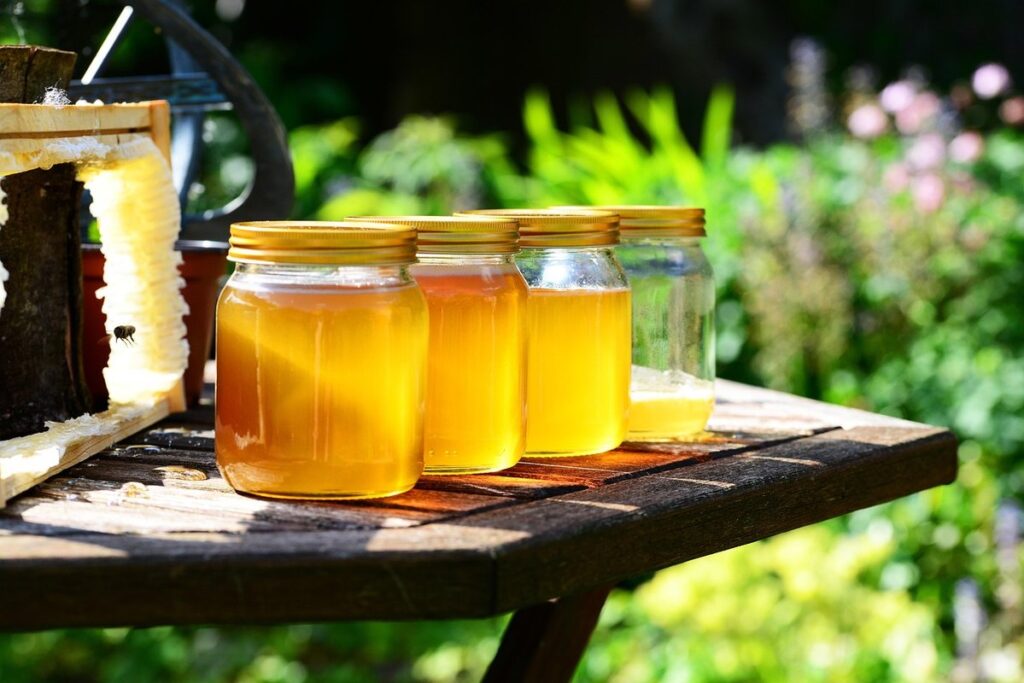
Understanding the Power of Raw Honey
Raw honey has been touted as a natural remedy for colds and flu, but what sets it apart from regular honey? Let’s dive into the unique properties that make raw honey so effective.
The Antimicrobial Properties of Raw Honey
Raw honey has been used for centuries to combat colds and flu, but what makes it so effective? The answer lies in its unique antimicrobial properties. Research has shown that raw honey contains a number of compounds with antibacterial, antiviral, and antifungal capabilities.
One key compound responsible for these effects is methylglyoxal (MGO), a potent antimicrobial agent found in high concentrations in Manuka honey. Studies have demonstrated that MGO can inhibit the growth of several cold-causing pathogens, including Streptococcus pneumoniae and Haemophilus influenzae. By consuming raw honey with high MGO levels, you can help combat these infections and alleviate symptoms.
Raw honey also contains hydrogen peroxide, which has been shown to exhibit antiviral properties. This combination of antimicrobial compounds makes raw honey an effective natural remedy for colds and flu. To get the most out of your raw honey, look for products with high MGO levels (at least 250 mg/kg) and consume it straight from the spoon or mix into warm tea for a soothing cough syrup.
By harnessing the power of raw honey’s antimicrobial properties, you can naturally combat cold-causing pathogens and take steps towards a healthier winter.
History and Tradition of Using Raw Honey for Cold Relief
For centuries, raw honey has been cherished for its remarkable health benefits, particularly when it comes to soothing colds and respiratory issues. The ancient Greeks were among the first to harness the power of honey as a natural remedy, using it to treat coughs and sore throats. In traditional Chinese medicine, raw honey is often combined with other herbs and spices to create potent teas that calm irritated airways.
In many cultures, folk remedies have been passed down through generations, showcasing the versatility of raw honey in addressing various health concerns. For instance, in some African traditions, a mixture of raw honey and lemon juice is believed to help loosen mucus and promote easier breathing. Similarly, in India, raw honey is often used as an ingredient in homemade cough syrups.
The significance of using raw honey for cold relief can be attributed to its unique composition. Rich in antimicrobial properties and with a low water content, raw honey makes it an effective natural preservative that inhibits the growth of bacteria and viruses, thus alleviating congestion and reducing inflammation. By incorporating raw honey into your daily routine, you can tap into this centuries-old wisdom and harness its restorative powers to alleviate cold symptoms.
The Science Behind Raw Honey’s Cold-Fighting Abilities
Raw honey has been a long-standing remedy for colds, but what makes it so effective at fighting off infections? We’ll dive into the science behind its impressive immune-boosting properties.
How Raw Honey Interferes with Pathogen Growth
Raw honey’s acidity and pH level play a crucial role in inhibiting the growth of pathogens like bacteria and viruses that cause colds. Research has shown that raw honey contains an antimicrobial compound called methylglyoxal (MGO), which is responsible for its antibacterial properties. A study published in the Journal of Apitherapy found that MGO inhibited the growth of Staphylococcus aureus, a common bacteria that causes respiratory infections.
Raw honey’s pH level also makes it an inhospitable environment for pathogens to thrive. Its slightly acidic nature (pH 3.2-4.5) disrupts the cell membranes of bacteria and viruses, ultimately leading to their death. For instance, a study published in the Journal of Food Science found that raw honey killed off E. coli and Salmonella bacteria within minutes of exposure.
To harness the antimicrobial properties of raw honey, try consuming it straight from the spoon or mix it with warm water to create a soothing drink. When choosing raw honey, opt for a product that contains at least 250 MGO to ensure its antimicrobial efficacy. By incorporating raw honey into your cold-fighting routine, you can boost your immune system and reduce the severity of symptoms.
Raw Honey’s Ability to Soothe a Sore Throat
Raw honey’s ability to soothe a sore throat is largely due to its mucolytic properties. These properties enable it to break down mucus and reduce inflammation in the throat, making it an effective treatment for sore throats associated with colds.
When you consume raw honey, its enzymes start breaking down the complex sugars found in mucus. This process makes it easier for your body to expel excess mucus from the throat, providing instant relief. The anti-inflammatory properties of raw honey also help reduce swelling and pain in the affected area.
One study published in the European Review for Medical and Pharmacological Sciences found that a combination of raw honey and warm water was significantly more effective at reducing sore throat symptoms than a common over-the-counter medication. To use raw honey for sore throats, try mixing 1-2 tablespoons with warm water or tea and gargling several times throughout the day. This can help loosen mucus and reduce discomfort in as little as 10 minutes.
Using Raw Honey as a Natural Cold Remedy
Now that you’ve learned how raw honey can soothe a sore throat, let’s dive into using it as a natural cold remedy to ease congestion and coughs.
Preparing Raw Honey for Consumption
When it comes to using raw honey as a natural cold remedy, selecting high-quality honey is essential. Look for honey that is labeled as “raw,” “unfiltered,” and “100% pure.” This type of honey has not been heated or processed, which helps preserve its natural antibacterial properties.
To prepare raw honey for consumption, you can dilute it with warm water to make a soothing drink. Mix 1-2 teaspoons of raw honey with 8 ounces of warm water, and stir well. You can also add a squeeze of fresh lemon juice for extra flavor.
Another way to use raw honey is as a natural cough syrup. Combine equal parts raw honey and apple cider vinegar in a small bowl. Heat the mixture gently until the honey dissolves, creating a smooth, syrupy consistency. This concoction can help soothe a sore throat and calm coughs. Remember to always choose high-quality ingredients and follow proper food safety guidelines when preparing your own natural remedies.
Incorporating Raw Honey into Your Cold-Fighting Routine
Incorporating raw honey into your daily routine can be a simple yet effective way to fight off colds. The key is to use it at the right time – ideally, as soon as you start feeling symptoms or as a preventative measure during peak cold season.
Start by adding a spoonful of raw honey to your tea or coffee each morning. This not only adds a touch of sweetness but also provides an immune-boosting kickstart to your day. You can also try mixing it with warm water and lemon juice for a soothing drink that’ll help loosen up congestion.
Another way to incorporate raw honey is by using it as a cough syrup replacement. Mix 1-2 tablespoons of raw honey with 8 ounces of water or herbal tea to create a soothing, non-irritating mixture that’ll calm even the most persistent coughs. Take this drink at bedtime to help you sleep better and recover faster.
Remember, consistency is key when using raw honey as a cold remedy. Aim to take it regularly throughout the day, especially during peak cold season (usually between October and February). By incorporating raw honey into your daily routine, you’ll be better equipped to fight off colds and keep them from taking over your life.
Safety Considerations and Precautions
When working with raw honey, it’s essential to be aware of a few key safety considerations to ensure you use it effectively and safely in treating your cold symptoms. Let’s review some important precautions together.
Allergic Reactions to Raw Honey
While raw honey is generally considered safe for consumption, there are some individuals who may be allergic to it. In rare cases, consuming raw honey can trigger anaphylaxis, a severe and potentially life-threatening allergic reaction. If you’re one of the unlucky ones who experience an allergic reaction to raw honey, it’s essential to know how to identify and treat these symptoms.
Anaphylaxis can manifest itself in various ways, including difficulty breathing, rapid heartbeat, dizziness, and nausea. In some cases, the throat may swell, causing a constricted airway. If you’re experiencing any of these symptoms after consuming raw honey, it’s crucial to seek immediate medical attention.
To identify an allergic reaction, look for signs such as hives, itching, or swelling around the mouth, face, or eyes. If you notice any of these symptoms, discontinue consumption and contact a healthcare professional. In severe cases, antihistamines may be prescribed to alleviate symptoms. Always consult with your doctor before consuming raw honey if you have a history of allergies or suspect an allergic reaction.
Interactions with Medications and Other Health Conditions
When using raw honey for colds, it’s essential to be aware of potential interactions with medications and other health conditions. If you’re taking diabetes medication, for example, consuming large amounts of raw honey can raise blood sugar levels. This is because honey is a natural source of sugars, and excessive consumption can exacerbate diabetes symptoms.
Similarly, individuals with high blood pressure should use raw honey in moderation due to its natural sugars and potential impact on blood sugar levels. However, when consumed in small quantities as part of a balanced diet, raw honey may have beneficial effects on cardiovascular health.
To use raw honey safely, it’s recommended that you consult with your healthcare provider before taking it regularly, especially if you’re managing diabetes or high blood pressure. You can also consider using honey in moderation – start by adding a spoonful to your tea or oatmeal instead of consuming large amounts.
Additionally, individuals with allergies should be cautious when introducing raw honey into their diet, as it may trigger allergic reactions in some cases.
Conclusion: Harnessing the Power of Raw Honey for Cold Relief
As you’ve learned throughout this article, raw honey is a natural and effective remedy for alleviating cold symptoms. By incorporating it into your daily routine, you can harness its power to soothe a sore throat, calm a cough, and even boost your immune system. Don’t be afraid to get creative with how you use raw honey – try mixing it with warm water or tea as a soothing drink, or use it as a natural sweetener in your favorite recipes.
Remember, the key is to choose high-quality raw honey that’s rich in beneficial properties. Look for products from local beekeepers who don’t heat-treat their honey, preserving its natural enzymes and nutrients. With regular consumption, you can develop a strong immunity to seasonal colds and flu.
Frequently Asked Questions
Can I use raw honey if I’m allergic to bees or have a severe allergy?
Yes, most people can tolerate raw honey, but it’s essential to note that some individuals with allergies may react to the proteins present in bee products. If you’re allergic to bees or experience hives after consuming raw honey, start by taking small amounts and monitor your body’s response.
How do I know if my raw honey is of high quality and safe for consumption?
Choose a reputable supplier that ensures their raw honey meets strict standards. Look for certifications like UMF (Unique Manuka Factor) or MGO (Methylglyoxal), which guarantee the presence of antibacterial compounds. Also, ensure the honey is properly stored in a clean environment to maintain its antimicrobial properties.
Can I use raw honey as a substitute for antibiotics?
Raw honey’s antimicrobial properties can help combat minor infections, but it’s not a suitable replacement for prescribed antibiotics. Consult with your healthcare professional before relying solely on raw honey for treating bacterial or viral infections. Use it as part of an overall treatment plan to support your body’s natural healing processes.
How long does it take for raw honey to work its magic?
Raw honey’s effects can vary depending on the individual and severity of symptoms. Generally, you may start feeling relief from congestion, coughs, or sore throats within a few hours of consumption. For optimal results, combine raw honey with other natural remedies, such as steam inhalation or warm liquids, to enhance its benefits.
Can I give raw honey to my children if they have a cold?
While rare, some children may experience anaphylaxis from consuming raw honey due to the risk of bee product allergy. If your child has never consumed raw honey before, start with small amounts (about 1 teaspoon) and monitor for any signs of allergy or intolerance. Consult with your pediatrician if you’re unsure about using raw honey as a natural cold remedy for your child.