
Are you tired of throwing away those limp, wilted cabbage leaves? Not only are they taking up space in your trash can, but they’re also missing out on their potential to nourish and enrich your garden soil. Composting cabbage leaves is a simple yet effective way to reduce waste, create a sustainable gardening solution, and improve the health of your soil. By breaking down these nutrient-rich leaves into a rich compost, you’ll be able to reuse them in your garden as a natural fertilizer. In this article, we’ll show you how to transform cabbage leaves into a valuable resource for your garden. We’ll cover the benefits of composting leafy greens like cabbage, and provide you with step-by-step instructions on how to do it successfully.
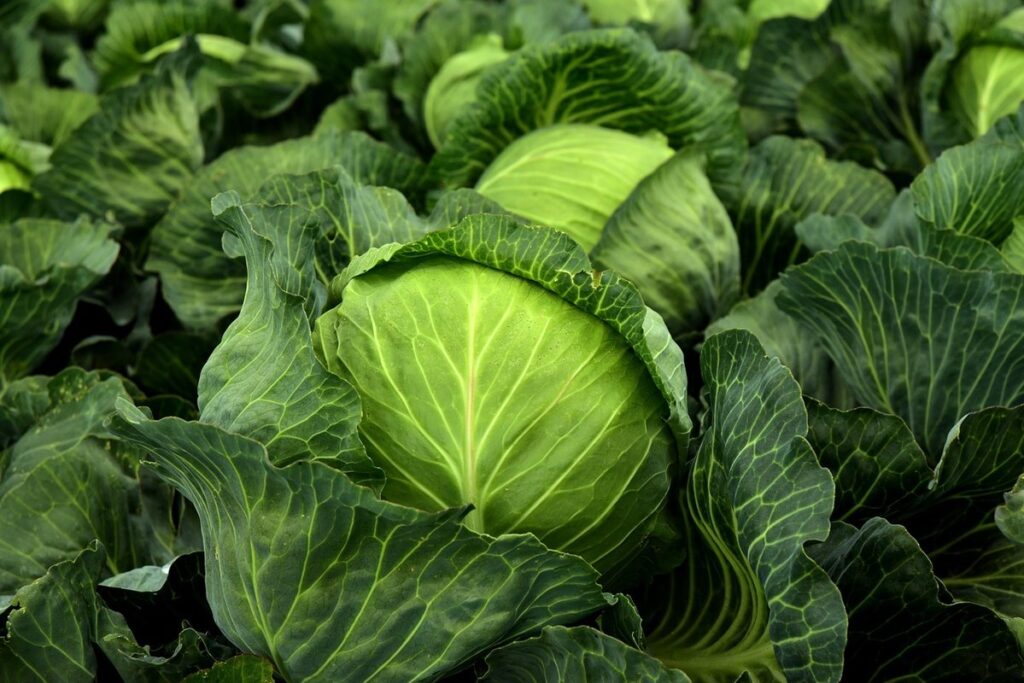
Benefits of Composting Cabbage Leaves
Composting cabbage leaves can bring numerous benefits to your garden, including improved soil structure and increased nutrient levels for healthier plants. Let’s explore these advantages in more detail.
Nutrient-Rich Soil Amendment
Composting cabbage leaves not only reduces waste and creates nutrient-rich fertilizer but also acts as an excellent natural soil conditioner. When added to the soil, these composted leaves can greatly improve its health and fertility, leading to a more balanced and thriving ecosystem.
As they break down, cabbage leaves release essential nutrients such as nitrogen, phosphorus, and potassium, which are vital for plant growth. These microorganisms also stimulate beneficial bacteria in the soil, increasing its water-holding capacity and overall structure. By incorporating composted cabbage leaves into your garden’s soil mix, you can expect improved drainage, reduced soil erosion, and enhanced root development.
To make the most of this natural amendment, use a 2:1 ratio when mixing composted cabbage leaves with other organic materials in your compost pile. This will allow for optimal nutrient release and ensure that the soil receives an even supply of beneficial microbes.
Reduced Waste and Environmental Impact
When you compost cabbage leaves instead of throwing them away, you’re not only creating nutrient-rich soil for your garden but also making a significant positive impact on the environment. One of the most significant benefits is reduced landfill waste. According to the United States Environmental Protection Agency (EPA), food waste accounts for approximately 21% of municipal solid waste in landfills. By composting cabbage leaves, you’re diverting organic matter from these landfills and reducing the environmental problems associated with them.
Composting also has a positive effect on greenhouse gas emissions. When cabbage leaves break down in a landfill, they release methane, a potent greenhouse gas that contributes to climate change. In contrast, composting cabbage leaves allows for aerobic decomposition, which produces carbon dioxide at a much slower rate and doesn’t contribute to the buildup of methane. By choosing to compost, you’re reducing your carbon footprint and doing your part in the fight against climate change.
By making this simple switch, you can significantly reduce waste and have a positive impact on the environment.
Choosing the Right Cabbage Leaves for Composting
When selecting cabbage leaves for composting, it’s essential to choose those that are free of pesticides and have not been treated with chemicals. Opting for organic options will ensure a healthy start for your garden.
Selecting Fresh vs. Wilted Leaves
When it comes to composting cabbage leaves, the quality of the material plays a significant role in determining the outcome. Using fresh, disease-free cabbage leaves is crucial for optimal composting results. Fresh leaves are rich in nutrients and have a high carbon-to-nitrogen ratio, which makes them an ideal addition to your compost pile.
On the other hand, wilted or diseased leaves can contaminate your compost and even spread diseases to healthy plants in your garden. For instance, if you use cabbage leaves that are infected with clubroot disease, it can transfer the pathogen to your soil, causing irreparable damage to your crops.
To ensure you’re using the right material, inspect the cabbage leaves carefully before adding them to your compost pile. Look for signs of wilting, yellowing, or blackening, which can indicate fungal infections or nutrient deficiencies. Avoid using cabbage leaves that have been sprayed with pesticides or herbicides, as these chemicals can also contaminate your compost and harm beneficial microorganisms.
When selecting cabbage leaves for composting, prioritize fresh, crisp leaves from organic sources to get the best results.
Handling Contaminated or Moldy Leaves
When handling contaminated or moldy cabbage leaves, it’s essential to identify them before adding them to your compost pile. Look for signs of spoilage such as sliminess, discoloration, or an unpleasant odor. These leaves can harbor pests like slugs and snails, which can contaminate your entire compost batch.
To prevent pest issues, remove any contaminated leaves immediately. If the mold is minor, you can still salvage some of the leaf material by cutting out the affected areas and adding the rest to your compost. However, if the damage is extensive, it’s best to discard the entire leaf to avoid contaminating your compost.
Regularly inspecting your cabbage leaves and removing any spoiled or moldy ones will help maintain a healthy compost pile. Remember that prevention is key – only add clean, dry cabbage leaves to your compost bin to ensure the best results for your garden. If you’re unsure whether a particular leaf is contaminated, err on the side of caution and discard it to avoid potential problems down the line.
Setting Up a Cabbage Leaf Composting System
To get started with composting your cabbage leaves, let’s first set up a system that will break down these nutrient-rich scraps efficiently and effectively in your garden.
Creating a Dedicated Compost Bin
When it comes to composting cabbage leaves, having a dedicated compost bin is crucial for successful and efficient decomposition. The right bin will help you manage moisture, temperature, and pests, ensuring that your cabbage leaf compost turns into a nutrient-rich soil amendment for your garden.
Consider the size of your bin carefully – it should be big enough to hold at least 2-3 cubic feet of materials, but not so large that it becomes unwieldy. A general rule of thumb is to have one bin per person in your household, assuming an average amount of food waste and yard trimmings. For cabbage leaf composting specifically, a slightly larger bin may be necessary due to the high water content of leaves.
When choosing a location for your bin, look for a spot that receives partial shade and has good airflow. Avoid placing it near any walls or obstructions that might trap heat or moisture. Make sure it’s easily accessible for regular maintenance and turning of materials.
Layering and Mixing Techniques
When layering and mixing cabbage leaves with other compost materials, it’s essential to strike the right balance between “green” and “brown” ingredients. Green materials are high in nitrogen, such as food scraps, grass clippings, or fresh manure, while brown materials are rich in carbon, like dried leaves, straw, or shredded newspaper.
To create a well-balanced compost pile, aim to include 2/3 brown materials and 1/3 green ingredients. When adding cabbage leaves, mix them with other high-carbon brown materials like coconut coir or wood chips. This will help speed up the decomposition process and prevent any potential odors.
When mixing cabbage leaves with green materials, be sure to alternate layers to maintain oxygen flow and promote microbial activity. A typical layering sequence might look like this:
* Brown layer (dried leaves or straw)
* Green layer (cabbage leaves mixed with grass clippings)
* Brown layer (coconut coir or wood chips)
* Repeat the process, ending with a brown layer on top to help retain moisture and suppress pests. By following these simple steps, you’ll be able to create a thriving compost ecosystem that turns your cabbage leaves into a valuable resource for your garden.
Monitoring and Maintaining Your Cabbage Leaf Compost
Now that your cabbage leaf compost is underway, it’s essential to monitor its progress and maintain a healthy balance of microorganisms for optimal results. Regular checks will keep your pile thriving.
pH and Moisture Levels
Monitoring and adjusting the pH and moisture levels of your cabbage leaf compost is crucial to ensure optimal conditions for decomposition. Cabbage leaves are naturally acidic, with a pH range of 4.5-6.5, which can affect the overall pH balance of your compost pile.
To maintain a healthy pH level, aim for a mix that’s closer to neutral (pH 7). If your cabbage leaf compost is too acidic, add small amounts of alkaline-rich materials like crushed eggshells or wood ash. Conversely, if it’s too alkaline, incorporate more acidic materials like coffee grounds or peat moss.
Maintaining the right moisture level is also vital. Cabbage leaves need to be kept moist but not waterlogged. Aim for a consistency similar to a damp sponge. Excessive moisture can lead to anaerobic conditions, slowing down decomposition and potentially creating unpleasant odors. Regularly check your compost pile by performing the “squeeze test”: if the material crumbles easily when pressed between your fingers, it’s ready for use.
Keep an eye on your cabbage leaf compost pile, adjusting pH levels and moisture as needed to ensure a thriving ecosystem that breaks down materials efficiently.
Averting Common Issues and Pests
Averting common issues and pests is crucial to maintaining a healthy and thriving compost pile. One of the most significant concerns with cabbage leaf composting is attracting unwanted pests, such as rodents, raccoons, and even flies. To avoid this issue, it’s essential to balance moisture levels in your compost pile. If it gets too wet, it can become an attractive breeding ground for these pests.
To maintain optimal moisture, make sure to mix ‘green’ materials like cabbage leaves with ‘brown’ materials like dried leaves or straw. This will help regulate the moisture levels and prevent the buildup of anaerobic conditions that attract pests. Regular turning of your compost pile is also vital in preventing pest infestations.
Another common issue you may encounter is unpleasant odors emanating from your compost pile. This can be caused by too much nitrogen-rich green matter, which breaks down quickly and releases ammonia gas. To avoid this problem, ensure a balanced mix of ‘green’ and ‘brown’ materials and turn your compost regularly to aerate it.
By taking these simple precautions, you’ll be able to maintain a healthy and pest-free cabbage leaf compost that will enrich your soil without any issues.
Using Your Finished Cabbage Leaf Compost
Now that you’ve completed your cabbage leaf compost, it’s time to put it to use! In this next part of our guide, we’ll show you how to effectively incorporate this nutrient-rich treasure into your garden.
Incorporating into Garden Soil
When it’s time to incorporate your finished cabbage leaf compost into garden soil, timing and application rates are crucial. Aim to apply the compost during the spring or fall seasons when plants are dormant, allowing for optimal nutrient absorption.
As a general rule of thumb, mix 2-3 inches of finished compost into the top 6-8 inches of soil. This will ensure that microorganisms can penetrate deep into the soil structure. However, if your garden has poor soil health or is depleted in nutrients, you may need to apply more compost – up to a foot or more.
To avoid over-fertilization, start with smaller amounts and gradually increase as needed. It’s also essential to mix the compost well with existing soil to prevent any clumping or uneven distribution of nutrients. For example, when preparing your garden beds for spring planting, consider incorporating 1/3 to 1/2 inch of compost into each bed to give plants a nutrient boost.
Remember to always mix your finished cabbage leaf compost with other organic matter like peat moss or well-rotted manure to achieve optimal soil structure and fertility.
Potential Uses in Container Gardening
Finished cabbage leaf compost can be a game-changer for container gardeners. One of its most significant benefits is improving drainage in pots and planters. When used as a top dressing or mixed into the potting mix, it helps break down compacted soil and allows water to penetrate more easily. This reduces the risk of root rot and ensures your plants receive the right amount of moisture.
Another advantage of using finished cabbage leaf compost in container gardens is its ability to reduce transplant shock. When you transplant a seedling or young plant into a new pot, it can experience stress due to changes in temperature, humidity, and soil conditions. Adding a small amount of cabbage leaf compost to the potting mix can help mitigate this shock by providing beneficial microbes that aid in root development and establishment.
By incorporating cabbage leaf compost into your container gardening routine, you can create healthier, more resilient plants that thrive in their new environment.
Troubleshooting Common Cabbage Leaf Composting Challenges
Cabbage leaf composting can be a bit tricky, so don’t worry if you’re experiencing problems – we’ve got solutions to common challenges right here. Let’s tackle those pesky issues together!
Addressing Odors and Pest Issues
Addressing odors and pest issues is an essential part of maintaining a healthy compost pile. When cabbage leaves break down, they can release strong-smelling compounds that may attract pests or disturb neighbors. To minimize these issues, it’s crucial to balance the carbon-to-nitrogen ratio in your compost. Aim for a mix that contains 2/3 “brown” materials (dried leaves, straw) and 1/3 “green” materials (cabbage leaves, grass clippings). Regularly mixing the pile will also help aerate it, reducing odor-causing anaerobic conditions.
Some common pests that might be attracted to cabbage leaf compost include raccoons, opossums, and rodents. To deter these critters, cover your compost pile with a durable mesh or wire screen, keeping them from accessing the nutrient-rich materials within. For persistent pest problems, consider adding natural repellents like hot pepper powder or garlic to the mix.
If you notice excessive odors, try adding a 1:10 ratio of finished compost or worm castings to the affected area. These will introduce beneficial microbes that can help break down organic matter and neutralize unpleasant smells. By implementing these strategies, you’ll be able to maintain a balanced, odor-free compost pile that benefits your garden and minimizes pest attraction.
Tips for Optimizing Compost Quality
Achieving optimal compost quality is crucial to ensure that your cabbage leaf compost is nutrient-rich and beneficial for your garden. One of the key factors to focus on is maintaining a balanced carbon-to-nitrogen (C:N) ratio in your compost pile.
Aim for a C:N ratio between 20:1 and 30:1, with carbon-rich materials like dried leaves, straw, or shredded newspaper making up the bulk of your compost pile. On the other hand, nitrogen-rich materials like cabbage leaves, grass clippings, or manure can be added in moderation to balance out the mixture.
To give you a better idea of what this looks like in practice, consider the following example: for every 10 pounds of cabbage leaves, add 1-2 pounds of carbon-rich materials. This will help create an environment where microorganisms can thrive, breaking down the organic matter and producing a nutrient-dense compost.
In addition to balancing your C:N ratio, make sure to monitor moisture levels in your compost pile. Aim for a mix that’s damp but not soggy – if it feels like a damp sponge, it’s likely too wet. Finally, turn your compost regularly to ensure oxygen is flowing freely and preventing anaerobic conditions from developing.
By following these guidelines, you’ll be well on your way to creating high-quality cabbage leaf compost that will enrich your soil and promote healthy plant growth.
Frequently Asked Questions
Can I compost cabbage leaves if they’re already wilted or brown?
Yes, you can still compost wilted or brown cabbage leaves, but it’s essential to mix them with other “green” materials like fresh vegetable scraps or grass clippings to speed up the decomposition process. This will help balance out the carbon-to-nitrogen ratio and prevent odors.
How often should I turn and aerate my cabbage leaf compost pile?
It’s recommended to turn your cabbage leaf compost pile every 7-10 days, especially during the initial stages of decomposition, to ensure oxygen flow and prevent matting. This will help maintain a healthy balance of microorganisms and speed up the composting process.
Can I mix other types of leaves with my cabbage leaves in the compost bin?
Yes, you can mix other leafy greens like kale or collard greens with your cabbage leaves, but avoid mixing too many different types at once. A general rule is to stick with 1-2 dominant leaf types and add smaller quantities of others to prevent overloading the system.
What’s the ideal moisture level for my cabbage leaf compost pile?
Maintain a moist environment by keeping the pile slightly damp, similar to a damp sponge. Avoid overwatering, which can lead to anaerobic conditions and unpleasant odors. Check the pile regularly to ensure it’s not too dry or wet.
How long does it typically take for cabbage leaves to break down into compost?
The decomposition time will vary depending on factors like temperature, moisture, and carbon-to-nitrogen ratio. Generally, you can expect cabbage leaves to break down within 2-4 months, but it’s essential to be patient and monitor the process regularly to ensure optimal results.