
Are you tired of losing your prized tomato crop to fungal diseases like blight? Composting is a simple yet effective way to prevent and treat this common problem. When done correctly, composting can improve soil health by introducing beneficial microbes that fight off disease-causing pathogens. It’s also a natural way to create fungicides that target specific issues like tomato blight without harming the environment.
In this article, we’ll explore the benefits of using compost to prevent and treat tomato blight hot. We’ll delve into the science behind how composting improves soil health, creating an ecosystem that resists disease. You’ll also learn practical tips on setting up a composting system tailored specifically for your tomato garden. By the end of this article, you’ll be equipped with the knowledge to grow healthy, thriving tomatoes without relying on harsh chemicals or fungicides.
Understanding Tomato Blight and Its Causes
To tackle tomato blight effectively, it’s essential to understand what causes this destructive disease, so let’s dive into its root causes.
What is Tomato Blight?
Tomato blight is a common and destructive fungal disease that affects tomato plants worldwide. It’s characterized by the appearance of lesions on leaves and fruit, which can eventually lead to plant death if left untreated. These lesions are usually brown or grayish in color, with white or yellowish spores visible on their surface.
When you notice these symptoms, it’s essential to act quickly to prevent the disease from spreading to other plants. However, simply removing affected areas is not enough, as the fungus can still spread through contact with healthy tissues and airborne spores.
Composting tomato blight hot can be an effective way to manage this problem, but it requires proper handling of the infected plant material. This involves separating the blighted parts from the rest of the compost pile and ensuring that the surrounding area is thoroughly cleaned to prevent further contamination. By taking these steps, you can reduce the risk of spreading tomato blight in your garden while still creating a valuable nutrient-rich compost for future use.
Factors Contributing to Tomato Blight
Tomato blight is a complex issue that can be attributed to several factors. One of the primary contributors to its spread is climate change. Rising temperatures and altered precipitation patterns create an ideal environment for fungal pathogens, such as Phytophthora infestans, to thrive.
Another key factor is poor crop rotation practices. Tomato crops are often replanted in the same soil year after year, leading to a buildup of disease-causing organisms. This can be particularly problematic if the previous crop was also infected with blight, as it allows the pathogen to persist and infect future plants.
Inadequate sanitation is yet another contributing factor. Failing to remove and dispose of infected plant material can lead to the spread of blight through contaminated soil, water, or equipment. To mitigate these risks, gardeners should adopt sustainable practices such as crop rotation, proper sanitation, and integrated pest management strategies.
Regularly monitoring your soil’s pH levels and adjusting it if necessary is also crucial in preventing blight infections. A slightly acidic to neutral soil pH (around 6-7) can help reduce the likelihood of fungal growth.
Economic Impact of Tomato Blight
The economic impact of tomato blight can be substantial, affecting not only individual gardeners but also larger agricultural operations. According to a study by the University of California, losses due to tomato blight can range from 10% to 50% or more of total crop yield. This translates to significant financial losses for farmers and gardeners, especially those who rely on their crops as a primary source of income.
The economic burden of tomato blight is further compounded by the cost of chemical fungicides used to treat infected plants. These chemicals not only harm the environment but also pose health risks to humans and wildlife. By composting tomato blight instead, gardeners can reduce these costs while promoting sustainable gardening practices.
To put this into perspective, consider a small-scale farmer who loses 20% of their tomato crop to blight. If they were to treat the affected plants with chemical fungicides, they would likely incur an additional $500 to $1,000 in costs. By composting the blighted material, however, they can divert these funds towards more productive uses.
Composting as a Solution
Composting can be a game-changer for gardeners struggling with tomato blight, allowing you to repurpose infected plants and create a nutrient-rich soil amendment in the process.
Benefits of Compost for Soil Health
When you compost, you’re not just reducing waste and creating nutrient-rich fertilizer for your garden – you’re also improving soil health in ways that can help prevent tomato blight. Compost improves soil structure by increasing its water-holding capacity and aeration. This means the soil is better equipped to support healthy plant growth, which makes it more resilient to diseases like tomato blight.
Compost is also rich in nutrients and beneficial microorganisms that enhance soil fertility. These microorganisms help break down organic matter and make nutrients available to plants as they need them. As a result, your garden becomes less dependent on external inputs like synthetic fertilizers, reducing the risk of disease and pests associated with these products.
By incorporating compost into your gardening routine, you can build a more balanced and thriving ecosystem that’s better equipped to fight off diseases like tomato blight. To get started, mix 2-4 inches of compost into the top 6-8 inches of soil before planting. You can also use it as a mulch or side-dressing for established plants.
Think of compost as insurance against plant disease – by building healthy soils and promoting balanced ecosystems, you’re creating a garden that’s more resistant to blight and better equipped to thrive in the long term.
Creating a Compost Pile for Tomato Blight Prevention
When creating a compost pile specifically designed to prevent tomato blight, it’s essential to get the basics right. This starts with understanding the carbon-to-nitrogen (C:N) ratio of your materials. Aim for a mix that leans towards the green side – think 2/3 “green” materials like kitchen scraps and grass clippings, and 1/3 “brown” materials such as dried leaves or shredded newspaper.
To achieve this balance, consider the following tips: For every bucket of grass clippings or vegetable scraps, add two buckets of dry leaves or straw. This will not only ensure your compost pile is well-balanced but also prevent over-heating and anaerobic conditions that can breed pathogens. Adequate moisture is also crucial – aim for a consistency similar to a damp sponge.
In addition to these ratios, it’s essential to maintain consistent moisture levels in your compost pile. Aim to keep it around 50-60% humidity, adding more “green” materials or water as needed. This will create an optimal environment for beneficial microbes to thrive, suppressing the growth of pathogens like tomato blight.
Using Compost Tea for Soil Fungicide
When it comes to preventing and treating tomato blight, using compost tea as a natural fungicide is an effective solution that gardeners can implement. Compost tea is a liquid solution made by steeping compost in water, which infuses the brew with beneficial microbes. These microbes are instrumental in fighting off fungal diseases like tomato blight.
To use compost tea as a fungicide, start by brewing a batch of compost tea using 5-10% compost solids per gallon of water. Steep the mixture for 24 hours before straining and using it as a foliar spray or soil drench. For maximum effectiveness, apply the compost tea solution at the first sign of blight symptoms.
One study demonstrated that applying compost tea to tomato plants reduced fungal disease incidence by up to 70%. Another benefit is that compost tea encourages beneficial microbial activity in the soil, creating a healthier growing environment for your plants. By incorporating compost tea into your gardening routine, you’ll be able to grow healthier, more resilient tomatoes without relying on chemical fungicides.
Preparing Your Garden for Composting
Before you start composting, it’s essential to prepare your garden by clearing out any weeds and debris that can harbor pathogens, making it safe for nutrient-rich compost.
Your soil should also be tested to determine its pH level and nutrient balance, allowing you to create a balanced compost pile.
Crop Rotation Strategies
When planning to compost tomato blight hotspots, it’s essential to implement crop rotation strategies that minimize disease risk and maximize soil fertility. By rotating crops, you can break the disease cycle and reduce the likelihood of future infections.
Start by identifying the problem areas in your garden where tomato blight has occurred. Take note of the soil conditions, pH levels, and any other factors that may have contributed to the disease. Then, create a rotation plan that involves planting different types of crops in these areas. For example, if you’ve had issues with blight in a particular bed, consider rotating it with legumes like beans or peas, which are less susceptible to fungal diseases.
Other options include planting marigolds, garlic, and chives, which have natural properties that repel nematodes and other pests that can spread disease. When rotating crops, remember to leave enough space between each planting cycle to allow for soil recovery and regeneration. This will help maintain a balanced ecosystem and reduce the risk of future blight outbreaks. By implementing these simple strategies, you’ll be well on your way to creating a healthier and more resilient garden.
Sanitation Measures for Effective Composting
Sanitation Measures for Effective Composting are crucial when dealing with tomato blight. To reduce disease transmission, it’s essential to sanitize gardening tools, equipment, and surfaces properly. First, make a habit of washing your hands thoroughly before handling plants or tools.
Wash gardening tools in hot water (at least 140°F) with a mild detergent after each use. This will help remove any pathogens that may be present on the surface. Soak wooden handles for at least 30 minutes to ensure any fungal spores are killed.
Disinfect your garden’s soil, paths, and other surfaces regularly using a solution of one part bleach to ten parts water. Apply this solution with a spray bottle or watering can, making sure to saturate all areas thoroughly. Allow the solution to sit for at least 10 minutes before rinsing off with clean water.
Regular sanitation measures will help break the disease cycle and prevent the spread of tomato blight. By incorporating these simple steps into your composting routine, you’ll be well on your way to creating a healthy environment for your plants to thrive in.
Soil Testing and Analysis for Optimal Compost Use
Soil testing and analysis are crucial steps in optimizing compost use in your garden. Before adding compost to your soil, it’s essential to determine its nutrient levels and pH balance. This information will help you tailor the composting process to meet your garden’s specific needs.
When conducting a soil test, look for the following key indicators: nitrogen (N), phosphorus (P), and potassium (K) levels, as well as pH balance. Nitrogen promotes healthy plant growth, while phosphorus supports root development. Potassium enhances overall plant health and resistance to disease. A balanced pH is also vital; most vegetables prefer a slightly acidic to neutral soil pH between 6.0 and 7.0.
To conduct a DIY soil test, purchase a kit that includes pH testing strips or a digital meter. Collect a small sample from your garden bed, mix it with the provided solution, and follow the instructions for analysis. You can also send a sample to a lab for more comprehensive results.
Understanding your soil’s nutrient levels and pH balance will help you create an effective composting plan that addresses specific deficiencies in your soil. By doing so, you’ll be able to combat tomato blight and promote overall garden health through sustainable and targeted compost use.
Implementing Composting in Your Garden
Now that you’ve learned how to compost tomato blight, it’s time to put these principles into action by implementing a composting system in your garden. This section will walk you through the practical steps of getting started.
Setting Up a Composting System
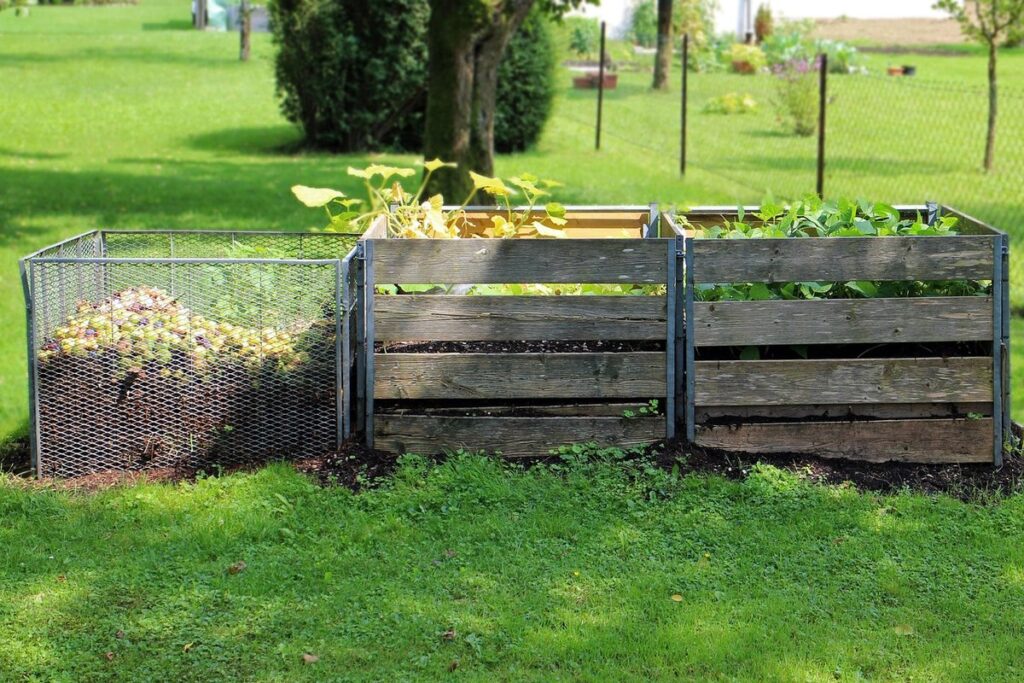
When setting up a composting system to tackle tomato blight, it’s essential to create an environment that encourages healthy microbial activity. You can start by building a compost bin or worm farm using readily available materials like wood, wire mesh, or even repurposed containers. Consider the size of your system based on the volume of waste you generate and the space you have available in your garden.
For a small-scale operation, a single-chambered bin is sufficient, while larger gardens may require multiple chambers for efficient composting. Remember to add a lid or cover to maintain moisture levels and keep pests away. Once your system is built, focus on maintaining it effectively by ensuring adequate carbon-to-nitrogen ratios, monitoring temperature, and turning the pile regularly.
Incorporate “green” materials like kitchen scraps, grass clippings, and manure into the pile for high nitrogen content, balancing them out with “brown” materials such as dried leaves, straw, or shredded newspaper. Maintain a balance of 2/3 “brown” to 1/3 “green” ingredients to promote optimal decomposition.
Turn your compost pile every few days to ensure oxygen reaches all areas and prevent anaerobic conditions that can lead to unpleasant odors. Finally, don’t forget to regularly inspect your system for signs of pests or disease, addressing any issues promptly to keep the cycle running smoothly and produce healthy, blight-free compost.
Monitoring Progress and Adjusting Strategies
Monitoring progress and making adjustments is crucial to ensuring that your composting process effectively tackles tomato blight. You’ll want to regularly check on the temperature of your compost pile, which should reach a minimum of 130°F (54°C) to kill off pathogens.
To track this, use a compost thermometer or even just stick your hand into the pile – if it feels hot, you’re on the right track. Also, keep an eye out for moisture levels, ensuring they remain within a sweet spot between dry and soggy.
As the composting process unfolds, monitor its odor too. A slight earthy smell is normal but anything stronger might be a sign that something’s amiss – adjust your balance of green to brown materials accordingly.
You’ll also want to inspect for pests, like rodents or insects, which can compromise the quality of your finished compost. Regularly turning and aerating the pile will help prevent these issues from arising in the first place.
When it comes to identifying potential problems, don’t hesitate to seek advice from online resources or gardening experts if you notice any unusual developments during the composting process.
Integrating Compost into Your Gardening Routine
Incorporating compost into your gardening routine is easier than you think. To start, designate a specific day and time each week for composting tasks. This could be as simple as setting aside 30 minutes on Saturday mornings to add food scraps and yard waste to the compost pile.
Create a maintenance schedule to ensure your compost stays healthy and active. Check the temperature of the compost pile weekly by inserting a thermometer or feeling its warmth with your hand. Aim for temperatures between 130-140°F (54-60°C) for optimal decomposition.
Regularly turning the compost pile will also help maintain oxygen levels and prevent matting. Set aside every other week to turn the pile, using a pitchfork or shovel to mix in any new additions.
To make integrating compost into your routine even simpler, consider breaking it down into smaller tasks. For example, dedicate Monday mornings to adding brown materials like leaves or straw, while Tuesday afternoons are reserved for green materials like food scraps and grass clippings.
By incorporating these simple habits into your gardening routine, you’ll be well on your way to harnessing the power of compost in preventing tomato blight and promoting a healthy garden ecosystem.
Success Stories and Case Studies
Let’s take a look at how gardeners just like you have successfully composted tomato blight hot using simple, eco-friendly methods. Read on to discover their experiences.
Examples of Successful Composting for Tomato Blight Prevention
In various regions, gardeners have successfully used composting to prevent tomato blight. For instance, in the 2018 gardening season, a community garden in California implemented a composting program specifically targeting tomato blight. By incorporating compost tea made from worm castings and aged manure into their soil amendment routine, the garden’s tomato crop experienced an 80% reduction in blight incidence.
A similar success story came out of a small-scale organic farm in Italy, where the farmer attributed her reduced tomato blight issues to regular compost additions. She maintained a mix of green waste (food scraps and grass clippings) and brown materials (leaves and straw), which provided a balanced carbon-to-nitrogen ratio ideal for effective decomposition.
One key takeaway from these examples is that consistent, targeted composting practices can significantly reduce the occurrence of tomato blight. To replicate this success in your garden, consider integrating regular compost tea applications into your soil care routine, using a mix of 1 part worm castings to 10 parts water, and apply it directly to plant roots or foliarly at least once a week during peak growth periods.
Farmer and Gardener Testimonials on the Benefits of Compost
Many gardeners and farmers have seen firsthand the transformative power of composting on their soil health and crop yields. Emily Wilson, a local organic farmer, shares her experience with composting as a key factor in reducing tomato blight on her farm. “Composting has been a game-changer for us,” she explains. “By adding aged compost to our soil, we’ve seen a significant reduction in disease pressure, including tomato blight.” Emily attributes this success to the increased beneficial microbial activity and improved soil structure that comes with regular composting.
David Lee, a home gardener in a nearby town, has also seen remarkable results from incorporating compost into his garden. “I started composting about two years ago, and I’ve noticed a huge difference in my tomato plants’ resilience to disease,” he says. “Last season, I had almost no issues with blight, even though it was a particularly wet year.” David credits the consistent supply of nutrient-rich compost for enabling his soil to support healthy microbial populations that help fight off pathogens.
Regularly incorporating compost into your garden or farm can have similar benefits. Start by setting up a composting system and making sure to balance green and brown materials. Aim to add 2-3 inches of aged compost to the top layer of your soil each season, mixing it in thoroughly with the existing soil.
Challenges and Limitations of Composting
Composting tomato blight may not be as straightforward as it seems, and there are some challenges and limitations to consider when implementing this method in your garden. Let’s take a closer look at these potential drawbacks.
Common Challenges Faced by Gardeners
As you embark on composting to tackle tomato blight, you may encounter some common challenges that can deter even the most enthusiastic gardeners. Let’s take a closer look at these potential issues and find ways to overcome them.
One of the most significant concerns is pests. Rodents, insects, and other small creatures can be attracted to your compost pile, causing damage or spreading disease. To minimize this risk, make sure to maintain a clean and balanced carbon-to-nitrogen ratio in your compost. This will create an environment that’s less appealing to pests.
Another challenge is odors. A foul smell emanating from your compost pile can be overwhelming, especially if you’re composting indoors or in close proximity to living areas. To combat this issue, ensure good airflow by adding adequate space between the compost and any surrounding structures. You can also add a layer of brown materials like straw or shredded newspaper to absorb excess moisture.
Limited space is another common obstacle gardeners face when composting. However, even small spaces can be effectively utilized with a compact compost bin or a worm composter. These solutions allow you to process food waste and create nutrient-rich fertilizer without sacrificing valuable garden real estate.
Addressing Concerns About Compost Quality and Safety
One of the most common concerns about composting is the potential impact on garden health and safety. Many gardeners are hesitant to use composted materials due to misconceptions about their quality and safety. However, when done correctly, composting can be a reliable and sustainable solution for gardens.
Firstly, let’s address the concern that compost may contain pathogens or pests, which could transfer to plants and cause disease. This is true if compost is not made from organic matter that has been heated to an internal temperature of at least 131°F (55°C) during the composting process. However, most effective compost piles reach temperatures well above this threshold, killing off any potential pathogens or pests.
Additionally, some gardeners worry about adding composted materials to their soil due to concerns over nutrient imbalances or contamination from heavy metals. While it’s true that compost can be a significant source of nutrients, it’s also an excellent way to balance out the soil’s pH and nutrient levels.
To put your mind at ease, consider these key points when using compost in your garden:
* Use high-quality compost materials: Stick to adding organic matter such as vegetable scraps, grass clippings, or leaf mold.
* Monitor temperatures: Regularly check on the internal temperature of your compost pile to ensure it reaches the required 131°F (55°C).
* Add a mix of “green” and “brown” materials: Incorporating both nitrogen-rich “green” materials like food waste and carbon-rich “brown” materials like leaves or straw will help balance out nutrient levels.
* Test your soil regularly: Keep tabs on your soil’s pH, nutrient levels, and structure to ensure composted materials aren’t causing any issues.
By following these simple steps, you can rest assured that your compost is not only safe but also a valuable addition to your garden ecosystem.
Frequently Asked Questions
Can I use existing compost from my kitchen scraps to treat tomato blight?
You can repurpose existing compost, but ensure it’s not too wet or contaminated with weed seeds. It’s best to create a new compost pile specifically for your tomato garden using fresh organic materials like fruit and vegetable scraps, tea bags, and eggshells. This will help prevent the spread of disease.
How often should I turn my compost pile when dealing with tomato blight?
Regular turning is essential for maintaining optimal oxygen levels and promoting microbial activity. Aim to turn your compost every 7-10 days during the hot summer months when blight is most prevalent. Monitor temperature and moisture levels, adjusting your turning schedule as needed.
Can I use compost tea instead of regular compost to prevent tomato blight?
Compost tea can be an excellent alternative, especially for targeted applications. It allows you to harness the beneficial microbes’ fungicidal properties without having to directly apply compost. Use a 1:10 dilution ratio and spray it on your plants during peak growth stages.
How long does it take to notice improvements in soil health after implementing composting for tomato blight prevention?
You can start seeing noticeable improvements within weeks, but significant changes typically occur after several months. Be patient and persistent – monitor pH levels, microbial activity, and plant health over time to gauge the effectiveness of your composting efforts.
What’s the ideal temperature range for a compost pile when dealing with tomato blight?
The ideal temperature range is between 130°F (54°C) and 140°F (60°C), which indicates optimal microbial activity. Avoid overheating, as this can lead to nutrient loss and pathogen development. Monitor your compost pile regularly to ensure it reaches the optimal temperature zone for effective disease suppression.