
Winter is here, and with it comes the challenge of managing our outdoor spaces. But did you know that composting yard waste during this time can not only reduce your carbon footprint but also create nutrient-rich soil for your garden to thrive? As the temperatures drop, it’s easy to think that composting takes a backseat. However, with the right bin and techniques, you can continue to compost year-round. In this article, we’ll explore the ins and outs of winter composting, covering topics such as choosing the right bin for your needs, balancing carbon-to-nitrogen ratios, and how to manage common winter challenges like snow and pests that might be affecting your compost pile. By following these tips, you can keep composting all year round and enjoy a healthier garden in no time.
Benefits of Composting Year-Round
While many gardeners assume composting is a summer activity, you can reap plenty of benefits by continuing to compost year-round. In fact, it’s often easier than you think to maintain your compost pile during colder months.
Importance of Reducing Waste During Winter
As winter sets in, our outdoor activities tend to slow down, leaving us with a pileup of yard waste. This can be overwhelming, especially when you consider the environmental impact of sending all that organic matter to landfills. Composting during this time is not only beneficial for reducing waste but also creates nutrient-rich soil for future gardening seasons.
Reducing waste during winter helps conserve landfill space, which is essential for managing our community’s trash. When yard waste decomposes in landfills, it produces methane, a potent greenhouse gas that contributes to climate change. By composting, you can divert this waste and minimize the environmental footprint.
To make the most of winter composting, focus on collecting dry leaves, twigs, and branches. Add these materials to your compost pile along with fruit and vegetable scraps from your kitchen. Avoid adding too much green material like grass clippings, as they can create anaerobic conditions in the pile. Regular maintenance is key to ensuring a healthy composting process.
Year-Round Composting: Environmental Benefits
Regular composting year-round is essential for creating a sustainable environment. One of the primary benefits is the reduction of greenhouse gas emissions from decaying organic matter. When yard waste decomposes in landfills, it releases methane and carbon dioxide, potent greenhouse gases that contribute to climate change. By composting this waste instead, we can significantly reduce these emissions.
Composting also helps conserve water by improving soil structure. Well-draining, fertile soil allows plants to absorb water more efficiently, reducing the need for irrigation. This is especially important during winter months when rainfall may be scarce.
In addition to environmental benefits, regular composting supports local ecosystems. As compost enriches the soil, it provides a nutrient-rich habitat for microorganisms and beneficial insects like earthworms, which in turn support plant growth and biodiversity. By adopting year-round composting practices, you can create a thriving ecosystem in your own backyard, even during the coldest winter months.
Preparing Yard Waste for Winter Composting
Before you start composting, it’s essential to prepare your yard waste properly. This section will walk you through the simple steps to transform your autumn leaves and branches into nutrient-rich compost.
Choosing the Right Compost Bin for Winter
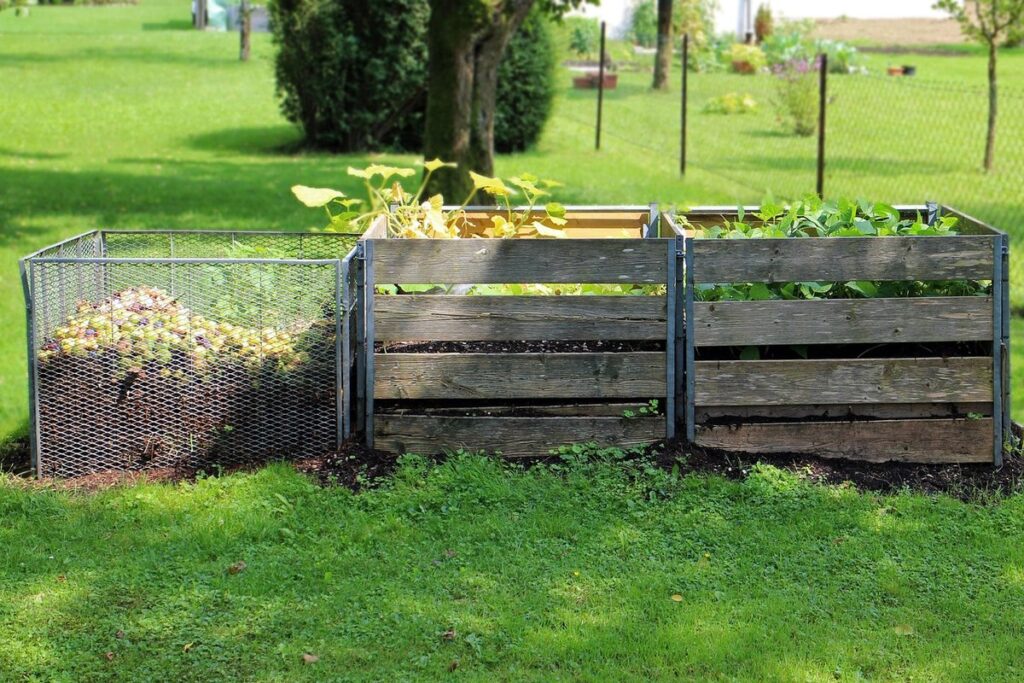
When selecting a compost bin for winter, durability and ease of use are top priorities. A sturdy bin can withstand harsh weather conditions, including heavy snowfall and freezing temperatures. Look for bins made from high-quality materials such as durable plastics or robust metal frames that can resist corrosion.
Ease of use is also crucial during winter when the cold makes manual turning and maintenance more challenging. Consider bins with easy-turning mechanisms or those with automatic turners to minimize labor. Some compost bins even come with insulation or thermal mass to regulate temperatures, ensuring the decomposition process continues uninterrupted.
In addition, think about the size of your bin in relation to your yard waste output. A larger bin may be necessary if you have a lot of leaves or branches to compost. Whatever your needs, make sure the bin is easy to clean and maintain, allowing you to focus on other aspects of winter composting.
Adding Brown Materials in Winter
When it comes to winter composting, adding brown materials is crucial for maintaining a healthy carbon-to-nitrogen ratio. This balance is vital because it helps to speed up decomposition and prevents the growth of unwanted pests and odors. Brown materials, such as dried leaves, straw, or shredded newspaper, provide an abundance of carbon-rich organic matter that complements the nitrogen-rich yard waste.
To incorporate brown materials effectively in your winter composting routine, aim for a mix that’s about 2/3 brown materials to 1/3 green materials (such as food scraps or grass clippings). This balance ensures that the carbon-to-nitrogen ratio is optimal. For example, if you’re adding 2 bags of dried leaves, balance it with one bag of kitchen scraps or a bucket of grass clippings.
Some additional tips for using brown materials in winter composting include:
* Shredding dry leaves to increase their surface area and speed up decomposition
* Mixing straw with food waste to create a nutrient-rich compost
* Avoiding the use of too much sawdust, as it can create an acidic environment that slows down decomposition
By incorporating these tips into your winter composting routine, you’ll be able to create a balanced mix of carbon-rich brown materials and nitrogen-rich green materials, leading to a successful and odor-free composting experience.
Composting Methods Suitable for Winter
If you’re looking for ways to keep your composting project on track during the colder months, let’s dive into some effective winter-friendly methods. These techniques will help you turn yard waste into nutrient-rich compost all year round.
Cold-Composting: A Winter-Friendly Approach
Cold-composting is an excellent approach to manage yard waste during winter. Unlike hot composting, which requires regular mixing and maintenance, cold-composting involves adding yard waste to a designated area without mixing it with other materials. This method is ideal for winter due to its simplicity and minimal maintenance requirements.
To start cold-composting, choose a spot that receives moderate sunlight and has good drainage. Select an area that can accommodate the amount of yard waste you plan to collect. For example, if you have a small garden, consider designating a corner of your backyard as a cold composting area.
When adding yard waste to your designated area, simply layer it on top without mixing with other materials. You can add leaves, grass clippings, and small branches in alternating layers. Keep the pile about 3-4 feet high to allow for efficient decomposition. As the waste breaks down, you’ll notice a significant reduction in volume over time.
Hot-Composting in Winter: Managing Odors and Moisture
When engaging in hot-composting during winter, managing odors and moisture becomes even more crucial due to lower temperatures. Regular turning of the pile is essential for maintaining aerobic conditions, which helps minimize odor production.
However, on extremely cold days or nights, even with regular turning, you may still experience increased odor levels. In such cases, consider adding brown materials like shredded newspaper or cardboard to balance out the green materials and help speed up decomposition while minimizing odors.
Additionally, ensuring adequate aeration through proper layering of green and brown materials is vital for maintaining optimal moisture levels. Brown materials absorb excess moisture, preventing anaerobic conditions that can lead to foul odors. Aim for a mix that includes 2/3 “brown” materials (dried leaves, straw, etc.) and 1/3 “green” materials (grass clippings, food scraps, etc.).
Tips for Successful Winter Composting
Don’t let freezing temperatures stop you from composting! In this section, we’ll share practical tips to help you successfully turn yard waste into nutrient-rich soil even during the coldest winter months.
Monitoring Temperature and Moisture Levels
Monitoring temperature and moisture levels is crucial for maintaining optimal decomposition rates during winter composting. You’ll want to check these levels regularly to prevent pests from taking over your pile or unpleasant odors wafting through the air.
To monitor temperature, use a thermometer specifically designed for compost piles. Stick it into the center of the pile, avoiding any hot spots near recent additions of green materials like food scraps. Aim for temperatures between 130°F and 140°F (54°C to 60°C) for efficient decomposition. If your pile is too cold, turn it to aerate it and introduce some nitrogen-rich materials to boost microbial activity.
For moisture levels, ensure your compost pile isn’t too dry or waterlogged. A general rule of thumb is to maintain a mix that’s like a damp sponge – not dripping wet but not parched either. If the pile feels dry to the touch, mist it lightly with water; if it’s soggy, turn it to aerate and speed up evaporation.
Keep in mind that winter composting often requires more frequent monitoring due to slower microbial activity. By regularly checking these levels, you’ll create a thriving environment for your compost pile, even during the chilliest months.
Balancing Carbon-to-Nitrogen Ratios in Winter
Maintaining a balance between ‘green’ (nitrogen-rich) materials like food scraps and grass clippings, and ‘brown’ (carbon-rich) materials like dried leaves and straw is crucial during winter composting. When the weather is cold, decomposition slows down, making it more challenging to maintain this equilibrium.
In winter, you may find yourself with fewer options for brown materials due to snow cover or leaf collection services. To compensate, add more green materials in moderation. However, be cautious not to overdo it – excessive nitrogen can lead to anaerobic conditions and unpleasant odors. For example, a 2:1 or 3:1 ratio of brown to green materials is generally recommended.
To ensure you’re on the right track, monitor your compost pile’s moisture levels and temperature regularly. Aim for a damp but not soggy texture and temperatures between 130°F and 140°F. Adjust your balance accordingly based on these factors, and don’t hesitate to add more brown materials if your pile is too wet or smelly.
Challenges Faced During Winter Composting
Winter composting presents its own set of challenges, from slow decomposition to pest infestations, that can hinder your progress if not addressed. Let’s explore some common issues you may encounter in the cold weather months.
Managing Snow and Ice on Compost Piles
When it comes to composting yard waste during the winter months, managing snow and ice on compost piles can be a significant challenge. The presence of these elements can hinder decomposition, leading to a buildup of anaerobic conditions that produce unpleasant odors and slow down the composting process.
To address this issue, one strategy is to add extra brown materials to your compost pile. This helps to absorb excess moisture and provides carbon-rich nutrients for beneficial microorganisms. For example, you can shred newspaper or cardboard to create a thick layer on top of your compost pile. This will also help to insulate the pile from freezing temperatures.
Another effective solution is using a compost aerator. These tools allow you to manually mix and turn your compost pile, introducing oxygen and preventing anaerobic conditions. By incorporating these simple strategies into your winter composting routine, you can maintain optimal decomposition rates and ensure a successful composting experience despite harsh weather conditions. Regular maintenance, such as monitoring moisture levels and ensuring adequate carbon-to-nitrogen ratios, is also essential for maintaining a healthy compost pile during the winter months.
Common Pests in Winter: Identifying and Preventing Infestations
As you work on maintaining your winter compost pile, it’s essential to be aware of potential pest problems that can arise. Rodents and pests attracted to the compost pile’s warmth are common invaders during this time. To identify these issues early on, keep an eye out for signs such as gnaw marks on pipes or containers, droppings around the area, and unusual noises at night.
Rodents like mice and raccoons are particularly drawn to the warmth of a compost pile, which can attract them to your yard. Pests like fruit flies, ants, and beetles also find their way into warm piles. To prevent infestations, ensure your pile is regularly turned and maintained to reduce moisture buildup.
To further deter pests, add pest-repellent materials like chili peppers or hot sauce to the pile. Keep your compost bin covered, and consider using rodent-proof containers for storing food waste. By being proactive in monitoring and preventing pest issues, you can maintain a healthy and thriving winter compost pile that produces valuable nutrients for your garden come springtime.
Maximizing Nutrient Value from Winter Compost
To truly make the most of your winter compost, you’ll want to focus on incorporating nutrient-rich materials that will give your soil a boost come springtime. This includes adding in food scraps and yard trimmings strategically.
Creating a Fertilizer Blend
When you’ve completed the composting process, it’s time to create a fertilizer blend that will unlock the full potential of your winter compost. This is where things can get a bit technical, but don’t worry – with some basic knowledge and attention to detail, you’ll be creating a customized fertilizer blend in no time.
To start, you’ll need to determine the nutrient content of your finished compost using a soil test kit or sending it off to a lab for analysis. This will give you an idea of its nitrogen (N), phosphorus (P), and potassium (K) levels, which are essential macronutrients for plant growth.
Once you have this information, you can begin crafting a fertilizer blend that meets your specific soil needs. A general rule of thumb is to aim for a mix with 20-30% N, 10-20% P, and 10-20% K. However, if your compost has high levels of phosphorus or potassium, you may want to adjust these ratios accordingly.
Some common fertilizer blend recipes include:
* A ‘grow’ blend with high nitrogen content (e.g., 25-30% N) for promoting leaf growth
* An ‘establishment’ blend with balanced N-P-K levels (e.g., 20-10-10) for root development and establishment
* A ‘finish’ blend with low nitrogen content (e.g., 5-10-15) for promoting fruiting and flowering
Using Winter-Produced Compost in Your Garden
Using winter-produced compost in your garden is a game-changer for your soil’s health and fertility. The cold temperatures and slower microbial activity during winter may make it seem like an ideal time to skip the composting process, but this couldn’t be further from the truth.
As we’ve discussed earlier, winter is an excellent time to collect yard waste, which can then be used to create nutrient-rich compost for your garden. This compost is packed with beneficial microorganisms that help break down organic matter, suppress plant diseases, and attract beneficial insects.
To use winter-produced compost in your garden, start by applying a 2-3 inch layer of mature compost around the base of plants or as a top dressing for beds. You can also mix it into soil at a rate of about 10% to 20% compost per volume of soil. This will not only provide essential nutrients but also improve soil structure and fertility.
When using winter-produced compost, keep in mind that its nutrient content may be different from the compost produced during warmer months. Winter compost tends to have higher levels of carbon-rich materials like leaves and branches, which can help improve soil’s water-holding capacity. However, it may also contain more weed seeds and pathogens due to slower microbial activity.
To mitigate this, make sure to age your winter compost for at least six months before applying it to your garden. This will allow any potential weed seeds and pathogens to die off or become less active.
Frequently Asked Questions
How do I determine if my compost pile is too wet or dry during winter?
If you notice a strong odor, mold, or a soggy texture, your compost pile might be too wet. If it’s dry and brittle, adding more brown materials can help balance the moisture levels.
What types of yard waste are most suitable for cold-composting in winter?
Shredded leaves, twigs, and small branches work well for cold-composting during winter. You can also add kitchen scraps like fruit and vegetable peels, but make sure to balance them with sufficient brown materials.
Can I use a hot-compost method in extremely cold temperatures (below 40°F)?
While it’s possible, hot-composting can be challenging at such low temperatures. To manage odors and moisture, consider adding more carbon-rich materials or using a compost bin with built-in ventilation.
How do I prevent pests like rodents and insects from infesting my winter compost pile?
To deter pests, ensure your compost bin has secure lids and is kept clean. Add a 4-6 inch layer of brown materials on top to discourage nesting, and consider using diatomaceous earth or other natural deterrents.
What’s the ideal carbon-to-nitrogen ratio for cold-composting in winter?
Aim for a balance between 2/3 “brown” materials (dry leaves, twigs) and 1/3 “green” materials (kitchen scraps, grass clippings). This will help maintain optimal moisture levels and prevent odors.