
Raw honey comb is more than just a sweet treat – it’s a nature-based remedy waiting to be unlocked. For centuries, bees have been harvesting nectar from flowers and storing it in hexagonal cells within their hives, creating this incredible edible structure. Not only does raw honey comb boast impressive health benefits when consumed, but its uses extend far beyond the kitchen. From soothing sore throats to promoting skin rejuvenation, this natural wonder is a must-know for anyone interested in holistic living. In this article, we’ll delve into the surprising advantages of incorporating raw honey comb into your daily routine and explore where to source it from – whether you’re seeking health remedies or beauty treatments, get ready to discover the magic within.
What is Raw Honey Comb?
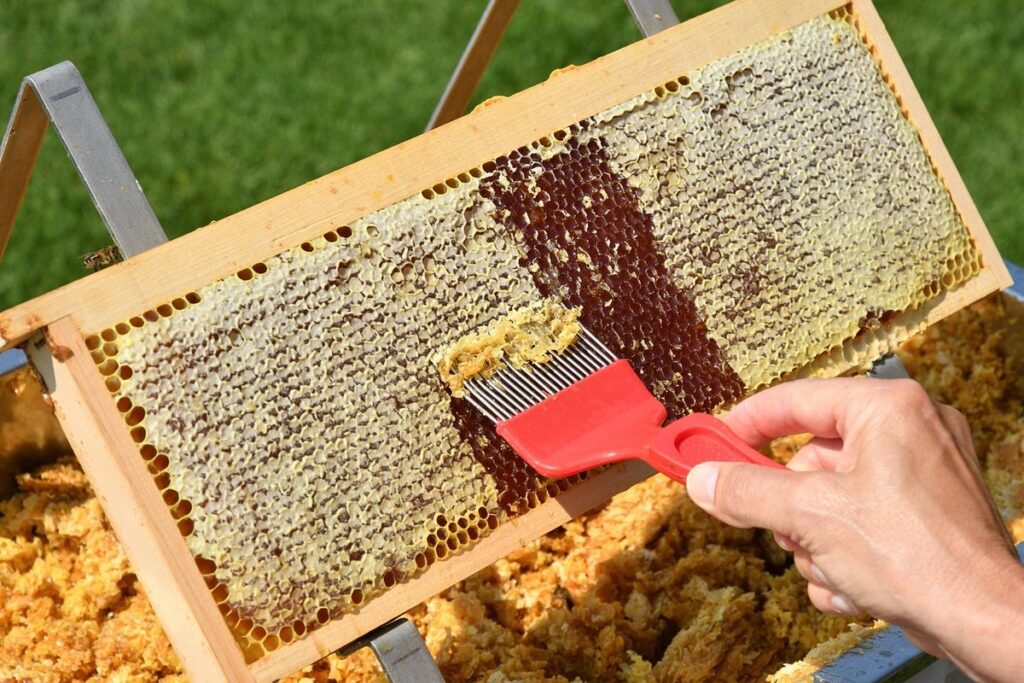
Raw honeycomb is a complex and fascinating product, made up of wax cells produced by bees to store their precious nectar. Let’s dive into what makes raw honeycomb so unique.
Definition and Production Process
Raw honey comb is a natural, unfiltered product that’s still buzzing with life. It’s essentially honey, but instead of being extracted and sold as liquid gold, it remains encased within its waxen home. This delicate balance between honey and wax is what sets raw honey comb apart from other types.
The production process involves bees collecting nectar from flowers, which they then convert into honey through a series of regurgitations. Bees use this honey to fuel their colony’s growth, storing it in hexagonal cells within the comb. The comb itself serves as both storage and structural support for the hive.
One unique characteristic of raw honey comb is its living, breathing nature. Bees are constantly active within the comb, adding new wax layers to expand their home or repairing damaged areas. This means that raw honey comb can contain tiny imperfections, such as air pockets or uneven cell shapes – all testament to its natural origin.
When selecting raw honey comb, look for products with minimal processing and a clear indication of the region where it was produced.
Types of Raw Honey Comb
When it comes to raw honey comb, you’ll find that there are several types available, each with its own unique properties and uses. One of the most popular types is Acacia Honey Comb, which is harvested from the nectar of acacia trees. This type of comb is prized for its delicate flavor and aroma, making it perfect for pairing with fruit or using as a topping for yogurt.
Another type is Buckwheat Honey Comb, which has a stronger, more robust flavor than other types. It’s often used in baking and cooking due to its unique flavor profile and ability to add moisture to recipes.
Manuka Honey Comb is another popular variety, known for its antibacterial properties and earthy flavor. It’s commonly used topically to aid in wound healing and has even been shown to have anti-inflammatory effects.
Wildflower Honey Comb is a type that varies depending on the specific region it’s harvested from, resulting in a unique flavor profile each time. This makes it perfect for experimenting with different flavors and recipes.
Health Benefits of Raw Honey Comb
Raw honeycomb is a natural superfood that not only tastes amazing but also offers numerous health benefits, from soothing allergies to fighting off infections. Let’s explore these incredible advantages in more detail!
Antimicrobial Properties
Raw honey comb boasts an impressive arsenal of antimicrobial properties that set it apart from other natural remedies. Its unique composition allows it to combat a wide range of pathogens, including bacteria, viruses, and fungi.
One key player behind these antimicrobial properties is methylglyoxal (MGO), a compound found in high concentrations in raw honey comb. MGO has been shown to exhibit potent antibacterial activity against notorious culprits like E. coli and MRSA. This means that when you consume or apply raw honey comb topically, it may help prevent infections, accelerate wound healing, and even combat antibiotic-resistant bacteria.
The antimicrobial properties of raw honey comb also owe a debt to its high water content, which creates an inhospitable environment for microorganisms. Furthermore, the presence of hydrogen peroxide in raw honey comb allows it to naturally disinfect wounds, cuts, and other areas prone to infection.
When using raw honey comb as a natural remedy, consider the following tips: always opt for raw, unfiltered combs; store them properly to preserve their potency; and experiment with topical applications for optimal results.
Allergy Relief and Sinus Issues
Consuming raw honey comb has been found to have numerous benefits for those struggling with allergy symptoms and sinus issues. One of the primary reasons is due to its high content of methylglyoxal (MGO), a compound that has been shown to reduce inflammation and fight off infections. Raw honey comb contains MGO in varying concentrations, with some products boasting levels as high as 300mg per kilogram.
When consumed regularly, raw honey comb can help alleviate allergy symptoms such as congestion, sneezing, and itchiness. This is because the MGO present in the honey acts as an anti-inflammatory agent, reducing swelling and soothing irritated tissues within the nasal passages and sinuses. Furthermore, raw honey comb’s antimicrobial properties also help combat infections that can exacerbate sinus issues.
To reap these benefits, it’s essential to choose high-quality raw honey comb from reputable producers who have been shown to contain consistent levels of MGO. When using raw honey comb for allergy relief, start by incorporating a small amount (about one teaspoon) into your daily routine and observe how your body responds before increasing the dosage.
Digestive Health
Raw honey comb is a nutrient-dense food that offers numerous health benefits, and one of its most significant advantages lies in its ability to support digestive health. The presence of beeswax and pollen in raw honey comb plays a crucial role in this process.
Beeswax is a natural emollient that helps soothe and calm the digestive tract, reducing inflammation and promoting healthy gut bacteria. When consumed, it can help alleviate symptoms associated with irritable bowel syndrome (IBS), such as bloating and cramps. Pollen, on the other hand, is rich in prebiotic fiber, which feeds the good bacteria in the gut, supporting a balanced microbiome.
To reap the benefits of raw honey comb for digestive health, try incorporating it into your diet in moderation. You can start by adding a small amount to your morning tea or yogurt, or use it as a topping for oatmeal or salads. As with any new food, begin with small amounts and observe how your body reacts. Remember that everyone’s digestive system is unique, so listen to your body and adjust accordingly. With regular consumption, you may find that raw honey comb becomes a valuable addition to your health routine.
Uses for Raw Honey Comb
Now that you’ve got a jar of raw honey comb, let’s dive into some creative ways to use it beyond just drizzling it on your morning toast. From baking to beauty treatments, the possibilities are endless!
Cooking and Baking
When it comes to using raw honey comb in cooking and baking, the possibilities are endless. One of the simplest ways to incorporate it into your recipes is as a natural sweetener. Raw honey comb can be used 1:1 in place of refined sugars, adding not only sweetness but also a rich, caramel-like flavor to your baked goods.
When using raw honey comb in cooking and baking, keep in mind that it’s best to use it in recipes where the heat is minimal. This means avoiding high-heat methods like frying or sautéing, as the heat can cause the honey to break down and become grainy. Instead, try incorporating it into yeast-based breads, cakes, or muffins.
For a delicious twist on traditional sugar cookies, try using raw honey comb instead of refined sugar in your dough. The result is a moist, chewy cookie with a deep, complex flavor that’s sure to impress your friends and family. Experimenting with different recipes will help you discover even more creative ways to use this versatile ingredient in the kitchen.
Skincare and Beauty Treatments
Raw honey comb is not just a sweet treat for your taste buds, but it also has numerous benefits for your skin and hair. One of the most popular uses for raw honey comb in skincare is as a face mask. When mixed with other natural ingredients like yogurt or oatmeal, raw honey comb creates an effective moisturizing mask that soothes dry skin, reduces inflammation, and promotes collagen production.
In addition to face masks, raw honey comb can also be used as a hair treatment. Its antibacterial properties help to control dandruff and itchiness, while its humectant properties keep your locks hydrated and shiny. To use raw honey comb as a hair mask, simply apply it from roots to ends, cover with a shower cap, and leave it on for 30 minutes before rinsing.
Some other benefits of using raw honey comb in skincare include reducing acne scars and dark spots, tightening pores, and even helping to reduce signs of aging like fine lines and wrinkles. With its natural antibacterial and antifungal properties, raw honey comb is also an excellent ingredient for soothing sunburns and bug bites.
Medicinal and Therapeutic Uses
Raw honey comb has been used for centuries to treat various health issues due to its unique combination of antimicrobial and anti-inflammatory properties. When it comes to wound healing, raw honey comb is a game-changer. Its non-toxic and pH-balanced nature makes it an ideal dressing for minor cuts and scrapes. In fact, the National Institute of Health has studied the use of raw honey in wound care, finding that it accelerates healing, reduces scarring, and even promotes tissue growth.
But that’s not all – raw honey comb also offers pain relief benefits. Its high concentration of methylglyoxal (MGO) gives it potent anti-inflammatory properties, making it an effective natural remedy for joint pain, arthritis, and even menstrual cramps. To harness these benefits, try applying a small piece of raw honey comb directly to the affected area or mixing it with warm water to create a soothing bath soak.
Remember to always choose high-quality, raw honey comb that’s free from additives and preservatives to get the most out of its medicinal properties. Experiment with different applications and dosages to find what works best for you – your body will thank you!
Where to Buy Raw Honey Comb
Looking for a local source of raw honey comb? If you’re wondering where to buy it, you’ve come to the right place.
Local Beekeepers and Farmers Markets
If you’re looking for raw honey comb straight from the hive, consider visiting local farmers markets or seeking out nearby beekeepers. These vendors often source their products directly from beehives, ensuring the highest quality and authenticity. When shopping at a market, look for stalls with transparent labeling and clear information about the origin of their products.
To find local beekeepers, try searching online for “beekeepers near me” or checking with your state’s agricultural extension office. Many beekeepers sell their products through community-supported agriculture (CSA) programs, which allow customers to purchase honey and other bee-related products directly from the source.
By supporting local beekeepers, you’re not only getting high-quality raw honey comb but also contributing to the local economy and promoting sustainable agriculture practices. When visiting a market or purchasing from a beekeeper, be sure to ask questions about their production methods, as this can give you insight into the quality of the products they offer.
Online Retailers and Specialty Stores
For those who prefer the convenience of shopping online, there are several reputable retailers that sell high-quality raw honey comb. One such option is Amazon, which offers a wide selection of raw honey combs from various brands and sellers. However, be sure to check the product reviews and seller ratings before making a purchase to ensure you’re getting genuine raw honey comb.
Another popular online retailer is Thrive Market, which specializes in selling organic and natural products, including raw honey comb. They offer a range of brands and prices, so you can choose the one that fits your budget and preferences. You can also find specialty stores like Beekeeper’s Naturals and The Honey Shoppe that sell high-quality raw honey comb online.
When shopping online for raw honey comb, make sure to check the product description for ingredients, certification (such as USDA Organic or Non-GMO), and storage instructions. Also, be wary of sellers who claim their products are “100% raw” but have added preservatives or sugars – look for transparent labeling and third-party certifications to ensure authenticity.
If you prefer shopping from smaller, specialty stores, consider checking out local health food stores, co-ops, or farmers’ markets in your area. These stores often carry a selection of high-quality raw honey combs from local beekeepers, supporting the local economy and getting fresh products directly from the source.
DIY Production and Extraction
Extracting honey from beeswax comb at home can be a rewarding experience, but it requires attention to detail and proper equipment. To begin, you’ll need a few essential tools: a beekeeping suit, a smoker to calm the bees, a hive tool for opening the comb, and an uncapping knife or melter for removing wax cappings.
Before starting, ensure your workspace is clean and free from distractions, as the process can be meditative. Begin by smoking the bees to reduce their activity, then carefully open the honeycomb using your hive tool. Next, use your uncapping knife or melter to remove the wax cappings, taking care not to crush the comb.
As you extract the honey, it’s essential to work in a warm environment (around 50-60°F) to facilitate flow and prevent crystallization. This process can take several hours depending on the size of the comb and the strength of the bees. Remember to harvest only what’s necessary, as over-extraction can harm the colony.
Proper ventilation is also crucial, as the fumes from the melting wax can be overpowering. Consider using a face mask or respirator to ensure your safety.
Conclusion
Now that we’ve explored the benefits and uses of raw honey comb, let’s summarize our key takeaways from this sweet exploration.
Recap of Benefits and Uses
Raw honey comb has proven to be an incredibly versatile and valuable addition to our diets and wellness routines. By incorporating this natural wonder into our lives, we can tap into its numerous benefits and uses.
As we’ve discussed throughout this article, raw honey comb is a rich source of antioxidants, vitamins, and minerals. It can help support immune function, reduce inflammation, and even promote healthy digestion. But that’s not all – its antibacterial properties make it an effective natural remedy for wound healing and skin issues. And let’s not forget about its unique ability to regulate blood sugar levels.
One of the most exciting benefits of raw honey comb is its potential to enhance cognitive function and memory. Studies have shown that consuming small amounts of raw honey can improve focus, attention span, and even reduce symptoms of ADHD. Plus, with its soothing properties, it can also be used as a natural cough syrup or throat lozenge.
As you explore the world of raw honey comb, remember to always choose high-quality, unfiltered options to reap the most benefits. Experiment with using it in your cooking, beauty routines, and even as a sweetener substitute – the possibilities are endless!
Final Thoughts and Recommendations
As you’ve learned about the benefits and versatility of raw honey comb, it’s time to incorporate this natural wonder into your daily life. Raw honey comb can be used for various health needs, from soothing coughs to supporting immune function. You can start by using it as a natural sweetener in your tea or coffee, replacing refined sugars with its rich, complex flavor.
For specific health needs, consider the following uses: as a cough syrup when mixed with warm water, or as a topical ointment for wound healing and skin issues due to its antimicrobial properties. You can also use it as a natural energy booster by consuming it before workouts or during long days.
When shopping for raw honey comb, look for products from local beekeepers or reputable suppliers that ensure quality and authenticity. Start with small amounts and experiment with different uses to find what works best for you. By incorporating raw honey comb into your daily routine, you’ll not only enjoy its unique taste but also reap the rewards of this natural superfood’s numerous benefits.
Frequently Asked Questions
Can I use raw honey comb straight from the beehive or do I need to process it first?
Raw honeycomb can be consumed directly from the beehive, but some people may find it more palatable after removing excess wax and filtering out any debris. However, processing it can also reduce its natural antimicrobial properties and other health benefits. Start by using small amounts and observe how your body reacts to it in its raw form.
How long does raw honey comb last when stored properly?
When stored in an airtight container at room temperature, raw honeycomb can last indefinitely due to its low water content and antibacterial properties. However, it’s essential to check for any visible signs of spoilage before consuming it. You can also freeze or refrigerate it to extend its shelf life.
Can I use raw honey comb as a substitute for sugar in cooking and baking?
Raw honeycomb has a distinct flavor profile that may not be suitable for all recipes. While it can be used as a natural sweetener, it’s essential to note that its water content is higher than refined sugars, which can affect the final product’s texture and consistency. Experiment with small batches to find the right balance.
Is raw honey comb safe for people with allergies or sensitive skin?
Raw honeycomb is generally considered hypoallergenic and gentle on skin. However, some individuals may still experience allergic reactions or skin irritation due to unique sensitivities. If you have allergies or sensitive skin, start by performing a patch test before using it extensively.
Can I produce raw honey comb at home if I have beehives?
Yes, producing raw honeycomb at home can be a rewarding experience, but it requires careful attention to bee health and proper processing techniques to maintain the product’s quality and safety. Consult with experienced beekeepers or online resources to learn more about small-scale production methods.