
Composting coconut coir is an innovative way to reduce waste, create nutrient-rich fertilizer, and promote sustainable gardening practices. As we become increasingly aware of our environmental footprint, finding ways to minimize our ecological impact is crucial. One often overlooked resource is coconut coir, a byproduct of the coconut industry that can be transformed into valuable compost. Not only does composting coconut coir help reduce waste sent to landfills, but it also provides an excellent alternative to chemical fertilizers and mulch. In this article, we’ll explore the benefits of composting coconut coir and walk you through a step-by-step process for doing so at home or on a small-scale farm. Whether you’re part of a community-led initiative or simply looking to reduce your waste, this guide will show you how to harness the power of coconut coir and create something truly valuable from what would otherwise be discarded.
What is Coconut Coir and Why Compost It?
So, you’re wondering what coconut coir even is and why on earth we should be composting it in the first place. Let’s dive into the basics.
Characteristics and Uses of Coconut Coir
Coconut coir is a versatile and highly sought-after natural resource in gardening and agriculture. One of its key characteristics is its high carbon-to-nitrogen ratio, typically ranging from 8:1 to 10:1. This unique property makes it an excellent addition to compost piles, as it helps balance out the nitrogen-rich “green” materials like food scraps and grass clippings.
Coconut coir’s uses extend far beyond composting, however. It can be used as a growing medium for seedlings and cuttings, providing an optimal moisture retention capacity without waterlogging the roots. In agriculture, coconut coir is often employed as a soil conditioner, improving soil structure and increasing its ability to retain water and nutrients.
In gardening, coconut coir can be utilized as a mulch or top dressing, helping to regulate soil temperature and suppress weed growth. Some gardeners also repurpose coconut coir into potting mixes, taking advantage of its excellent drainage properties and ability to support healthy root development. By incorporating coconut coir into your compost pile or using it in various gardening applications, you can unlock a wealth of benefits for your plants and the environment.
Environmental Impact of Coconut Coir Waste
Coconut coir waste management is not just a matter of disposal; it has far-reaching environmental consequences. The production and harvesting of coconut products lead to deforestation as coconut plantations encroach on forests, contributing to habitat loss and biodiversity decline. Furthermore, the inefficient use of water in coconut cultivation results in water pollution through chemical runoff and fertilizer application.
The entire lifecycle of coconut coir contributes to greenhouse gas emissions. From transportation to processing, each stage produces carbon dioxide and other pollutants. It’s estimated that the global coconut industry emits approximately 3 million tons of CO2 annually.
If you’re looking to make a positive impact, consider composting coconut coir. Composting this waste reduces its contribution to deforestation and greenhouse gas emissions. By diverting it from landfills, you also minimize its potential for water pollution. To get started, collect dried coconut coir, mix it with other compost materials like leaves or food scraps, and maintain a balanced carbon-to-nitrogen ratio. Regular turning and monitoring pH levels ensure optimal decomposition. As the compost matures, use it as nutrient-rich fertilizer in your garden, closing the loop on sustainable waste management.
Preparing Coconut Coir for Composting
Before you can compost coconut coir, you need to prepare it by removing any debris and breaking it down into smaller pieces. This step is crucial for ensuring optimal decomposition.
Collecting and Cleaning Coconut Coir Materials
When sourcing coconut coir for composting, look for suppliers that harvest from sustainable sources. This ensures the coir is collected responsibly and with minimal environmental impact. Consider buying from local farmers who follow eco-friendly practices.
Once you have obtained the coconut coir, it’s essential to clean and dry it properly before using it in your compost pile. Start by removing any debris or contaminants, such as shell fragments or plastic bags. Then, spread the coir out in a thin layer to allow air to circulate around each piece. Store it in a well-ventilated area to speed up the drying process.
To dry coconut coir efficiently, you can also use a dehydrator or oven on its lowest temperature setting (usually 150°F). Monitor the coir’s moisture levels by checking its weight and texture. When it reaches a moisture level of around 10%, it’s ready for composting. If you’re short on time, you can skip this step and add the coconut coir directly to your compost pile, but be aware that it may take longer to break down.
Avoid using wet or damp coconut coir in your compost pile, as it can create anaerobic conditions that attract pests and odors. Proper drying ensures a faster decomposition process, reducing the risk of these issues.
Reducing Waste with Coconut Coir Pellets or Briquettes
Converting coconut coir into compact pellets or briquettes is an excellent way to reduce waste and make it easier to store and transport. This process involves compressing the loose fibers of coconut coir into small, uniform shapes that can be stored in smaller spaces.
To create these compressed forms, you’ll need a briquette machine or a manual press. The machine will compress the coconut coir into cylindrical or square-shaped pellets, while the manual press will produce more irregularly shaped briquettes. Some eco-friendly companies even use biodegradable glue to hold the briquettes together.
Once made, these compact forms can be easily stored in containers or bags, taking up much less space than loose coconut coir. They’re also lighter and easier to transport, making them ideal for small-scale composting projects or for use as a natural growing medium.
When using coconut coir pellets or briquettes in your compost pile, make sure to follow the same guidelines as with loose coconut coir: mix with other carbon-rich materials like straw or leaves, and add adequate moisture. This will help speed up decomposition and create nutrient-rich compost for your garden.
Composting Methods Using Coconut Coir
Let’s dive into some creative ways to repurpose coconut coir for composting, including bokashi, vermicomposting, and cold composting methods. You’ll find a solution that suits your needs.
Cold-Composting: A Natural Process
Cold-composting is a natural process that allows microorganisms to break down coconut coir and other organic materials without generating heat. This method relies on the presence of beneficial microbes, which thrive in cooler temperatures, typically between 50°F to 70°F (10°C to 21°C). To facilitate cold-composting, it’s essential to provide adequate aeration by mixing the materials regularly, allowing for airflow and preventing anaerobic conditions.
Maintaining optimal moisture levels is also crucial. The mixture should be kept moist but not waterlogged, as excessive moisture can lead to mold and inhibit microbial activity. Regular monitoring of the compost pile will help you identify any issues before they become major problems.
When using cold-composting with coconut coir, it’s essential to balance carbon-rich materials (like dry leaves or shredded newspaper) with nitrogen-rich ingredients (such as kitchen scraps). A general rule is to maintain a 2:1 ratio of “brown” to “green” materials. By following these guidelines and regularly monitoring your compost pile, you can successfully create nutrient-rich coconut coir compost using the cold-composting method.
Hot-Composting: Accelerating Decomposition with Microorganisms
Hot-composting is an accelerated decomposition process that uses microorganisms to break down coconut coir into nutrient-rich compost quickly. This method involves creating a warm and humid environment that fosters the growth of beneficial microbes, speeding up the decomposition process.
The benefits of hot-composting coconut coir are numerous. For one, it reduces the time it takes for decomposition from months to just a few weeks. This is especially useful for gardeners who need compost quickly for their plants. Additionally, hot-composting increases the quality and stability of the final product, making it perfect for use in sensitive ecosystems.
However, hot-composting can be challenging due to its high temperature requirements. To achieve optimal results, ensure that your coconut coir pile reaches temperatures between 130°F and 140°F (54°C and 60°C). Maintain this temperature by mixing the pile regularly, ensuring adequate oxygen flow, and keeping it moist but not waterlogged.
Aim for a carbon-to-nitrogen ratio of 25:1 to 30:1 when hot-composting coconut coir. This balance will support microbial growth while preventing excessive ammonia production.
Compost Quality Control and Certification
To ensure you’re using high-quality compost, it’s essential to understand what quality control measures are in place for coconut coir compost. Let’s dive into the details of certification and testing processes.
Testing for Nutrient Content and Contaminants
When it comes to evaluating the quality of coconut coir compost, testing for nutrient content and contaminants is crucial. To ensure your finished product is safe for use and effective as a soil amendment, you’ll want to assess its pH levels, nutrient content, and presence of heavy metals.
Start by testing the pH level of your compost. You can do this using a simple pH meter or send samples to a lab for analysis. The ideal pH range for most plants is between 6.0 and 7.0. Coconut coir compost tends to be slightly acidic, so if your results fall within this range, you’re on the right track.
Next, test for nutrient content using methods such as the Walkley-Black or Kjeldahl method. These tests will provide you with a breakdown of nitrogen, phosphorus, and potassium levels in your compost. Aim for a balance that mimics natural soil composition – around 2-3% nitrogen, 1-2% phosphorus, and 1-2% potassium.
Lastly, test for heavy metal contaminants like lead, mercury, and cadmium using atomic absorption spectroscopy (AAS) or inductively coupled plasma mass spectrometry (ICP-MS). These methods are more expensive but essential for ensuring your compost is safe for use.
Achieving Compost Certification: Benefits and Requirements
Achieving compost certification is a crucial step in ensuring that your coconut coir compost meets industry standards and regulatory requirements. By obtaining certification, you can demonstrate to customers and regulators that your product is of high quality and safe for use.
Industry standards for compost certification vary depending on the region and type of product. In the United States, for example, the US Composting Council’s Seal of Testing Assurance (STA) program provides a widely recognized standard for compost quality. To achieve STA certification, coconut coir compost must meet strict guidelines for pH levels, moisture content, and pathogens.
Regulatory frameworks also play a significant role in achieving compost certification. In some regions, compost products may be subject to labeling requirements or other regulations that dictate what can and cannot be included in the product. Familiarize yourself with local regulations to ensure compliance.
To achieve certification, follow these steps: identify your target market and industry standards, conduct regular testing for key parameters, and adhere to best management practices during production. By doing so, you’ll not only meet regulatory requirements but also demonstrate a commitment to quality and sustainability.
Implementing Coconut Coir Composting in Your Garden
Now that you know how composting coconut coir can benefit your garden, let’s dive into implementing it successfully in your own backyard. We’ll cover the essential steps and tips for incorporating coir compost into your gardening routine.
Creating a Composting System for Small-Scale Farms or Gardens
When it comes to creating a composting system for small-scale farms or gardens using coconut coir, there are several key considerations to keep in mind. First and foremost, you’ll want to start by selecting a suitable location for your compost pile. This should be well-ventilated, easily accessible, and protected from extreme weather conditions.
Next, determine the size of your composting system based on the amount of coconut coir and other organic materials you have available. A general rule of thumb is to maintain a carbon-to-nitrogen ratio of 2:1, with coconut coir providing the bulk of the carbon source.
To set up your compost pile, start by layering the coconut coir with other green materials like food scraps or manure. Aim for a mix of one-third brown materials (coconut coir) and two-thirds green materials. Keep the pile moist, but not waterlogged, turning it regularly to ensure adequate oxygen flow.
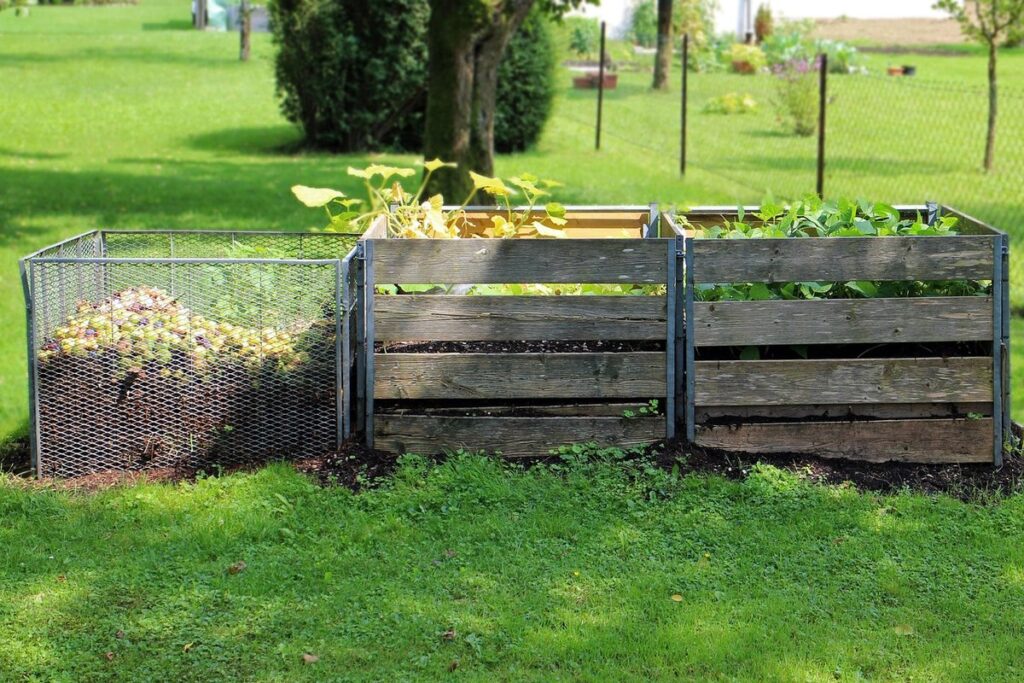
In terms of specific design considerations, consider using a three-bin system to maintain a continuous composting process. This involves adding new materials to one bin while allowing the previous batch to break down in the second bin, and finally, harvesting mature compost from the third bin.
Tips for Using Composted Coconut Coir as Fertilizer or Mulch
When it’s time to put your composted coconut coir to use, you’ve got two primary options: fertilizer and mulch. As a natural, slow-release fertilizer, coconut coir can help your plants thrive with minimal waste. To reap these benefits, simply mix 10-20% of the composted coir into your soil before planting. This will provide a boost of essential nutrients like nitrogen, phosphorus, and potassium.
As a mulch, coconut coir is an excellent choice for retaining moisture and suppressing weeds. Apply a 2-3 inch layer around plants to retain moisture in the soil and regulate soil temperature. As it breaks down, coconut coir also adds organic matter to the soil, improving its structure and fertility over time.
When applying composted coconut coir as mulch, be sure not to pack it too tightly against plant stems. Leave a small gap for air to circulate and prevent moisture from becoming trapped, which can lead to root rot and other issues. By using composted coconut coir thoughtfully in your garden, you’ll enjoy the numerous benefits of this sustainable resource while minimizing potential drawbacks.
Case Studies and Examples of Successful Coconut Coir Composting
Let’s take a look at some real-life examples of coconut coir composting success stories, from small farms to urban gardening projects. These case studies offer valuable insights into effective practices and strategies.
Community-Led Initiatives in Developing Countries
In many developing countries, coconut coir composting has been successfully implemented through community-led initiatives. One notable example is in India’s Kerala state, where a grassroots movement has transformed the way communities manage their waste. The initiative, known as “Kudumbashree,” empowers women to take charge of composting and recycling programs at the local level.
Through Kudumbashree, women collect coconut coir from various sources, including farms and households, and process it into nutrient-rich compost. This not only reduces waste but also generates income for the participating women. Similarly, in Sri Lanka’s rural areas, community-led initiatives have adopted coconut coir composting as a key component of their organic farming practices.
These projects demonstrate that with proper training, resources, and support, communities can effectively implement coconut coir composting on a large scale. To replicate such successes, it’s essential to involve local stakeholders in the planning and implementation process, ensuring that the initiative is tailored to meet the specific needs and circumstances of each community.
For instance, the introduction of simple, low-cost infrastructure and technologies, such as composting pits or vermicomposting units, can significantly enhance the efficiency and effectiveness of coconut coir composting. Moreover, by leveraging local resources and expertise, communities can minimize costs and maximize benefits from this sustainable practice.
Commercial Applications and Benefits for Sustainable Agriculture
Many companies and organizations are turning to coconut coir composting as a means to achieve sustainable agriculture goals. A notable example is Costa Farms, one of the largest producers of potted plants in the world. They have successfully implemented coconut coir composting on their farms, reducing waste and creating nutrient-rich soil for their crops.
Another example is Urban Crops, a vertically integrated urban farm that uses coconut coir compost to grow leafy greens and herbs. By incorporating coconut coir compost into their soil, they’ve seen significant improvements in crop yields and reduced water usage by up to 50%.
These real-world examples demonstrate the potential of coconut coir composting for sustainable agriculture. Companies can benefit from reduced waste management costs, improved crop yields, and enhanced environmental sustainability. To replicate these results, businesses can start by identifying areas where coconut coir composting can be integrated into their operations. This may involve partnering with suppliers or investing in on-site composting facilities.
Key takeaways include:
* Reducing waste management costs
* Improving crop yields through nutrient-rich soil
* Enhancing environmental sustainability
* Partnering with suppliers to source high-quality coconut coir
Frequently Asked Questions (FAQs)
We know you might have some questions about composting coconut coir, so we’ve gathered answers to the most frequently asked ones right here. Scroll down for our FAQs!
Addressing Common Concerns About Coconut Coir Composting
One common concern about composting coconut coir is the potential health risks associated with it. Some people worry that the fine particles of coconut coir can cause respiratory issues, especially for individuals who already suffer from conditions like asthma. However, studies have shown that coconut coir compost has a lower particulate matter concentration compared to other organic materials. This makes it a relatively safe option for composting.
Another concern is the potential for pests and diseases in coconut coir compost. Coconut coir can be a haven for pests like fungus gnats and mites, which can spread disease to plants. However, this risk can be mitigated by ensuring good ventilation, maintaining proper moisture levels, and regularly turning the compost pile. You should also add sufficient carbon-rich materials like brown leaves or shredded newspaper to balance out the nitrogen content in the coconut coir.
Some gardeners may also worry about the potential for weeds to germinate from coconut coir compost. While it’s true that some seeds can survive in the compost, the heat generated during the decomposition process typically kills off any weed seeds. If you’re still concerned, consider adding a weed-suppressing layer at the bottom of your compost pile or using a separate bin with a lid to prevent weeds from escaping.
By following proper composting techniques and taking preventive measures, you can minimize risks associated with coconut coir composting. Regularly monitoring temperature, moisture levels, and pest activity will also help ensure a healthy composting process.
Frequently Asked Questions
How can I ensure the quality of my composted coconut coir?
The quality of your composted coconut coir is crucial for optimal fertilization. To achieve high-quality compost, maintain a carbon-to-nitrogen ratio between 8:1 and 10:1 by incorporating sufficient green materials (e.g., food waste, grass clippings) into your pile. Regularly turn the pile to ensure even decomposition and monitor temperature, aiming for a peak of at least 130°F (54°C). Conduct periodic nutrient content testing to gauge the effectiveness of your compost.
What are some common contaminants I should watch out for in coconut coir materials?
When collecting and cleaning coconut coir materials, be aware of potential contaminants like heavy metals, pesticides, or other pollutants. Regularly inspect your materials for any signs of contamination and consider using a geotextile filter to prevent debris entry into the compost pile. Proper cleaning techniques, such as soaking in water with vinegar or washing with soap, can help minimize contaminant risks.
Can I use coconut coir pellets or briquettes directly without composing them?
Yes, you can use coconut coir pellets or briquettes as a soil amendment without going through the composting process. These products have already been processed and are often enriched with nutrients. However, keep in mind that their effectiveness may vary depending on your specific climate and soil conditions. Consider adding them to your compost pile or using as mulch for optimal results.
How long does it take to see noticeable improvements after implementing coconut coir composting?
The time frame for observing the benefits of coconut coir composting varies based on factors such as initial soil health, temperature, and moisture levels. Generally, you can expect noticeable improvements within 1-3 months following application. Keep in mind that cold-composting methods may take longer to produce results compared to hot-composting techniques.
Can I use coconut coir compost with plants that are sensitive to fertilizers or chemicals?
Yes, coconut coir compost is a natural and chemical-free alternative to synthetic fertilizers, making it suitable for use with even the most sensitive plants. However, be cautious not to over-fertilize, as this can still harm certain species. Optimize your fertilizer application rates based on plant requirements, and always test your soil before introducing new materials to ensure balanced nutrient levels.