
If you’re looking for ways to reduce waste and create nutrient-rich soil amendments, you might be surprised at how composting hemp twine can help. This sustainable practice not only conserves resources but also reduces the environmental impact of traditional agriculture. By incorporating hemp twine into your compost pile, you can tap into its rich potential for growth and renewal. In this article, we’ll delve into the process of composting hemp twine, from preparation to benefits and challenges. You’ll learn how this simple yet effective method can help you create a nutrient-rich soil amendment that’s perfect for your garden or indoor plants. We’ll also explore the advantages of using composted hemp twine as a natural fertilizer alternative, reducing waste and promoting sustainable gardening practices.
What is Hemp Twine and Why Should You Compost It?
Hemp twine might seem like an unusual addition to your compost pile, but it’s a valuable resource that can bring numerous benefits to your soil. Let’s explore what hemp twine is and why it’s worth composting.
Introduction to Hemp Twine
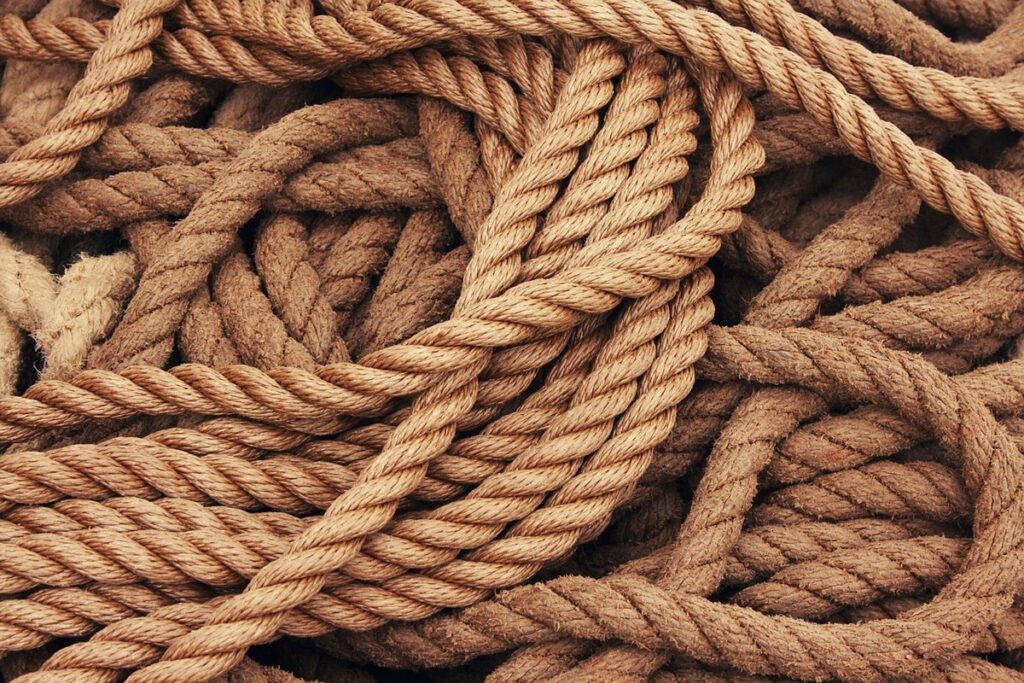
Hemp twine is gaining popularity as a sustainable alternative to traditional garden ties. Made from hemp fibers, this versatile material has been used for centuries due to its durability and versatility. Traditionally, hemp twine was used for binding and securing cargo on ships, but today it’s finding new uses in gardening and landscaping.
One of the primary reasons hemp twine is becoming increasingly popular for composting is its high carbon-to-nitrogen ratio. This makes it an ideal addition to compost piles, where it helps balance out the nitrogen-rich materials like food scraps and grass clippings. When added to a compost pile, hemp twine will break down quickly, releasing its nutrients back into the soil.
As gardeners and landscapers look for ways to reduce their waste and create nutrient-rich soil, hemp twine is emerging as an attractive option. Its durability means it can withstand the composting process without breaking down too quickly, while its high carbon content makes it an excellent activator for speeding up the decomposition process. By incorporating hemp twine into your compost pile, you’ll be creating a nutrient-rich fertilizer that will benefit your plants and soil for years to come.
Environmental Impact of Disposing of Hemp Twine
When you dispose of hemp twine, it’s easy to overlook its environmental impact. However, the truth is that this seemingly innocuous material can contribute significantly to our planet’s problems if not handled properly. For instance, clogging landfills with non-biodegradable materials like plastic-coated hemp twine can lead to waste management issues and even affect the decomposition process of organic matter in these facilities.
Moreover, when hemp twine is disposed of through incineration or landfilling, it can break down into microplastics. These tiny particles can contaminate soil and water, posing a risk to ecosystems and human health. In fact, studies have shown that microplastic pollution has already infiltrated the food chain, with alarming amounts detected in tap water, air, and even table salt.
To mitigate this issue, it’s crucial to compost hemp twine instead of sending it to landfills or incinerators. By doing so, you’ll not only reduce waste but also create a nutrient-rich soil amendment that can help your garden thrive.
Preparing Hemp Twine for Composting
Before you start composting hemp twine, it’s essential to break down and prepare the material by removing any debris, dust, or moisture. This step ensures a smooth composting process for your hemp twine.
Removing Any Packaging or Ties
When preparing hemp twine for composting, it’s essential to remove any packaging materials, ties, or other non-compostable items that may be attached. Start by gently unwinding the twine from its plastic or paper wrapping, and set aside any recyclable materials. Next, inspect the twine for rubber bands, wire ties, or other fasteners that may be holding it together. Remove these items carefully, as they can harbor pathogens and contaminants that could harm your compost pile.
To ensure you’re removing all non-compostable materials, take a closer look at any labels or tags attached to the hemp twine. These often contain plastic or other synthetic materials that shouldn’t be added to your compost. Simply snip off these labels using scissors or garden shears, and discard them separately.
Once you’ve removed all packaging and ties, your hemp twine is ready to be added to your compost pile.
Cutting or Shredding Hemp Twine
When cutting or shredding hemp twine for composting, it’s essential to break down these long fibers into smaller pieces. This not only aids in the decomposition process but also reduces unpleasant odors and makes the twine more palatable for microorganisms.
To effectively cut or shred hemp twine, you can use a variety of tools. A sharp pair of garden shears or pruning scissors work well for cutting larger sections of twine into manageable pieces. Alternatively, you can utilize a paper shredder or a mulching machine to further break down the fibers into fine shreds.
By cutting or shredding hemp twine into smaller pieces, you’re providing microorganisms with an easier path to access and break down the organic matter. This not only speeds up the decomposition process but also reduces the likelihood of unpleasant odors associated with larger intact fibers. Aim for a mix of long and short fibers in your compost pile for optimal balance and efficiency.
Keep in mind that smaller pieces will require less time to decompose than larger sections, allowing you to utilize the compost more quickly in your garden or indoor plants.
Composting Process: Adding Hemp Twine to Your Pile
Now that you have a good understanding of hemp twine’s role in composting, let’s dive into the process of incorporating it into your pile safely and effectively.
Mixing with Other Organic Materials
When incorporating hemp twine into your compost pile, it’s essential to mix it with other organic materials to promote healthy decomposition. Start by adding a 2-3 inch layer of leaves, grass clippings, or shredded newspaper at the base of the pile. This carbon-rich material will help balance out the nitrogen content in the hemp twine.
Next, add a mix of food scraps, vegetable peels, and eggshells to the pile. These materials are high in nitrogen and will help break down the cellulose in the hemp twine. Aim for a ratio of 2/3 “brown” materials (leaves, straw, etc.) to 1/3 “green” materials (food scraps, grass clippings, etc.).
As you add more materials to the pile, maintain a balance between carbon-rich and nitrogen-rich ingredients. This will create an optimal environment for microorganisms to thrive, breaking down the hemp twine into a nutrient-rich compost. For example, adding a layer of rich soil or finished compost can help speed up the decomposition process by introducing beneficial microbes to the pile.
Monitoring Moisture Levels and Temperature
When adding hemp twine to your compost pile, it’s essential to monitor moisture levels and temperature to ensure a balanced environment for efficient breakdown. A well-structured composting process requires maintaining optimal conditions, which can be achieved by regularly checking the moisture and temperature of your heap.
To determine if your compost is too wet or dry, perform a simple squeeze test: take a handful of compost and squeeze it gently. If water drips from the mixture, it’s likely too wet, whereas if the mixture crumbles easily, it’s probably too dry. Aim for a consistency similar to damp soil, with just enough moisture to support microbial activity.
Temperature monitoring is also crucial, as most pathogens and weed seeds are killed off when compost reaches temperatures between 130°F and 140°F (54°C-60°C). Use a compost thermometer to check the temperature of your heap daily, aiming for a balance between heat generation and cooling. Aim for a peak temperature of around 160°F (71°C), which will help ensure efficient decomposition and minimize odors.
Benefits of Composting Hemp Twine
Composting hemp twine is a game-changer for gardeners and environmentalists alike, offering several benefits that make it an attractive choice for sustainable living. Let’s dive into what makes composting hemp twine so valuable.
Reducing Waste and Conserving Resources
Composting hemp twine reduces waste sent to landfills and conserves natural resources by reusing materials that would otherwise be discarded. When you compost hemp twine, you’re giving old materials a new life, reducing the need for virgin raw materials and the energy required to produce them.
For example, conventional cotton production is estimated to use over 20% of global insecticides and 16% of pesticides. By choosing to compost hemp twine, you’re avoiding the environmental impacts associated with these chemicals. Additionally, hemp is a highly renewable resource that requires minimal water and pesticides to grow, making it an attractive alternative to traditional materials.
When composting hemp twine, make sure to shred it into smaller pieces before adding it to your pile. This will help it break down more efficiently and prevent any potential weed seeds from sprouting. Aim for a mix of 2/3 “green” materials (such as food scraps or grass clippings) and 1/3 “brown” materials like hemp twine, which provides carbon-rich nutrients to support microbial growth.
Creating Nutrient-Rich Soil Amendments
When hemp twine is broken down through composting, it creates nutrient-rich soil amendments that can significantly benefit plant growth and overall soil health. These amendments are rich in nitrogen, phosphorus, and potassium, making them an excellent natural fertilizer for plants.
As the hemp twine decomposes, it releases a complex mixture of nutrients, including micronutrients like zinc and magnesium. These micronutrients play a vital role in plant development, promoting healthy root growth and photosynthesis. The composted hemp twine also improves soil structure, increasing its water-holding capacity and aeration.
To create nutrient-rich soil amendments from composted hemp twine, you can follow these steps: mix 10% of the decomposed hemp twine with 90% of other compost materials like leaves or food scraps. Allow the mixture to mature for several months, ensuring optimal decomposition and nutrient release. This compost tea can be applied directly to plants as a fertilizer or added to potting mixes for improved soil health.
This natural and sustainable approach to fertilization not only reduces your environmental footprint but also promotes long-term soil fertility and plant resilience.
Challenges and Considerations for Composting Hemp Twine
While composting hemp twine is a great way to reuse waste, there are some challenges you should be aware of before getting started, like contamination risks. These considerations can impact your final product’s quality and safety.
Potential Odor Issues
Composting hemp twine can potentially raise odor concerns due to its high nitrogen content. As hemp twine is rich in organic matter and has a relatively low carbon-to-nitrogen ratio, it may break down rapidly and release strong ammonia smells during the composting process.
To mitigate these issues, using carbon-rich materials alongside hemp twine can help maintain a balanced carbon-to-nitrogen ratio. Adding materials like straw, shredded newspaper, or coconut coir can provide the necessary carbon content to neutralize odors. For example, mixing 1 part of hemp twine with 2 parts of carbon-rich materials can create an ideal balance.
Additionally, maintaining adequate aeration and moisture levels in the compost pile can also help minimize odor buildup. Turning the compost regularly will ensure air reaches all areas, preventing anaerobic conditions that contribute to strong odors. Monitoring temperature, pH, and moisture levels can also provide valuable insights for optimizing the composting process and reducing potential odor issues. By incorporating these strategies, you can successfully compost hemp twine while minimizing unpleasant smells.
Ensuring Proper Breakdown
Proper breakdown of hemp twine is crucial to create nutrient-rich compost. To ensure this process occurs efficiently, it’s essential to monitor moisture levels, temperature, and aeration within the compost pile.
Moisture is critical as excessive dryness can hinder decomposition, while over-saturation leads to anaerobic conditions, creating unpleasant odors and potentially harming microorganisms. Aim for a mix of 50-60% water content, adjusting periodically as needed. You can use a simple moisture meter or the ‘squeeze test’: if the compost feels like damp soil, it’s correct.
Temperature plays a vital role in microbial activity, with ideal ranges between 130°F to 140°F (54°C to 60°C). Regularly check temperatures by inserting a thermometer into the pile. Monitor for signs of excessive heat, which can indicate anaerobic conditions or over-mixing, leading to nutrient loss.
Maintaining adequate aeration allows oxygen to reach microorganisms, promoting efficient decomposition. Ensure airflow by mixing the compost regularly and keeping it at least 3-4 feet high to allow for air circulation. By balancing these three factors – moisture, temperature, and aeration – you’ll be well on your way to breaking down hemp twine effectively in your compost pile.
Tips for Successful Composting of Hemp Twine
To compost hemp twine successfully, it’s essential to understand how its unique properties can affect the composting process and what adjustments you should make along the way. Let’s dive into some practical tips for optimal results.
Regular Maintenance and Monitoring
Regular maintenance is crucial when composting hemp twine to ensure it breaks down efficiently and effectively. As you add hemp twine to your compost pile, regularly inspect the pile to check for optimal moisture levels. Aim for a mix of 50-60% “brown” materials like dried leaves or shredded newspaper, which provide carbon-rich nutrients, and 30-40% “green” materials like food scraps or grass clippings, which add nitrogen.
Monitor the temperature of your compost pile as well – it should reach a minimum of 130°F (54°C) to kill off pathogens and weed seeds. If you notice the pile getting too hot or dry, adjust by adding more green materials or water as needed. Regular turning of the compost will also help speed up decomposition.
To take maintenance a step further, consider implementing a “layering” system: alternating between brown and green materials in 3-4 inch layers, with hemp twine added throughout. This ensures an even mix of nutrients for optimal decomposition.
Long-Term Benefits and Planning
Composting hemp twine is not just a short-term solution for managing garden waste, but it also offers long-term benefits that can enhance soil health and fertility. When planning ahead, consider the potential of composted hemp twine to improve soil structure, increase water retention, and support plant growth over time.
To maximize these benefits, plan your composting process with the long-term in mind. Start by setting aside a dedicated area for composting, ensuring it’s easily accessible and receives adequate ventilation. Next, balance the carbon-to-nitrogen ratio of your compost pile to promote efficient decomposition. A mix of 2/3 “brown” materials (dried leaves, straw) and 1/3 “green” materials (food scraps, grass clippings) is a good starting point.
Regularly monitoring temperature, moisture, and oxygen levels in the compost pile will also help maintain optimal conditions for decomposition. As your composted hemp twine matures, consider incorporating it into your garden or farm soil to reap long-term rewards. For example, adding 2-3 inches of composted hemp twine to your raised beds can significantly improve soil fertility and reduce fertilizer needs over the growing season.
Frequently Asked Questions
Can I compost hemp twine with other types of plastic waste?
While composting hemp twine is a great way to reduce waste, it’s essential to note that not all plastics are created equal when it comes to composting. Hemp twine itself can break down quickly in the right conditions, but adding other types of plastic waste may hinder the process or even create problems. Focus on incorporating biodegradable materials and avoid mixing hemp twine with synthetic plastics.
How do I prevent potential odor issues when composting hemp twine?
Yes, there is a risk of odor buildup when composting hemp twine, especially if it’s not balanced correctly with other organic materials. To minimize this risk, ensure you’re maintaining the ideal carbon-to-nitrogen ratio and keeping your pile moist but not soggy. Regular turning of the compost pile can also help prevent odors from becoming overpowering.
Can I use composted hemp twine as a substitute for chemical fertilizers in my indoor plants?
Absolutely! Composted hemp twine makes an excellent natural fertilizer alternative, rich in nutrients that promote healthy growth and development. It’s perfect for use in your indoor garden, where you want to avoid harsh chemicals but still provide your plants with the necessary sustenance.
How do I ensure that hemp twine is fully broken down before using it as compost?
Yes, proper breakdown of hemp twine is crucial before adding it to your soil or using it as a fertilizer. You can check for breakdown by looking for a crumbly texture and a dark, earthy appearance. If it still feels stiff or retains its original color, continue to mix it with other organic materials until it reaches the desired consistency.
Can I compost hemp twine in small quantities, such as a few scraps from a gardening project?
Yes! Even small amounts of hemp twine can be composted and added to your soil. While it’s true that larger quantities can make a bigger impact, every little bit counts when it comes to reducing waste and conserving resources. Just remember to balance the amount of hemp twine with other organic materials in your pile to ensure proper breakdown.