
Algae is often seen as a nuisance, clogging waterways and causing problems for aquatic ecosystems. However, this versatile microorganism has the potential to be a valuable resource when composted. By turning algae into nutrient-rich soil amendments, we can not only reduce waste but also mitigate the impact of greenhouse gas emissions associated with traditional waste management methods. Composting algae is an innovative approach that’s gaining traction in various industries. In this article, we’ll delve into the benefits and process of composting algae, exploring its potential to conserve water while creating a more sustainable future for our planet. We’ll also discuss how this technology can be applied on a larger scale to make a significant impact on waste management worldwide.
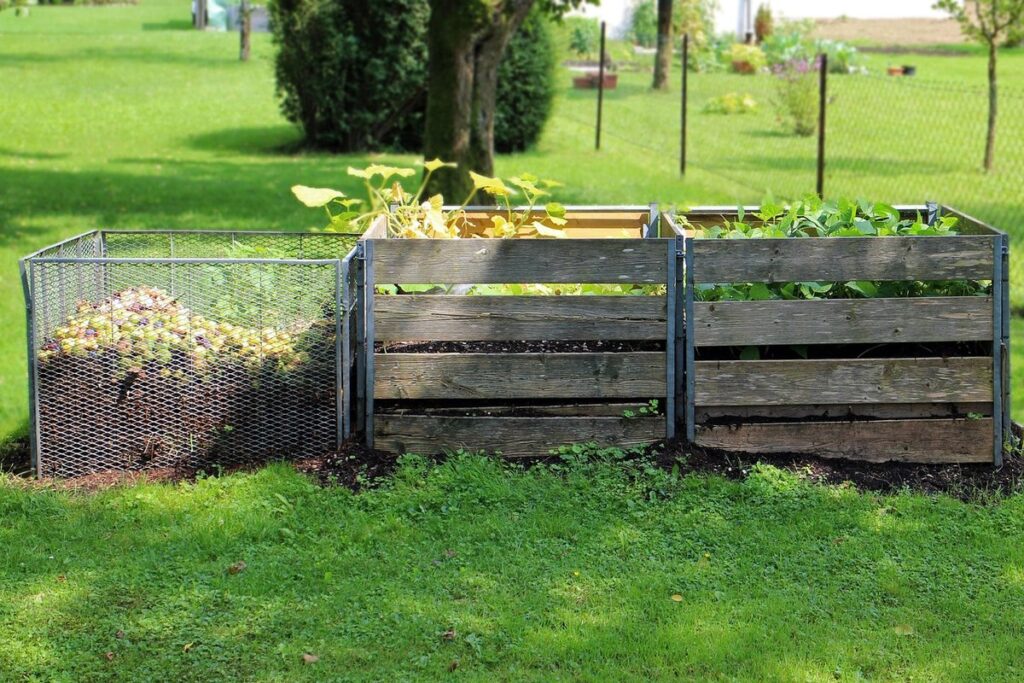
Benefits and Applications of Composting Algae
Composting algae offers a wide range of benefits, from reducing waste management costs to providing nutrient-rich soil amendments for agriculture. We’ll explore these advantages in more detail below.
What is Composting Algae?
Composting algae is a revolutionary approach to waste management that’s gaining traction worldwide. In simple terms, it involves harnessing the energy potential of microalgae, a type of aquatic plant, and converting it into valuable resources such as compost, biofuels, and animal feed. This process not only reduces organic waste but also generates revenue streams for communities and industries.
Composting algae is being used in various settings, from small-scale urban farms to large-scale industrial facilities. For instance, some wastewater treatment plants are incorporating microalgae into their systems, using the organisms to break down pollutants and nutrients in effluent water. The resulting compost can then be sold as a natural fertilizer, reducing the need for synthetic chemicals in agriculture.
This innovative approach has numerous benefits, including reduced greenhouse gas emissions, improved water quality, and increased crop yields. As we continue to explore sustainable solutions for waste management, composting algae stands out as a promising technology with far-reaching potential.
Environmental Benefits of Composting Algae
Composting algae not only helps manage waste but also provides a range of environmental benefits that are crucial for our planet’s well-being. By diverting algae from landfills and utilizing it as compost, we can significantly reduce greenhouse gas emissions associated with traditional waste management methods. In fact, studies have shown that producing 1 ton of composted algae reduces CO2 equivalent emissions by up to 70% compared to sending the same amount of waste to a landfill.
Composting algae also helps conserve water by reducing the need for synthetic fertilizers and promoting soil health. When used as a nutrient-rich amendment, composted algae enhances the structure and fertility of soil, allowing plants to absorb moisture more efficiently. This reduces the amount of water required for irrigation, making it an attractive solution for farmers and gardeners looking to minimize their environmental footprint.
Additionally, composting algae can help mitigate climate change by sequestering carbon in the soil. As the algae decomposes, its organic matter is incorporated into the soil, where it can store carbon for decades. By scaling up composting algae initiatives, we can create a positive feedback loop that not only reduces waste but also helps combat climate change.
Industrial Applications and Case Studies
Composting algae has gained significant attention from industries seeking sustainable waste management solutions. One notable example is the company Green Plains, which successfully implemented large-scale composting of algae at their production facilities. By converting wet algae into a nutrient-rich compost, they reduced waste disposal costs and created a valuable product for agricultural use.
Another example is the work of Algenol, a leading biofuels producer that has integrated composting algae into their operations. They utilize the composted material as fertilizer for algae cultivation, thereby reducing the need for synthetic fertilizers and minimizing environmental impact.
Companies like these are pioneering innovative approaches to waste management by leveraging the benefits of composting algae. As more organizations explore this technology, we can expect to see increased adoption and a reduced reliance on traditional waste disposal methods. To replicate their success, businesses can consider partnering with specialized companies that provide algae harvesting and composting services or investing in in-house processing equipment.
The Science Behind Composting Algae
So, how does composting algae actually work? Let’s dive into the fascinating science behind converting these aquatic plants into nutrient-rich fertilizer.
Microbial Processes in Composting Algae
Microorganisms play a crucial role in breaking down algae biomass, making it an essential component of composting. These microorganisms, including bacteria and fungi, feed on the complex organic matter within the algae, releasing nutrients that can be used by plants. As they break down the algae, they also create humus-rich soil, which is teeming with beneficial microbes.
This process is a prime example of natural decomposition, where microorganisms work in harmony to convert waste into valuable resources. In composting algae, microorganisms such as Trichoderma, Penicillium, and Aspergillus thrive, producing enzymes that facilitate the breakdown of complex organic molecules. The resulting humus is not only rich in nutrients but also improves soil structure and fertility.
To harness the power of microbial processes in composting algae, it’s essential to create an environment that supports their growth. This can be achieved by maintaining optimal temperatures (55-65°C), moisture levels, and pH conditions for these microorganisms to thrive. By doing so, you’ll not only produce nutrient-rich compost but also promote a sustainable and closed-loop system for managing waste.
Factors Affecting Composting Algae Efficiency
When it comes to composting algae, several key factors influence its efficiency. The pH level of the environment is one such factor. Algae prefer a slightly acidic to neutral pH range between 6 and 7 for optimal growth. If the pH deviates significantly from this range, it can lead to reduced algal growth or even death.
Another crucial factor is temperature. Most algae species thrive in temperatures ranging from 15°C to 30°C (59°F to 86°F). However, some algae can tolerate higher temperatures up to 35°C (95°F) for short periods.
Oxygen availability also plays a significant role in composting algae. Algae require adequate oxygen levels to carry out photosynthesis efficiently. Ensure that the composting environment provides sufficient aeration through mixing or other methods.
Lastly, maintaining optimal moisture content is essential. Excessive water can lead to anaerobic conditions and reduced algal growth, while inadequate moisture can cause desiccation. Aim for a moisture level between 50% and 70% to promote healthy algal growth.
Nutrient Cycles and Soil Fertility
Composting algae plays a vital role in improving soil fertility and structure. When added to the soil, composted algae acts as a natural fertilizer, providing essential nutrients like nitrogen, phosphorus, and potassium that promote plant growth. This process is facilitated by microorganisms present in the composted algae, which break down these nutrients into forms that can be easily absorbed by plants.
As a result, soils amended with composted algae tend to have improved water-holding capacity, allowing them to retain moisture longer and reducing the need for frequent watering. Moreover, the increased microbial activity also contributes to enhanced soil structure, making it easier for roots to penetrate and for air and water to reach plant roots.
This process is an essential component of nutrient cycling – a fundamental ecological concept where nutrients are constantly being exchanged between living organisms and their environment. By incorporating composted algae into agricultural practices, farmers can not only reduce waste but also create a more resilient ecosystem that supports healthy plant growth while minimizing the need for synthetic fertilizers.
Composting Algae Methods and Techniques
Let’s dive into some effective composting algae methods and techniques that will help you maximize waste reduction and create a nutrient-rich fertilizer for your plants. We’ll explore simple, efficient ways to do this at home.
Traditional Composting vs. Vermicomposting
Composting algae is an effective way to manage waste and create nutrient-rich soil. There are various methods for composting algae, including traditional composting and vermicomposting (worm composting). Let’s take a closer look at these two popular methods.
Traditional composting involves allowing microorganisms like bacteria and fungi to break down the algae. This process can be accelerated by maintaining optimal moisture levels, oxygen flow, and carbon-to-nitrogen ratios. Compost piles made from algae can be as high as 30 feet, but they should never be over 5 feet tall to ensure adequate airflow.
Vermicomposting, on the other hand, uses worms (red wigglers) to break down the algae. Worms are efficient composters that convert a significant amount of organic matter into nutrient-rich castings. In vermicomposting, a worm bin is typically set up with layers of bedding material and algae, which the worms break down over time.
When choosing between traditional composting and vermicomposting, consider your specific situation. If you have a lot of space available, traditional composting might be more suitable. However, if you prefer a low-maintenance option or need to process smaller amounts of waste, vermicomposting is an excellent alternative.
Designing a Compost Pile or System
Designing an efficient compost pile or system is crucial when it comes to composting algae. This process not only reduces waste but also produces a nutrient-rich fertilizer that can benefit the environment. To create a well-designed compost pile, consider the space available for the composting area.
Aim to dedicate a minimum of 10×10 feet of space for a small-scale composting operation. The larger the area, the more efficient the process will be, as it allows for better airflow and easier maintenance. Additionally, ensure that your chosen location receives adequate sunlight and has good drainage to prevent waterlogged conditions.
When selecting materials for your compost pile, focus on a mix of “green” (nitrogen-rich) and “brown” (carbon-rich) elements. Examples of green materials include algae itself, food scraps, or grass clippings, while brown materials include dried leaves, straw, or shredded paper. A general rule of thumb is to maintain a 2:1 ratio of brown to green materials.
Monitoring and Maintaining the Composting Process
Monitoring and maintaining the composting process is crucial to ensure that your algae compost is healthy, efficient, and produces high-quality end-products. To achieve this, it’s essential to monitor several key parameters throughout the process.
Firstly, temperature is a vital indicator of the composting process. Aim for temperatures between 130°F to 140°F (54°C to 60°C), which is optimal for microbial activity and decomposition. Monitor the temperature regularly using a thermometer, and ensure that it doesn’t exceed 160°F (71°C) to prevent the growth of pathogens.
Moisture levels are also critical, as they can affect the composting process significantly. Aim for a moisture content between 40% to 60%. If the mixture is too dry, microbial activity will slow down, while excessive moisture can lead to anaerobic conditions and unpleasant odors.
Maintaining the right carbon-to-nitrogen (C:N) ratio is also essential. A C:N ratio of 20:1 to 30:1 is ideal for composting algae. Excessive nitrogen can lead to ammonia emissions and reduced microbial activity, while too little nitrogen can slow down decomposition.
Finally, keep an eye on odors, which can indicate issues with the composting process. Regular turning of the mixture and monitoring of temperature and moisture levels can help minimize unpleasant smells. By paying attention to these key parameters, you’ll be able to fine-tune your composting process and achieve optimal results.
Challenges and Limitations of Composting Algae
While composting algae is a promising solution, it’s not without its challenges. Let’s explore some of the limitations you’ll need to consider when implementing this process.
Technical Barriers and Equipment Needs
Implementing large-scale composting algae operations comes with its own set of technical challenges. One major hurdle is the equipment requirements needed to process and manage high volumes of algae. For instance, you’ll need large-scale aeration systems, mixing tanks, and temperature control units to mimic the optimal conditions for decomposition.
In addition to the initial investment in equipment, maintenance needs are another concern. Regular cleaning and sanitizing of equipment are crucial to prevent contamination and ensure consistent product quality. This can be resource-intensive and may require specialized personnel with knowledge of biosecurity protocols.
Moreover, operating on a large scale requires robust monitoring systems to track temperature, pH levels, carbon-to-nitrogen ratios, and other key parameters that affect the composting process. Inaccurate or delayed readings can compromise the efficiency of the operation. To overcome these technical barriers, it’s essential to conduct thorough feasibility studies and collaborate with experts in both algae cultivation and composting technologies.
Regular equipment maintenance is also vital for preventing mechanical failures, which can significantly impact operations.
Economic Considerations and Cost-Effectiveness
Composting algae as a waste management solution has been met with skepticism due to concerns over its economic viability. However, when examining the costs and benefits, it becomes clear that this approach can be both cost-effective and profitable.
Initial investment costs for setting up an algae composting facility are significant, ranging from $500,000 to $2 million. These expenses cover equipment purchases, land preparation, and personnel training. Operational expenses, including energy consumption and labor costs, account for approximately 60% of the total costs.
On the other hand, revenue streams come in the form of electricity generation through anaerobic digestion and nutrient-rich fertilizer sales. According to a study by the National Renewable Energy Laboratory, algae-based biogas can power homes and businesses at a cost competitive with fossil fuels.
To make composting algae economically viable, operators must optimize their processes by increasing energy efficiency, reducing waste, and exploring alternative revenue streams. This may involve partnering with local businesses or implementing a carbon offset program. By doing so, they can reduce costs while generating additional income, making composting algae a more attractive option for waste management.
Social and Policy Implications
As composting algae gains momentum as a sustainable waste management solution, its social and policy implications become increasingly important to consider. On one hand, adopting composting algae as a mainstream practice could create new job opportunities in industries such as agriculture, waste management, and renewable energy. For instance, a study by the Algae Industry Magazine found that the algae industry could support up to 200,000 jobs globally by 2025.
To facilitate this growth, regulatory support is crucial. Governments can play a key role by establishing policies that encourage the development of algae-based composting facilities. This might involve offering tax incentives or low-interest loans to businesses investing in algae composting infrastructure. Moreover, governments could also provide funding for research and development initiatives focused on improving the efficiency and scalability of algae composting processes.
Ultimately, by embracing composting algae as a mainstream waste management solution, we can not only reduce greenhouse gas emissions but also create new economic opportunities and promote sustainable livelihoods.
Conclusion and Future Directions
As we come to a close, let’s reflect on what we’ve learned about harnessing algae for sustainable waste management and look ahead to its potential applications.
Recap of Key Findings and Takeaways
In conclusion to our exploration of composting algae as a sustainable solution for waste management, it’s essential to recap the key findings and takeaways. Composting algae offers numerous benefits, including reducing greenhouse gas emissions by up to 75%, minimizing landfill waste by diverting nutrients-rich material, and creating a valuable organic fertilizer.
One significant application of composted algae is in agriculture, where it can improve soil health, increase crop yields, and reduce the need for synthetic fertilizers. For example, researchers have successfully used composted algae as a nutrient supplement for corn crops, resulting in improved growth rates and increased biomass production.
However, challenges associated with composting algae include scalability and infrastructure development. As demand grows, it’s crucial to invest in efficient processing facilities and develop effective logistics for collecting and transporting algae-rich waste streams. To overcome these hurdles, stakeholders can collaborate on standardizing protocols for composting algae, investing in R&D to improve efficiency, and promoting public awareness about the benefits of this innovative approach to waste management. By doing so, we can harness the full potential of composted algae as a sustainable solution for a more circular economy.
Recommendations for Further Research and Implementation
As we conclude our exploration of the power of composting algae as a sustainable solution for waste management, it’s essential to look towards the future and consider ways to promote widespread adoption. One critical area for further research is developing more efficient methods for large-scale algae cultivation. This could involve exploring new technologies or strains that thrive in diverse environments, reducing costs and increasing yields.
Policy recommendations should prioritize education and outreach programs to raise awareness about the benefits of composting algae among local governments, industries, and communities. Governments can also provide incentives for businesses and households to adopt algae-based waste management systems.
To promote widespread adoption, practical steps include:
• Developing guidelines and standards for algae cultivation and composting
• Establishing partnerships between industry stakeholders, researchers, and policymakers to facilitate knowledge sharing and collaboration
• Encouraging public engagement through workshops, demonstrations, and online platforms to showcase the potential of composting algae
By taking these steps, we can accelerate the transition towards a more sustainable waste management future.
Frequently Asked Questions
Can I use composted algae as a direct substitute for commercial fertilizers?
No, while composted algae is rich in nutrients, its application rate and timing may differ from traditional fertilizers. It’s essential to follow specific guidelines for using composted algae as a soil amendment to avoid over-fertilization or under-fertilization.
How can I scale up my small-scale composting operation to accommodate larger quantities of algae?
To scale up your composting operation, consider investing in more advanced equipment such as aerators, mixers, and carbon-rich material handling systems. You may also need to implement more efficient monitoring and control systems to maintain optimal composting conditions.
What types of microalgae are best suited for composting, and how do I obtain them?
Various species of microalgae can be used for composting, including Chlamydomonas reinhardtii and Spirulina platensis. You can source microalgae from local aquatic ecosystems or purchase them from suppliers specializing in algae cultivation.
How long does it take to produce nutrient-rich compost from algae, and what are the expected yields?
The composting time for algae can range from a few weeks to several months, depending on factors such as moisture levels, temperature, and carbon-to-nitrogen ratios. Typical yields for composted algae can range from 10-20% of the original biomass.
Can I use composted algae in combination with other waste streams, or is it best used alone?
Composted algae can be successfully combined with other organic waste streams like food scraps, yard trimmings, and animal manure to create a high-quality soil amendment. This blend can enhance the overall nutrient content and improve the composting process efficiency.