
If you’re looking for ways to boost your soil’s fertility and improve its overall health, you might want to consider adding eggshells to your compost pile. Eggshell calcium is a natural and effective way to increase soil pH, providing an essential nutrient that plants need to thrive. Not only does it contribute to better plant growth, but it also supports the development of beneficial microorganisms in the soil.
This article will delve into the benefits of incorporating eggshell calcium into your composting routine. We’ll explore how using eggshells can have a significant impact on your garden’s health and productivity. By the end of this post, you’ll be equipped with the knowledge to start utilizing eggshells in your compost pile and reap the rewards of improved soil quality.
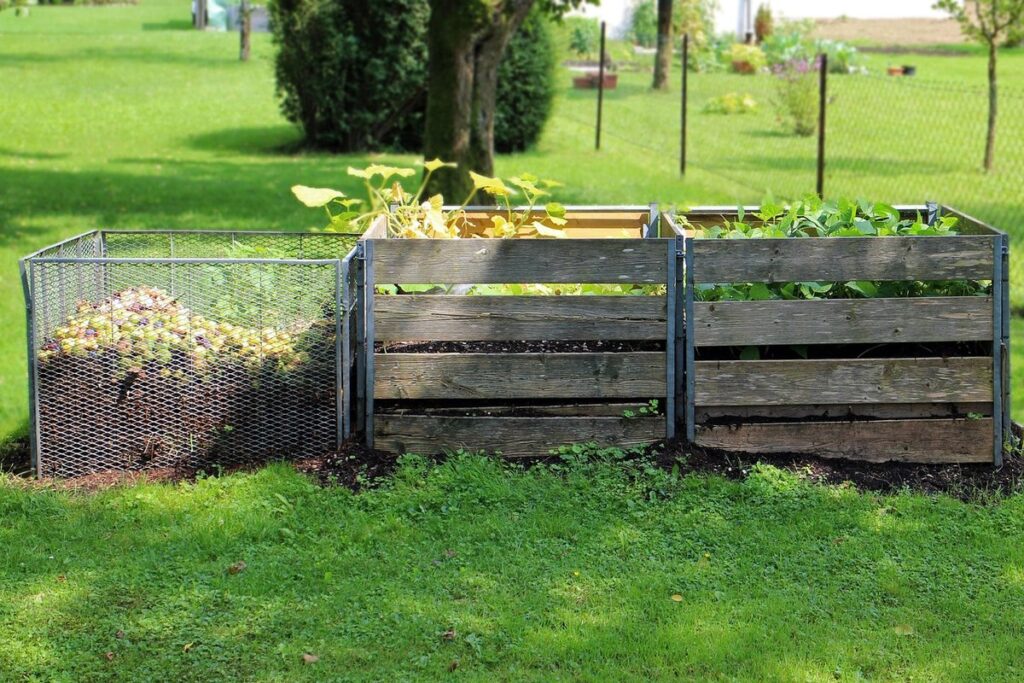
The Benefits of Using Eggshells in Compost
Eggshell calcium is a highly beneficial additive for compost, and in this section, we’ll explore the advantages of incorporating it into your nutrient-rich mix. From improved soil structure to enhanced plant growth, you won’t want to miss these benefits!
What Eggshell Calcium Offers to Soil Health
Eggshell calcium is a valuable addition to compost, offering numerous benefits for soil health. One of the primary advantages is its ability to increase the pH level of acidic soils. This is particularly beneficial for gardeners who grow plants like tomatoes, peppers, and blueberries that thrive in slightly acidic conditions. By adding eggshells to their compost pile, they can create a nutrient-rich amendment that promotes healthy root growth.
In addition to adjusting soil pH, eggshell calcium provides an essential mineral component that supports plant development. Calcium is crucial for cell wall formation, cell division, and overall plant structure. Composting eggshells allows you to harness this valuable resource, making it available to your plants as they need it most – during germination and growth.
Eggshell calcium also fosters a thriving ecosystem of beneficial microorganisms in the compost pile. These microbes work together to break down organic matter, releasing nutrients that will enrich your soil when applied. By incorporating eggshells into your composting routine, you’ll be creating a nutrient-dense amendment that supports a balanced microbial community.
The Role of Calcium in Plant Growth
Calcium is an essential nutrient for plant growth, and it plays a crucial role in various physiological processes. One of its primary functions is to support cell wall development in plants. Calcium ions help strengthen the cell walls, making them more rigid and resistant to pathogens and pests. This is particularly important during times of high plant growth, such as when seedlings emerge or fruiting begins.
Calcium also supports enzyme function in plants, enabling them to efficiently process nutrients and water. Enzymes rely on calcium ions to catalyze chemical reactions that facilitate nutrient uptake and utilization. For instance, the enzyme ATPase uses calcium ions to transport hydrogen ions across cell membranes, which helps maintain a stable pH balance in plant tissues.
As a result of its role in cell wall development and enzyme function, calcium is also vital for nutrient uptake in plants. Adequate calcium levels enable plants to absorb essential nutrients like nitrogen, phosphorus, and potassium more efficiently. By composting eggshells and adding them to your soil, you can provide your plants with a readily available source of calcium, promoting healthy growth and development.
Why Eggshells Are an Effective Source of Calcium
When it comes to adding calcium to your compost pile, eggshells are an incredibly effective and accessible source. One of the primary advantages of using eggshells is their high availability – who doesn’t have a steady supply of eggs in their pantry? This makes them an easy addition to your composting routine, and they can be incorporated into the mix at any time.
Not only are eggshells readily available, but they’re also extremely easy to use. Simply dry out the shells, crush or chop them into smaller pieces, and add them to your compost pile. As they break down, they release their calcium content into the soil, providing a natural source of this essential nutrient for your plants.
This method of adding calcium is not only convenient but also sustainable – reducing waste by utilizing something that would otherwise be discarded. Plus, it’s free! By incorporating eggshells into your compost pile, you’ll not only be enriching your soil with calcium but also taking a small step towards reducing your environmental footprint.
Creating Your Own Compost Pile with Eggshell Calcium
To start creating your own compost pile using eggshell calcium, gather a few essential items and follow our simple step-by-step process. It’s easier than you think!
Setting Up a Balanced Compost Mix
When creating a balanced compost mix that incorporates eggshell calcium, it’s essential to consider the right ratios and balance of carbon and nitrogen. A general rule of thumb is to aim for a mix that’s 2/3 “brown” materials (high in carbon) and 1/3 “green” materials (high in nitrogen). Brown materials can include dried leaves, straw, or shredded newspaper, while green materials might be kitchen scraps, grass clippings, or manure.
To incorporate eggshell calcium into your mix, crush the eggshells to increase their surface area. A good starting point is to add 10-20% crushed eggshells to your compost pile by volume. You can also use eggshell powder as a supplement to your existing compost mix.
Keep in mind that too much eggshell calcium can lead to an overly alkaline environment, which may inhibit beneficial microorganisms. Monitor your pH levels and adjust the ratio accordingly. Aim for a carbon-to-nitrogen ratio between 20:1 and 30:1 to ensure optimal decomposition and nutrient release. By balancing your compost mix with eggshell calcium, you’ll be creating a nutrient-rich fertilizer that will help your soil thrive.
Ensuring Proper Decomposition of Eggshells
To ensure that eggshells decompose properly and their calcium is released into the compost pile, it’s essential to maintain optimal conditions. The ideal temperature for decomposition ranges from 130°F to 140°F (54°C to 60°C). However, it’s not necessary to heat your compost pile to these extreme temperatures; instead, focus on maintaining a consistent moisture level of around 50-60% to facilitate the breakdown process.
Moisture plays a crucial role in decomposition. If the eggshells are too dry, they will break down slowly or even become mummified. On the other hand, if the pile is too wet, it may attract pests and create anaerobic conditions that inhibit decomposition. Aim for a balance by adding water regularly to maintain the optimal moisture level.
Turning your compost pile frequently can also significantly impact decomposition. Turning helps to aerate the pile, promoting healthy microbial activity, which in turn accelerates the breakdown of eggshells. It’s recommended to turn your pile every 7-10 days during the initial decomposition phase.
Monitoring Compost Pile pH with Eggshell Calcium
Monitoring compost pile pH is crucial to ensure optimal nutrient retention and microbial activity. Eggshell calcium can be used as a natural pH indicator to determine if the pile’s acidity level needs adjustment. Crushed eggshells will start to dissolve at around pH 4-5, indicating an acidic environment. However, as the eggshells absorb more moisture from the compost pile, they may break down faster and become indistinguishable.
To effectively monitor the pH using eggshell calcium, follow these steps:
* Add crushed eggshells to a small section of the compost pile
* Observe the rate at which the eggshells dissolve over several days
* Adjust the carbon-to-nitrogen ratio or add lime as needed to maintain an optimal pH range between 6.0 and 7.5
Regular monitoring with eggshell calcium will allow you to fine-tune your composting process, ensuring a healthy balance of microorganisms and nutrient-rich end product. This method not only helps you adjust the pH but also serves as a gentle reminder that your compost pile needs maintenance.
Adding Eggshell Calcium to Existing Compost
Now that you’ve created your eggshell calcium compost, learn how to incorporate it into an existing pile for a nutrient-rich soil boost. We’ll walk you through this simple process next.
Methods for Introducing Eggshell Calcium into Your Compost
When introducing eggshell calcium into existing compost, you have several methods to choose from. One way is to crush the shells into smaller pieces using a mortar and pestle or a rolling pin. This will increase their surface area, allowing for faster decomposition.
Another approach is to grind the eggshells into a fine powder using a coffee grinder or blender. While this method may seem more efficient, it’s essential to be cautious not to over-process the shells, as this can create dust that may escape during composting.
A simpler and more straightforward option is to mix whole eggshells directly into your compost pile. This allows for natural decomposition and won’t disturb the existing compost ecosystem. Whichever method you choose, make sure to add a sufficient amount of eggshell calcium – typically 1-2 cups per 5-gallon bucket of compost.
It’s also worth noting that if you’re using a worm composter or vermicomposting system, you can add crushed or powdered eggshells directly to the bin.
Tips for Optimizing the Breakdown Process
Optimizing the breakdown process is crucial for effectively composting eggshell calcium. To begin with, ensure your pile has adequate aeration by maintaining a balance between ‘green’ and ‘brown’ materials. Green materials, such as food scraps and grass clippings, are rich in nitrogen and contribute to moisture content. Brown materials, like dried leaves or cardboard, provide carbon and help regulate the oxygen levels.
Regularly checking and adjusting the moisture levels is also essential. An ideal mix would be 2/3 ‘brown’ materials and 1/3 ‘green’. Aim for a consistency similar to a damp sponge – not too dry nor soggy. As you turn your pile regularly, inspect for any signs of pathogens or pests like fruit flies, rodents, or slugs.
For optimal breakdown, maintain an average temperature range between 130°F to 140°F (54°C to 60°C). Monitor your compost frequently, using a thermometer if necessary, and add brown materials when it’s getting too wet. If you notice mold or unpleasant odors, it may indicate inadequate oxygenation. Adjust the pile accordingly by adding more ‘brown’ materials or turning it more frequently to promote airflow.
Eggshell Calcium and its Impact on Soil Microbiome
When adding eggshell calcium to your compost, it’s essential to consider its impact on the soil microbiome, as it can either harm or help these vital microorganisms. Let’s dive into what this means for your garden’s ecosystem.
The Importance of Beneficial Microorganisms in Compost
Beneficial microorganisms play a vital role in composting eggshell calcium, and understanding their function is crucial to creating nutrient-rich soil. These microscopic wonders have the remarkable ability to break down complex organic matter into simpler compounds, releasing essential nutrients that plants can absorb.
One of the primary benefits of beneficial microorganisms is their capacity to create humus – a rich, dark substance that improves soil structure, fertility, and overall health. Humus acts as a sponge, retaining moisture and nutrients while preventing erosion and promoting healthy root growth. When composting eggshell calcium, it’s essential to maintain an optimal balance of carbon-rich ‘brown’ materials (like dry leaves or straw) with nitrogen-rich ‘green’ materials (such as food scraps or grass clippings), which provides a conducive environment for beneficial microorganisms to thrive.
To harness the power of beneficial microorganisms in your compost pile, make sure to maintain adequate moisture levels and provide a consistent supply of oxygen. This will encourage a diverse range of microbial activity, including decomposers that break down organic matter into its constituent parts.
How Eggshell Calcium Supports Beneficial Microbes
Eggshell calcium is a rich source of calcium carbonate that can have a profound impact on the soil microbiome. When added to compost piles, eggshells provide a conducive environment for beneficial microbes to thrive. These microorganisms are essential for breaking down organic matter and converting it into usable nutrients for plants.
One of the primary ways eggshell calcium supports beneficial microbes is by providing them with an optimal pH level. Most beneficial microorganisms prefer a slightly alkaline or neutral pH, which eggshell calcium helps maintain. For example, research has shown that adding eggshells to compost piles can increase the population of soil bacteria such as Bacillus and Pseudomonas, both of which are essential for decomposing organic matter.
By creating an environment conducive to beneficial microbes, eggshell calcium contributes significantly to improved soil health. With a healthy microbiome, your soil will be better equipped to absorb nutrients from compost, leading to healthier plants and reduced fertilizer needs.
Preparing and Using Compost with Eggshell Calcium
To create effective compost with eggshell calcium, you’ll need to properly prepare and mix it into your compost pile. This means crushing the eggshells and combining them with other nutrient-rich materials.
Finalizing Your Compost for Use in the Garden
Now that you’ve successfully created a nutrient-rich compost pile with eggshell calcium, it’s time to finalize and prepare it for use in your garden. This is the most crucial step, as it ensures that your compost is mature and ready to provide maximum benefits to your soil.
When determining if your compost is mature, consider its texture, aroma, and color. It should be dark brown or black, have an earthy scent, and resemble the consistency of damp topsoil. This indicates that the eggshell calcium has fully broken down and become part of the compost’s nutrient profile.
Before using your compost in the garden, check its nutrient availability by testing its pH level and nutrient content. You can do this with a soil testing kit or consult a gardening expert for guidance. Once you’ve confirmed that your compost is mature and nutrient-rich, it’s ready to be applied as a natural fertilizer to promote healthy plant growth and improve soil structure.
Integrating Compost into Your Gardening Routine
Now that you have a batch of rich, nutrient-dense eggshell calcium compost, it’s time to put it back into the soil where it belongs. Integrating this valuable resource into your gardening routine can seem daunting, but with these tips and guidelines, you’ll be well on your way to harnessing its full potential.
First, let’s talk about application rates. A general rule of thumb is to mix in 1-2 inches of compost into the top 6-8 inches of soil around plants. This allows for a balanced distribution of nutrients without overloading the roots. For new gardens or lawns, you can apply a thicker layer (3-4 inches) and gently rake it into the surface.
Timing is also crucial. It’s best to incorporate compost into your garden beds in the spring, after the last frost, when plants are just starting to grow. This allows them to absorb the nutrients throughout the growing season. You can also add a thin layer of compost around established plants as a top dressing in late summer or early fall.
Some potential uses for eggshell calcium compost include amending heavy clay soils to improve drainage and aeration, enriching poor sandy soils with essential minerals, and creating a nutrient-rich potting mix for container gardens.
Frequently Asked Questions
How Do I Know if My Compost Pile Already Has Sufficient Calcium?
You can determine this by monitoring your compost pile’s pH level, which should ideally range from slightly acidic to neutral (pH 6.0-7.0). If the pH is already within this range and you’re not noticing any issues with plant growth, it’s likely that your compost pile already contains sufficient calcium.
Can I Use Crushed Eggshells in My Compost Pile Instead of Whole Shells?
Yes, crushed eggshells can be a great alternative to whole shells. They will break down faster and mix more evenly into the compost pile. However, make sure not to over-crush them, as this can create dust that may lead to respiratory issues or become airborne.
How Long Does it Take for Eggshell Calcium to Break Down in Compost?
The breakdown time of eggshell calcium depends on factors like temperature, moisture levels, and oxygen availability. Generally, it takes 3-6 months for crushed eggshells to fully decompose in a well-maintained compost pile.
Can I Mix Crushed Eggshells with Other Organic Matter Like Coffee Grounds or Tea Bags?
Yes, you can mix crushed eggshells with other organic matter like coffee grounds, tea bags, or vegetable scraps. This will create a nutrient-rich blend that promotes beneficial microorganisms and supports healthy plant growth.
What Are Some Common Mistakes to Avoid When Adding Eggshell Calcium to My Compost Pile?
Some common mistakes include over-adding eggshells, which can lead to an excessive pH increase, or failing to maintain proper moisture levels, resulting in anaerobic conditions that harm beneficial microbes. Regularly monitoring your compost pile’s pH and ensuring adequate aeration will help avoid these issues.