
Are you tired of throwing away your avocado skins, wondering if they’re really useless? Think again! Composting avocado skins is a simple yet effective way to create nutrient-rich soil for your garden. Not only does it reduce waste and help the environment, but it also provides essential nutrients to your plants, promoting healthy growth and development.
As we delve into the world of composting, you’ll discover that composting avocado skins is easier than you think. In this article, we’ll explore the benefits of adding these nutrient-rich scraps to your compost pile, along with easy methods and tips for successful avocado skin composting. From understanding what to do with them in the first place to creating a thriving compost ecosystem, we’ve got you covered. By the end of this post, you’ll be well on your way to reducing food waste and growing a lush, vibrant garden.
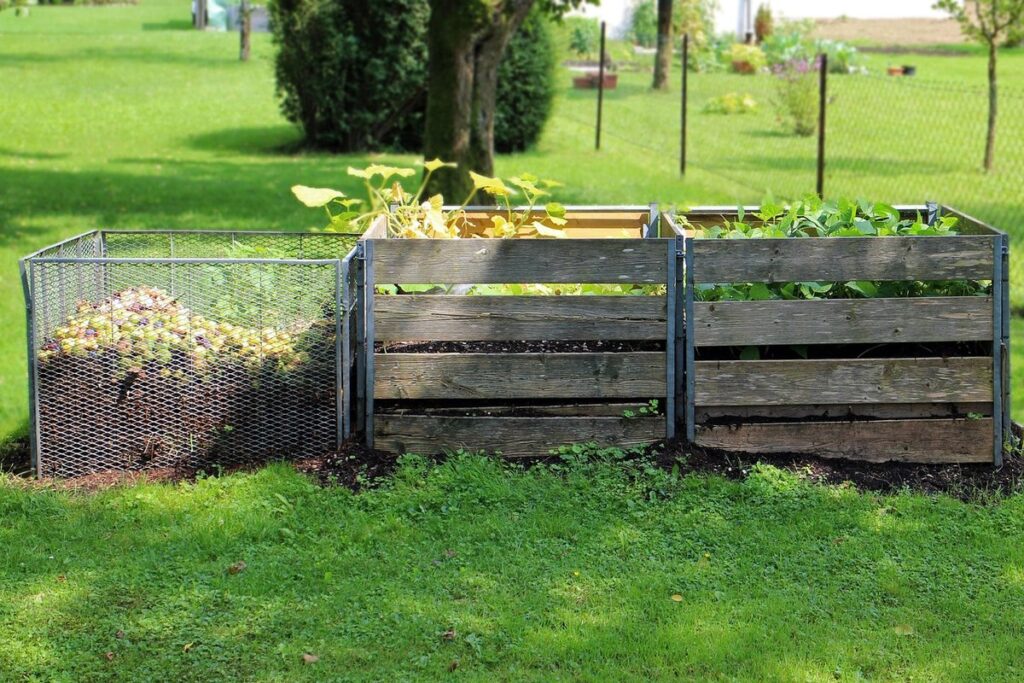
Benefits of Composting Avocado Skins
Composting avocado skins isn’t just a great way to reduce waste, but it also provides numerous benefits for your garden and environment. Let’s dive into what you can expect from using composted avocado skins in your garden.
Why Avocado Skins are a Valuable Resource
Composting avocado skins is an excellent way to reduce food waste, create nutrient-rich soil, and support sustainable gardening practices. But did you know that the skins themselves hold even more value? Avocado skins are a rich source of nutrients, including potassium, magnesium, and iron, making them an excellent addition to your compost pile.
When you compost avocado skins, these nutrients become available for plants as they break down. This not only enriches the soil but also promotes healthy plant growth. For example, adding composted avocado skins to your tomato garden can lead to more robust fruit production and better disease resistance.
In addition to their nutritional value, avocado skins are also high in fiber, which helps improve the structure and aeration of your compost pile. This, combined with their water-holding capacity, makes them an excellent bulking agent for maintaining optimal moisture levels within the composting process. By incorporating these valuable resources into your compost, you’ll be creating a nutrient-dense soil amendment that will support sustainable gardening practices and reduce waste in the process.
Nutrient-Rich Properties of Avocado Skins
Avocado skins are often discarded as waste, but they hold a treasure trove of nutrients that can enrich your compost pile. Potassium, magnesium, and copper are just a few of the essential minerals found in avocado skins, making them an excellent addition to your compost.
Potassium, for instance, is crucial for plant growth and development, promoting healthy root systems and resistance to disease. Magnesium plays a vital role in photosynthesis, ensuring that your plants can harness energy from sunlight effectively. Copper, meanwhile, aids in the synthesis of chlorophyll, enabling plants to undergo photosynthesis with ease.
When adding avocado skins to your compost pile, be sure to crush or chop them into smaller pieces to release their nutrient-rich properties. Mixing them with other carbon-rich materials like leaves or straw will help speed up the decomposition process. By incorporating avocado skins into your composting routine, you’ll create a nutrient-dense soil amendment that promotes healthy plant growth and reduces waste.
Easy Ways to Compost Avocado Skins at Home
Composting avocado skins at home is easier than you think. To get started, you’ll need to set up a basic composting system that can handle the high nitrogen content of these skins. This typically involves a bin or pile with a mix of “green” materials (high in nitrogen) and “brown” materials (high in carbon).
Begin by collecting your avocado skins and placing them in a designated area for composting. You can add other green materials like fruit and vegetable scraps, tea bags, or coffee grounds to balance out the carbon content. Aim for a mix of 2/3 brown materials and 1/3 green materials.
Don’t worry about the smell; it’s normal for compost piles to have an earthy aroma. Simply keep your pile moist, turning it every few days to aerate it. As you add more avocado skins and other green materials, the nitrogen-rich content will break down quickly, producing nutrient-rich compost perfect for gardening.
Preparing Avocado Skins for Composting
Before adding avocado skins to your compost pile, you’ll need to prepare them properly by removing any remaining fruit and chopping them into smaller pieces. This simple step ensures healthy decomposition.
How to Clean and Dry Avocado Skins
Cleaning and drying avocado skins is an essential step before composting them. If you don’t do it properly, they may not break down efficiently, and worse still, attract pests to your compost pile. To avoid this, make sure to rinse the avocado skins under running water to remove any remaining flesh or oils.
Next, use a clean cloth or sponge to gently scrub away any stubborn bits of fruit. This will help prevent mold from forming and ensure your compost is free from contaminants.
After washing, lay out the avocado skins on a clean surface or paper towel and allow them to air dry completely. You can speed up the process by placing them in a low-temperature oven (150°F – 200°F) for a few hours. This will kill off any bacteria that might be present and make it easier for your compost heap to break them down.
Once they’re completely dry, you can add them to your compost pile. It’s essential to note that if the skins are still damp or moist when added to the compost, they may not decompose as efficiently, which could lead to an unpleasant odor in your compost pile.
Removing Pesticide Residue from Avocado Skins
When composting avocado skins, it’s essential to consider the potential impact of pesticide residue on the quality and safety of your finished compost. Pesticides can persist in the soil for extended periods, posing a risk to the environment and human health. If you’ve purchased avocados from conventional sources, there’s a likelihood that their peels have been treated with pesticides.
To remove these residues from avocado skins, start by washing them thoroughly under cold running water. This step is crucial as it helps dislodge any loose particles or chemicals. Next, use a gentle scrubber or soft-bristled brush to gently exfoliate the skin, ensuring that you cover every area evenly.
For an added layer of protection, soak your avocado skins in a mixture of 1 part white vinegar to 10 parts water for about 30 minutes. This process can help break down and remove any remaining pesticide residue. Once complete, rinse the skins thoroughly before adding them to your compost pile.
When incorporating treated or potentially contaminated materials into your compost, it’s crucial to monitor the finished product closely for signs of toxicity. If you’re unsure about the safety of your compost, consider using a hot composting method, which involves maintaining higher temperatures (130°F – 140°F) to kill off pathogens and weed seeds, including pesticide residues.
Composting Methods for Avocado Skins
Whether you’re a seasoned composter or just starting out, this section will walk you through different methods to compost avocado skins effectively. Let’s dive into some creative and efficient ways to turn these scraps into nutrient-rich gold!
Hot Composting Method for Avocado Skins
The hot composting method is an excellent way to quickly break down avocado skins into nutrient-rich compost. This process involves creating a mix of “green” and “brown” materials, which are then aerated regularly to speed up decomposition.
To start, gather 2-3 parts of brown materials like dry leaves or shredded newspaper and mix them with one part of green materials such as food scraps, including avocado skins. The mixture should have the right balance of carbon-rich browns and nitrogen-rich greens for optimal decomposition. Aim for a pile that’s about 3x3x3 feet in size.
Aerate the pile by turning it regularly to ensure oxygen reaches all parts of the mix. This will help break down the organic matter faster, reducing odors and pests. It’s essential to monitor moisture levels, ensuring they’re kept at around 60-80% to promote microbial activity.
Within 1-2 weeks, you should start seeing significant decomposition, with the mixture becoming hot to the touch due to microbial action. Regularly turning the pile will help speed up this process, resulting in a rich, dark compost perfect for your garden or indoor plants within a few months.
Cold Composting Method for Avocado Skins
Cold composting is a simple and effective method for breaking down avocado skins. This approach involves piling all your organic materials, including avocado skins, into a heap and allowing them to decompose naturally over time. One of the key benefits of cold composting is its minimal maintenance requirements – simply add more materials as needed and let nature do the rest.
To use cold composting for avocado skins, start by layering them with other brown materials like leaves or shredded newspaper at the base of your pile. This will provide a carbon-rich environment for the decomposition process to begin. Next, add layers of green materials such as grass clippings or fresh fruit and vegetable scraps on top of the brown materials. Avoid adding too many avocado skins in one go, as this can lead to anaerobic conditions.
The cold composting method is relatively slow, taking several months to break down large quantities of materials. However, it’s a great option for those who want to minimize their involvement and let nature take its course. With patience and regular additions, you’ll be left with rich, fertile compost perfect for your garden.
Tips for Successful Avocado Skin Composting
To turn avocado skin composting into a seamless process, here are some key tips to keep in mind: avoid over-mixing and maintain optimal moisture levels.
Monitoring pH Levels and Moisture Content
Monitoring pH levels and moisture content is crucial for a thriving composting process. An ideal pH range for composting is between 6.0 and 8.0. If the pH level drops below 5.5 or rises above 9.0, it can hinder microbial activity and lead to odors and pests.
To maintain optimal pH levels, you can add a small amount of wood ash (from untreated wood) to raise the pH or use dolomitic limestone to stabilize it. Conversely, if your compost pile is too alkaline, you can introduce acidic materials like peat moss or coffee grounds.
Moisture content also plays a vital role in the composting process. Aim for a mix of 50-60% moisture, as this will facilitate aerobic decomposition and minimize anaerobic conditions that foster odors and pests. Regularly check the compost pile’s moisture levels by inserting your hand into it; if you feel significant resistance or dryness, adjust accordingly.
For instance, if your compost is too dry, add water in small increments to maintain optimal moisture levels. Conversely, if it’s too wet, let it sit for a day before continuing to turn and aerate the pile.
Managing Odors and Pests in the Compost Pile
Managing odor and pest issues is crucial when composting avocado skins. To minimize unpleasant smells and unwanted critters, it’s essential to balance carbon-rich materials with nitrogen-rich ones in your compost pile. Aim for a 2/3 carbon-to-1/3 nitrogen ratio by adding brown materials like dried leaves or straw alongside your green materials, such as food scraps.
Brown materials help absorb excess moisture, reducing the likelihood of anaerobic decomposition and subsequent odor production. Regularly turning the compost pile also allows oxygen to penetrate deeper layers, further mitigating odor issues. To keep pests at bay, bury avocado skins under a 6-inch layer of carbon-rich material or mix them with finished compost to neutralize their scent.
If you do encounter pests like fruit flies or rodents, try using diatomaceous earth, which is non-toxic and environmentally friendly. This natural substance dehydrates pest exoskeletons, preventing re-infestation.
Using Avocado Skin Compost in Your Garden
Now that you have your avocado skin compost, let’s talk about how to use it to give your garden a nutrient boost and grow thriving plants.
Benefits of Avocado Skin Compost for Plant Growth
When you add nutrient-rich avocado skin compost to your garden, it’s like giving your plants a boost of energy. The high levels of nitrogen, phosphorus, and potassium in the compost make it an excellent fertilizer for promoting healthy growth and development.
Avocado skin compost is particularly beneficial for improving soil structure, increasing water retention, and supporting beneficial microorganisms that are essential for plant health. By using this compost, you can expect to see a significant improvement in your plants’ overall vitality, with stronger stems, more vibrant leaves, and increased yields.
One of the most significant advantages of using avocado skin compost is its ability to replenish depleted soil nutrients. Avocado skins are rich in magnesium, copper, and manganese, which are often lacking in garden soils. By incorporating this compost into your gardening routine, you can ensure that your plants receive a balanced diet of essential micronutrients.
To get the most out of your avocado skin compost, simply mix it into the soil around your plants or use it as a top dressing. You can also add it to your potting mixes for container gardens or blend it with other composts to create a nutrient-rich fertilizer.
How to Apply Avocado Skin Compost to Your Garden
When applying avocado skin compost to your garden, it’s essential to follow some key guidelines to ensure you’re getting the most out of this nutrient-rich resource. First, make sure to mix the compost into the soil rather than spreading it on top. A general rule of thumb is to incorporate 1-2 inches of compost into the top 6-8 inches of soil.
To determine how much avocado skin compost to use, consider the pH level of your soil and the specific needs of your plants. For example, if you’re adding compost to a bed with acid-loving plants like azaleas or blueberries, start with a smaller amount (about 1/4 inch) to avoid over-acidifying the soil.
Timing is also crucial when applying avocado skin compost. For best results, add it in the spring or fall when your garden isn’t actively growing. This allows the microorganisms in the compost to break down and become available to plants during the next growth cycle. As a general rule, apply 1-2 pounds of compost per square foot for small gardens, but scale up or down based on your specific needs.
Remember to blend the compost with other soil amendments as needed to achieve optimal nutrient balance.
Conclusion
Now that you’ve learned how to compost avocado skins, let’s summarize the key takeaways from our comprehensive guide.
Recap of Key Takeaways
Composting avocado skins is not just a clever way to reduce waste, but it’s also an essential practice for sustainable gardening. As we’ve explored throughout this comprehensive guide, incorporating these nutrient-rich materials into your compost pile can have a significant impact on the health of your soil and the environment.
Let’s recap some of the key takeaways from our discussion:
* Avocado skins are an excellent addition to compost due to their high nitrogen content, making them an ideal ingredient for balancing out carbon-rich materials.
* To ensure effective decomposition, it’s essential to chop or shred avocado skins into smaller pieces before adding them to your compost pile. This will help increase their surface area and facilitate the breakdown process.
* Composting avocado skins can help reduce greenhouse gas emissions by diverting organic waste from landfills, where it would otherwise contribute to methane production.
When implementing this practice in your garden, keep the following tips in mind:
* Aim for a mix of 2/3 “brown” materials (such as dried leaves or straw) and 1/3 “green” materials (like avocado skins or grass clippings). This will create an optimal carbon-to-nitrogen ratio for efficient composting.
* Regularly monitoring the moisture levels in your compost pile is crucial. Aim for a consistency similar to that of a damp sponge, as this will allow microorganisms to thrive and break down organic matter effectively.
* Patience is key when it comes to composting avocado skins. It may take several months for these materials to fully decompose, but the end result will be well worth the wait.
By incorporating avocado skins into your compost pile and following these guidelines, you’ll not only reduce waste and create nutrient-rich soil amendments, but also contribute to a more sustainable gardening practice that benefits both you and the environment.
Frequently Asked Questions
Can I compost avocado skins with other organic materials, or should they be separate?
Yes, you can definitely compost avocado skins alongside other organic materials like fruit and vegetable peels, coffee grounds, and tea bags. In fact, combining different types of scraps helps create a diverse and nutrient-rich compost.
When mixing avocado skins with other materials, just ensure that the pile maintains an ideal carbon-to-nitrogen ratio (about 25:1) and adequate moisture levels. This will help facilitate decomposition and prevent odors or pests from developing.
How long does it take for avocado skin compost to break down completely?
Avocado skin compost typically takes several months to a year or more to fully decompose, depending on factors like temperature, moisture, and carbon-to-nitrogen ratios. A general guideline is to allow 6-12 months for the initial decomposition process.
To speed up the process, you can try adding bulking agents like straw or coconut coir to help with air circulation and moisture control. Be patient, though – quality takes time!
Can I use avocado skin compost if it’s still slightly moist or has visible scraps?
Absolutely! Avocado skin compost is still usable even if it hasn’t fully broken down yet. What matters most is the nutrient content rather than the physical appearance.
If you notice a slightly wet or chunky texture, just mix in some dry materials (like straw or shredded newspaper) to balance out the moisture levels and help further decomposition.
How do I know if my avocado skin compost has reached the ideal pH level for my plants?
Monitoring pH levels is crucial when working with compost. For most plants, a slightly acidic to neutral pH range (around 6.0-7.0) is ideal. If your compost’s pH is significantly higher or lower than this range, it might affect plant growth.
To determine the pH of your avocado skin compost, use a DIY pH test kit or send samples to a lab for analysis. Based on the results, you can adjust your compost pile accordingly by adding acidic or alkaline materials to achieve the desired balance.
Can I store avocado skins in a container before adding them to my compost pile?
Yes, it’s perfectly fine to store avocado skins in an airtight container (like a bucket or bin) for later use. This is especially helpful if you’re collecting scraps over time and want to maintain cleanliness.
When transferring stored avocado skins to your compost pile, simply ensure they’re dry and free from visible pests or mold.