
When you’re cooking up a storm in the kitchen, it’s easy to overlook the humble potato peel. But before tossing them in the trash, consider composting them instead. Composting potato peels is a simple yet effective way to unlock essential nutrients and reduce waste, ultimately creating a healthier garden. By doing so, you’ll be redirecting organic materials that would otherwise end up in landfills towards your soil’s benefit. In this article, we’ll delve into the world of composting potato peels, covering the basics of layering, moisture management, odor control, and more. Whether you’re a seasoned gardener or just starting out, our tips will guide you through the process, ensuring that your kitchen scraps become a valuable resource for your garden’s growth.
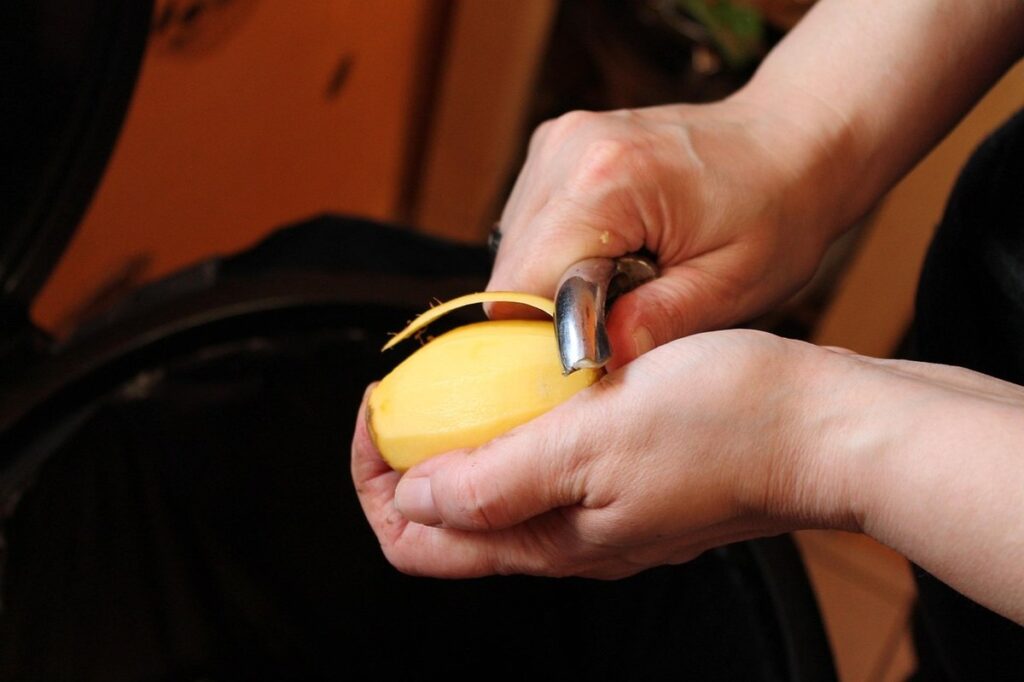
Benefits and Importance of Composting Potato Peels
Composting potato peels isn’t just a smart way to reduce food waste, but it also provides numerous benefits for your garden and the environment. Let’s explore these advantages in more detail.
Nutrient-Rich Soil Amendment
Composting potato peels is an excellent way to create nutrient-rich soil amendments for your garden. The peels are rich in essential nutrients like potassium, magnesium, and sulfur, which are vital for plant growth. When added to compost, these nutrients become readily available to plants, promoting healthy development and resilience.
One of the primary benefits of using composted potato peels is their ability to improve soil structure. They contain humus, a natural substance that helps to break down clay particles and improve drainage in heavy soils. This results in better root growth and increased water retention.
Composting potato peels also supports healthy microbial growth by providing them with a readily available source of food. Microorganisms are essential for decomposing organic matter and making nutrients available to plants. By adding composted potato peels to your soil, you’re essentially feeding the beneficial microbes that help your garden thrive.
By incorporating composted potato peels into your gardening routine, you can expect to see improvements in soil fertility, structure, and microbial activity. This leads to healthier, more resilient plants that require fewer fertilizers and pesticides.
Reduces Food Waste and Environmental Impact
When you compost potato peels, you’re not only creating a nutrient-rich soil amendment for your garden, but also playing a vital role in reducing food waste and minimizing the environmental impact of your kitchen habits. In the United States alone, it’s estimated that over 40% of all food produced is wasted, with a significant portion ending up in landfills.
By composting potato peels, you’re diverting this organic material from landfills and conserving natural resources like water. For instance, when food waste decomposes in landfills, it releases methane, a potent greenhouse gas that contributes to climate change. By contrast, composting reduces the need for synthetic fertilizers, which require vast amounts of energy to produce and can further exacerbate climate change.
To make the most of your potato peel compost pile, be sure to balance “green” materials like food scraps with “brown” materials like dry leaves or shredded newspaper. Aim for a mix that’s about 2/3 brown materials and 1/3 green materials. This will create an optimal carbon-to-nitrogen ratio, allowing microorganisms to break down the organic matter efficiently.
Incorporating composted potato peels into your garden can also help retain moisture in the soil, reducing the need for frequent watering and minimizing water waste. By adopting this simple yet effective practice, you’ll be taking a significant step towards reducing your environmental footprint while nourishing your plants with rich, nutrient-dense soil.
Preparing Potato Peels for Composting
Before adding potato peels to your compost pile, you’ll need to prepare them properly by chopping and mixing them with other materials. This helps break down their cell walls quickly.
Collection and Storage
To ensure successful composting of potato peels, it’s essential to collect and store them properly. Start by gathering all the peels from your kitchen, including those from cooking and food preparation. Transfer them to a designated container with a lid or bin specifically designed for collecting organic materials.
When storing potato peels, keep them in a well-ventilated area to prevent moisture buildup, which can lead to anaerobic conditions and unpleasant odors. You can store them in the pantry, on the countertop, or even outdoors in a designated composting area. Make sure the container is clean and dry before adding the peels.
Regularly empty the container into your compost pile or bin to maintain airflow and prevent over-accumulation of moisture. If you notice any mold, mildew, or pests, discard the affected peels and start fresh with clean ones. By following these simple steps, you’ll be able to collect and store potato peels in a way that promotes healthy decomposition and successful composting.
For optimal results, aim to add potato peels to your compost pile within a few days of collection, as this will help maintain their nutrient-rich properties.
Chopping or Grinding
To maximize the potential of composting potato peels, it’s essential to break them down into smaller pieces. Chopping or grinding the peels increases their surface area, allowing microorganisms to access nutrients and break them down more efficiently.
You can use a variety of tools to chop or grind potato peels, including kitchen shears, vegetable choppers, or even a food processor. If you’re processing large quantities of peels, consider investing in an electric meat grinder or a compost chipper. These devices can quickly and effectively break down the peels into smaller pieces.
Some tips to keep in mind when chopping or grinding potato peels:
* Chop the peels before adding them to your compost pile for faster decomposition.
* Use a rougher texture, such as chop rather than grate, to avoid creating too many fine particles that can be lost during the composting process.
* If using an electric grinder, be sure to clean it thoroughly between batches to prevent cross-contamination of unwanted materials.
By chopping or grinding your potato peels, you’ll significantly enhance their ability to decompose and contribute to a rich, nutrient-dense compost.
Creating a Compost Pile with Potato Peels
Let’s get started on building a compost pile specifically designed for your potato peels, which will provide you with nutrient-rich fertilizer. We’ll walk through the process together step by step.
Layering Techniques
When layering materials for optimal decomposition, it’s essential to understand the principles of composting. Green materials, such as fresh grass clippings and vegetable scraps, are rich in nitrogen (N). Brown materials, like dry leaves and twigs, are high in carbon (C). Potato peels fall somewhere in between, with a moderate N-to-C ratio.
To create an ideal compost pile, alternate layers of green, brown, and potato peel materials. Begin with 2-3 inches of brown material to absorb excess moisture and provide structure. Next, add 1-2 inches of green material or mixed scraps, including potato peels. Sprinkle a thin layer of brown material over the top to help regulate carbon levels.
Continue this pattern, repeating the sequence in cycles: brown-green-brown. This alternating process helps maintain a balance of N and C, preventing anaerobic conditions that can lead to unpleasant odors or pest infestations. For optimal results, aim for a mix containing 2/3 “brown” materials and 1/3 “green” materials, with potato peels incorporated throughout.
Moisture Management
Maintaining the right moisture levels in your compost pile is crucial for supporting microbial growth and efficient decomposition. If the pile is too dry, microorganisms will struggle to break down the organic matter, leading to a slower decomposition process. On the other hand, if it’s too wet, anaerobic conditions can develop, causing unpleasant odors and potentially harming beneficial microbes.
To achieve optimal moisture levels, aim for a mixture that resembles damp soil or a slightly soggy sponge. You can check this by squeezing a handful of compost; if it forms a ball that holds its shape but crumbles when released, you’re on the right track.
In terms of potato peels specifically, they contribute to the pile’s moisture content due to their high water content. To manage this, add other dry materials like shredded newspaper or cardboard to balance out the pile and maintain an optimal C:N ratio. Monitor your pile regularly and adjust as needed to ensure it remains damp but not waterlogged.
Common Challenges and Solutions in Composting Potato Peels
As you start composting potato peels, you may encounter a few common obstacles that can hinder the process. Let’s tackle these challenges head-on and explore some practical solutions to get your pile back on track.
Odor Control
Composting potato peels can sometimes be accompanied by unpleasant odors. These smells often arise from anaerobic conditions within the compost pile. Anaerobic conditions occur when there is too much carbon-rich material, such as dry leaves or shredded newspaper, and not enough nitrogen-rich materials like grass clippings or fresh kitchen scraps.
To minimize unpleasant odors while composting potato peels, you must maintain an optimal balance of “green” (nitrogen-rich) and “brown” (carbon-rich) materials. Aim for a mix that is roughly 2/3 brown materials to 1/3 green materials. Include plenty of nitrogen sources like grass clippings or fresh vegetable scraps to help absorb moisture.
You can also improve air circulation within the compost pile by turning it regularly, ensuring adequate space between materials and maintaining a moderate pile size. Another strategy for reducing odors is adding bulking agents such as straw or shredded newspaper. These materials allow oxygen to penetrate the pile while providing structure and preventing waterlogging conditions that foster anaerobic decomposition. By taking these steps, you can minimize unpleasant odors associated with composting potato peels and maintain a healthy, thriving compost pile.
Pests and Diseases
As you compost potato peels, it’s essential to keep an eye out for pests and diseases that can harm your nutrient-rich material. Pests like fruit flies, ants, and rodents might be attracted to the sweet aroma of decaying potatoes, while diseases like fungal infections and bacterial growths can spread quickly in a warm, moist environment.
To prevent infestations, make sure to store your compost pile in a rodent-proof location and cover it with a breathable mesh or tarp. You can also sprinkle diatomaceous earth, a natural insecticide, around the perimeter of the pile to deter pests. Regularly turning and aerating your compost will help maintain optimal moisture levels and prevent fungal growth.
For diseases, monitor your pile’s temperature regularly. Most pathogens thrive in temperatures between 40°F and 60°F (4°C and 15°C). If you notice any mold or mildew, add a handful of lime to raise the pH level, making it less hospitable to disease-causing microorganisms. By taking these precautions, you’ll be able to create healthy compost that’s rich in nutrients and free from pests and diseases.
Tips for Successful Compost Turnings and Monitoring
As you continue to build your nutrient-rich compost pile, it’s essential to know when to turn and monitor its progress to avoid common pitfalls. Let’s discuss some expert tips on doing just that.
Frequency and Techniques
When it comes time to turn your compost pile, frequency and technique are crucial for ensuring optimal decomposition. As a general rule, aim to turn your pile every 7-10 days during the active composting phase. This allows oxygen to penetrate the mixture, promoting healthy microbial activity and preventing anaerobic conditions that can lead to unpleasant odors.
To determine if it’s time to turn, look for signs like an earthy aroma, a dark brown color, and a consistency similar to damp soil. If your pile is too wet or dry, it may be necessary to adjust the frequency of turning or add more materials.
When turning, use a pitchfork or shovel to gently mix the compost, working from the outside inwards to avoid compacting the material. This helps maintain adequate aeration and prevents matting. A simple technique is the “three-step turn”: turn one-third of the pile, then another third on top, and finally, turn the remaining third. This ensures thorough mixing without over-working the compost.
Monitoring Temperature and Moisture Levels
Tracking temperature and moisture levels is crucial during the composting process of potato peels. This ensures that the decomposition process occurs efficiently and safely. When compost piles get too hot, it can lead to a condition known as “heating,” which causes the microorganisms to break down the organic matter rapidly. If this happens frequently, it may damage the pile’s structure.
On the other hand, if the moisture levels are too low, the composting process slows down. Aim for maintaining a balance of 50-60% moisture in your compost pile. To achieve this, you can regularly water the pile or spread out the layers to allow air to penetrate evenly. Monitor the temperature using a thermometer inserted at least six inches deep into the center of the pile.
Aim for temperatures between 130°F and 140°F (54°C-60°C) as it indicates active decomposition is happening. Also, ensure that you mix the pile well, especially after adding new materials like potato peels to help the microorganisms distribute evenly.
Composting Potato Peels in Small Spaces or Indoor Settings
Composting potato peels can be a challenge, especially when you have limited space indoors. Let’s explore some creative ways to compost them efficiently even in small areas.
Vermicomposting with Red Worms
Vermicomposting with red worms is an excellent method for breaking down potato peels indoors, making it perfect for small spaces or indoor settings. These tiny creatures are capable of devouring a significant amount of organic matter, including potato peels, within a short period.
To set up a vermicomposting system with red worms, you’ll need a container with good airflow, a worm-friendly bedding material like coconut coir or shredded newspaper, and a sufficient quantity of red worms. A 1:1 ratio of waste to bedding is recommended, so if you have one bucket of potato peels, use another bucket of bedding.
Red worms are highly efficient at reducing odor concerns associated with composting potato peels. They break down the peels into a nutrient-rich vermicompost that can be used as fertilizer for your plants. In a 12-week period, red worms can convert up to 95% of waste into vermicompost.
It’s essential to maintain proper moisture levels and keep the temperature between 55°F to 77°F (13°C to 25°C) to ensure optimal worm activity. With regular maintenance, your indoor vermicomposting system will provide you with a continuous supply of nutrient-rich fertilizer for your plants while minimizing space requirements.
Bokashi Fermentation Method
If you’re looking for an efficient way to compost potato peels indoors, especially in small spaces, consider trying the bokashi fermentation method. This approach allows you to turn food scraps into nutrient-rich fertilizer without taking up much room. Bokashi is a Japanese word that translates to “fermented organic matter,” and it’s a popular technique for indoor composting.
To start with bokashi fermentation, you’ll need to purchase a bokashi bin or create one using an old bucket. This container will house your potato peels along with other food waste, which will then be fermented using a mix of water and microorganisms. The microbe-rich solution is available at most gardening stores or online. Simply add the mixture to your bokashi bin, following the manufacturer’s instructions.
The fermentation process typically takes 1-2 weeks, depending on factors like temperature and microorganism strength. Once the process is complete, you’ll have a liquid fertilizer that can be drained off and used immediately, while the solids are composted separately. This method allows for continuous addition of potato peels and other food scraps without worrying about odors or pests.
Frequently Asked Questions
Can I compost potato peels from raw, unwashed potatoes?
Yes, you can compost potato peels from raw, unwashed potatoes. However, it’s essential to note that the higher water content of fresh potato peels may affect the carbon-to-nitrogen ratio in your compost pile. To balance this out, you can layer them with more carbon-rich materials like dried leaves or straw.
How often should I turn and monitor my compost pile when using potato peels?
It’s recommended to turn and monitor your compost pile every 7-10 days, especially when adding high-nitrogen materials like potato peels. Regular turning helps maintain optimal oxygen levels, prevents matting, and promotes even decomposition.
Can I use composted potato peels as a fertilizer in my indoor plants?
Yes, you can use composted potato peels as a fertilizer for your indoor plants. The nutrient-rich soil amendment will provide essential micronutrients like potassium, magnesium, and sulfur, promoting healthy growth and resilience in your indoor garden.
How do I manage potential pests when composting large quantities of potato peels?
To manage potential pests when composting large quantities of potato peels, ensure your pile is well-balanced, with adequate carbon-to-nitrogen ratios. You can also add a 2-3 inch layer of finished compost or soil on top to prevent attracting pests. Regular monitoring and turning will also help prevent pest infestations.
Can I use the bokashi fermentation method for composting potato peels?
Yes, you can use the bokashi fermentation method for composting potato peels. This approach involves using microorganisms to break down the peels in a matter of weeks, producing a nutrient-rich liquid fertilizer and a dry compost that’s rich in beneficial microbes.