
Are you looking for ways to reduce waste and create nutrient-rich soil for your garden or farm? Composting corn stalks is a simple yet effective solution that can make a significant impact on the environment. When chopped, these leftover stalks from corn harvests are not only taking up valuable space in landfills but also releasing greenhouse gases as they decompose. By composting them instead, you can divert waste from landfills, lower carbon emissions, and create a valuable resource for your garden or farm.
In this article, we’ll explore the benefits of composting chopped corn stalks and provide step-by-step guidance on how to incorporate this practice into your gardening or farming routine. We’ll cover topics such as setting up a compost pile, managing moisture levels, and using the finished compost as a soil amendment. Whether you’re a seasoned gardener or just starting out, this article will show you how to turn waste into wealth with the power of composting corn stalks.
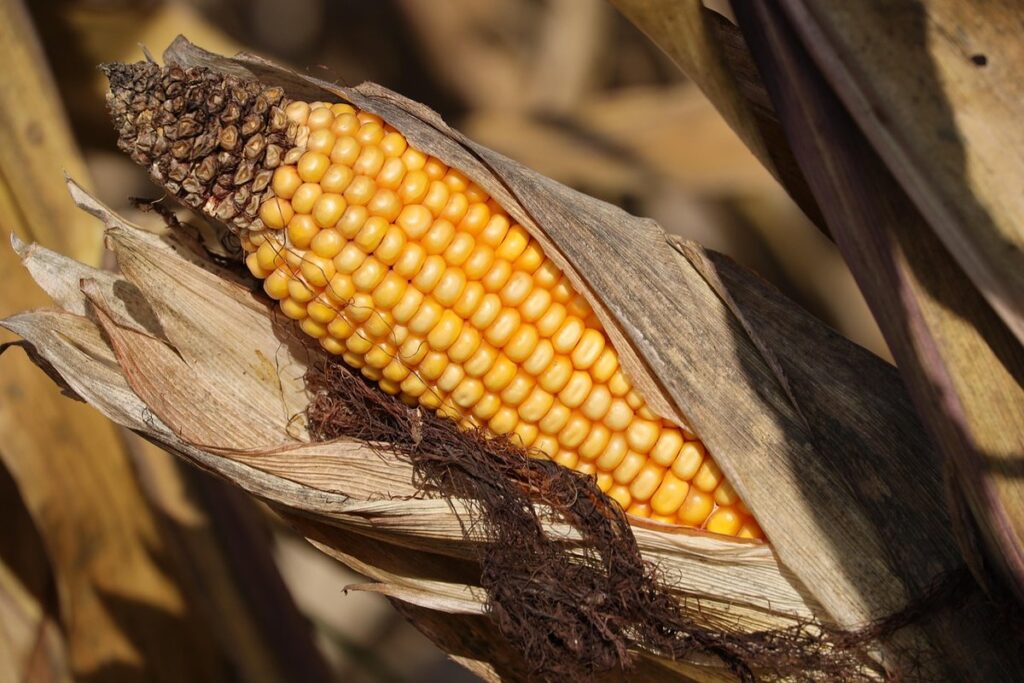
Importance of Composting Corn Stalks
Composting corn stalks may seem like a small step, but it can have a significant impact on your garden’s health and the environment. In this section, we’ll explore why composting chopped corn stalks is so important for gardeners of all levels.
Environmental Benefits of Composting
Composting corn stalks can have a significant impact on the environment. By diverting these chopped stalks from landfills, we can reduce waste and lower carbon emissions. It’s estimated that food waste, including crop residues like corn stalks, accounts for around 20% of landfill emissions. When corn stalks decompose in a landfill, they release methane, a potent greenhouse gas.
By composting instead, you can create a nutrient-rich soil amendment that’s perfect for gardens and agriculture. Compost from chopped corn stalks is rich in carbon, which helps to balance out nitrogen levels in the soil. This makes it an excellent addition to gardens where crops are grown. To get started with composting your corn stalks, start by mixing them with other organic materials like leaves or grass clippings. Aim for a mix of 2/3 “brown” materials (dried leaves, straw) and 1/3 “green” materials (chopped corn stalks, grass clippings).
How Composting Affects Soil Quality
When you compost corn stalks, you’re creating a nutrient-rich amendment that can greatly improve soil quality. One of the primary benefits of composted corn stalks is their ability to enhance soil structure. The organic matter they contain helps to increase the soil’s water-holding capacity, allowing it to retain moisture more effectively. This reduces the need for frequent watering and minimizes soil erosion.
Composted corn stalks also boost soil fertility by providing essential nutrients like nitrogen, phosphorus, and potassium. These micronutrients support healthy plant growth, promoting strong root development and disease resistance. Moreover, composted corn stalks can help to regulate soil pH levels, creating a more favorable environment for beneficial microorganisms to thrive.
To reap the full benefits of composting corn stalks, it’s essential to maintain a balanced mix of green materials like food scraps or grass clippings alongside your dry, carbon-rich corn stalks. Aim for a 2:1 or 3:1 ratio of green to brown materials to achieve optimal decomposition and nutrient release.
Common Objections to Composting Corn Stalks
One common concern when considering composting corn stalks is the potential for transferring pests, diseases, or weeds into the soil. It’s natural to worry about introducing unwanted organisms that could harm plants or spread disease.
However, many of these concerns can be alleviated with proper management and preparation of the corn stalks before adding them to the compost pile. For instance, if you notice any signs of disease or pests on the stalks, it’s best to separate those specific parts from the rest and dispose of them properly.
Additionally, chopping the corn stalks into smaller pieces can help reduce the risk of weed seeds being transferred to the soil. Research has shown that composting chopped plant material can significantly reduce the viability of weed seeds. By incorporating these chopped stalks into your compost pile in moderation (about 10-20% of total materials), you can create a nutrient-rich soil amendment without introducing potential problems.
To minimize risks, it’s essential to maintain good composting practices, such as maintaining adequate carbon-to-nitrogen ratios and ensuring sufficient aeration within the pile.
Preparing Corn Stalks for Composting
To successfully compost chopped corn stalks, you’ll want to start by preparing them properly to speed up decomposition and prevent pests from taking over. This involves a few key steps.
Collecting and Processing Corn Stalks
Collecting corn stalks can be a straightforward process if you have a few acres of land with cornfields. To collect them efficiently, it’s essential to harvest them at the right time. Cut the stalks when they are dry and free from moisture, making them easier to store and process later.
When chopping or shredding corn stalks, use equipment like mowers, chippers, or flail mowers to reduce their size into manageable pieces for composting. Consider using a tractor-mounted chipper for larger areas, as this will save you time and labor in the long run.
For smaller plots of land, hand tools such as pruning saws or loppers can be effective alternatives. To prevent clogging your equipment with leaves or other debris, clean your machinery frequently while working on corn stalks.
When chopping or shredding, consider maintaining a mix of short and long pieces to ensure optimal compost decomposition. Aim for 1-3 inch lengths to allow adequate oxygen flow through the pile.
Balancing Carbon-Nitrogen Ratio
When adding corn stalks to your compost pile, it’s essential to balance the carbon-to-nitrogen (C:N) ratio for optimal decomposition. A well-balanced C:N ratio will ensure that microorganisms can break down organic matter efficiently. Aim for a mix of 2/3 “brown” materials (high in carbon) and 1/3 “green” materials (high in nitrogen).
Corn stalks are high in carbon, but also relatively low in nitrogen. To balance this out, add plenty of green materials like kitchen scraps, grass clippings, or manure to your pile. Aim for a mix that includes at least 10% nitrogen-rich materials by volume.
Here’s an example: if you’re adding 2 cubic feet of corn stalks to your compost pile, aim for about 1-2 pounds of nitrogen-rich materials – such as chicken manure or grass clippings – to balance it out. This will create a mix that’s roughly 25% nitrogen and 75% carbon.
Avoiding Contaminants and Pathogens
When composting corn stalks, it’s essential to take measures that prevent contamination from weeds, pests, or diseases. One of the most significant threats is weed seeds, which can sprout and grow in the compost pile, eventually ending up in your garden soil.
To minimize this risk, make sure to chop the corn stalks into small pieces before adding them to the compost pile. This will help break down the tough fibers and expose the seeds to oxygen, preventing germination. Also, keep an eye out for weeds that might have been attached to the corn stalks during harvesting – remove any visible weed growth or roots before processing.
Regularly turn your compost pile to maintain adequate aeration and heat levels, which can help kill weed seeds, pests, and pathogens. Monitor moisture levels as well – if it’s too wet, it may create an ideal breeding ground for microorganisms that could contaminate the compost.
Additionally, ensure that you’re adding sufficient ‘green’ materials like kitchen scraps or grass clippings to balance out the ‘brown’ materials (dry corn stalks) in your pile. This will help speed up the decomposition process and prevent conditions conducive to contamination.
The Composting Process
Now that we’ve covered why composting corn stalks is a great idea, let’s dive into how it works: adding chopped corn stalks to your compost pile is just the first step.
Choosing a Composting Method
When it comes to composting corn stalks, you have several methods to choose from. Each method has its own advantages and disadvantages, and understanding the differences will help you select the best approach for your needs.
Hot composting is a high-energy process that involves mixing “green” materials (like food scraps or grass clippings) with “brown” materials like corn stalks. This mix creates heat, which kills off pathogens and weed seeds. However, it requires regular turning to maintain oxygen flow and prevent anaerobic conditions.
Cold composting is a simpler, lower-maintenance method that involves piling materials together without mixing. It’s ideal for small-scale operations or when space is limited. Corn stalks can be added directly to the pile, but it may take longer to break down.
Worm composting, also known as vermicomposting, uses red wiggler worms to digest organic matter. This method is great for indoor composting and produces a nutrient-rich fertilizer in just a few weeks. To incorporate worm composting into your corn stalk composting routine, start by adding shredded corn stalks to the worm bin along with other “green” materials like food scraps.
Ultimately, choose a method that fits your lifestyle and available resources. Consider factors such as space, time commitment, and desired end product before selecting a composting approach for your chopped corn stalks.
Setting Up the Compost Pile
Creating an effective compost pile is crucial for breaking down chopped corn stalks and other organic materials into nutrient-rich fertilizer. To set up your compost pile, start by selecting a spot with good drainage and easy access to water. The ideal location should also be shaded from direct sunlight, which can lead to overheating and kill off beneficial microorganisms.
Begin by layering 4-6 inches of coarse brown materials such as twigs or straw at the bottom of your compost pile. This will help with aeration and drainage. Next, add a layer of chopped corn stalks (about 2-3 inches thick), followed by a layer of green materials like food scraps or grass clippings.
Continue alternating between layers of brown and green materials, finishing with a layer of brown materials on top. Keep your compost pile moist, but not soggy – aim for the consistency of a damp sponge. This will help microorganisms break down the materials efficiently.
Monitoring and Maintaining the Compost Pile
Monitoring the compost pile’s temperature is crucial to ensure it reaches the optimal range of 130-140°F (54-60°C), which kills off weed seeds and pathogens. To check the temperature, use a compost thermometer, inserting it into the center of the pile. A high temperature can be an indication that the pile needs turning, as this redistributes heat and prevents over-heating.
Turning the compost pile is essential to maintain airflow and speed up decomposition. Use a pitchfork or shovel to gently turn the pile every 7-10 days, working from one end to the other in a figure-eight pattern. This will also help prevent matting and ensure that all materials are breaking down evenly. If your compost pile seems too dry, add water; if it’s too wet, add more corn stalks or bulking agents like straw.
As you turn the pile, inspect for any material that may be too thick to break down quickly – these can be added on top of the finished compost as a natural mulch.
Benefits for Gardens and Farms
Composting corn stalks can have a significant impact on your garden’s health, improving soil structure and fertility with minimal effort. Let’s dive into the specific benefits this practice can bring to gardens and farms like yours.
Soil Enrichment and Plant Growth
Composting corn stalks not only reduces waste but also provides an excellent natural fertilizer for gardens and farms. When incorporated into soil, composted corn stalks help to improve its structure and fertility, which is essential for healthy plant growth. The high carbon content in corn stalks helps to balance out the nitrogen levels in the soil, creating a perfect environment for beneficial microbes to thrive.
This, in turn, enhances nutrient availability to plants, promoting lush greenery and increased crop yields. Moreover, composted corn stalks act as a natural pest deterrent, reducing the need for chemical pesticides and maintaining soil biodiversity. By incorporating composted corn stalks into your garden or farm, you can expect to see improvements in soil health, reduced soil erosion, and a decrease in fertilizer requirements.
To get started, simply mix 2-3 inches of composted corn stalks into the top 6-8 inches of your soil. This will allow the beneficial microbes to start working their magic, gradually enriching the soil over time. Regular applications of composted corn stalks can help maintain optimal soil fertility and promote healthy plant growth for seasons to come.
Reducing Fertilizer Use and Costs
Composting corn stalks not only reduces waste but also offers numerous benefits for gardens and farms. One significant advantage is its potential to reduce fertilizer use and lower production costs. By incorporating composted corn stalks into the soil, you can significantly decrease the need for synthetic fertilizers. This is because these organic amendments are rich in essential nutrients like nitrogen, phosphorus, and potassium that promote healthy plant growth.
According to a study by the United States Environmental Protection Agency (EPA), using organic amendments like compost can reduce fertilizer applications by up to 50%. Moreover, synthetic fertilizers not only harm soil health but also pollute waterways. By opting for natural alternatives, you’re reducing your environmental footprint and creating a more sustainable farming practice.
To make the most of this benefit, consider implementing these tips into your gardening or farming routine: maintain a balanced compost pile with a mix of green and brown materials, monitor temperature and moisture levels, and turn the pile regularly to speed up decomposition. By doing so, you can harness the full potential of composted corn stalks and create nutrient-rich soil that requires fewer synthetic fertilizers.
Supporting Biodiversity and Ecosystem Health
Composted corn stalks play a vital role in maintaining soil biodiversity and promoting ecosystem health. When you chop and compost corn stalks, you’re creating a nutrient-rich environment that fosters the growth of beneficial microorganisms. These microbes break down complex organic matter into simpler forms, releasing essential nutrients that support plant health.
One of the most significant benefits of composted corn stalks is their ability to support soil biodiversity. By incorporating chopped and composted corn stalks into your garden or farm, you’re creating a haven for earthworms, fungi, and other beneficial organisms. These microorganisms not only help break down organic matter but also work together to create a healthy ecosystem.
To maximize the benefits of composted corn stalks, aim to add 2-3 inches of chopped material to your soil every 6-8 weeks. This will provide a steady supply of nutrients and support a thriving microbial community. You can also incorporate other organic materials like leaves or grass clippings into your compost pile to create a diverse mix that promotes ecosystem health. By making these simple adjustments, you’ll be well on your way to creating a rich, biodiverse soil environment that supports the overall health of your garden or farm.
Best Practices and Common Mistakes
When composting chopped corn stalks, it’s essential to follow some best practices to ensure a nutrient-rich final product and avoid common mistakes that can hinder the process. Let’s dive into the do’s and don’ts of composting corn stalks.
Troubleshooting Compost Pile Issues
Compost piles can sometimes develop issues that hinder their effectiveness. When composting chopped corn stalks, you may encounter anaerobic conditions, pests, or uneven decomposition. Anaerobic conditions occur when there’s insufficient oxygen, leading to the production of foul odors and reduced nutrient quality. To address this, ensure your pile is at least 3-4 feet wide and 5 feet long, with adequate space for air to circulate.
Pests like rodents, raccoons, or flies can also contaminate your compost pile. Keep your pile covered with a wire mesh or hardware cloth to prevent these pests from accessing it. Regularly inspect your pile for signs of pest activity and take action promptly to avoid infestation.
Uneven decomposition happens when the carbon-to-nitrogen ratio is off-balance, leading to slow decomposition rates. Aim for a mix of 2/3 “brown” materials (dried leaves, straw) and 1/3 “green” materials (chopped corn stalks). This balance will facilitate optimal decomposition and minimize potential issues.
Avoiding Over-Composting
Over-composting is a common mistake that can lead to nutrient losses, unpleasant odors, and reduced compost quality. When corn stalks are chopped and added to the compost pile, they release their stored energy quickly, causing the decomposition process to speed up. If not monitored, this can result in an over-abundance of carbon-rich materials and a lack of nitrogen-rich ingredients.
To avoid over-composting, it’s essential to maintain a balance between “green” (nitrogen-rich) and “brown” (carbon-rich) materials in your compost pile. A general rule of thumb is to aim for a mix that consists of 2/3 brown materials like chopped corn stalks and 1/3 green materials such as kitchen scraps or manure.
Monitor the temperature and moisture levels in your compost pile regularly, as excessive heat and dryness can lead to over-composting. If you notice your compost is becoming too hot (above 160°F) or emitting unpleasant odors, it’s a sign that the carbon-to-nitrogen ratio has become unbalanced.
Maintaining Compost Quality and Safety
When you’re composting chopped corn stalks, it’s easy to get caught up in the excitement of creating nutrient-rich soil for your garden. However, maintaining compost quality and safety is crucial to avoid contaminating your garden with unwanted pathogens or heavy metals. To ensure this doesn’t happen, regular testing of your finished compost is essential.
For this type of testing, you can collect a sample from the finished compost pile and send it to a lab for analysis. The lab will look for signs of contaminants such as E. coli, Salmonella, or other pathogens that could harm plants or humans if they come into contact with them. They’ll also test for heavy metals like lead or mercury.
You can take proactive steps to minimize the risk of contamination. For example, make sure your compost pile is well-balanced and has the right mix of carbon-rich materials (like dry leaves) and nitrogen-rich materials (like chopped corn stalks). Also, keep the pile moist but not soggy, as this will help prevent pathogens from thriving.
Keep in mind that even if you’ve taken all precautions, there’s still a chance of contamination. That’s why regular testing is so important – it allows you to catch any issues before they become major problems.
Frequently Asked Questions
Can I compost corn stalks with other materials like food waste or leaves?
Yes, you can compost corn stalks along with other organic materials like food waste, leaves, and grass clippings. This process is called “co-composting.” However, be sure to maintain a balanced carbon-to-nitrogen ratio (about 2/3 “brown” materials like dry leaves and 1/3 “green” materials like kitchen scraps) to ensure optimal decomposition.
How long does it take for corn stalks to break down completely?
The composting process typically takes anywhere from a few weeks to several months, depending on factors such as moisture levels, temperature, and the carbon-to-nitrogen ratio. For corn stalks specifically, you can expect the breakdown process to last around 3-6 months.
Can I use a hot composting method for composting corn stalks?
Yes, hot composting is an excellent approach for breaking down corn stalks quickly. This method involves maintaining high temperatures (usually above 130°F) through active management of carbon-to-nitrogen ratios and moisture levels. Hot composting can significantly reduce the composting time to just a few weeks.
What should I do if my compost pile develops an unpleasant odor?
If your compost pile starts to smell, it’s likely due to inadequate carbon-to-nitrogen balance or insufficient aeration. To resolve this issue, ensure you’ve added enough “brown” materials (like dry leaves) to balance out the “green” materials (like kitchen scraps). Also, turn the compost pile regularly to introduce oxygen and speed up decomposition.
Can I use finished corn stalk compost as a mulch in my garden?
Yes, once your compost is fully broken down, you can use it as a nutrient-rich mulch for your garden. Simply mix it into the soil or spread it on top of plants as a protective layer. Compost can help retain moisture, suppress weeds, and regulate soil temperature – all while adding valuable nutrients to the soil.