
Are you tired of having piles of paper waste at home, only to wonder how to properly dispose of them? Composting with a paper shredder can be an effective solution. Not only does it help reduce your environmental footprint by minimizing landfill waste, but it also creates nutrient-rich soil perfect for gardening. If you’re new to composting or have tried it before but struggled with results, don’t worry – this article is here to guide you through the process. We’ll cover the benefits of using a paper shredder for composting, including how it breaks down paper more efficiently and quickly. You’ll also learn best practices to ensure optimal results, as well as common issues to watch out for and how to overcome them. By following these tips, you can successfully turn your paper waste into valuable garden fertilizer.
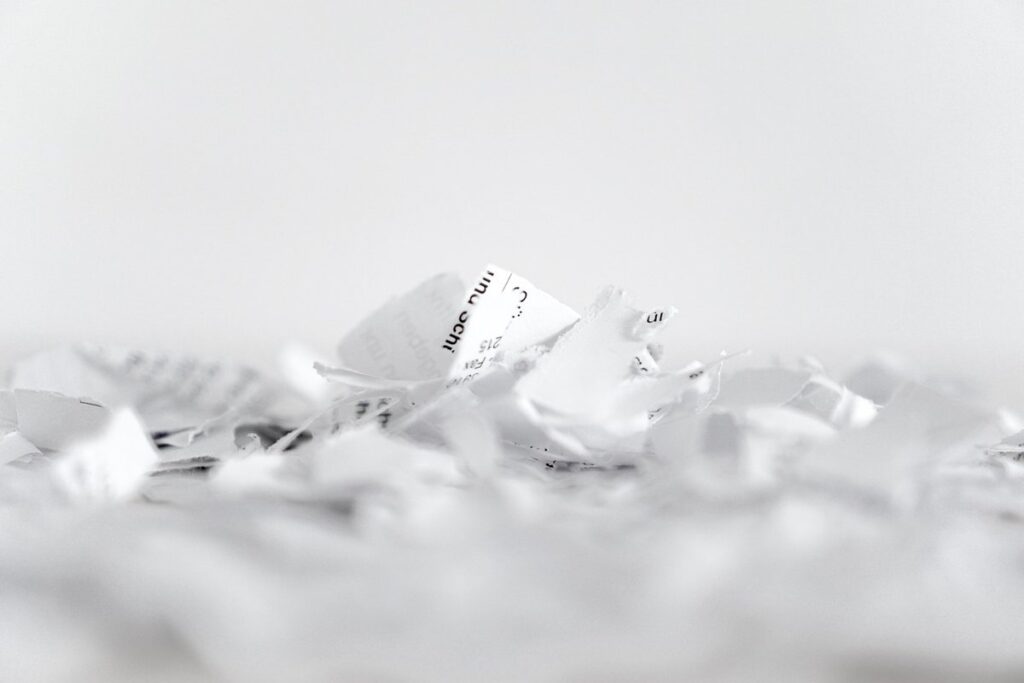
Introduction to Composting Paper Shredders
If you’re new to composting paper shredders, this section will walk you through the basics of how they work and why they’re a great addition to any home composting system. It’s essential for getting started on your path to reducing waste and creating nutrient-rich soil.
What is a Composting Paper Shredder?
A composting paper shredder is a device designed to shred paper into smaller pieces, making it easier to break down and incorporate into compost. Its primary purpose is to accelerate the decomposition process of organic materials, such as newspaper, cardboard, and other paper products, in home or community gardens.
By shredding paper, you can increase its surface area, allowing microorganisms like bacteria and fungi to feed on it more efficiently. This process helps to break down the cellulose and lignin in the paper, making it a nutrient-rich addition to your compost pile.
Composting paper shredders come in various forms, including manual and electric models. Manual shredders are often compact and affordable, while electric models offer faster processing times but require electricity to operate. When choosing a composting paper shredder, consider factors like capacity, noise level, and ease of use.
When using a composting paper shredder, it’s essential to shred the paper into small pieces, typically 1-2 inches in length. This size allows for optimal decomposition and ensures that the shredded paper is evenly distributed throughout your compost pile.
Importance of Paper Shredding in Composting
When you’re composting with a paper shredder, one of the key benefits is its ability to break down paper into smaller pieces that are easier for microorganisms to digest. This process contributes significantly to effective composting by addressing two critical issues: reducing the carbon-to-nitrogen ratio and facilitating nutrient cycling.
By shredding paper, you’re increasing its surface area and allowing it to mix more easily with other compost materials. This blending helps balance out the high carbon content found in many types of paper, which can hinder microbial activity if not properly balanced. A general rule of thumb is to maintain a carbon-to-nitrogen ratio between 25:1 and 30:1 for optimal decomposition.
As paper breaks down, its nutrients are released into the compost, enriching the soil with essential micronutrients like potassium, magnesium, and sulfur. This nutrient cycling process supports healthy plant growth and reduces your reliance on synthetic fertilizers. To maximize these benefits, be sure to shred paper regularly and mix it well with other compost materials, such as green waste and dried leaves.
Types of Composting Paper Shredders
When choosing a composting paper shredder, it’s essential to consider the different types available, each designed for specific needs and settings. Let’s explore the most common options.
Manual vs. Electric Composters
When it comes to choosing between manual and electric composting paper shredders, there are several factors to consider. On one hand, manual composters require physical effort and can be a bit more time-consuming, but they’re often cheaper upfront and produce minimal noise.
On the other hand, electric composters are typically easier to use and maintain, as they simply need to be plugged in and set up. However, they do require an electricity source, which may not always be available or convenient. Additionally, some electric models can be quite expensive, especially if you’re looking for a high-capacity option.
In terms of environmental impact, both types have their own trade-offs. Manual composters tend to produce less waste and energy consumption, but they also require more physical effort from the user. Electric composters, while often more convenient, may consume more electricity during operation. It’s essential to consider your specific needs and circumstances before making a decision.
When choosing between manual and electric models, think about factors like the size of your household, the amount of paper waste you generate, and your available space for the composter.
Outdoor vs. Indoor Composters
When it comes to choosing an outdoor versus indoor composting paper shredder, there are several key factors to consider. Space constraints are one major consideration – if you have a large yard or plenty of outdoor space, an outdoor composter may be the way to go. These units can handle larger volumes of shredded paper and often come with additional features like tumblers or aerators that make the composting process more efficient.
However, many people don’t have ample outdoor space, making indoor composting a better option. Indoor composters are designed to be compact and odor-free, using technologies like carbon filters or heat-absorbing materials to minimize any unpleasant smells. Another benefit of indoor composting is pest control – since the shredded paper is contained within a sealed unit, you don’t have to worry about attracting pests like rodents or insects that might be drawn to outdoor piles.
Ultimately, your decision will depend on your specific needs and preferences. If you’re short on space or live in an apartment, an indoor composter may be the better choice. But if you have plenty of room outside and want a more hands-off approach to composting, an outdoor unit could be the way to go.
Choosing the Right Composting Paper Shredder for Your Needs
When selecting a composting paper shredder, it’s essential to consider your specific needs and preferences, such as the type of documents you’ll be shredding and the space available in your home. This section will help guide that process.
Factors to Consider
When selecting a composting paper shredder, there are several key factors to consider. First and foremost, think about the capacity of the machine. How much paper do you need to shred on a regular basis? A larger capacity will be necessary for households with multiple occupants or those who receive frequent mail and documents.
Consider the size of the machine as well. Compact units can save space in small homes or offices, while larger models may be more suitable for commercial use. Additionally, think about the material construction of the shredder. Look for durable, rust-resistant materials that will withstand heavy use.
Noise level is another crucial consideration. Some shredders can be quite loud, which may not be ideal for shared living spaces or work environments. Finally, set a budget and stick to it. Composting paper shredders vary widely in price, so determine how much you’re willing to spend before making a purchase.
When comparing different models, also consider the features that come with each one. Some shredders may include additional attachments or accessories that can enhance their functionality. By weighing these factors carefully, you’ll be able to find a composting paper shredder that meets your specific needs and budget.
Brand and Model Research
When it comes to choosing the right composting paper shredder for your needs, researching different brands and models is a crucial step. Start by reading reviews from reputable sources such as online forums, blogs, and review websites like Amazon or Best Buy. Pay attention to the features and performance of each model, as well as any issues users may have experienced.
Checking certifications from organizations like BPI (Biodegradable Products Institute) can also give you an idea of a product’s quality and effectiveness. Look for the “BPI Compostable” logo on the packaging or manufacturer’s website to ensure that the shredder is producing compostable output.
Manufacturer support is another important factor to consider. Check if the company offers customer service, technical support, or warranties in case something goes wrong with your machine. Some manufacturers may also provide educational resources, such as tutorials or videos, to help you get started with using your composting paper shredder. By doing your research and choosing a reputable brand, you’ll be more likely to find a high-quality product that meets your needs.
Best Practices for Using Composting Paper Shredders
To get the most out of your composting paper shredder, it’s essential to follow some best practices when using and maintaining the device. This involves understanding its capacity and usage guidelines.
Maintenance and Cleaning Tips
To ensure the longevity and effectiveness of your composting paper shredder, regular maintenance and cleaning are crucial. Start by inspecting the machine after each use to remove any shredded paper and debris that may be accumulating inside.
Every 1-2 weeks, give your shredder a deeper clean by running it through a cycle with just water or a mixture of equal parts water and white vinegar. This will help dissolve any stubborn bits of paper and prevent clogs. Allow the machine to dry completely before reassembling and storing it.
To keep your shredder’s blades sharp, replace the cutting mechanism every 6-12 months, depending on usage frequency. Regularly cleaning the feed tray and collection bin with a soft brush or cloth will also help maintain optimal performance. By following these simple maintenance tips, you’ll extend the life of your composting paper shredder and ensure it continues to efficiently process large quantities of paper waste.
Keep in mind that neglecting regular maintenance may result in decreased performance, clogs, and even damage to the machine.
Optimizing Compost Quality
Optimizing compost quality is crucial when using a paper shredding composter. To achieve high-quality compost, you need to balance the carbon-to-nitrogen ratio, which is essential for decomposing organic materials efficiently. Aim for a mix of 2/3 “brown” materials (high in carbon) and 1/3 “green” materials (high in nitrogen). Brown materials include shredded paper, cardboard, and straw, while green materials include food scraps, grass clippings, and manure.
Maintaining optimal moisture levels is also vital. The compost pile should be kept moist, like a damp sponge. If the pile dries out, it can lead to reduced decomposition rates, unpleasant odors, and pest infestations. However, excessive moisture can cause anaerobic conditions, resulting in methane production and ammonia emissions.
Adding bulking agents can help improve airflow within the compost pile. Materials like coconut coir, straw, or shredded newspaper can absorb excess moisture and provide a habitat for beneficial microorganisms to thrive. Aim to add about 10-20% of these materials to your compost mix. Regular turning and monitoring of the pile will ensure optimal conditions for decomposition and produce high-quality compost suitable for gardening.
Troubleshooting Common Issues with Composting Paper Shredders
Sometimes, despite regular maintenance, your composting paper shredder can still encounter issues. This section will help you troubleshoot common problems and get your machine back on track.
Identifying Problems
When using a composting paper shredder, you may encounter some common issues that can slow down your composting process. One of the most frustrating problems is clogs caused by overloading the machine with too much paper at once. This can lead to jammed blades and motor strain, ultimately resulting in poor performance or even damage to the device.
Another issue you might face is pest infestations, especially if you’re shredding a large quantity of paper regularly. Pests like rodents, insects, and even mold can be attracted to the moist environment created by the compost pile. To minimize this risk, it’s essential to shred the paper thoroughly, breaking down the fibers into smaller pieces that are easily accessible for microorganisms.
Regular maintenance is key to preventing these issues. Ensure you clean your shredder regularly, emptying the collection bin and replacing worn-out blades as needed. By doing so, you’ll not only extend the life of your machine but also maintain a healthy compost pile that’s free from pests and clogs.
Solutions to Common Problems
One common issue with composting paper shredders is clogging due to excessive moisture. To prevent this, make sure to shred dry materials only and avoid adding large amounts of food scraps or other liquids that can lead to a soggy mess. If your machine does get clogged, don’t worry – it’s an easy fix. Simply unplug the device and carefully pour out any blockages. Clean and dry the area thoroughly before resuming operation.
Another common problem is jamming due to uneven shredding or large paper sizes. To avoid this, ensure that you’re feeding in small, uniform pieces of paper only. Regular maintenance, such as cleaning and oiling moving parts, can also help prevent jamming issues. If a jam does occur, turn off the machine immediately and carefully remove any stuck materials. Avoid forcing the issue, as this can damage your shredder.
Regular cleaning is crucial to maintaining your composting paper shredder’s health and preventing problems down the line. Set aside time each week to wipe down the exterior with a damp cloth and clean out any accumulated debris. This will help prevent clogging and keep your machine running smoothly for years to come.
Conclusion and Next Steps
Now that you’ve learned how to compost paper shredder effectively, let’s wrap up what we’ve covered and explore next steps for integrating this eco-friendly practice into your daily routine.
Recap of Key Takeaways
As we conclude our exploration of composting paper shredders, let’s recap the key takeaways from this article. By now, you should have a clear understanding of the benefits and best practices associated with incorporating these eco-friendly devices into your daily routine.
Composting paper shredders offer an efficient way to convert waste paper into nutrient-rich compost, reducing landfill waste and minimizing environmental impact. By following best practices, you can ensure that this process is both effective and safe.
To recap, here are the key points covered in this article: use a high-quality shredder designed specifically for composting; maintain proper moisture levels to facilitate decomposition; add carbon-rich materials like leaves or grass clippings to balance out nitrogen-heavy paper waste; monitor temperature and turning frequency to ensure optimal decomposition. By implementing these guidelines, you can successfully create nutrient-rich compost that will benefit your garden or indoor plants.
Remember, the journey to sustainable living begins with small steps – incorporating a composting paper shredder into your routine is an excellent place to start!
Encouragement to Start Composting
As you’ve learned throughout this comprehensive guide on composting paper shredders, incorporating one into your daily routine can have a significant impact on the environment. Not only do these eco-friendly devices enable you to recycle paper waste, but they also provide valuable nutrients for your garden.
Composting paper shredders are an essential tool for living sustainably and reducing waste in our communities. By recycling paper through composting, we minimize the amount of waste sent to landfills, which helps reduce greenhouse gas emissions and conserve natural resources.
Now that you’re familiar with the benefits and best practices of using a composting paper shredder, it’s time to take action! Start by identifying areas where you can implement this practice in your daily life. You can begin by allocating a small space for your shredder and collecting recyclable materials from around the house. Next, shred your paper waste and add it to your compost pile, mixing it with other organic materials like leaves or food scraps.
By making this simple switch, you’ll not only be contributing to a more environmentally friendly lifestyle but also creating a nutrient-rich soil amendment for your garden.
Frequently Asked Questions
What is the ideal paper-to-organic-material ratio for effective composting?
When using a composting paper shredder, it’s essential to maintain a balance between paper waste and other organic materials like food scraps or yard trimmings. A general rule of thumb is to aim for a mix that’s 2/3 “green” materials (high in nitrogen) and 1/3 “brown” materials (high in carbon). This ratio will help create an optimal environment for decomposition.
Can I compost shredded paper with plastic inserts or staples?
No, it’s not recommended to compost shredded paper with plastic inserts or staples. These items won’t break down and can harm the beneficial microbes in your compost, potentially contaminating it. Remove any plastic or metal components before shredding paper for composting.
How often should I maintain and clean my composting paper shredder?
Regular maintenance is crucial to ensure your composting paper shredder continues to function efficiently. Clean the machine after every use, and perform a deep clean every 1-2 months by soaking the parts in warm soapy water. This will prevent clogs and keep your shredded paper flowing smoothly.
What type of composting paper shredder is best for small-scale gardeners?
For small-scale gardeners or indoor composting, a manual composting paper shredder might be the most suitable option. These machines are typically compact, easy to use, and cost-effective. However, consider your specific needs and available space before making a decision.
Can I compost shredded paper with colored ink or dye?
Yes, but it’s essential to exercise caution when composting shredded paper with colored ink or dye. Some inks can leach into the soil and potentially harm plants. Opt for recycled paper products or those with soy-based inks, which are generally considered safer for composting. Always follow your local regulations regarding composting practices.