
Are you tired of dealing with pesky fruit flies swarming around your compost pile? These tiny insects can be frustrating to get rid of, but don’t worry, I’ve got some effective methods to share with you. Controlling fruit fly infestations is crucial for maintaining a healthy and productive composting process. Fruit flies thrive in moist environments, feeding on decaying fruits and vegetables. If left unchecked, they can multiply rapidly, spreading disease and attracting more pests to your compost.
In this article, we’ll explore practical tips and tricks for controlling fruit flies in your compost pile. From simple traps and physical barriers to optimal composting practices, we’ll cover it all. By implementing these effective methods, you’ll be able to keep those unwanted critters at bay and enjoy a thriving composting experience.
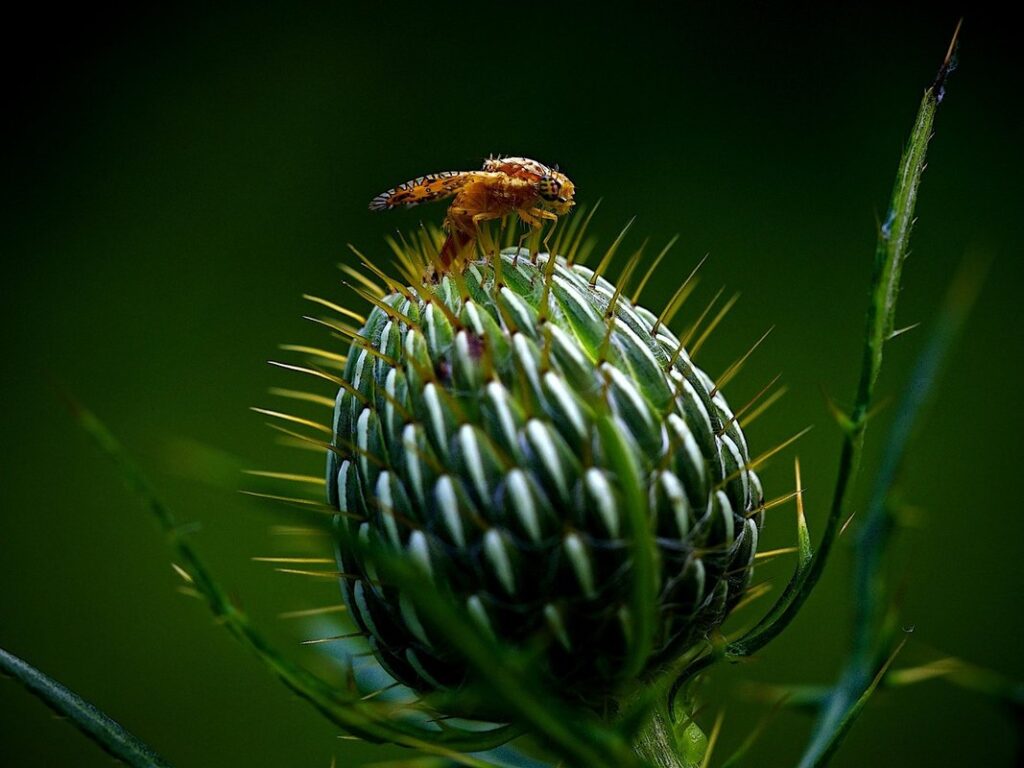
Understanding Fruit Fly Infestations in Compost Piles
When it comes to composting, fruit fly infestations can be a frustrating and common problem. Understanding the causes of these infestations is key to effectively controlling them.
Causes of Fruit Fly Attraction to Compost
Fruit flies are drawn to compost because of its unique characteristics. High moisture content is a significant contributor to this attraction. When organic matter breaks down, it releases excess water, creating an ideal breeding ground for fruit flies. This is especially true when the compost pile lacks adequate ventilation, allowing the moisture to accumulate.
Another key factor is the presence of fermenting organic matter. Fruit flies thrive in environments where decaying materials are readily available. When you add wet food scraps or coffee grounds to your compost pile, they create a nutrient-rich substrate for fruit fly larvae to feed on. As these larvae mature, they pupate and eventually emerge as adult fruit flies.
To mitigate this issue, it’s essential to balance the moisture levels in your compost pile. Aim for a mix that’s 50-60% green materials (wet) and 40-50% brown materials (dry). Regularly turning the pile also helps ensure oxygen reaches all areas, slowing down fermentation and reducing fruit fly attraction.
Risks Associated with Fruit Flies in Compost
When compost is infested with fruit flies, it can lead to some serious issues. One of the main concerns is reduced microbial activity. This means that the beneficial bacteria and microorganisms that break down organic matter are disrupted by the fruit fly larvae’s presence. As a result, the composting process slows down or even comes to a halt.
Another problem associated with infested compost is unpleasant odors. Fruit flies lay their eggs in moist environments, which can create an ideal breeding ground for bacteria and fungi. These microorganisms thrive on the decaying matter and release strong, pungent smells that can be overwhelming. Imagine taking out your compost bin only to be greeted by a putrid stench – it’s definitely not what you want from your composting efforts!
Moreover, infested compost can also pose a risk of disease transmission. Fruit flies can carry diseases such as E. coli and Salmonella on their bodies, which they may then transfer to the compost. If this contaminated compost is used in gardens or indoor plants, it can lead to the spread of these diseases.
To avoid these issues, regular monitoring of your compost pile for signs of fruit fly infestation is crucial.
Identifying the Signs of a Fruit Fly Infestation
Before you know it, fruit fly infestations can spiral out of control. This is where recognizing the early warning signs comes in handy to take action before things get worse.
Visual Cues: Eggs, Larvae, and Adult Flies
When identifying signs of a fruit fly infestation in your compost, it’s essential to know what to look for. Composting fruit flies are typically small, dark-colored, and have red or yellow eyes. However, their life cycle is more complex than just the adult stage. The eggs, larvae (maggots), and adult stages can all be seen in compost.
Eggs are usually white, tiny, and oval-shaped. They’re often laid on the surface of the compost pile or buried within it. Keep an eye out for a cluster of eggs, as females can lay multiple batches during their lifetime. Larvae, also known as maggots, are legless, wiggly creatures that feed on decaying organic matter. They’re typically pale-colored and around 1/4 inch long. Adult flies, on the other hand, are often mistaken for actual flies but are actually the final stage of a fruit fly’s life cycle.
To identify these stages effectively, maintain regular compost monitoring by turning the pile every few days to ensure even decomposition and expose any potential infestations.
Odor and Moisture Levels
When you notice fruit flies around your compost pile, it’s not just their buzzing that’s annoying – it’s also the strong, unpleasant odor they bring with them. This pungent smell is a clear sign of a fruit fly infestation and can be a major turn-off for anyone who’s enthusiastic about composting.
The culprit behind this foul smell is the decomposition process itself. Fruit flies thrive in environments where organic matter is breaking down quickly, releasing compounds that give off an unpleasant odor. This is why it’s essential to monitor your compost pile regularly and take action if you notice any unusual odors or fly activity.
To minimize the smell and prevent fruit fly infestations, make sure to maintain good airflow around your compost pile by turning it every few days. Also, balance your carbon-to-nitrogen ratio, as an imbalance can lead to anaerobic conditions that favor the growth of fruit flies and other pests. By controlling these factors, you’ll not only reduce the odor but also create a healthier environment for beneficial microorganisms to thrive.
Methods for Controlling Fruit Fly Populations
When it comes to managing fruit fly populations, effective methods are crucial for maintaining a healthy compost pile. Let’s explore some practical ways to control these pesky insects naturally.
Using Traps: Jar Trap, Vinegar Trap, and Wine Bottle Trap
When it comes to controlling fruit fly populations, trapping is an effective method that can be used in conjunction with other methods. You can use jars or bottles filled with a liquid bait to trap and kill fruit flies. The most common liquids used for this purpose are vinegar, wine, and a mixture of sugar and water.
One popular method is the jar trap. Fill a jar about 1/4 full with apple cider vinegar, leaving enough room for the fruit flies to enter but not fly back out. Cover the top with plastic wrap or a cloth to prevent escape routes. Punch some small holes in the covering to allow the fruit flies to enter and get trapped inside.
Another method is the wine bottle trap. Fill an empty wine bottle 1/4 full with red wine, just like you would use vinegar. The fermentation process will attract the fruit flies, which will then be trapped inside the bottle. Replace the cork or stopper when it becomes clogged to prevent escape.
You can also make a homemade trap using sugar and water. Mix equal parts of sugar and water to create a sweet liquid that attracts fruit flies. Fill a jar with this mixture and cover it with plastic wrap, making sure there are some small holes for the fruit flies to enter. Replace the solution every few days to keep it effective.
These traps can be an essential tool in controlling fruit fly populations. By using multiple traps in strategic locations around your garden or home, you’ll be able to monitor the effectiveness of these methods and maintain a balanced ecosystem.
Adding Physical Barriers and Removing Attractants
When it comes to controlling fruit fly populations through composting, making some adjustments to your pile’s setup can make a big difference. One crucial step is to ensure proper ventilation within the compost pile. This means aerating the pile regularly by turning or poking holes in it to allow oxygen to flow in and carbon dioxide to escape. Not only does this prevent anaerobic conditions from developing, but it also deters fruit flies that thrive in low-oxygen environments.
Another essential aspect is removing fermented materials from your compost pile. These items often contain high levels of ethanol, which can attract fruit flies and create an ideal breeding ground for them. Regularly inspecting your compost pile and separating these materials will help prevent infestations.
By doing so, you’ll not only reduce the risk of attracting fruit flies but also promote a healthier composting process that’s free from pests.
Composting Practices to Prevent Fruit Fly Infestations
To effectively prevent fruit fly infestations, it’s essential to implement proper composting practices that minimize waste and maintain a balanced environment. Let’s dive into some specific strategies for your compost pile.
Maintaining Optimal Moisture Levels
Maintaining optimal moisture levels is crucial when composting to prevent fruit fly infestations. As a general rule of thumb, aim for 50-60% moisture content in your compost pile. This may seem like a vague guideline, but it’s essential to strike the right balance between keeping the materials moist and avoiding overwatering.
Overwatering can lead to anaerobic conditions, creating an ideal breeding ground for fruit flies. When your compost is too wet, microorganisms struggle to break down organic matter efficiently, producing excess heat that can be unbearable for these pests. On the other hand, if the moisture content dips below 40%, it may become challenging for beneficial microbes to thrive.
To achieve the sweet spot of 50-60% moisture, add water as needed, ideally by sprinkling small amounts around the pile rather than pouring a large quantity at once. You can also monitor your compost’s moisture levels by checking its texture – it should feel like damp soil when you stick your hand into it. By keeping the right balance of moisture, you’ll create an environment that discourages fruit fly infestations and fosters healthy microbial activity.
Balancing Carbon-to-Nitrogen Ratios
A well-balanced carbon-to-nitrogen (C:N) ratio is crucial for maintaining a healthy compost pile that’s conducive to fruit fly control. When the C:N ratio falls within the optimal range of 25:1 to 30:1, microbial activity thrives, and fermentation is minimized. This balance allows beneficial microbes to break down organic matter efficiently, producing heat and carbon dioxide as byproducts.
To achieve this balance, focus on mixing ‘green’ materials (high in nitrogen) with ‘brown’ materials (high in carbon). Green materials include food scraps, grass clippings, and manure, while brown materials consist of dried leaves, straw, or shredded newspaper. Aim to maintain a 2/3:1/3 ratio of brown to green materials. For example, if you have a batch of wet grass clippings (high in nitrogen), balance them out with an equal amount of dry leaves or shredded newspaper.
Monitor your compost pile’s temperature and moisture levels regularly to ensure the C:N ratio remains balanced. A temperature range of 130°F to 140°F and adequate moisture are indicators that the microbial process is running smoothly, thus minimizing fruit fly infestations.
Composting Techniques to Promote Fruit Fly Management
Let’s dive into some effective composting techniques that can help reduce fruit fly populations and create a healthier compost pile. We’ll explore the best practices for managing these pesky insects naturally.
Hot Composting
Hot composting is an efficient method for killing fruit fly eggs and larvae by leveraging the heat generated from decomposing organic matter. When you mix green materials high in nitrogen with carbon-rich browns, a hot compost pile forms. The microorganisms feeding on these organic materials produce heat, often reaching temperatures above 130°F (54°C). This is typically sufficient to kill any fruit fly eggs or larvae present.
To create a hot composting setup, start by layering green materials such as kitchen scraps and grass clippings with carbon-rich browns like dry leaves or shredded newspaper. Aim for a mix of 2/3 brown material and 1/3 green material. Ensure the pile is at least three feet wide and tall to allow for sufficient airflow and heat retention.
Monitor your compost pile’s temperature by checking it every few days. If the temperature falls below 120°F (49°C), add more green materials to generate heat. This will create an environment where fruit fly eggs and larvae are unable to survive, reducing their population in the area.
Cold Composting
Cold composting is an excellent method for managing fruit fly populations, albeit at a slower pace. This technique involves piling organic matter and allowing it to decompose over time without actively turning the compost pile. As the microorganisms break down the material, they consume the fruit fly eggs, larvae, and adults, effectively controlling their population.
The key benefit of cold composting is that it doesn’t require regular maintenance, which can be a challenge when managing fruit flies in compost piles. By not disturbing the pile, you allow the beneficial microbes to work efficiently, reducing the likelihood of fruit fly infestations. Additionally, this method is ideal for households with limited space or those who don’t have time to maintain a regular composting schedule.
To implement cold composting effectively, simply create a large pile of organic matter (such as leaves, grass clippings, and food scraps) and let it decompose over several months. The slower process may take longer to produce finished compost, but the end result will be rich in nutrients and free from fruit fly infestations.
Tips for Managing Fruit Flies in Specific Compost Materials
When composting specific materials, fruit flies can become a nuisance. We’ll explore some effective tips for managing them in different types of compost, such as food waste and manure-based piles.
Managing Fruit Flies in Fruits and Vegetables
Proper storage, handling, and washing of fruits and vegetables are crucial steps to prevent fruit fly infestations. When storing fruits and veggies, keep them away from direct sunlight, heat sources, and moisture, as these conditions can accelerate ripening and attract fruit flies.
Before storing, inspect each item for any signs of spoilage or damage. Remove any rotten or damaged produce immediately, as it can serve as a breeding ground for fruit flies. Store fruits and vegetables in sealed containers or zip-top bags to prevent pests from laying eggs on them. For example, store apples and pears in mesh bags to allow air circulation while keeping the pests out.
When handling fruits and veggies, wash them thoroughly with soap and water before storing. This will help remove any dirt, bacteria, or other substances that might attract fruit flies. For instance, wash berries gently in a mesh bag under cold running water. After washing, dry produce with clean towels to prevent moisture buildup.
Lastly, maintain good kitchen hygiene by regularly cleaning countertops, sinks, and floors. Regularly sweeping and mopping the floor can also help reduce fruit fly populations.
Managing Fruit Flies in Manure and Bedding Materials
When it comes to composting with manure and bedding materials, fruit flies can be a major nuisance. One way to minimize the risk of infestations is by using these materials separately from other organic matter. This approach allows you to control the carbon-to-nitrogen ratio, which can help reduce the attractiveness of the material to fruit flies.
For example, if you’re composting horse manure, consider setting it aside as a separate pile or bin. You can then add this material in moderation to your main compost mix, gradually increasing its proportion over time. This way, you can balance the nutrient-rich manure with more carbon-heavy materials like leaves or straw.
Another option is to use manure tea, which involves steeping the manure in water to create a liquid fertilizer. This can be added to your compost pile at a rate of about 10-20% of the total volume, helping to break down the material without attracting fruit flies. By taking these steps, you can reduce the risk of infestations and maintain a healthy, thriving compost ecosystem.
Frequently Asked Questions
What should I do if I’ve already composted fruit scraps for a while, but just noticed the fruit fly infestation?
If you’re dealing with an existing fruit fly problem, it’s essential to act quickly and thoroughly. Start by emptying the compost pile and sorting out the infested material. Remove any rotting or decaying matter that may be attracting more flies. Then, re-start your composting process using proper techniques to maintain optimal moisture levels and carbon-to-nitrogen ratios.
Can I use essential oils to repel fruit flies in my compost?
Yes, certain essential oils like peppermint, lemongrass, and citronella can help deter fruit flies. However, their effectiveness may vary depending on the severity of the infestation and the oil’s concentration. You can mix a few drops of these oils with water and spray it around the compost area. Nevertheless, remember that this method is more of a deterrent than a solution to the underlying causes of the infestation.
How long does it take for fruit fly populations to decrease after implementing control measures?
The time frame for fruit flies to decline in numbers depends on several factors, including the severity of the infestation and the effectiveness of your control methods. Typically, you may start noticing a reduction in fly activity within 7-10 days after introducing physical barriers or traps. However, it’s crucial to maintain consistent effort and monitor the compost pile regularly to prevent re-infestation.
Can I use fruit fly traps indoors near my compost bin?
Yes, indoor traps can be an effective way to capture adult flies, but they may not address the root cause of the infestation. To ensure long-term control, it’s essential to address moisture levels and odors around your compost bin. Consider using a combination of traps and physical barriers in conjunction with proper composting practices to prevent future infestations.
What if I’m composting fruit scraps that are too far gone for human consumption? Can I still attract fruit flies?
Yes, even overripe or rotten fruits can attract fruit flies. These insects are attracted to fermented organic matter, regardless of its edibility. In such cases, it’s best to remove the infested material and balance your compost pile’s carbon-to-nitrogen ratio to prevent future issues. Regularly inspecting your compost for signs of fruit fly activity will help you catch problems early on.