
Creating a balanced compost pile is crucial for effective decomposition, and understanding the greens and browns ratio is key to achieving this balance. But what exactly are greens and browns in composting? Simply put, greens are high-nitrogen materials like food scraps and grass clippings, while browns are low-carbon materials like dried leaves and twigs. The right combination of these two types of materials is essential for creating a healthy and thriving compost ecosystem. In this article, we’ll delve into the importance of the greens and browns ratio in composting, explore different types of compost piles, and provide advanced techniques to help you optimize your decomposition process and create nutrient-rich compost for your garden.
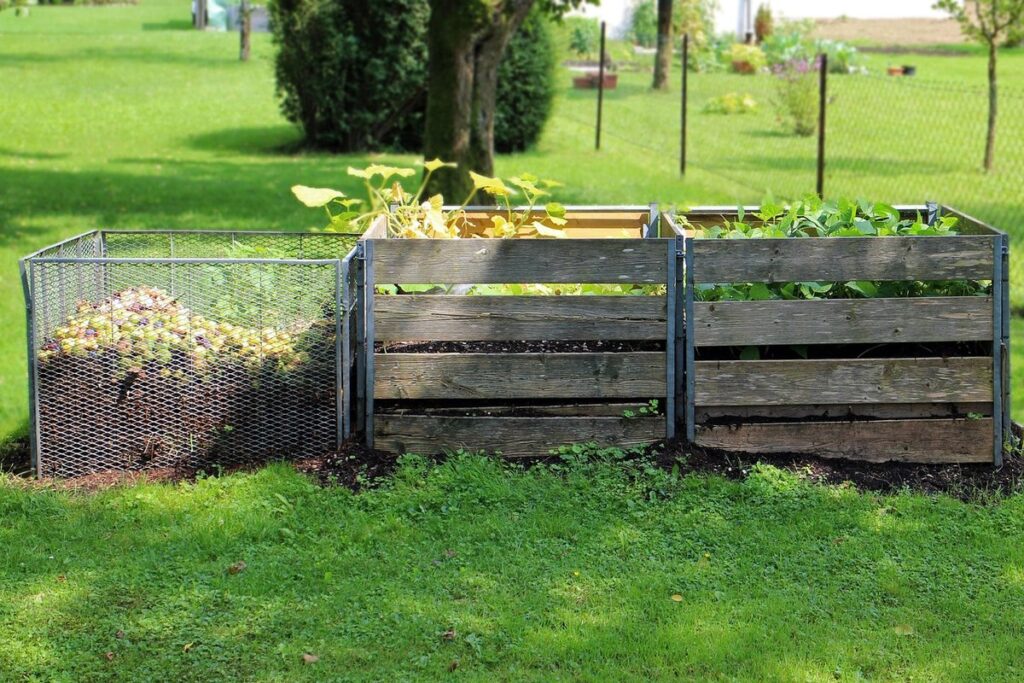
Understanding the Basics
Let’s get started on the foundation of successful composting – understanding the basics of greens and browns, including how to balance these essential components. You’ll learn what makes a perfect mix for your pile.
What is Composting?
Composting is a natural process that breaks down organic materials into a rich, nutrient-dense soil amendment. It’s essential to understand this concept before diving into the world of greens and browns ratios. By composting, you’re not only reducing waste sent to landfills but also creating a valuable resource for your garden.
When organic materials decompose in a landfill, they release methane, a potent greenhouse gas that contributes to climate change. Composting, on the other hand, allows these materials to break down naturally, producing carbon dioxide and water vapor instead. This process reduces the amount of waste sent to landfills by approximately 30%, making it an eco-friendly solution.
Composting also helps conserve water and soil quality. The nutrient-rich compost acts as a natural fertilizer, promoting healthy plant growth and reducing the need for synthetic fertilizers. By incorporating compost into your garden, you’ll be creating a more sustainable and resilient ecosystem.
Types of Compost Piles
There are three primary types of compost piles to consider: hot composting, cold composting, and worm composting. Each method has its own unique characteristics and advantages.
Hot composting involves actively managing the carbon-to-nitrogen ratio by layering “green” materials (high in nitrogen) with “brown” materials (high in carbon). This process can heat up to 160°F within a few days, killing off weed seeds and pathogens. However, it requires regular turning and maintenance.
Cold composting, on the other hand, is a low-maintenance approach where all organic materials are simply piled together without any active management. While this method doesn’t produce finished compost as quickly, it’s perfect for beginners or those with limited space.
Worm composting involves using red wiggler worms to break down food scraps and other organic matter in a controlled environment. This method is ideal for indoor composting and produces a nutrient-rich soil amendment within weeks.
The Perfect Greens-Browns Ratio
Achieving a balanced mix of greens and browns is crucial for optimal composting, but what’s the perfect ratio? Let’s dive into the details.
What are Greens?
When it comes to composting, “greens” refer to high-nitrogen materials that add nutrients and speed up the decomposition process. These materials are the foundation of a healthy compost pile, providing the necessary fuel for microorganisms to break down organic matter.
Examples of greens include food scraps like fruit and vegetable peels, eggshells, grass clippings, manure from herbivores (like horses or rabbits), and fresh leaves. These items are rich in nitrogen, carbon’s counterpart in the composting equation. When added to your compost pile, they help create a nutrient-rich environment that supports microbial growth.
Greens contribute to the compost pile by:
• Providing a readily available food source for microorganisms
• Increasing the moisture content of the compost pile
• Helping to speed up decomposition and maturation
When selecting greens for your compost pile, remember to balance them with browns (high-carbon materials like shredded newspaper or twigs) to maintain an optimal carbon-to-nitrogen ratio. Aim to add 2/3 browns to 1/3 greens to create a thriving compost environment.
What are Browns?
So, you want to know what “browns” are in the context of composting? In simple terms, browns refer to carbon-rich materials that provide essential nutrients and structure to your compost pile. These materials are typically dry and brittle, which is why they’re called “browns.” Examples of brown materials include dried leaves, shredded newspaper, wood chips, and straw.
When you add these browns to your compost pile, they help in several ways. Firstly, they provide carbon, which is a crucial component for healthy decomposition. Browns also act as a bulking agent, allowing excess moisture to evaporate and preventing the compost from becoming too wet or soggy. Moreover, browns help maintain aeration within the compost pile by providing pathways for oxygen to penetrate.
To incorporate browns into your composting routine, try adding a mix of dry leaves and shredded newspaper to your pile each week. As you add these materials, remember to balance them with green materials, like food scraps or grass clippings, to maintain the perfect ratio. By doing so, you’ll be well on your way to creating nutrient-rich compost for your garden.
Determining Your Ratio
Now that you have a basic understanding of what makes up a healthy compost pile, it’s time to dive into determining the perfect greens-to-browns ratio for your project. This is where the magic happens!
The Science Behind the Ratio
Maintaining a balanced ratio between greens and browns is crucial for effective decomposition in a compost pile. But have you ever wondered why this balance is so important? The science behind it lies in the way microorganisms break down organic matter.
Greens, which are high in nitrogen, provide the necessary energy source for these microbes to thrive. However, if there’s too much green material, it can lead to an overabundance of nitrate-nitrogen, causing the compost pile to become anaerobic and leading to unpleasant odors. On the other hand, browns, which are high in carbon, provide the necessary structure and oxygen for decomposition.
When greens and browns are balanced, microorganisms can break down organic matter efficiently, releasing essential nutrients like nitrogen, phosphorus, and potassium into the compost. This balance is key because it ensures that decomposition occurs slowly enough to allow for optimal nutrient release but quickly enough to prevent anaerobic conditions. Aim for a mix of 2/3 browns to 1/3 greens to achieve this ideal ratio. By striking this balance, you’ll create a thriving ecosystem in your compost pile and enjoy rich, nutrient-dense compost in return.
Calculating Your Greens-Browns Mix
When it comes to determining your ideal greens-browns mix, there are several factors to consider. Climate plays a significant role, as composting in hot and dry environments requires a higher browns content to prevent overheating and drying out the pile. Conversely, in cooler and wetter climates, you may need more greens to keep the pile warm and moist.
The size of your compost pile also affects the ideal mix. Larger piles can handle more greens due to their greater volume, while smaller piles require a more balanced mix to avoid overloading with nitrogen-rich materials.
Take stock of the available materials on hand when calculating your mix. If you have an abundance of leaves or straw, for example, you may be able to incorporate more browns into your pile. Conversely, if you’re short on browns, you can supplement with readily available carbon-rich materials like shredded newspaper or cardboard.
Aim for a general rule of thumb: 2/3 to 1/3 greens-browns ratio by volume. However, feel free to adjust this mix based on the specific conditions and materials at your disposal. Monitor your pile’s progress, taking note of its temperature, moisture levels, and overall stability. This will help you refine your ideal mix over time.
Maintaining the Perfect Balance
Now that you’ve got a good understanding of the ideal greens-to-browns ratio, let’s explore how to maintain it and keep your compost pile thriving over time. This balance is key to effective decomposition.
Monitoring Temperature and Moisture
Monitoring temperature and moisture levels is crucial to creating an optimal environment for decomposition. The ideal temperature range for composting is between 130°F and 140°F (54°C-60°C). This warm spot, often referred to as the “hot spot,” is where microorganisms thrive and break down organic matter efficiently.
To maintain this temperature range, ensure your compost pile has sufficient moisture. Aim for a mix that’s like a damp sponge – not soggy or waterlogged. Too little moisture will slow decomposition, while too much can lead to anaerobic conditions and unpleasant odors.
Check the temperature of your compost pile regularly by sticking a thermometer into the center. If it’s below 100°F (38°C), add more “green” materials like food scraps or grass clippings to introduce nitrogen-rich ingredients. Conversely, if it exceeds 140°F, aerate the pile by turning it or adding bulking agents like straw.
Monitor moisture levels by performing the “squeeze test”: squeeze a handful of compost – if it crumbles easily, it’s too dry; if it sticks together, it’s just right. By striking this balance between temperature and moisture, you’ll create an ideal environment for your compost to break down efficiently and produce rich, nutrient-dense soil amendment.
Adding Bulking Agents
When working with compost piles, it’s not uncommon for the mixture to become too dense, leading to anaerobic conditions and reduced microbial activity. This is where bulking agents come into play. Bulking agents like straw or shredded newspaper serve as a crucial component in maintaining air pockets within your compost pile.
These materials help prevent matting by creating space between the denser green materials (like food scraps and grass clippings). By incorporating bulking agents, you can ensure that oxygen reaches all parts of the pile, promoting healthy decomposition and reducing the risk of unpleasant odors. Aim to add about 20-30% bulking agent material, spread evenly throughout your compost pile.
To incorporate bulking agents effectively, consider adding them as you build your initial compost mix or during regular turning sessions when the pile is already established. For instance, when starting a new pile, mix in about 4-6 inches of shredded newspaper with the first layer of green materials.
Troubleshooting Common Issues
Don’t worry if things don’t go as planned – we’ll guide you through the most common issues that can arise when mastering your compost pile’s greens and browns ratio. Let’s troubleshoot together!
Overwhelmed by Greens?
Dealing with an overabundance of greens can be overwhelming, but don’t worry, it’s easily manageable. If you find yourself consistently adding too many green materials to your compost pile, the solution lies not in adjusting your ratio but rather in how you incorporate these high-nitrogen ingredients.
Consider adding more browns to your mix to balance out the excess nitrogen from the greens. This can be achieved by incorporating dried leaves, shredded newspaper, or coconut coir into your pile. The key is to maintain a balanced carbon-to-nitrogen ratio, which will help regulate the decomposition process and prevent ammonia buildup.
Alternatively, you might want to create a separate “green pile” for highly nitrogen-rich materials like kitchen scraps, grass clippings, or fresh leaves. This allows you to manage these ingredients separately from your main compost pile, keeping them contained until they’ve broken down sufficiently to add back into the mix without throwing off the ratio.
By implementing one of these strategies, you can ensure a healthy balance in your compost and minimize the risk of excessive nitrogen buildup.
Too Many Browns?
If you find that your compost pile is too dry and crumbly, it may be due to an overabundance of browns. While browns are essential for providing carbon-rich materials, too much of a good thing can lead to problems. In this scenario, you have two main options: add more green materials or turn the compost pile.
Firstly, consider adding more green materials to balance out the ratio. This could be in the form of fresh grass clippings, kitchen scraps, or manure from herbivores like horses or cows. Add a mix of high-nitrogen “green” materials to your pile and mix well. Be cautious not to add too much at once, as this can cause the pile to become anaerobic and start to smell.
Alternatively, you can try turning your compost pile. This process involves regularly flipping over the top layer of the compost to aerate it and speed up decomposition. By doing so, you’ll ensure that oxygen reaches all areas of the compost pile, helping to balance out the ratio. Try turning your pile every 7-10 days to keep things in check.
Advanced Composting Techniques
Now that you’ve mastered the basics of composting, it’s time to take your skills to the next level by exploring advanced techniques for creating nutrient-rich soil. We’ll cover expert methods for boosting decomposition and optimizing your pile’s performance.
Cold Composting vs. Hot Composting
As you’ve mastered the greens and browns ratio, it’s time to explore two advanced composting techniques: cold composting and hot composting. While both methods aim to break down organic matter, they differ significantly in approach and outcome.
Cold composting involves adding all materials to a pile at once, without actively managing temperature or turning the pile. This method is ideal for small-scale composting, where space is limited, or for beginners who want a low-maintenance option. Think of it like a “set-it-and-forget-it” approach – simply add your greens and browns in balance, and let nature do its magic over time (typically several months to a year). However, cold composting can lead to uneven decomposition, with some materials breaking down quickly while others remain intact.
Hot composting, on the other hand, involves actively managing temperature by regularly turning the pile. This method accelerates decomposition, producing finished compost in as little as 2-3 weeks. Hot composting is best suited for larger-scale operations or for gardeners who need high-quality compost rapidly. To get started with hot composting, focus on creating a balanced carbon-to-nitrogen ratio and maintain optimal moisture levels to support microbial activity.
It’s essential to note that both methods require a balance of greens and browns. A good rule of thumb is to alternate layers of each material as you add them to the pile. For example, start with a 4-6 inch layer of browns (dried leaves or straw), followed by a 2-3 inch layer of greens (food scraps or grass clippings). Repeat this process until your pile reaches its desired height.
If you’re short on space or new to composting, cold composting is an excellent starting point. However, if you’re looking for a more efficient and rapid decomposition process, hot composting is the way to go. Remember to monitor temperature and moisture levels regularly, regardless of which method you choose. With patience and practice, either approach can produce high-quality compost that will enrich your soil and support thriving plants.
Worm Composting 101
Worm composting, also known as vermicomposting, is a low-maintenance alternative to traditional composting methods that’s perfect for indoor spaces or small-scale operations. By harnessing the power of worms, you can turn kitchen scraps and other organic waste into nutrient-rich compost.
The benefits of worm composting are numerous: it’s odor-free, compact, and produces a high-quality compost in a relatively short period of time – typically within 1-3 months. Worms are also efficient at breaking down complex materials like fruit and vegetable peels, eggshells, and coffee grounds.
However, there are some challenges to consider when using worms in your composting process. For instance, worms require a consistent food supply, oxygen, and moisture levels to thrive. They’re also sensitive to extreme temperatures and pH fluctuations, which can affect the quality of the finished compost. To overcome these challenges, start by setting up a worm bin with adequate ventilation, maintaining a balance between “green” (food-rich) and “brown” (carbon-rich) materials, and monitoring temperature and pH levels regularly. With proper care and attention, worm composting can be a rewarding and productive way to turn your kitchen scraps into valuable compost.
Conclusion
As you’ve learned throughout this guide, mastering the greens and browns ratio is key to creating a thriving compost pile. Now that you have a solid understanding of how to balance your ingredients, it’s time to put your knowledge into practice. Remember, the 2/3 brown materials to 1/3 green materials ratio is a general guideline, but don’t be afraid to experiment and adjust as needed based on your specific composting setup.
By following these simple tips and adjusting the greens-to-browns ratio, you’ll be well on your way to creating rich, nutrient-dense compost that will improve your soil’s structure and fertility. Don’t forget to regularly monitor your pile’s temperature and moisture levels to ensure optimal decomposition. With a little patience and practice, you’ll be harvesting a bountiful batch of compost in no time!
Frequently Asked Questions
What if I don’t have a dedicated space for my compost pile, but I still want to start composting?
You can still compost by using a smaller container or even a worm composter (vermicomposting) that doesn’t require a lot of space. This is a great option for urban gardeners or those with limited outdoor space. Consider using a compact bin or a DIY setup to get started.
How do I handle excessive moisture in my compost pile, and what are the risks associated with it?
Excessive moisture can lead to anaerobic conditions, causing unpleasant odors and potentially attracting pests. Monitor your pile’s moisture levels regularly and add browns (dried materials) to balance out excess greens. If you notice mold or a sour smell, turn your compost to aerate it.
Can I use weeds in my compost pile, including those with seeds?
Weeds can be used in composting, but make sure to remove any seed heads or flowers to prevent weed propagation. Also, consider the type of weed: some, like bindweed, are difficult to break down and may not add much value to your compost.
How do I balance my greens-to-browns ratio if I have a lot of high-nitrogen materials from animal manure?
Animal manure is rich in nitrogen, so you’ll want to balance it with more browns (carbon-rich materials) to prevent over-fermentation. Aim for a mix that’s roughly 2/3 browns and 1/3 greens. You can also add extra carbon sources like straw or shredded newspaper.
What happens if my compost pile gets too hot, and I notice temperatures above 160°F (71°C)?
High temperatures can be beneficial, but above 160°F (71°C), your compost may become too sterile or even burn. Check your moisture levels and turn the pile to aerate it. You can also add more browns to cool down the process.