
If you’re growing peppers in your garden, you’re likely no stranger to their many benefits. Not only do they add flavor and color to a variety of dishes, but they can also help deter pests and improve soil health. However, did you know that certain companion plants can take your pepper game to the next level? By learning which plants pair well with peppers and how to care for them, you can boost growth, enhance flavor, and increase yields. In this comprehensive guide, we’ll explore the world of pepper companion plants and show you how to get the most out of your garden. Whether you’re a seasoned gardener or just starting out, you’ll discover practical tips and expert advice on choosing the right companions for your peppers and creating a thriving, productive garden.
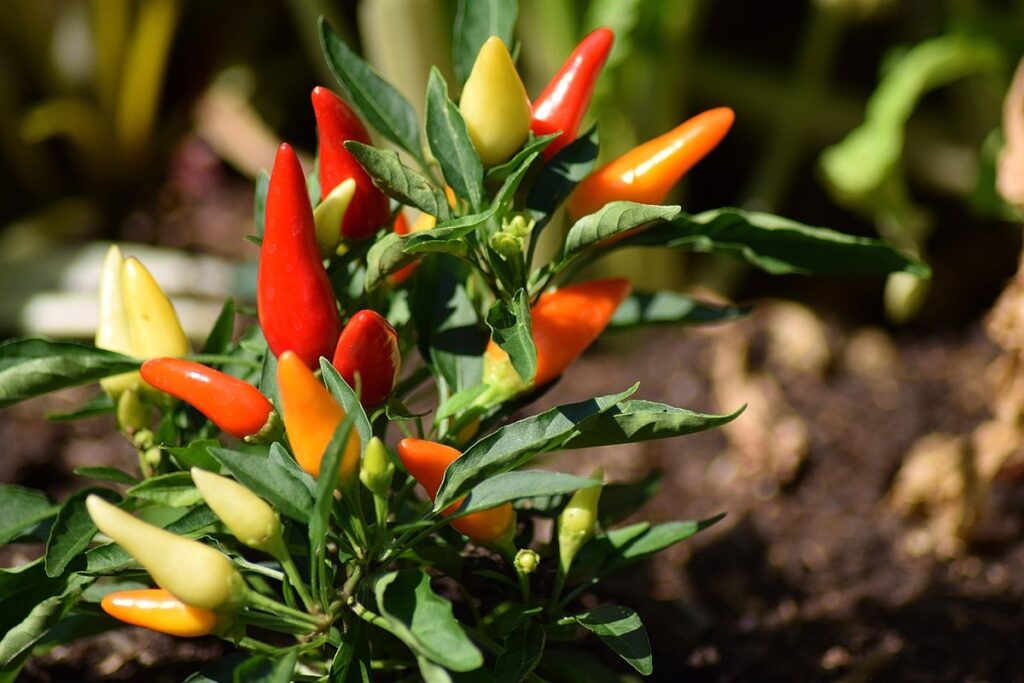
What Are Companion Plants?
Companion plants are the unsung heroes of your garden, working behind the scenes to improve soil health, deter pests, and even enhance flavor. Let’s explore what they’re all about!
What Are the Benefits of Using Companion Plants with Peppers
Using companion plants with peppers can have a significant impact on their growth and flavor. One of the primary benefits is improved growth, which can be attributed to the different ways companion plants support pepper health. For instance, basil repels pests that target peppers, such as aphids and whiteflies, thereby reducing stress and ensuring better nutrient uptake.
Some examples of companion plants that boost pepper yields include marigold, which repels nematodes that harm root systems, and comfrey, which acts as a fertilizer plant by adding nutrients to the soil. Nasturtiums are another valuable addition, as they attract beneficial insects like lacewings and hoverflies, which prey on pests.
In terms of flavor enhancement, certain companion plants can add depth and complexity to pepper flavor profiles. Oregano and thyme, for example, have a pungent aroma that complements the sweetness of peppers, while mint adds a refreshing twist. When selecting companion plants, remember to choose varieties that thrive in your local climate and have compatible growing requirements with your peppers.
Choosing the Right Companion Plants for Your Pepper Variety
When choosing companion plants for your pepper variety, it’s essential to consider several factors that will impact their growth and productivity. Climate, soil type, and growing conditions are crucial elements to take into account. For instance, if you’re living in a hot and dry climate, it’s best to pair your peppers with drought-tolerant plants like basil or rosemary.
On the other hand, if you have rich and moist soil, companion plants like marigold or nasturtium can thrive alongside your peppers. Additionally, think about the specific needs of your pepper variety. Bell peppers, for example, benefit from being paired with tall-growing plants like sunflowers or corn to provide shade and support.
Hot peppers, on the other hand, love the company of chives or garlic, which not only repel pests but also add flavor to their surroundings. By understanding these nuances and tailoring your companion plant selection accordingly, you can create a harmonious and productive garden bed that yields healthier and more flavorful peppers.
Popular Pepper Companion Plants for Improved Growth
When it comes to boosting your pepper plant’s growth and flavor, certain companion plants can make all the difference. Here are our top picks for popular pepper companions.
Basil: The Classic Pepper Companion Plant
Basil is one of the most popular pepper companion plants, and for good reason. When paired together, basil and peppers create a symbiotic relationship that benefits both plants. For starters, basil improves the flavor profile of peppers by releasing oils that enhance their natural sweetness. This is especially true for sweet bell peppers, which can become even sweeter when planted alongside basil.
To take advantage of this partnership, plant basil around the base of your pepper plants, about 6-8 inches away from the stem. Water and care for both plants simultaneously, ensuring they receive equal amounts of sunlight and nutrients. Regular pruning of basil will also encourage bushy growth, allowing it to spread out and surround the pepper plant without competing for resources.
By planting basil with peppers, you’ll also notice a reduction in pests that target pepper plants, such as aphids and whiteflies. Basil’s strong scent repels these unwanted visitors, keeping your pepper crop healthy and pest-free. With proper care and attention, this classic companion planting duo will not only boost growth but also add an extra layer of flavor to your homegrown peppers.
Chives: Repelling Pests and Adding Flavor
Chives are not only a delicious addition to many dishes, but they also make excellent companion plants for peppers. By growing chives alongside your pepper plants, you can create a pest-repellent barrier that keeps aphids and whiteflies at bay.
Aphids, those pesky little insects, love nothing more than feasting on the sap of young pepper seedlings. Chives, however, have natural oils in their leaves that repel these pests, keeping them from spreading to your peppers. To use chives as a pest repellent, simply plant them around the perimeter of your pepper bed or intersperse them among your pepper plants.
But that’s not all – chives are also a natural fertilizer for pepper plants! Their spent flowers and leaves can be composted and used as a nutrient-rich mulch to promote healthy growth in your peppers. Plus, their onion-like flavor can even be added to the soil around your peppers to give them an extra boost of nutrients.
To incorporate chives into your pepper companion plan, start by planting 1-2 chive bulbs per square foot of your pepper bed. Water well and enjoy the benefits of this easy-to-grow herb!
Oregano: A Natural Pest Deterrent for Peppers
Oregano is often overlooked as a companion plant, but it’s a natural pest deterrent that can work wonders for pepper plants. By incorporating oregano into your pepper garden, you’ll not only repel unwanted pests but also promote healthy growth and flavor.
One of the most significant benefits of using oregano as a companion plant is its ability to repel nematodes – microscopic worms that feed on pepper roots and cause damage. Nematode infestations can be devastating to pepper plants, leading to stunted growth, yellowing leaves, and reduced yields. By planting oregano nearby, you’ll create a barrier that deters these pesky invaders.
In addition to nematodes, oregano also repels other pests that target peppers, such as aphids, whiteflies, and spider mites. Its strong scent can even help prevent powdery mildew and other fungal diseases from taking hold. To incorporate oregano into your pepper garden, simply plant it around the perimeter of your beds or intersperse it among your pepper plants. With its natural pest-repelling properties and ability to promote healthy growth, oregano is a must-have companion plant for any serious pepper grower.
Companion Plants That Enhance Flavor
When it comes to growing peppers, some plants are better friends than others – and today we’re highlighting the top companions that will elevate flavor. Let’s dive into these pepper-boosting besties!
Marjoram: Elevating Pepper Flavor with Aromatics
Marjoram is a versatile herb that can add depth and complexity to pepper flavors when used as a companion plant. When combined with herbs like basil and oregano, marjoram creates a rich, aromatic profile that complements the natural sweetness of peppers. This synergy is particularly evident in Mediterranean-style dishes, where marjoram’s piney flavor balances out the boldness of peppers.
To pair marjoram effectively with different types of peppers, consider the following:
* For sweet bell peppers, try mixing marjoram into the soil around the plants to promote healthy growth and flavor development.
* When growing hot peppers like jalapeños or habaneros, use marjoram as a companion plant in a nearby container to add a subtle, herbaceous note to their intense heat.
* Marjoram also pairs well with sweet pepper varieties like pimento or cubanelle, which can benefit from its antioxidant properties and pest-repellent qualities.
By incorporating marjoram into your pepper garden, you’ll not only enhance the flavor of your peppers but also create a more balanced and resilient growing environment.
Mint: Adding a Refreshing Twist to Peppers
Mint is a refreshing twist on traditional pepper companion plants. Its benefits for peppers are twofold: it repels pests and adds flavor to dishes. Peppers like mint’s invigorating scent, which can help keep aphids, whiteflies, and other unwanted visitors away from your plants. Additionally, mint leaves have a unique flavor profile that pairs perfectly with the sweetness of peppers.
To incorporate mint into your pepper garden, start by planting them together in well-draining soil. Make sure to contain mint using a physical barrier or separate container, as it can quickly spread beyond control. A 1:3 ratio of mint to pepper plants is a good starting point, but feel free to adjust according to your needs.
When harvesting mint for cooking, be sure to trim the plant back regularly to encourage new growth and prevent flowering. This will ensure a steady supply of fresh leaves for added flavor in your pepper dishes. Experiment with pairing mint with various types of peppers, such as bell or hot peppers, to discover unique flavor combinations that elevate your culinary creations.
Companion Plants That Improve Soil Health
When it comes to growing peppers, choosing the right companion plants can make a big difference in soil health and overall plant performance. Let’s explore some top picks that will boost your pepper crop.
Comfrey: Building Soil Fertility with Pepper Companions
Comfrey is a dynamic accumulator that plays a vital role in improving soil fertility and structure for pepper plants. This perennial herb has deep taproots that allow it to absorb nutrients from the subsoil, making them available to companion plants like peppers. Comfrey acts as a natural fertilizer by releasing its stored nutrients into the surrounding soil through a process called nutrient cycling.
To use comfrey as a fertilizer, simply chop it up and add it to your compost pile or dig it into the soil around your pepper plants. You can also use comfrey tea as a liquid fertilizer by steeping comfrey leaves in water for 24 hours and then applying the resulting solution to your peppers. This method is especially beneficial for young seedlings, as it provides them with essential nutrients during critical growth stages.
As an added bonus, comfrey’s deep roots help to break up compacted soil, allowing air, water, and nutrients to penetrate more easily. This improves drainage and reduces soil erosion, creating a healthier environment for your peppers to thrive in.
Borage: Attracting Pollinators and Improving Soil Health
Borage is a natural magnet for pollinators like bees and butterflies, which are essential for pepper plants’ reproduction. By planting borage alongside peppers, you’ll attract these beneficial insects, increasing the chances of successful cross-pollination and subsequently, higher yields.
In addition to its pollinator-attracting abilities, borage also has a profound impact on soil health. Its deep taproots can reach water depths that other plants can’t, allowing it to bring up nutrients from deeper soil layers and making them available to surrounding plants like peppers. This process is called “nutrient cycling,” where borage acts as a fertilizer plant, enriching the soil for pepper growth.
To incorporate borage into your garden, sow seeds about 12 inches away from pepper plants in well-drained soil with full sun. Borage grows up to three feet tall, so provide enough space for its sprawling habit. As an added bonus, you can harvest borage flowers and use them as a culinary herb or add them to salads for extra flavor.
By planting borge alongside peppers, you’ll be creating a more diverse and resilient garden ecosystem that benefits from the symbiotic relationships between these companion plants.
Managing Companion Plants in Your Pepper Garden
As you’re learning how to incorporate pepper companion plants into your garden, managing them effectively is crucial for a thriving and productive harvest. Let’s dive into some tips on caring for these beneficial buddies.
Spacing and Planting Companion Plants with Peppers
When planting companion plants alongside peppers, it’s essential to consider the mature plant sizes and growth habits of each variety. This will ensure that they don’t overcrowd or compete with your pepper plants for resources like light, water, and nutrients.
As a general rule, leave at least 12-18 inches between larger plants like marigolds and basil, which can grow quite tall and spread out. For smaller plants like nasturtiums and calendula, you can plant them as close as 6-8 inches apart. Keep in mind that some companion plants, like dill and fennel, are naturally quite large and may need their own separate bed to prevent overcrowding.
When planting multiple companion plants together, consider their growth habits and mature sizes to create a harmonious and balanced layout. For example, plant tall companion plants on the north side of your pepper garden to avoid shading smaller plants. Also, be mindful of air circulation and ensure that there is enough space between plants for healthy airflow to prevent disease.
Remember to research the specific spacing requirements for each variety you’re planting, as some may have unique needs. With a little planning and attention to detail, you can create a thriving pepper garden with a diverse range of companion plants that will boost growth and flavor.
Caring for Companion Plants to Maximize Benefits
Caring for companion plants is just as crucial as selecting the right ones. To maximize their benefits, you need to provide them with adequate care and maintenance. Start by watering them regularly, but make sure not to overwater – most companion plants prefer well-draining soil.
Pruning is also essential to keep your companion plants healthy and thriving. Remove any dead or diseased leaves, and cut back leggy stems to encourage bushy growth. For example, basil and mint can be pinched back to promote branching and prevent flowering.
Fertilize your companion plants with a balanced fertilizer once a month. You can also use compost tea or worm casting for an organic alternative. By providing the right nutrients, you’ll not only enhance their growth but also boost the overall health of your pepper garden. A well-cared-for companion plant will continue to repel pests, attract beneficial insects, and improve soil quality – all while adding flavor and beauty to your garden.
Conclusion: Unlocking the Full Potential of Your Pepper Garden with Companion Plants
Now that you’ve learned how to choose and plant companion plants, let’s explore how they can unlock the full potential of your pepper garden.
Recap of Key Takeaways
In reviewing our exploration of pepper companion plants, it’s clear that incorporating these beneficial relationships into your garden can have a significant impact on growth and flavor. By using the right combination of companion plants, you can increase yields, improve pest resistance, and even enhance the overall taste of your peppers.
Some key takeaways from this article include the importance of repelling pests with plants like basil and mint, while also benefiting from nitrogen-fixing legumes like beans and peas. Companion plants like nasturtiums and calendula not only attract beneficial pollinators but can also serve as a natural defense against aphids and other pests.
To get started with companion planting in your pepper garden, begin by selecting a mix of plants that work well together. For example, planting marigolds alongside tomatoes (and peppers) can help deter nematodes, while basil repels pests like whiteflies and mosquitoes. By choosing the right combination of plants and following some simple care guidelines, you can unlock the full potential of your pepper garden and enjoy a more bountiful harvest.
Final Tips for Success with Pepper Companion Plants
As you’ve made it this far into our exploration of pepper companion plants, we hope you’re inspired to experiment and create unique pairings that will elevate your garden’s growth and flavor. When it comes to combining multiple plants together, don’t be afraid to think outside the box – after all, some of the most successful pairings might just come from unexpected sources.
Consider using native plants or those with similar growing requirements as natural additions to your pepper patch. For example, basil and mint are both popular choices for companion planting due to their ease of growth and potential benefits to nearby peppers. You can also try mixing in a few flowers like marigolds or nasturtiums to add some color and attract beneficial insects.
Some final tips to keep in mind: start small and observe how different plants interact, be willing to adjust your pairings based on observations, and don’t be afraid to get creative – every pepper garden is unique! Remember, the true power of companion planting lies not just in its benefits but also in the art of experimenting with new combinations.
Frequently Asked Questions
What happens if I plant companion plants too close to my peppers?
Be cautious not to overcrowd your pepper bed, as this can lead to reduced air circulation and increased disease susceptibility. Plant companion plants at least 6-8 inches away from the base of your pepper plants, taking care not to compromise their growth space.
Can I use companion plants with all types of peppers, or are some varieties more suitable than others?
While many companion plants pair well with a wide range of peppers, it’s essential to consider the specific needs and characteristics of each variety. For instance, compact pepper varieties may require closer spacing and more intense care, while sprawling varieties like bell peppers can benefit from more space and less frequent pruning.
How do I maintain the effectiveness of my companion plants over time?
To maximize the benefits of your companion plants, ensure they receive sufficient water, nutrients, and attention throughout their growth cycle. Prune or replace companion plants as needed to prevent overgrowth and maintain a balanced ecosystem in your pepper garden.
Can I use edible flowers from companion plants in cooking with my peppers?
Many companion plants produce edible flowers that can add flavor and visual appeal to dishes featuring your homegrown peppers. However, be sure to correctly identify any wild or cultivated varieties before consumption and use only clean, pesticide-free blooms for optimal safety and flavor.
What’s the best way to integrate new pepper varieties with existing companion plantings?
When introducing a new pepper variety to an established garden bed with companion plants, consider their mature growth habits, water requirements, and pest resistance. Plant the new peppers on the periphery of your garden or in areas where they won’t compete with existing companions for resources, allowing you to gradually integrate them into your overall ecosystem.