
When it comes to growing perfect butternut squash, one crucial step often gets overlooked: checking for ripeness. But how do you know when your gourds are ready to harvest? A ripe butternut squash can make all the difference in flavor and texture – imagine biting into a sweet, tender squash that’s bursting with nutrients.
In this article, we’ll dive into the visual cues, scent checks, and texture assessments that will help you determine if your butternut squash is perfectly ripe. From inspecting skin color and size to evaluating the scent and firmness of the squash, we’ll cover it all. Whether you’re a seasoned gardener or just starting out, understanding how to check for ripeness will take your butternut squash game to the next level – and ensure you get the most out of your harvest.
Understanding Butternut Squash Ripeness
When it comes to choosing a ripe butternut squash, knowing what to look for is crucial. Let’s dive into the key indicators of ripeness and how to spot them.
Factors Influencing Ripeness
The ripeness of butternut squash is determined by a delicate balance of three key factors: sugar content, moisture levels, and skin color. These elements work together to create the perfect combination for a ripe gourd.
Sugar content plays a crucial role in determining ripeness. As the squash matures, its starches convert into sugars, making it sweeter and more flavorful. You can check the sugar content by gently piercing the rind with your fingernail or a small knife. If it’s ripe, the nail will easily penetrate about 1/2 inch without resistance.
Moisture levels are also essential for ripeness. A ripe butternut squash will have a slight give when pressed, indicating that it has reached its optimal moisture level. Avoid squeezing too hard, as this can cause bruising and spoilage. Instead, gently press the skin with your thumb or fingers to check for the right amount of firmness.
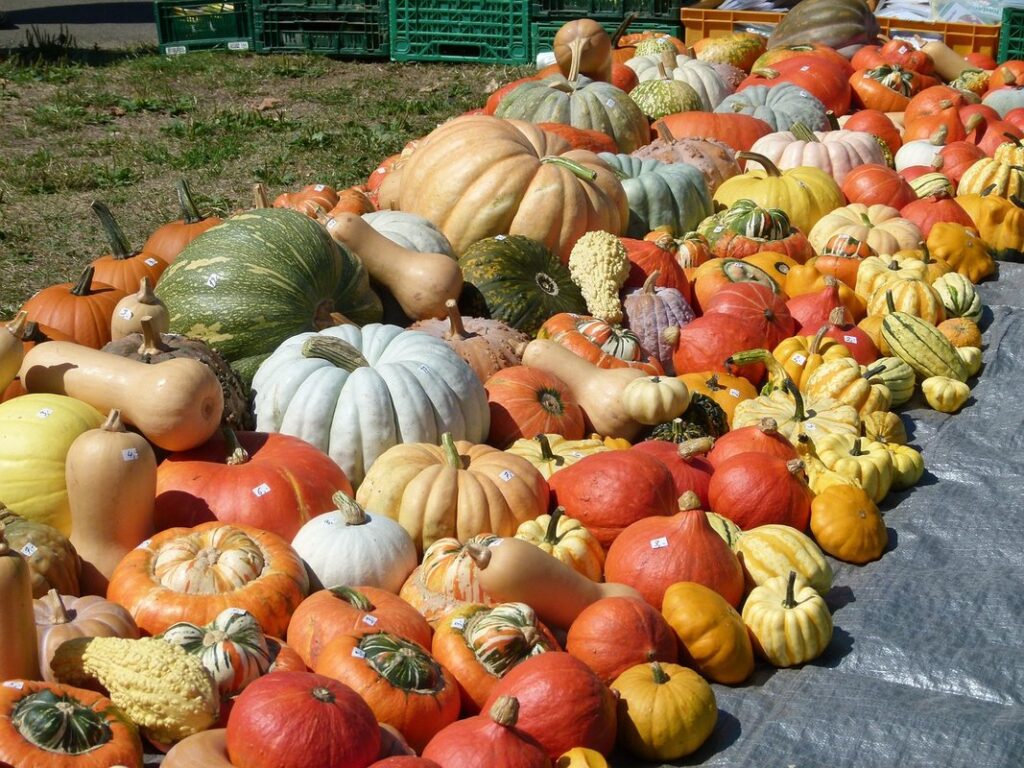
Skin color is another indicator of ripeness. A ripe butternut squash will have a deep, rich orange color, often with a slight yellow or cream undertone. Avoid green or pale-colored gourds, as they may not be fully mature yet.
Common Misconceptions About Butternut Squash Ripeness
Many gardeners and cooks believe that butternut squash should be harvested when mature and then cured to improve flavor and texture. This approach may have originated from the idea that curing can enhance the sweetness and tenderness of winter squash, including butternut. However, this method can actually lead to over-maturity and decreased quality.
The problem lies in allowing the squash to cure for an extended period. While a short curing time of 1-2 weeks might be beneficial, longer periods can cause the squash to become too soft and mushy. Over-curing can also reduce the shelf life of the butternut squash, making it more prone to spoilage.
In reality, a shorter harvesting window and proper handling techniques are often more effective in achieving optimal flavor and texture. Harvesting butternut squash when the skin is hard and the stem is dry typically yields the best results. This approach ensures that the squash remains firm and free of decay, while also retaining its natural sweetness and nutritional value.
Visual Cues for Determining Ripe Butternut Squash
When checking your butternut squash for ripeness, it’s essential to examine its color and texture. Let’s dive into the visual cues that signal a perfectly ripe gourd.
Skin Color
When it comes to determining the ripeness of butternut squash, skin color plays a crucial role. A ripe butternut squash typically has a deep yellow or orange skin with no green patches. This might seem obvious, but many gardeners and cooks get caught up in the excitement of harvesting their squash and overlook this simple yet vital indicator.
If you notice any green patches on your butternut squash, it’s likely not fully ripe yet. Green coloration is a sign that the squash is still developing its sugar content and starches. On the other hand, if the skin appears dull or has white spots, it may be overripe. Look for squash with uniform yellow or orange skin, as this indicates optimal ripeness.
As a general rule of thumb, butternut squash typically reaches peak ripeness when the skin is deep golden yellow to orange. Keep in mind that some varieties may have slightly different skin coloration, so familiarize yourself with your specific type of squash for accurate identification.
Size and Shape
When it comes to determining the ripeness of butternut squash, size can be an indicator, but it’s not always a reliable one. This is because butternut squash continues to mature and grow after being harvested, even if picked at what seems like the optimal size.
To accurately determine the optimal size for harvesting, consider the following: a fully mature butternut squash typically reaches its maximum diameter of 10-15 inches in circumference. However, size alone isn’t enough – you should also look for a subtle change in texture and color. For example, a ripe butternut squash will have a hard, smooth rind that’s free from blemishes or soft spots.
A good rule of thumb is to aim for butternut squash that are around 8-12 inches long and 5-7 pounds heavy. This ensures they’re mature enough to be harvested, yet not so large that they become unwieldy or overripe. Remember, size is just one factor in determining ripeness – always check the texture and color as well for a more accurate assessment.
Scent and Texture: Additional Indicators of Ripe Butternut Squash
When checking for ripeness, scent and texture are two vital indicators you can rely on to confirm your butternut squash is ready to use. Let’s dive into these subtle signs.
The Role of Scent
When you bring your butternut squash home, one of the easiest ways to check its ripeness is by giving it a sniff. A ripe butternut squash typically gives off a sweet, nutty aroma that’s hard to miss. This scent is caused by the breakdown of starches into sugars during the ripening process.
If you’re having trouble pinpointing the smell, try gently scratching the skin of the squash with your fingernail – this will release more oils and bring out the fragrance. The intensity of the aroma can vary depending on the variety, but as a general rule, if it smells rich and slightly sweet, it’s likely ripe.
On the other hand, an unripe or overripe squash may have little to no scent at all. So, be sure to use your nose in conjunction with other indicators like color, hardness, and stem dryness for a more comprehensive assessment of ripeness.
Testing for Softness
When checking for softness around the stem area of butternut squash, it’s essential to do so gently and carefully. A ripe gourd will typically yield to pressure when pressed on the skin near the stem, but be cautious not to apply too much pressure, which can cause damage.
To test for softness without harming the squash, try this simple technique: Gently press your thumb or a finger into the area around the stem. If the squash feels slightly soft and gives way to pressure, it’s likely ripe. Be aware that some varieties may remain firmer than others, even when fully mature.
If you’re unsure, compare the softness of the stem area to a nearby spot on the same gourd. A ripe butternut squash will have a more pronounced give in this region compared to areas farther away from the stem. This test, combined with visual inspections and other indicators, can help ensure that your butternut squash is ripe and ready for consumption or storage.
Handling and Storage: Preserving Ripe Butternut Squash
Now that you’ve selected a ripe butternut squash, it’s time to learn how to store and handle it properly to preserve its quality for future use. This involves several crucial steps.
Handling Techniques
When harvesting butternut squash from your garden, it’s crucial to handle them with care to prevent damage and promote proper ripening. Start by gently cutting the stem with a sharp knife, leaving about an inch of stem attached to the fruit. This will help reduce moisture loss and prevent decay.
To transport your freshly harvested gourds, place them in a ventilated area or on a rack to allow air circulation around each squash. Avoid stacking them directly on top of one another, as this can cause bruising and damage. If you’re transporting butternut squash long distances, consider using foam inserts or paper to cushion the fruit during transit.
When handling butternut squash, it’s also essential to be mindful of their delicate skin. Avoid touching or rubbing against them excessively, as oils from your skin can promote decay and reduce shelf life. Instead, gently lift and move the gourds as needed, keeping them clean and dry to prevent moisture-related issues.
Storage Conditions
Once your butternut squash is harvested, it’s essential to store it properly to maintain its flavor and texture. But where should you store it? Ideally, you’ll want a cool, dry place with minimal temperature fluctuations. This could be a basement, a pantry, or even a garage – just ensure the area is well-ventilated.
The key is to keep your butternut squash away from direct sunlight and heat sources like ovens, radiators, or heaters. Avoid storing it in areas prone to moisture, such as basements with high humidity levels. An ideal storage temperature is between 50°F (10°C) and 60°F (15°C).
To maintain optimal conditions, you can also store your butternut squash on a wire rack or wooden crate off the floor, allowing for good air circulation around each gourd. Be sure to check on them regularly to ensure they’re not developing any mold or soft spots.
A general rule of thumb is to use up your stored butternut squash within 2-3 months for optimal flavor and texture.
Tips for Growing Ripe Butternut Squash
Growing a perfectly ripe butternut squash can be challenging, so we’ll walk you through some expert tips to ensure your gourd reaches its full flavor potential. Here’s what you need to know.
Soil Quality
When growing butternut squash, it’s essential to focus on creating an ideal soil environment. Well-draining and nutrient-rich soil is crucial for producing high-quality fruit. To achieve this, start by testing your soil pH levels and adjust them if necessary. Most butternut squash varieties thrive in a slightly acidic to neutral soil pH (around 6.0-7.0).
To improve soil drainage, consider adding organic matter like compost or well-rotted manure to the soil. This will not only enhance nutrient availability but also help prevent waterlogging, which can lead to fungal diseases and root rot.
For optimal growth, make sure your soil contains adequate nitrogen, phosphorus, and potassium (NPK) levels. You can use a balanced fertilizer that provides around 10-10-10 NPK ratio, or side-dress with individual fertilizers as per the plant’s requirements. For instance, for young butternut squash plants, use a starter fertilizer with high phosphorus content to promote healthy root development.
Remember, investing time and effort into creating an ideal growing environment will result in healthier and more productive butternut squash plants.
Weather Conditions
Growing butternut squash can be a challenging task, and extreme weather conditions can significantly impact the ripening process. High temperatures above 85°F (30°C) can cause the skin to become soft and mushy, making it more susceptible to spoilage. Conversely, prolonged exposure to cool temperatures below 50°F (10°C) can slow down the ripening process.
To adapt to high temperatures, make sure your butternut squash is shaded from direct sunlight during the hottest part of the day. You can use a trellis or shade cloth to provide some protection. Watering deeply but infrequently will also help the plant cope with heat stress.
In areas prone to cool and wet conditions, ensure good air circulation around the plants by providing adequate spacing between them. This will help prevent fungal diseases that thrive in moist environments.
Regular monitoring of weather forecasts can also help you make informed decisions about when to harvest your butternut squash.
Troubleshooting Common Issues with Ripe Butternut Squash
If you’ve picked up a butternut squash that looks perfect, but it’s not quite right when cooked, don’t worry – we’ll cover common issues and how to troubleshoot them.
Identifying Over-Maturity
Identifying over-maturity is crucial when it comes to harvesting butternut squash. If left on the plant too long, these gourds can become overripe, affecting their flavor, texture, and overall quality. To identify if your butternut squash has gone past its prime, look for a few key signs.
One of the most noticeable indicators is the color change. Over-matured butternut squash will often turn from a vibrant orange to a dull brown or grayish hue. The skin may also become soft and wrinkled in appearance. Inspect your gourds regularly by gently grasping them near the stem; if they feel too heavy for their size, it could be a sign that they’re over-mature.
In addition to visual cues, pay attention to the fruit’s size. Butternut squash typically reaches its full size around 15-20 days after pollination. If your gourds are significantly larger than this or showing signs of cracking, they’ve likely gone past their prime. Harvesting at the right time ensures a sweet and nutty flavor in your butternut squash.
Common Pests and Diseases
Butternut squash is susceptible to various pests and diseases that can affect its ripeness and quality. Among these common issues are powdery mildew, a fungal disease that causes a white powder to form on the leaves and stems, and anthracnose, which leads to black spots on the fruit.
Aphids, squash bugs, and cucumber beetles are some of the most common pests that infest butternut squash. These insects feed on the plant’s sap, weakening its growth and causing damage. To control these pests, use neem oil or insecticidal soap to spray directly on the affected areas. For severe infestations, apply a systemic insecticide.
Regularly inspect your plants for signs of disease and pest activity, such as yellowing leaves, twisted stems, or actual insects feeding on the plant. Take prompt action by pruning infected areas and removing weeds that can harbor pests. Maintaining good air circulation around the plants can also help prevent diseases from spreading.
Preventive measures include crop rotation, using resistant varieties, and practicing proper sanitation in your garden. By being aware of these potential issues and taking proactive steps, you can ensure a healthy crop of butternut squash.
Frequently Asked Questions
How to Store Ripe Butternut Squash for Longer?
When storing ripe butternut squash, it’s essential to maintain a consistent refrigerator temperature between 32°F (0°C) and 40°F (4°C). You can also store them in a cool, dry place with good air circulation. To prevent moisture buildup, wrap each squash individually in plastic wrap or aluminum foil before placing them in storage.
Can I Harvest Butternut Squash Before the Ripe Color Appears?
While skin color is an indicator of ripeness, it’s not the only factor to consider. If you notice a butternut squash has reached its maximum size and the stem end has begun to dry out, it may be ready for harvest even if the skin hasn’t yet developed its characteristic orange or yellow color.
What Happens If I Notice White Spots on My Butternut Squash?
White spots on your butternut squash can be an indication of powdery mildew, a common fungal disease. To prevent further spread, remove any affected areas and treat the surrounding area with a fungicide specifically designed for vegetable gardens.
How Do I Handle Ripe Butternut Squash During Harvest?
When handling ripe butternut squash during harvest, make sure to support their weight and avoid bending or twisting them, which can cause damage. Use a fork or trowel to carefully loosen the stem from the plant, then lift the squash gently.
Can I Grow Butternut Squash in Containers?
Yes, you can grow butternut squash in containers provided they are at least 12 inches deep and have good drainage holes. Choose a container with a minimum of 5-gallon capacity to accommodate the squash’s extensive root system. Use a well-draining potting mix specifically designed for squash cultivation.